Trusted by 200+ Global Brands • 25,000+ Projects Completed
EPR & CPCB compliance — plastic, e-waste, battery & more
CPCB • EPR • Plastic • E-waste • Battery • Tyre • Used oil

EPR Registration &
Extended Producer
Responsibility India

Producers, importers & brand ownersplastic, e-waste, batteries, waste tyres, used oil. CPCB registration, action plans, PRO / recycler tie-ups, targets & annual returns. EPR streamsApplication flow • End-to-end support.

Warning Operating without valid EPR registration (where rules apply) or missing recycling targets and returns risks CPCB / SPCB action, penalties, and market access issues. Align registration and waste management plans before scaling sales or imports.
25,000+Projects Done
200+Global Brands
100+Expert Staff
25+Years Experience

Get Free Consultation

Our EPR & environmental compliance experts respond within 60 minutes

🔒 Confidential ✔ No Spam ⚡ 60 Min Response
Trusted By Leading Brands Worldwide
Client Client Client Client Client Client Client Client Client Client Client Client Client Client Client Client Client Client Client Client Client Client
Plastic • E-waste • Battery • Tyre • Used oil

EPR registration at a glance

Extended Producer Responsibility (EPR) makes producers, importers, and brand owners accountable for end-of-life collection, recycling, or environmentally sound disposal of notified products and packaging under CPCB / SPCB frameworks. Streams include plastic, e-waste, batteries, waste tyres, and used oil — each with its own rules, portal steps, and evidence. Route map: EPR streams · Documents: checklists.

What we handle

  • CPCB / portal registration, DSC, and category mapping
  • Action plans, sales / import data, and target estimation
  • PRO, recycler, retreader, or refurbisher tie-ups where required
  • Annual returns, certificates, query responses, and renewals

Recycler or downstream operator?

Recyclers, refurbishers, retreaders, and used-oil processors often need separate authorizations to support producers’ EPR obligations. We align producer-side registration with valid downstream capacity and documentation.

Free EPR route check →
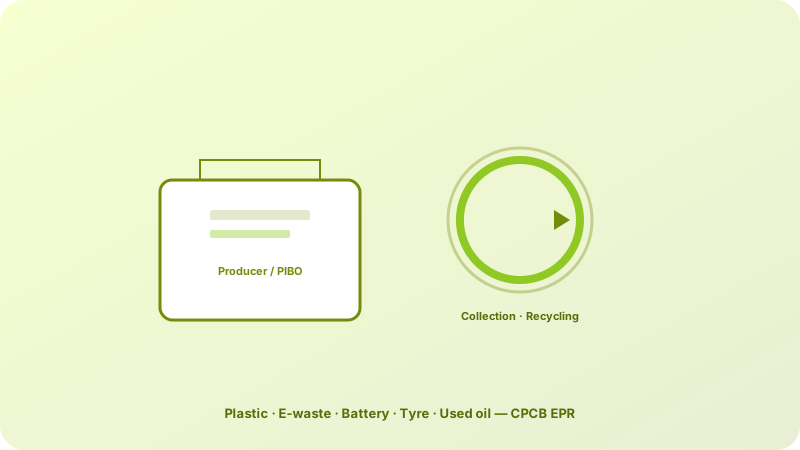
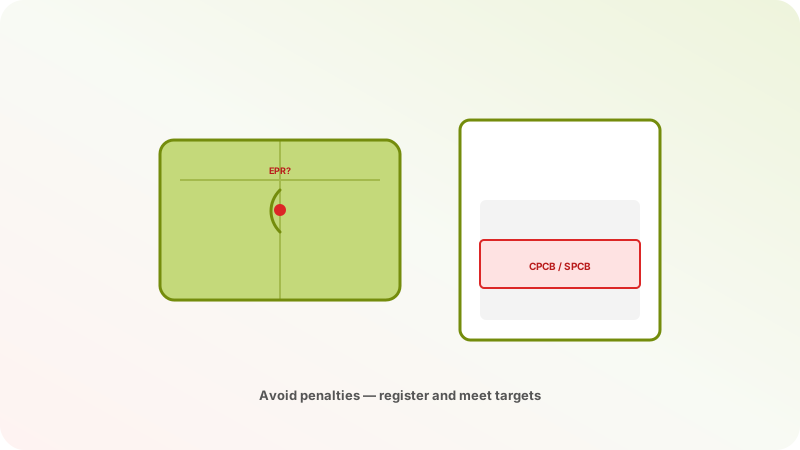
Illustration: producer responsibility and recycling loop for EPR
Why It Matters

Without EPR Compliance You Risk Penalties & Market Blocks

Environmental rules require many businesses to register for EPR and meet collection / recycling targets. Gaps can trigger CPCB or state board action, disrupt listings, and harm brand trust.

Registration & listing gaps

Importers and brand owners may need valid EPR registration and evidence of waste-management obligations for regulated categories before scaling trade.

Missed targets & weak traceability

Without documented collection / recycling and invoices, meeting annual EPR targets becomes difficult to prove.

Penalties & enforcement

Non-compliance with Plastic, e-waste, battery, tyre, or used-oil rules can lead to fines and operational restrictions.

Retail & enterprise buyers

Large customers and platforms increasingly ask for EPR registration and sustainability evidence in vendor onboarding.

⚠ Don’t wait for a notice from CPCB / SPCB: Get EPR registration, action plans, and downstream tie-ups aligned before your next financial year or import cycle.
CPCB & notified waste rules

Major EPR streams in India

Obligations depend on what you manufacture, import, or brand and which waste management rules apply. Below are the main EPR pillars we support end to end.

Plastic waste EPR

Brand owners, producers, importers (PIBOs) register for plastic packaging categories, action plans, and recycling / processing targets.

PWM Rules

E-waste EPR

Producers of electrical & electronic equipment file EPR for collection, channelization, and recycling of end-of-life products.

E-waste Rules

Battery waste EPR

Producers / importers of batteries meet collection and recycling obligations; recyclers & refurbishers register separately.

Battery Rules

Waste tyre EPR

Producers of tyres and importers manage waste-tyre obligations; recyclers & retreaders support the value chain.

HWM / tyre framework

Used oil management

Producers of lubricating oil, recyclers, co-processors, and collection agents register under used-oil EPR norms.

Used oil Rules

Which stream applies?

Your product list, import data, and role in the chain decide registrations. We map plastic, e-waste, battery, tyre, or oil tracks before CPCB / portal filing.

Get free guidance →
Across waste streams

Producer, importer & downstream roles

EPR rules distinguish who places product on the market from who processes waste. Registrations and authorizations differ by stream.

Producer / manufacturer

Entities that manufacture regulated products in India and must register for EPR and meet category-wise obligations.

Domestic supply

Importer / brand owner

Imports or brands products in India; often treated as PIBO for plastic and similar roles for other streams.

Import & branding

Recycler / processor

Authorized facilities that recycle, co-process, or recover materials — needed for evidence and invoices against targets.

Downstream

Multiple streams?

Many companies need plastic + e-waste or battery + tyre coverage. We align one roadmap and shared KYC where possible.

Request callback →
Understanding EPR

Extended Producer Responsibility — overview

EPR shifts responsibility for post-consumer waste from municipalities alone to producers and brand owners who benefit from product sales. In India, CPCB and state pollution boards administer registration, targets, and compliance for plastic, e-waste, batteries, tyres, and used oil, among others.

Diligence Certifications helps with portal registration, action plans, PRO and recycler coordination, data preparation for targets, annual returns, query responses, and renewals so your environmental obligations stay on track.

Get a free consultation
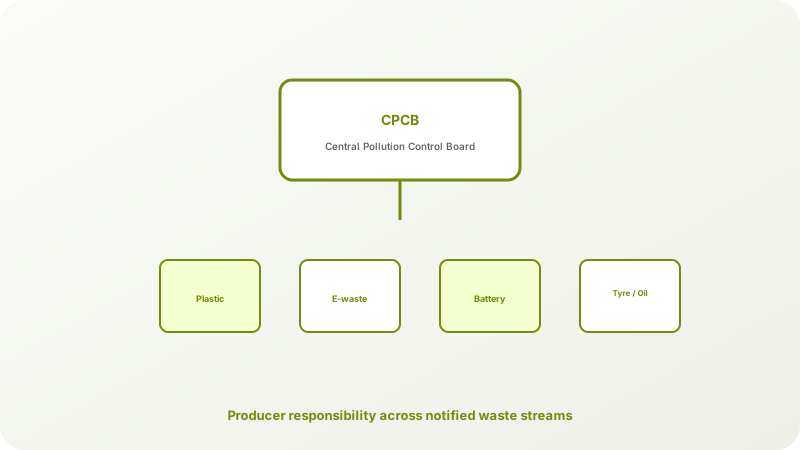
Illustration: CPCB central oversight and major EPR waste streams
Eligibility

Who typically needs EPR?

Manufacturers, importers, brand owners, and in many cases plastic waste processors placing notified products or packaging on the Indian market — plus recyclers, refurbishers, retreaders, and used-oil operators in the value chain.

Brand owners & importers

Companies selling under their brand or importing regulated goods and packaging subject to plastic, e-waste, battery, or other EPR rules.

Manufacturers

Domestic producers of electronics, batteries, tyres, lubricants, and plastic-packaged products that trigger producer obligations.

Recyclers & processors

Facilities seeking authorization to recycle e-waste, plastic, batteries, tyres, or used oil and issue valid evidence to producers.

Enterprises & OEM supply

B2B suppliers asked for EPR registration numbers, certificates, and annual compliance proof in tenders or vendor audits.

Producer vs recycler registration

Producer / PIBO registration covers market placement and targets. Recycler or refurbisher authorization is separate and supports your evidence chain. We map both sides for your operating model.

Why certify

Benefits of EPR compliance

Timely CPCB / SPCB registration and fulfilment of collection & recycling targets protect your licence to operate and strengthen ESG positioning.

Legal certainty

Operate with valid EPR registration and authorizations aligned to your product and waste categories.

Buyer & marketplace readiness

Meet vendor compliance checks from large retailers, e-commerce, and enterprise procurement.

Traceable recycling

Structured PRO / recycler invoicing supports audit-ready evidence for targets.

Brand trust

Demonstrate responsible end-of-life management to consumers and investors.

Lower enforcement exposure

Reduce risk of penalties and operational restrictions from pollution control authorities.

Scalable operations

Plan multi-stream EPR (e.g. plastic + e-waste) with one coordinated compliance roadmap.

Illustrative categories

Products often triggering EPR

Examples only — exact obligations depend on schedules, polymer types, BEE codes, tyre types, and your role in the chain.

Plastic
Packaging & products
  • Rigid & flexible plastic packaging
  • Brand-owner SKUs in multi-layer or rigid packs
E-waste
EEE equipment
  • IT, consumer electronics, appliances
  • Industrial EEE where notified
Battery
Cells & packs
  • Portable & automotive-type batteries
  • Import & domestic manufacture routes
Tyre & oil
Industrial streams
  • Tyre producers & waste-tyre chain
  • Lubricating oils & used-oil recovery
How we work

Three steps with our team

One team for plastic, e-waste, battery, tyre, and used-oil EPR — we align data, documents, and downstream tie-ups before you file on CPCB / state portals.

1

Stream & role mapping

We confirm which waste rules apply, your role (producer, PIBO, importer, recycler), and registration sequence.

2

Dossier & portal

Company KYC, DSC, sales / import data, action plans, PRO or recycler agreements, and prescribed uploads.

3

Submit & sustain

Registration submission, certificate tracking, annual returns, target monitoring, and query support year on year.

Step by step

EPR application flow

High-level stages for producer / PIBO registration with CPCB (or state boards where applicable) and for ongoing compliance; exact steps differ by plastic, e-waste, battery, tyre, or used-oil stream.

01

Category & data readiness

Map your products to notified categories; compile GST, incorporation, PAN, IEC (if importer), authorized signatory KYC, and historical sales / import volumes where needed for targets.

02

Portal account & DSC

Create / update the relevant CPCB or state portal profile and attach a valid Digital Signature Certificate for the authorized person.

03

Action plan & downstream tie-ups

Prepare collection / recycling / ESM approach as required; finalize agreements with PRO, recycler, retreader, refurbisher, or used-oil processor as applicable.

04

Application & uploads

Complete mandated forms, upload PDF evidence, declarations, and pay government fees as per the stream.

05

Review & queries

Respond to CPCB / SPCB clarifications with revised data or documents until the file is cleared.

06

Registration / authorization

Receive your EPR registration or reference (wording varies by rule) and align internal SOPs for record-keeping and invoicing.

Documents (typical — producer side)

  • GST, incorporation, PAN; IEC for importers
  • Authorized signatory ID & board resolution / PoA
  • Product list, HSN / codes, sales or import data
  • Action plan, PRO / recycler agreements (stream-specific)
  • Brand / trademark evidence where brand-owner route
  • Fee payment proof

Recycler / refurbisher routes need facility, capacity, and consent documents. See expanded checklist.

01

Target planning

Translate registration categories into annual collection / recycling / ESM obligations and align with PRO or direct recycler capacity.

02

Quarterly / annual data

Maintain weight- and invoice-backed records of material sent for recycling or other approved routes.

03

Portal returns

File prescribed periodic returns on the relevant portal with validated figures and attachments.

04

Audits & reconciliations

Reconcile sales vs recycling certificates; close gaps before year-end deadlines.

05

Renewals & variations

Track certificate validity; file for renewal or change in product mix, addresses, or downstream partners.

06

Query & enforcement support

Respond to show-cause or data calls with structured evidence and corrective plans.

Documents (typical — ongoing)

  • Recycler / PRO invoices and weighment records
  • Certificates or forms issued by authorized facilities
  • Sales registers mapped to EPR categories
  • Import documents where imported products count toward targets
  • Bank / fee proofs for any statutory payments
  • Prior year portal acknowledgements
Checklists

Documents often required for EPR registration

Lists are indicative; CPCB / SPCB may ask for stream-specific items. Use this with our consultants for your waste category, entity type, and volumes.

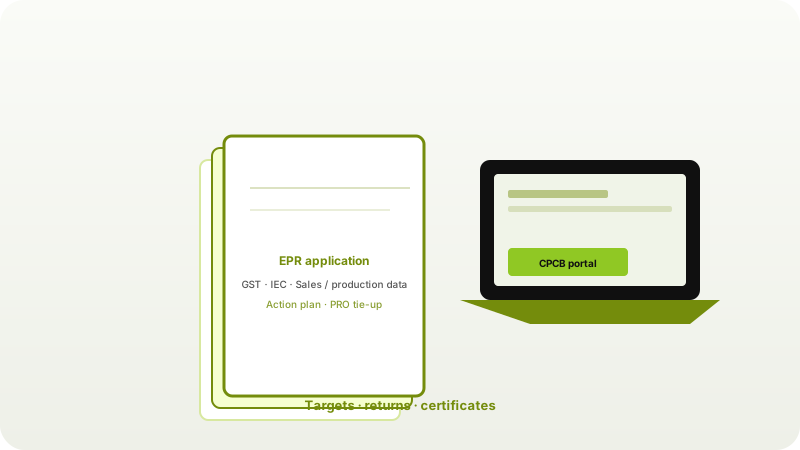
Illustration: EPR application documents and CPCB portal filing

Producer / PIBO (common)

  • GST certificate
  • Incorporation certificate (company / LLP)
  • PAN of entity
  • IEC (importers)
  • Aadhaar / ID of authorized signatory
  • Product categories, SKUs, sales or import data

Plastic-specific (illustrative)

  • Plastic category & polymer declarations
  • Brand / trademark support (brand owners)
  • Action plan, PRO or waste-management agreements

E-waste & battery (illustrative)

  • BEE / model / category mapping per schedule
  • Historical generation / sales data
  • Recycler / refurbisher tie-ups and MOUs
  • EPR plan and collection channel outline

Tyre & used oil (illustrative)

  • Production / import records for tyres or lubricants
  • Recycler, retreader, co-processor, or agent agreements
  • Process flow / facility details for downstream entities

Portal & compliance hygiene

  • Valid DSC for portal signing
  • CPCB / state portal user registration
  • PDF uploads within prescribed size and naming
  • Government fee challans
  • Annual return backups and recycler invoices

Timelines depend on data quality, category complexity, and whether downstream capacity is pre-aligned.

Processing tip: Align sales / import data with the same SKU logic you will use for annual returns — mismatches are a common source of portal queries.

Ready for EPR Registration?

Free consultation • CPCB / state portal support • Multi-stream EPR dossiers

What Our Clients Say

Trusted By Businesses Worldwide

See what our clients have to say about their experience working with Diligence Certifications.

Client testimonial
Client testimonial
Client testimonial
Client testimonial
Client testimonial
Client testimonial
Client testimonial
Client testimonial
On the Ground

EPR & compliance site photos

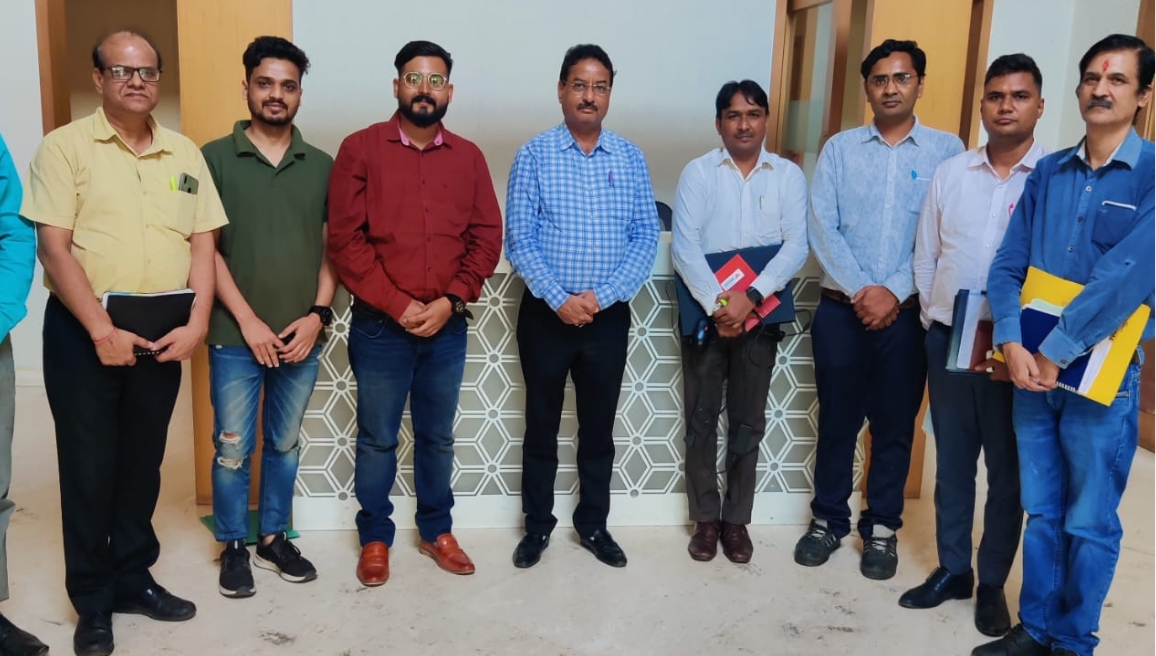
Photos from client facilities where we support environmental compliance, audits, and regulatory readiness — real sites, real advisory work.

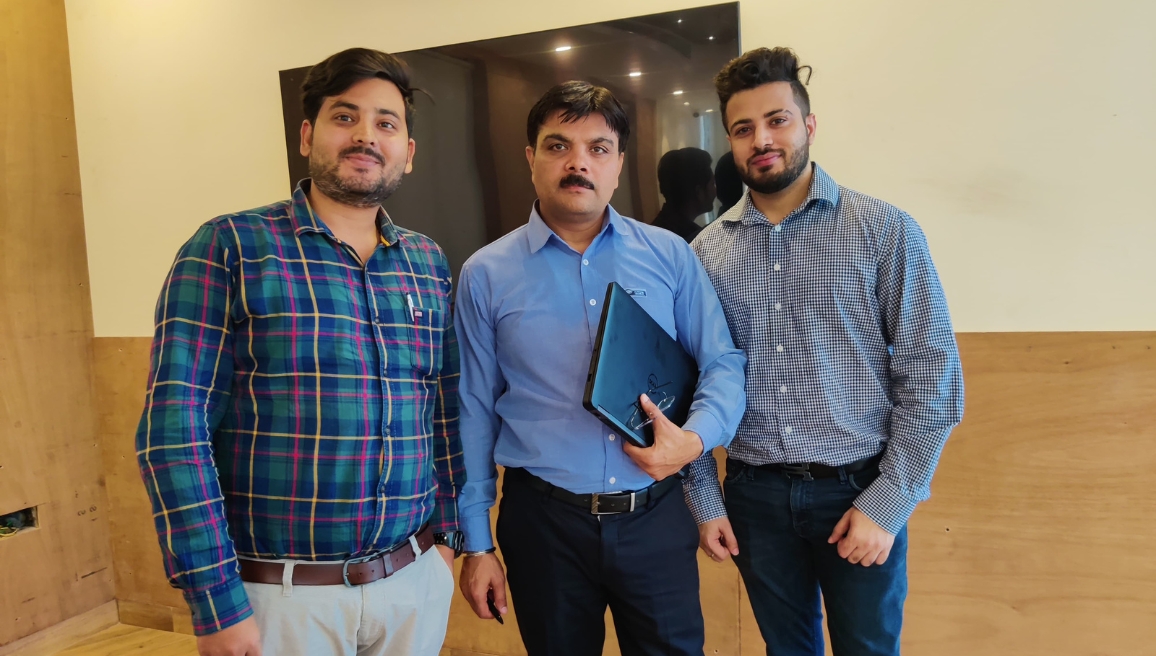
Compliance site visit at client facility
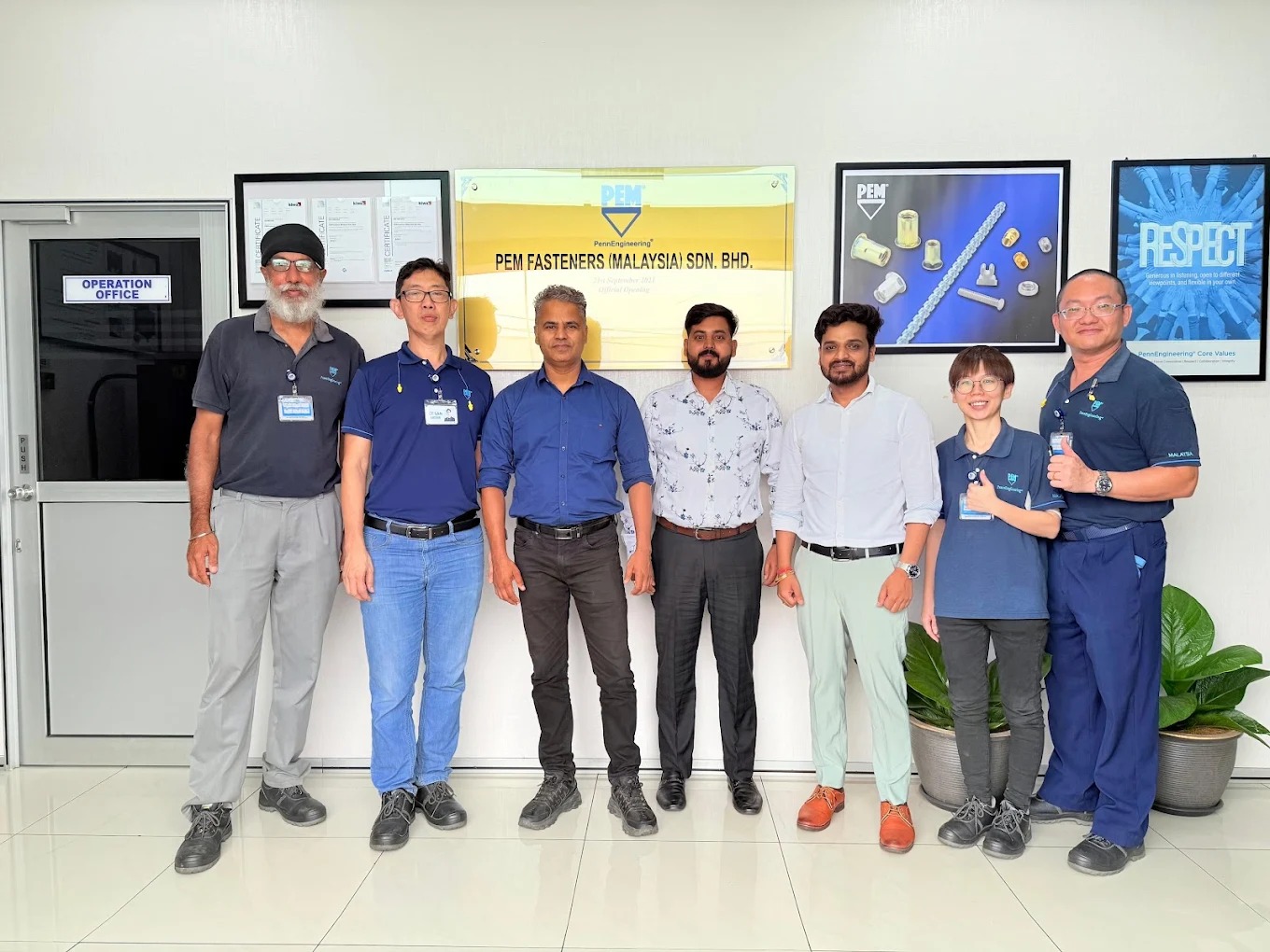
Compliance site visit at PEM Fasteners Malaysia
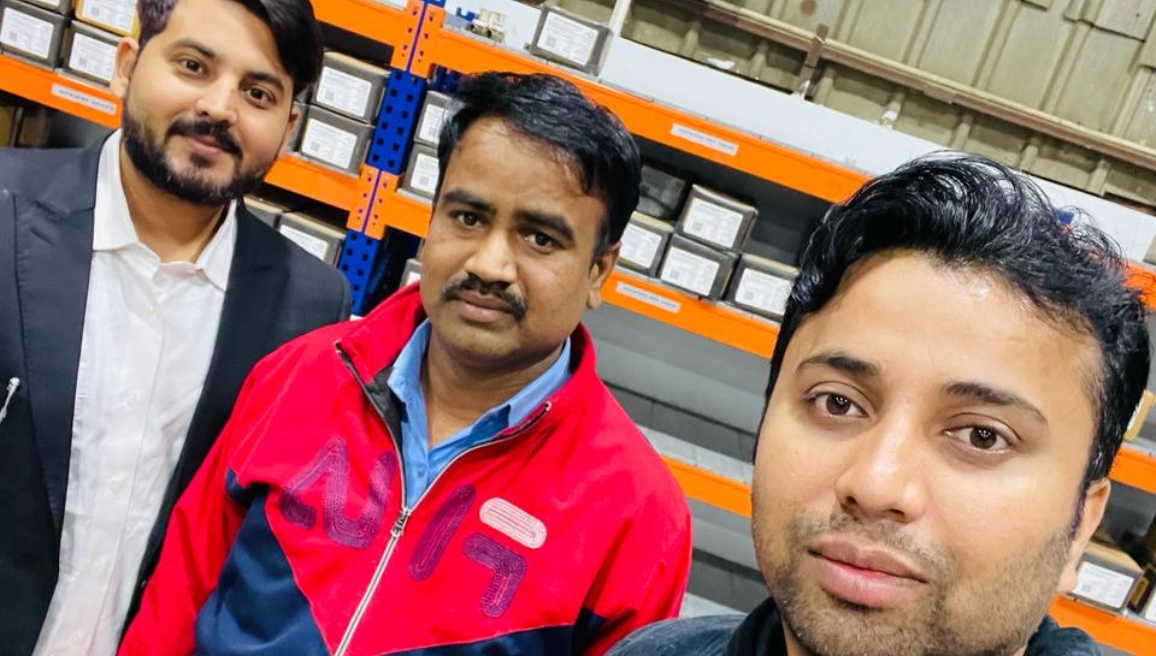
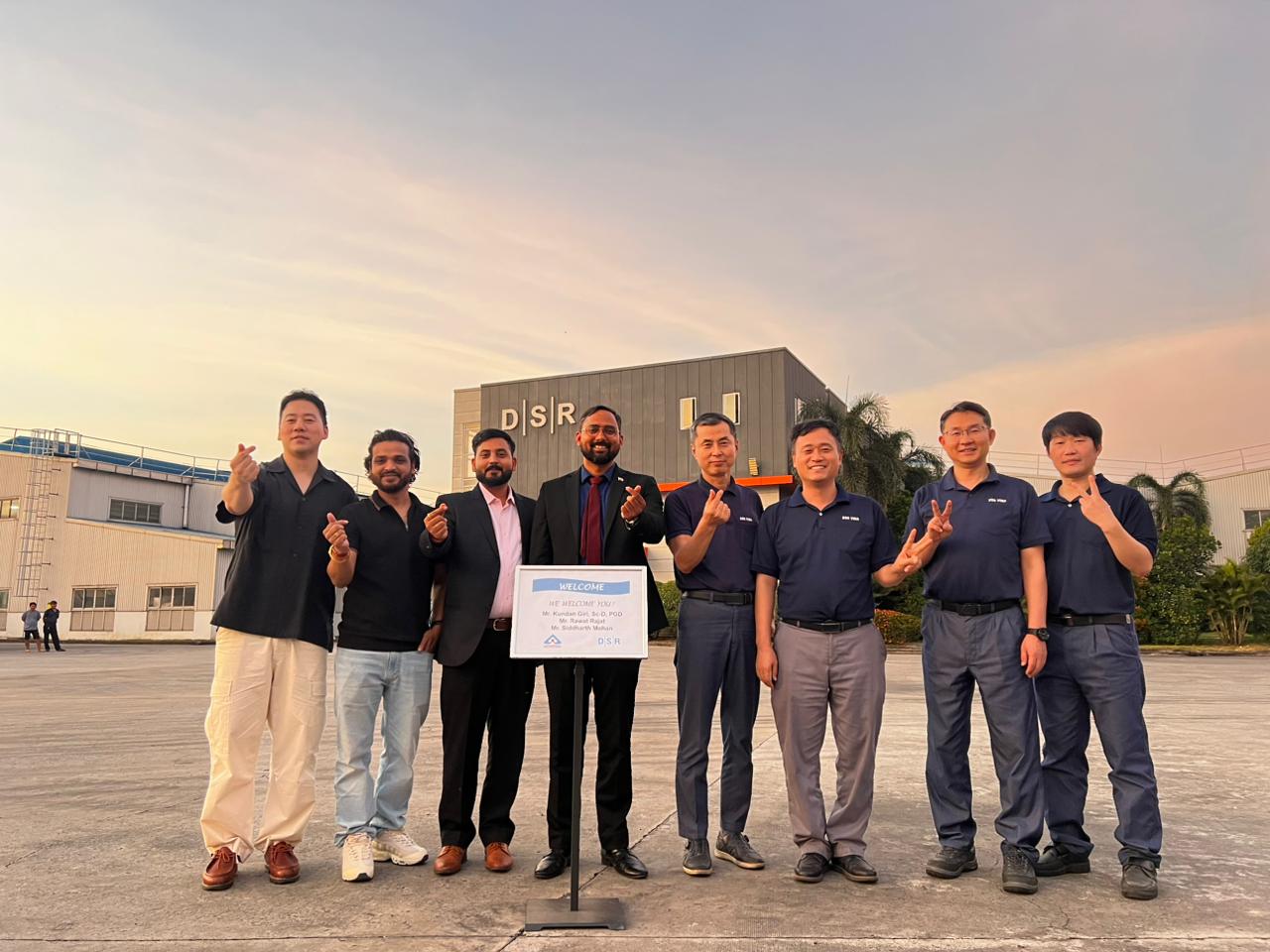
Compliance site visit at DSR factory
Why Diligence

Your Expert Partner For
EPR & CPCB compliance

Plastic, e-waste, battery, tyre, and used-oil obligations need accurate data, valid downstream tie-ups, and disciplined portal returns with CPCB and state boards.

Portal-Ready Dossiers. Fewer Queries.

We align sales data, categories, and uploads with what CPCB / SPCB reviewers expect for your stream.

End-to-End EPR Support

From first registration through PRO coordination, annual returns, and renewals across applicable waste rules.

Multi-stream coverage

One team for plastic + e-waste + battery (and more) so overlapping obligations stay synchronized.

Trusted by producers & brands

FMCG, electronics, automotive, and industrial firms rely on us for practical environmental compliance delivery.

Beyond first registration

Target tracking, new categories, downstream changes, and variations — we help you stay current as rules and portfolios change.

Why Businesses
Trust Us

Faster ApprovalsWe know how to avoid delays and keep your licence applications on track.
Technical ExpertiseEvery application handled by professionals who understand standards.
Dedicated SupportOne point of contact, full accountability throughout the process.
Affordable & TransparentNo hidden costs, no surprises — just results and clear pricing.
EPR, BIS, LMPC & MoreIntegrated compliance support for Indian and global market requirements.
Start your EPR application →
Environmental compliance India

Free Consultation — Same-Day Callback

Tell us about your products, import volumes, and waste streams (plastic, e-waste, battery, tyre, used oil). We’ll map the right EPR registration and compliance path.

Our team reviews your role (producer, PIBO, importer, recycler), category mapping, and downstream plans to give you a clear route, likely timeline, and document pack before filing on CPCB / state portals.

  • Stream-specific registration (plastic, e-waste, battery, tyre, oil)
  • Action plans, PRO / recycler tie-ups, and evidence design
  • Annual returns, target reconciliation, and renewals
  • Query responses and enforcement support
24×7 support Free consultation 200+ global clients

Get Best Price & Timeline

Same experts as the top form — we reply promptly

🔒 Confidential ✔ No Spam ⚡ 60 Min Response
Frequently Asked Questions

Got Questions? We Have Answers

Everything you need to know about EPR registration and CPCB compliance — answered by our experts.

Extended Producer Responsibility (EPR) requires producers, importers, and brand owners to register and take financial or physical responsibility for collection, recycling, or environmentally sound management of end-of-life products and packaging under notified rules.
Typically manufacturers, importers, and brand owners of products covered under plastic, e-waste, battery, waste tyre, or used-oil frameworks. Recyclers, refurbishers, retreaders, and processors usually need separate authorizations.
The Central Pollution Control Board administers central registration and oversight for several streams, issues guidance on targets and reporting, and coordinates with state pollution control boards for compliance monitoring.
Timelines depend on application completeness, category complexity, downstream agreements, and departmental workload. Clean data and fast query responses shorten delays; we advise after a short review of your portfolio.
Many producers work with a Producer Responsibility Organization (PRO) or directly with authorized recyclers to meet obligations. The right structure depends on your volumes, geography, and internal capabilities.
Yes. We support annual / periodic returns, reconciliation of sales vs recycling evidence, and corrections after portal feedback.
No. EPR deals with end-of-life waste management under environmental rules. BIS covers standards/conformity for many products. LMPC covers packaged-commodity labels. One product line may trigger multiple obligations — we help map overlaps.
Yes. We frequently bundle plastic + e-waste + battery (and other) registrations so your KYC, DSC, and reporting stay consistent across portals.
☎ Call Now WhatsApp