 BIS Certification
 CDSCO
CDSCO
 PESO
PESO
 CPCB
CPCB
 LMPC
LMPC
 WPC Approval
 Global Approvals
 TEC
TEC
 ARAI
ARAI
 BEE
BEE
 ISO Certification
 DGCA Certification
 NOC For Steel
 APEDA Registration























 Business Registration
 FSSAI Mark Certification












 (32).jpg)
 Legal Services
 Trademark Registration
 Copyright Registration
 Patent Registration
Trademark Rectification
Trademark rectification is the legal process of correcting, amending or cancelling an entry in the Register of Trade Marks under...
Get expert consultation
Trusted by 25,000+ leading enterprises worldwide









Key takeaways
- Trademark rectification is the correction, variation, amendment or cancellation of an entry in the Register of Trade Marks under the Trade Marks Act, 1999.
- An application is made to the Registrar of Trade Marks on Form TM-O, with the prescribed fee.
- Common grounds include a wrongly remaining entry, non-use of the mark and an error or defect in the register.
- It can be filed by an aggrieved person, the registered proprietor, or by the Registrar acting on their own motion.
- After the Tribunal Reforms Act, 2021, jurisdiction shifted from the IPAB to the Registrar and the High Courts.
- Filing is handled online through the IP India e-filing portal.
What is trademark rectification?
Trademark rectification is the statutory remedy used to correct or remove an entry in the Register of Trade Marks. It allows an interested party, or the Registrar, to put right an entry that was wrongly made, has remained without sufficient cause, or contains an error or omission. The power flows from Sections 57 and 58 of the Trade Marks Act, 1999.
In everyday practice, rectification is the tool used to cancel or vary a registered trademark that should never have been registered, that conflicts with prior rights, or that has not been put to genuine use. It protects the integrity of the register and gives brand owners a route to clear obstacles standing between them and their own mark.
What rectification can achieve
- Cancel a mark registered in bad faith or without a bona fide claim
- Remove a mark that has not been used for the statutory period
- Correct an error in the proprietor’s name, address or goods
- Vary the conditions or limitations attached to a registration
- Clear a conflicting registration blocking your own application
Key provisions and grounds
A handful of sections of the Trade Marks Act, 1999 do most of the work in a rectification matter. Choosing the right ground is what decides the petition.
| Section | What it covers |
|---|---|
| Section 47 | Removal of a mark for non-use over the statutory period |
| Section 57 | Cancellation or variation of an entry in the register |
| Section 58 | Correction and amendment of the register |
| Common ground | Why it is raised |
|---|---|
| Non-use | No bona fide use for five years and three months from registration |
| Wrong entry | Mark registered without sufficient cause or in contravention of the Act |
| Error or defect | Clerical error, omission or defect in the register entry |
| Prior rights | Registration conflicts with an earlier mark or proprietorship |
Who can file a rectification
Rectification is not limited to the registered owner. The Act allows several parties to move the Registrar, depending on the relief sought.
Aggrieved person
Anyone whose business or legal rights are affected by the existing entry, including a blocked applicant.
Registered proprietor
The owner seeking to correct or amend their own entry, such as a change of name, address or goods.
The Registrar
The Registrar of Trade Marks may rectify the register on their own motion after notice and hearing.
The High Court
Where a rectification is sought during pending infringement proceedings, the relevant High Court has jurisdiction.
Where a petition is heard
The Tribunal Reforms Act, 2021 abolished the Intellectual Property Appellate Board (IPAB). The jurisdiction it held in trademark rectification now sits with the Registrar of Trade Marks and the High Courts, restoring the forums to those that existed before the IPAB was created.
- Most rectification and cancellation petitions are filed before the Registrar of Trade Marks on Form TM-O.
- Where rectification is raised in a pending infringement suit, the High Court trying the suit decides the issue.
- Several High Courts now have dedicated Intellectual Property Divisions hearing such matters.
- Appeals from the Registrar’s orders lie to the relevant High Court.
The rectification process, step by step
The path depends on whether you are challenging another party’s mark or correcting your own entry. We manage the filing and prosecution throughout.
Cancellation by a third party
Assess grounds
Establish your standing as an aggrieved person and identify the ground, such as non-use or a wrong entry.
File Form TM-O
Lodge the petition on the IP India e-filing portal with the statement of case and supporting evidence.
Counter-statement
The registered proprietor is served and may file a reply within the prescribed period.
Evidence and hearing
Both sides file evidence by affidavit and are heard by the Registrar.
Order
The Registrar cancels, varies or refuses to disturb the entry and the register is updated.
Correction of your own entry
Identify the error
Pinpoint the entry to be corrected, such as proprietor name, address or the goods and services covered.
Prepare the request
Compile the amendment request with proof supporting the change.
File with the Registry
Submit the correction online to the Trade Marks Registry with the prescribed fee.
Examination
The Registry verifies the request and may seek clarification.
Register updated
Once allowed, the corrected entry is reflected in the Register of Trade Marks.
Documents required
- Details of the impugned registration (number, class and proprietor)
- Statement of case setting out the grounds for rectification
- Evidence supporting the ground, such as proof of non-use or prior rights
- Identity and address proof of the applicant
- Power of attorney (Form TM-48) authorising the agent or attorney
- Documents establishing the applicant as an aggrieved person
- For corrections: proof of the change of name, address or goods
Costs & duration
- An official fee is payable per the prescribed schedule for filing Form TM-O.
- Professional charges depend on the grounds, evidence and whether the matter is contested.
- Contested matters move through counter-statement, evidence and hearing stages.
- Timelines vary with the Registry’s workload and the complexity of the dispute.
Protect and manage your brand with our Trademark Registration, Trademark Assignment and Trademark Licensing services.
Benefits of rectification
Clears the register
Removes wrongful or dormant marks that block your legitimate brand from being registered.
Protects your rights
Defends prior-use and proprietorship claims against conflicting registrations.
Accurate records
Keeps proprietor details, goods and conditions correct and enforceable.
Supports litigation
Strengthens your position in opposition, infringement and passing-off proceedings.
Tackles bad faith
Provides a remedy against squatters and marks registered without bona fide intent.
Restores fair competition
Frees up marks for genuine traders and keeps the marketplace honest.
Your rectification partner
Rectification is evidence-driven and procedural. The strength of your statement of case and the proof you marshal decide the outcome. Our team builds both with care.
- Grounds analysis to choose the strongest, evidence-backed basis for your petition
- End-to-end filing of Form TM-O and supporting affidavits on the IP India portal
- Evidence strategy to prove non-use, prior rights or a defective entry
- Representation through counter-statement, evidence and hearing stages
- Brand-wide view linking rectification with registration, assignment and enforcement
A registration standing in your way?
Tell us about the mark you want cancelled or corrected and we will assess the grounds, map the evidence and handle the filing end to end.
Rectification of the register is dealt with by Intellectual Property India.
Frequently asked questions
What is trademark rectification?
Trademark rectification is the legal process of correcting, varying or cancelling an entry in the Register of Trade Marks under Sections 57 and 58 of the Trade Marks Act, 1999. It is used to put right an entry that was wrongly made, has remained without sufficient cause, or contains an error.
Who can file a rectification petition?
An aggrieved person, the registered proprietor seeking a correction, or the Registrar acting on their own motion can move for rectification. An aggrieved person is one whose business or legal rights are affected by the existing entry.
On what grounds can a registered trademark be cancelled?
Common grounds include non-use of the mark for the statutory period, registration obtained without sufficient cause or in contravention of the Act, an error or defect in the register, and conflict with earlier rights.
Which form is used and where is it filed?
A rectification or cancellation application is filed on Form TM-O before the Registrar of Trade Marks, through the IP India e-filing portal, with the prescribed fee. Where rectification arises in a pending infringement suit, the High Court trying the suit decides it.
What happened to the IPAB?
The Intellectual Property Appellate Board was abolished by the Tribunal Reforms Act, 2021. Its jurisdiction over trademark rectification now rests with the Registrar of Trade Marks and the High Courts.
How is rectification different from opposition?
Opposition is filed against a mark that has been advertised but not yet registered, whereas rectification challenges or corrects a mark that is already on the register. Rectification is the remedy once a registration is in force.
Why choose Diligence Certification?
For compliance and credibility, Diligence is much more than a checklist - we give you real confidence in your business. We examine your legal, financial and operational status, so you are not just certified, but trusted.
Stronger risk protection
Spot hidden legal, financial or operational risks early - fix problems before they become threats.
Earn stakeholder trust
From investors to customers, people want to work with businesses that play by the rules.
Stay legally aligned
Compliant not just on products but on labour, environmental and tax laws too.
Enhance brand reputation
Show the world you operate with integrity and transparency.
Stand out from competitors
In a crowded market, credibility is your biggest edge.
24×7 expert support
A 100+ strong service team guiding you at every step, free first consultation.
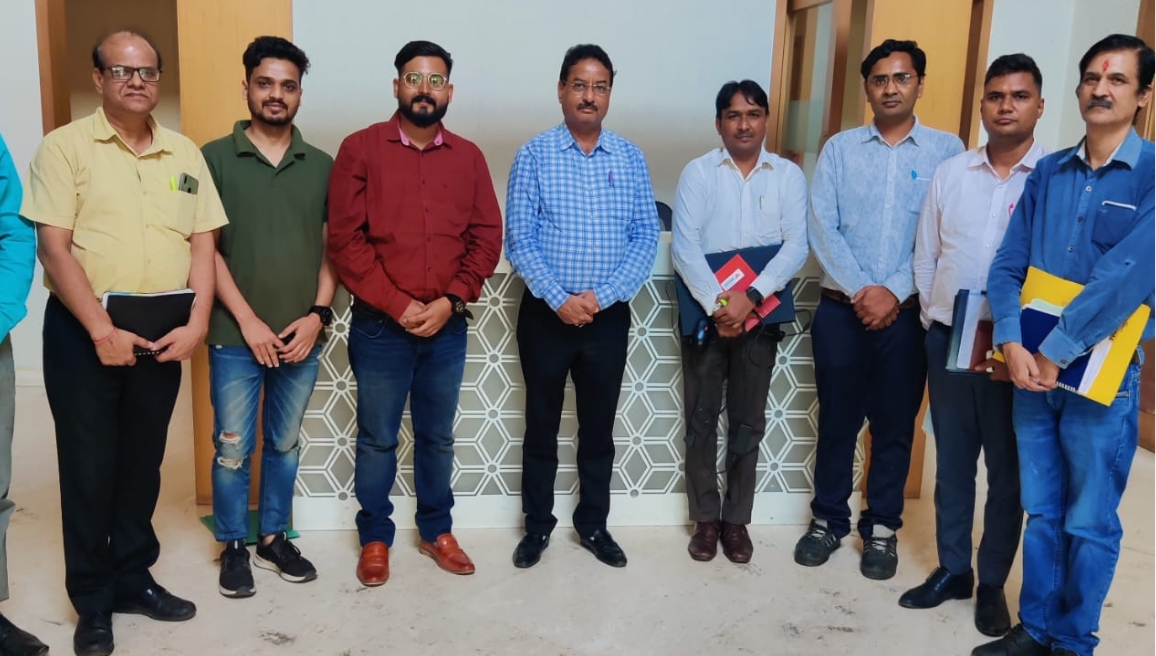
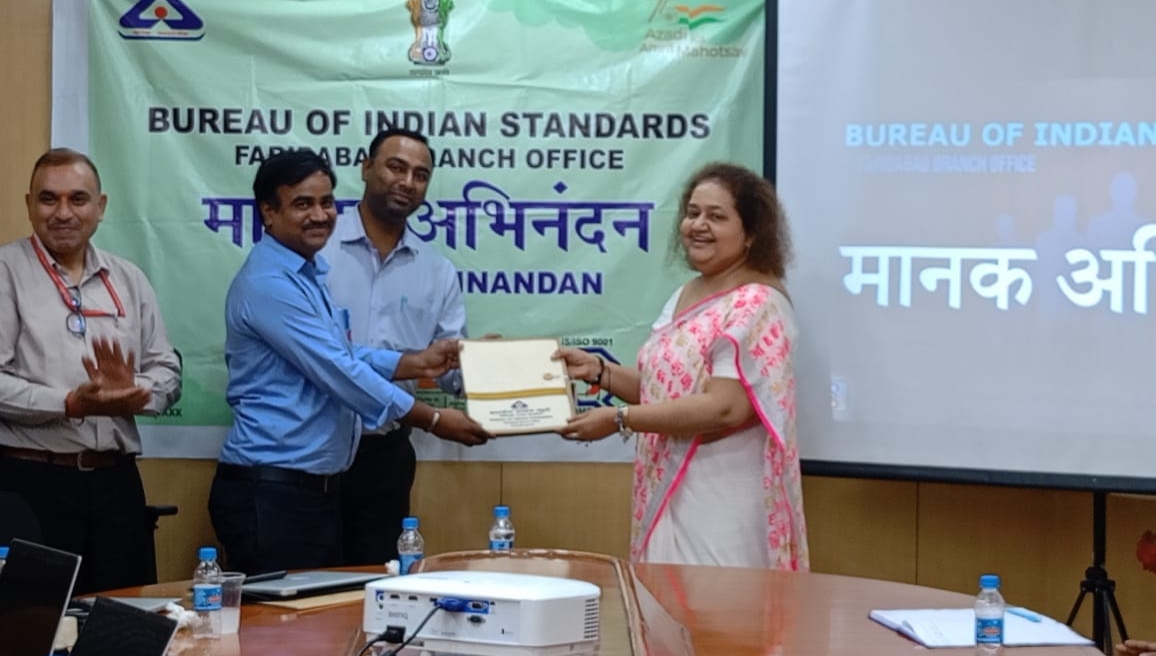
Real sites, real certifications
Our teams work inside factories and plants across India and abroad - inspections, audits and certification milestones spanning BIS, global schemes and the full compliance stack you see on this site.





What our clients say
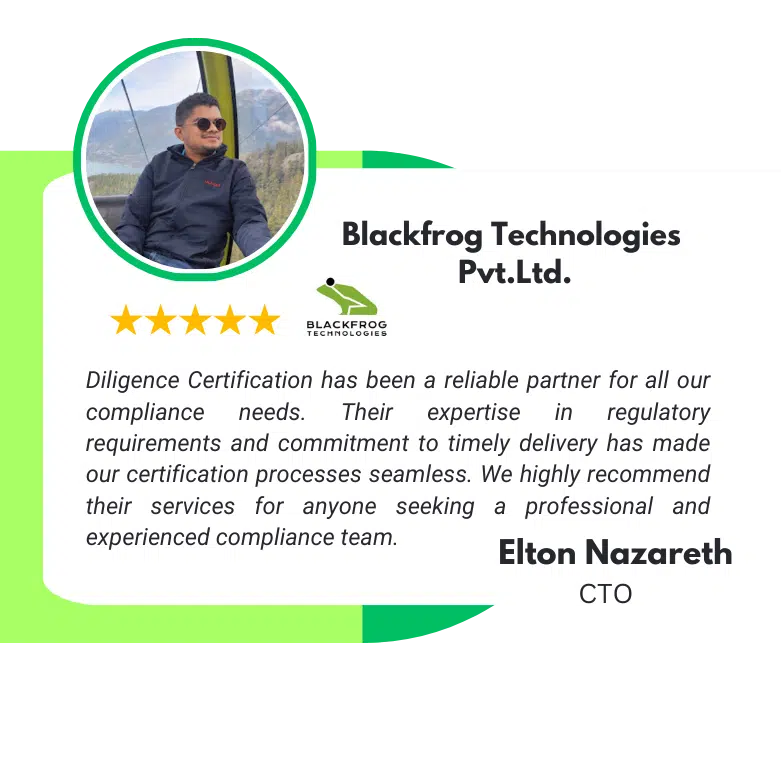
Reviews and feedback from businesses that have worked with Diligence Certifications.









Related IP & Licensing services
Trademark Registration
Protect your brand - trademark registration.
View details →PSARA License
Private Security Agency license under PSARA.
View details →Brand Name Registration
Register your brand name as a trademark under the Trade Marks Act, 1999.
View details →Copyright Assignment
A clear guide to Copyright Assignment under the Copyright Act, 1957: what it is, Sections.
View details →Copyright Licensing
A guide to copyright licensing in India under the Copyright Act, 1957: voluntary, compulsory.
View details →Copyright Objection
Received a copyright objection or discrepancy notice?
View details →Ready to get Trademark Rectification?
Talk to our experts for a clear, fixed-scope plan - most clients get a roadmap the same day.