 BIS Certification
 CDSCO
CDSCO
 PESO
PESO
 CPCB
CPCB
 LMPC
LMPC
 WPC Approval
 Global Approvals
 TEC
TEC
 ARAI
ARAI
 BEE
BEE
 ISO Certification
 DGCA Certification
 NOC For Steel
 APEDA Registration























 Business Registration
 FSSAI Mark Certification












 (32).jpg)
 Legal Services
 Trademark Registration
 Copyright Registration
 Patent Registration
Indian Patent Search
An Indian Patent Search examines published patents and applications to check whether an invention is novel before you file. We...
Get expert consultation
Trusted by 25,000+ leading enterprises worldwide










Key takeaways
- A patent search checks whether your invention is new and non-obvious before you invest in filing under the Patents Act, 1970.
- Searches are run on the Indian Patent Office databases (InPASS) and global sources such as Espacenet, WIPO PATENTSCOPE and Google Patents.
- Common types include patentability (novelty), freedom-to-operate, validity and infringement searches.
- The patent system is administered by the Office of the Controller General of Patents, Designs and Trade Marks (CGPDTM).
- A good search lowers the risk of rejection, objections and wasted filing fees, and sharpens your claims.
- It does not grant any right; it informs strategy, drafting and the decision to file a provisional or complete specification.
What is an Indian Patent Search?
An Indian Patent Search is a structured review of existing patents, published applications and other technical literature to find out whether your invention is already known. This existing body of knowledge is called prior art, and an invention can only be patented in India if it is novel, involves an inventive step and is capable of industrial application under the Patents Act, 1970.
The search tells you, before you spend on drafting and official fees, how crowded your field is, what claims are likely to survive examination, and how to position your invention to stand the best chance of grant. It is the single most cost-effective step in any patent strategy.
What a search looks at
- Granted Indian patents and published applications
- Foreign patents and PCT international applications
- Scientific papers, journals and technical disclosures
- Product manuals, catalogues and public usage
- Conference proceedings and standards documents
- Earlier filings claimed as priority anywhere in the world
Kinds of patent search
The right search depends on your goal, whether you are about to file, planning to launch a product, or assessing a competitor’s patent.
| Search type | Purpose |
|---|---|
| Patentability / Novelty | Checks whether the invention is new and inventive enough to be patented before filing. |
| Freedom-to-Operate (FTO) | Identifies in-force patents you might infringe when launching a product in India. |
| Validity / Invalidity | Examines prior art to support or challenge the validity of a granted patent. |
| Search type | Purpose |
|---|---|
| State-of-the-Art | Maps the broad technology landscape for R&D and product planning. |
| Infringement | Assesses whether a specific product or process falls within another’s claims. |
| Patent landscape | Surveys filing trends, key players and white spaces in a technology area. |
Who should run a patent search?
Inventors
Confirm your idea is new before spending on drafting and filing fees.
Startups
Validate novelty for investors and build a defensible IP position early.
R&D teams
Map the state of the art and avoid duplicating work that is already protected.
Manufacturers
Run a freedom-to-operate check before commercialising a product in India.
Universities
Assess inventions from research before technology transfer or licensing.
Litigants
Build validity or invalidity evidence in opposition, revocation or infringement matters.
Why search before you file
Patent prosecution in India is examined on merit. The Controller will cite prior art against your claims, and a single relevant document can sink an application after you have already paid the fees. Searching first lets you decide whether to file at all, and how to draft claims that survive examination.
What a search helps you avoid
- Wasted filing fees on inventions that are not novel.
- First Examination Report objections from cited prior art.
- Narrow or weak claims that competitors can design around.
- Infringement exposure when launching without an FTO check.
The search process, step by step
We combine the official Indian Patent Office databases with leading global sources to give you a defensible, well-documented result.
What we do
Understand the invention
We study your disclosure and identify the key features, technical effect and likely claim scope.
Build the strategy
We map keywords, synonyms and the relevant IPC/CPC classification codes for the technology.
Run the search
We search InPASS, Espacenet, WIPO PATENTSCOPE, Google Patents and non-patent literature.
Analyse and report
We assess the closest prior art, give an opinion on patentability and recommend next steps.
Where we search
InPASS
The Indian Patent Office’s public search system for Indian patents and published applications.
Espacenet
The European Patent Office database covering patents from across the world.
WIPO PATENTSCOPE
International PCT applications and national collections maintained by WIPO.
Non-patent literature
Journals, theses, standards and product disclosures that count as prior art.
What we need from you
- A clear description of the invention and how it works
- Drawings, diagrams or flowcharts, where available
- The technical problem solved and the advantage over existing solutions
- Any known similar products, patents or publications
- The field of use and intended application
- Details of any prior public disclosure or earlier filing
The search report
- A list of the closest prior-art references with citations
- A feature-by-feature comparison against your invention
- A reasoned opinion on novelty and inventive step
- Recommendations on claim scope and filing strategy
Protecting other IP too? See our Trademark Registration and Copyright Registration services.
Turnaround & cost factors
A patent search is a professional service, not a government filing, so there is no statutory fee. The cost and timeline depend on the depth of search and the complexity of the technology.
| Factor | Details |
|---|---|
| Type of search | A quick novelty check is faster and cheaper than a full FTO or validity search. |
| Technology complexity | Densely patented fields and intricate inventions need deeper analysis. |
| Databases covered | Indian-only versus worldwide patent and non-patent literature. |
| Typical turnaround | A focused search is usually delivered within a few working days. |
Have an invention in mind?
Share a short description and we will run a patentability search and tell you, plainly, whether it is worth filing.
Benefits of a patent search
Confidence to file
Know your invention’s novelty position before committing time and fees.
Stronger claims
Draft around the prior art so your claims are broad yet defensible.
Cost savings
Avoid spending on applications likely to be rejected at examination.
Risk reduction
Spot infringement risks early with a freedom-to-operate check.
Better strategy
Understand competitors and white spaces to guide R&D and investment.
Faster grant
Fewer objections at examination mean a smoother route to grant.
Why choose Diligence Certifications
- Searches run by people who understand both the technology and the Patents Act, 1970
- Coverage across Indian and international patent and non-patent databases
- Clear, reasoned reports you can act on, not just a list of links
- A single team that can carry you through to drafting and filing if you proceed
- Confidential handling of your invention disclosure at every stage
- Practical advice on claim scope, jurisdictions and filing route
Not sure which search you need?
Tell us your goal, whether to file, launch or challenge a patent, and we will recommend the right search and scope.
Patent records and search facilities are maintained by Intellectual Property India.
Frequently asked questions
What is an Indian patent search?
It is a structured review of existing patents, published applications and technical literature to check whether your invention is new and inventive before you file under the Patents Act, 1970. It identifies prior art that could be cited against your claims.
Is a patent search mandatory before filing?
No, it is not legally mandatory, but it is strongly recommended. A search lowers the risk of rejection and objections, sharpens your claims and helps you decide whether filing is worthwhile.
Which databases are used for the search?
We search the Indian Patent Office’s InPASS system along with global sources such as Espacenet, WIPO PATENTSCOPE and Google Patents, plus non-patent literature like journals and product disclosures.
Can I run a free patent search myself?
You can run basic keyword searches on InPASS and Google Patents for free, but a professional search uses classification codes, synonyms and structured analysis to find prior art that simple keyword searches usually miss.
What is the difference between a patentability and a freedom-to-operate search?
A patentability search checks whether your invention is novel enough to be patented, while a freedom-to-operate search checks whether launching your product might infringe patents that are still in force in India.
Does a patent search guarantee my patent will be granted?
No search can guarantee grant, because examination depends on the Controller’s assessment and prior art that may not be public at the time. A thorough search significantly improves your chances and reduces surprises.
Why choose Diligence Certification?
For compliance and credibility, Diligence is much more than a checklist - we give you real confidence in your business. We examine your legal, financial and operational status, so you are not just certified, but trusted.
Stronger risk protection
Spot hidden legal, financial or operational risks early - fix problems before they become threats.
Earn stakeholder trust
From investors to customers, people want to work with businesses that play by the rules.
Stay legally aligned
Compliant not just on products but on labour, environmental and tax laws too.
Enhance brand reputation
Show the world you operate with integrity and transparency.
Stand out from competitors
In a crowded market, credibility is your biggest edge.
24×7 expert support
A 100+ strong service team guiding you at every step, free first consultation.
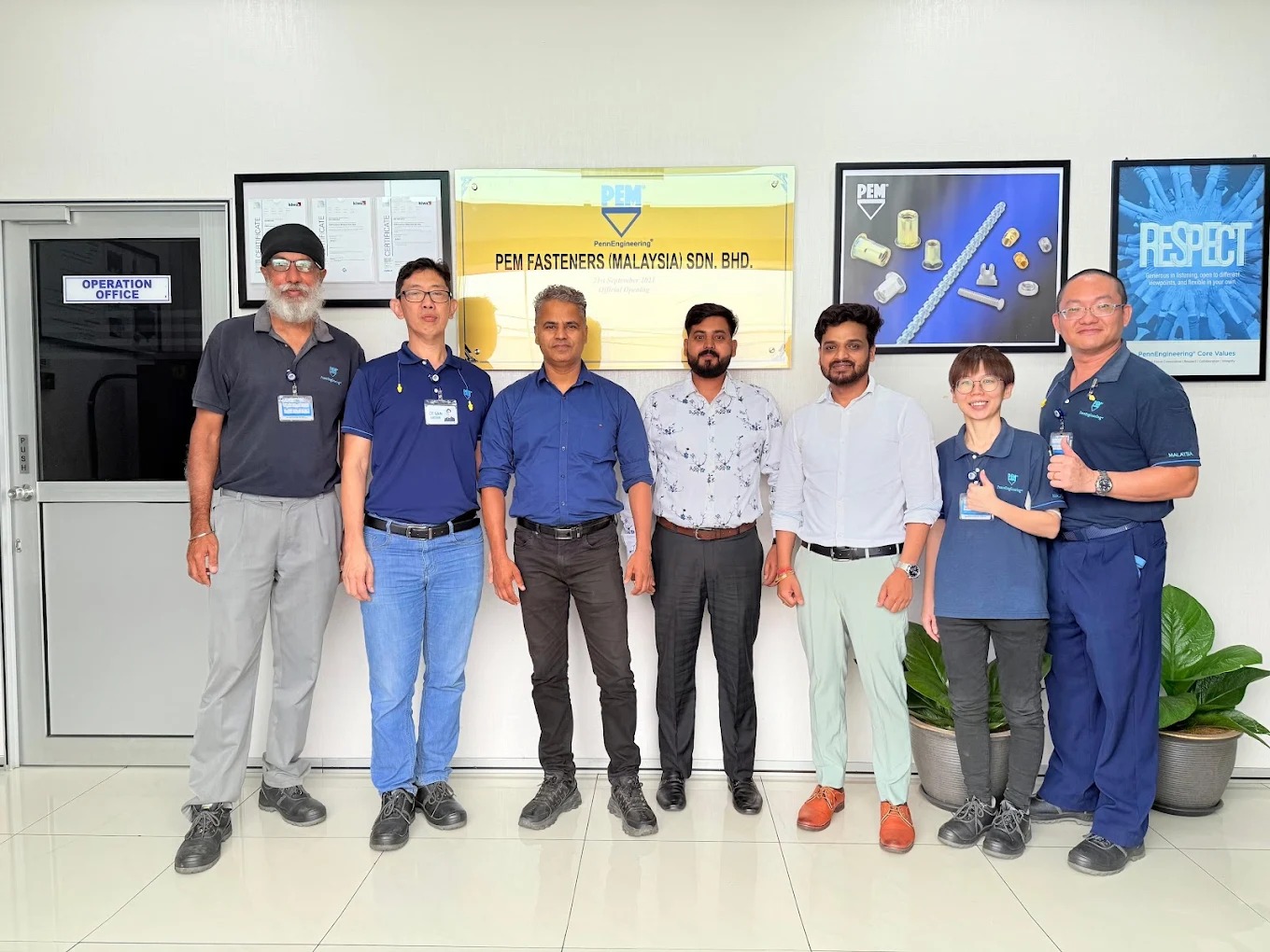
Real sites, real certifications
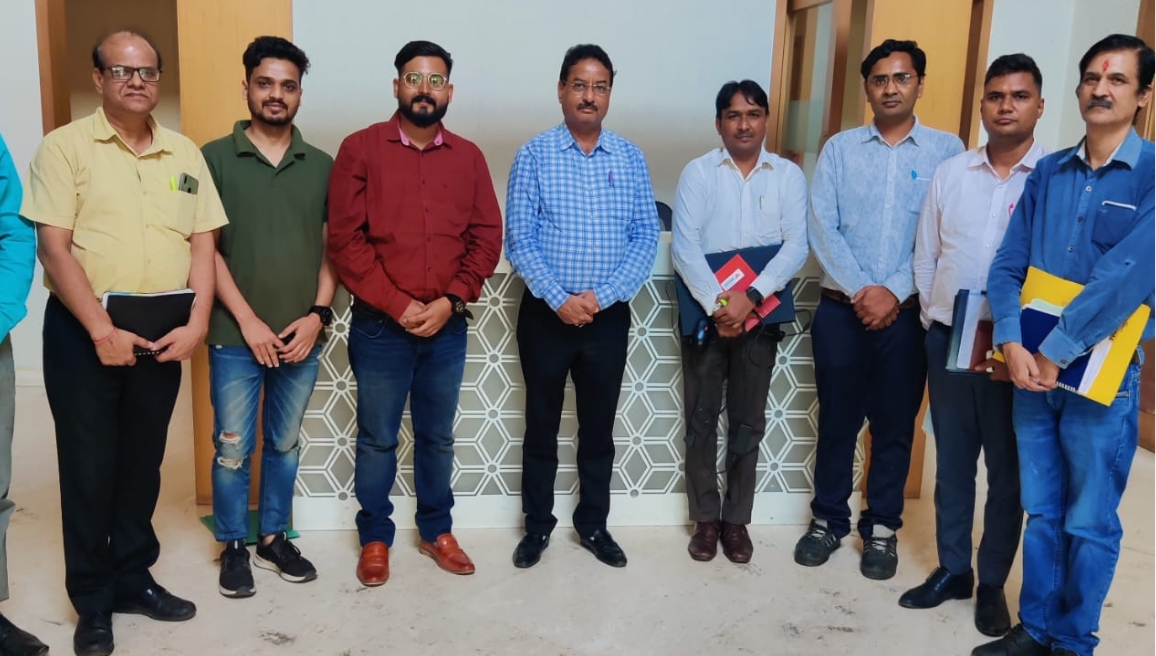
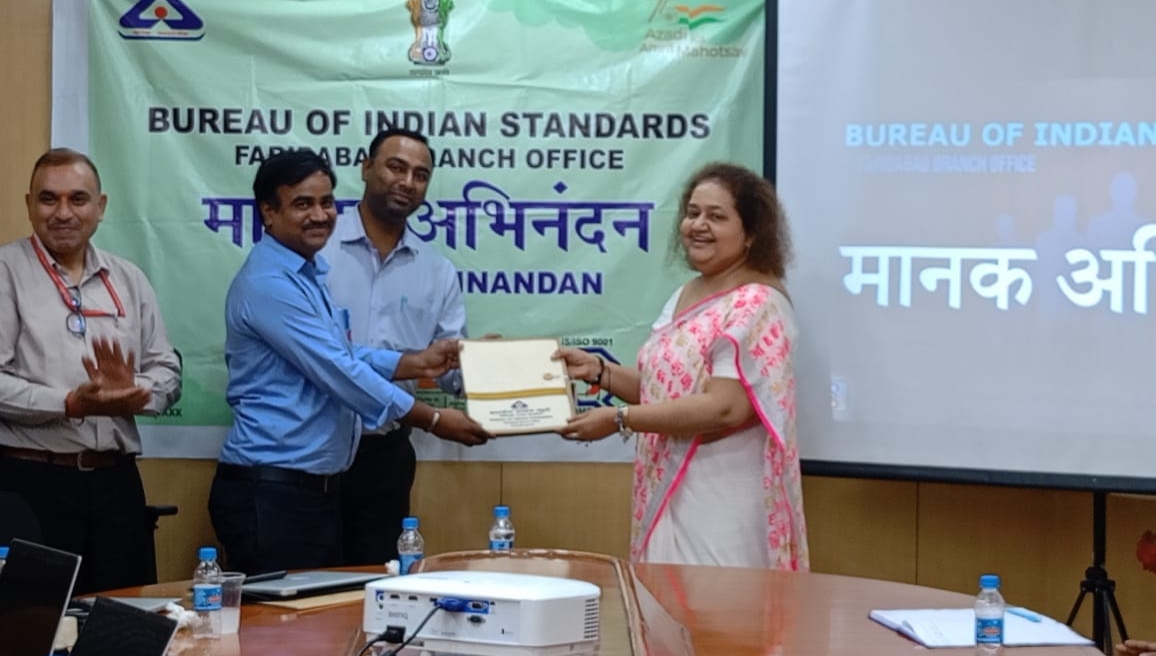
Our teams work inside factories and plants across India and abroad - inspections, audits and certification milestones spanning BIS, global schemes and the full compliance stack you see on this site.




What our clients say
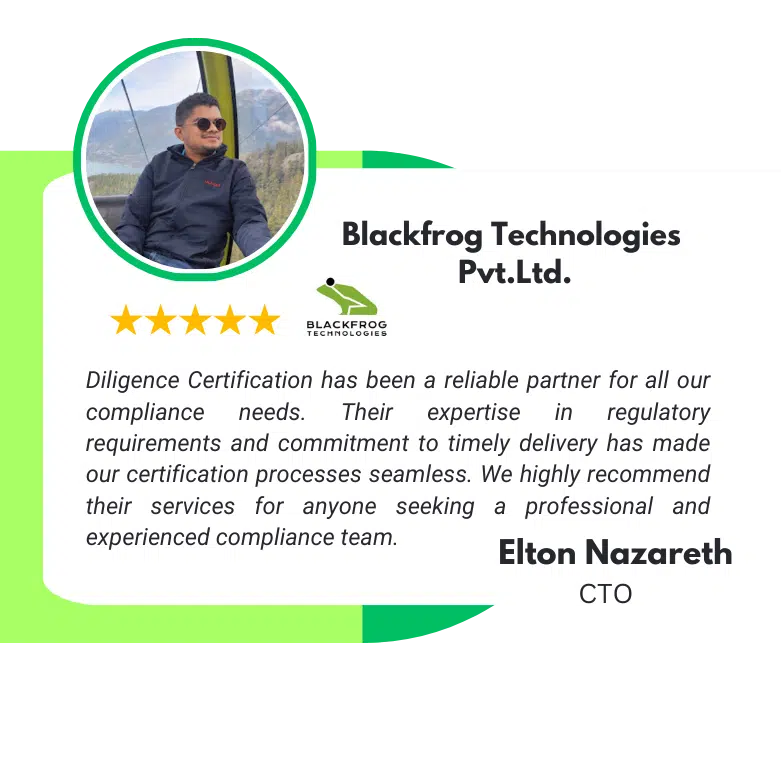
Reviews and feedback from businesses that have worked with Diligence Certifications.









Related IP & Licensing services
Trademark Registration
Protect your brand - trademark registration.
View details →PSARA License
Private Security Agency license under PSARA.
View details →Brand Name Registration
Register your brand name as a trademark under the Trade Marks Act, 1999.
View details →Copyright Assignment
A clear guide to Copyright Assignment under the Copyright Act, 1957: what it is, Sections.
View details →Copyright Licensing
A guide to copyright licensing in India under the Copyright Act, 1957: voluntary, compulsory.
View details →Copyright Objection
Received a copyright objection or discrepancy notice?
View details →Ready to get Indian Patent Search?
Talk to our experts for a clear, fixed-scope plan - most clients get a roadmap the same day.