 BIS Certification
 CDSCO
CDSCO
 PESO
PESO
 CPCB
CPCB
 LMPC
LMPC
 WPC Approval
 Global Approvals
 TEC
TEC
 ARAI
ARAI
 BEE
BEE
 ISO Certification
 DGCA Certification
 NOC For Steel
 APEDA Registration











 Business Registration
 FSSAI Mark Certification


 (32).jpg)
 Legal Services
 Trademark Registration
 Copyright Registration
 Patent Registration
Copyright Registration
Copyright Registration under the Copyright Act, 1957 gives your original literary, artistic, musical, software and cinematographic works legally recognised ownership...
Get expert consultation
Trusted by 25,000+ leading enterprises worldwide








Key takeaways
- Copyright Registration in India is governed by the Copyright Act, 1957 and the Copyright Rules, 2013.
- It is administered by the Copyright Office under the Registrar of Copyrights, part of the DPIIT.
- Copyright exists automatically on creation, but registration provides legal proof of ownership and is invaluable in court.
- It protects literary, dramatic, musical and artistic works, software, sound recordings and cinematograph films.
- Applications are filed online through the copyright.gov.in portal in Form XIV.
- For most works, protection lasts the author’s lifetime plus 60 years.
- A registered copyright can be assigned, licensed or used to claim statutory damages against infringers.
What is Copyright Registration?
Copyright is a legal right granted to the creator of an original work that controls how that work is reproduced, published, performed, adapted or communicated to the public. In India, copyright comes into existence automatically the moment an original work is created and fixed in a tangible form, so registration is not mandatory.
However, registering the work with the Copyright Office creates an official public record of ownership. The entry in the Register of Copyrights serves as prima facie evidence in a court of law, making it far easier to enforce your rights, prove the date of creation and pursue anyone who copies your work without permission.
Works that can be registered
- Literary works: books, articles, manuscripts
- Computer software, code and databases
- Musical works and compositions
- Artistic works: paintings, logos, drawings, photographs
- Sound recordings
- Cinematograph films and audio-visual content
Classes of work under the Act
The Copyright Act, 1957 classifies protectable works into distinct categories. The class of work decides the application form details, the supporting copies you must file and the term of protection.
| Class of work | Examples |
|---|---|
| Literary (non-software) | Books, novels, articles, scripts, poems, manuals |
| Literary (software) | Computer programmes, source code, apps, databases |
| Artistic | Logos, paintings, drawings, maps, photographs, designs |
| Class of work | Examples |
|---|---|
| Musical | Original compositions, notations, jingles |
| Sound recording | Songs, podcasts, audio tracks |
| Cinematograph film | Films, advertisements, video content |
Who needs copyright registration?
Anyone who creates or commercially exploits original creative work benefits from a registered copyright. It is especially important when the work has commercial value or is shared publicly.
Authors and writers
Books, blogs, scripts, research papers and manuscripts.
Software developers
Applications, source code, websites and databases.
Musicians and composers
Songs, lyrics, compositions and sound recordings.
Artists and designers
Logos, illustrations, photographs and brand artwork.
Film and media houses
Films, advertisements and audio-visual productions.
Businesses and startups
Marketing content, product literature and proprietary material.
Why register your copyright
While copyright protection arises automatically, an unregistered work is hard to defend. Registration converts an abstract right into documented, enforceable ownership recorded with the Government of India.
What registration gives you
- Legal proof of ownership that stands as prima facie evidence in court.
- Stronger enforcement against piracy, plagiarism and infringement.
- Commercial value through the right to assign or licence the work.
- Public record of the creation date and authorship.
- Statutory remedies, including injunctions and damages.
The registration process, step by step
The entire process is online through the Copyright Office portal at copyright.gov.in. We manage the filing, follow-ups and objections on your behalf.
Filing
Prepare
Identify the correct class of work and compile the work copy and applicant details.
File Form XIV
Submit the application online with the statement of particulars and pay the prescribed fee.
Diary number
A diary number is issued on submission, marking the start of the mandatory waiting period.
Examination & grant
Waiting period
A 30-day window allows any objections to be raised against the application.
Examination
If no objection arises, the examiner scrutinises the application; discrepancies are raised for response.
Registration
Once cleared, the work is entered in the Register of Copyrights and the certificate is issued.
Documents required
- Name, address and nationality of the applicant
- Nature of the applicant’s interest in the work (author, owner, assignee)
- Two copies of the work being registered
- For software: source code and object code extracts
- For artistic works used as a trademark: a No Objection Certificate from the Trade Marks Registry
- Power of Attorney authorising the agent to file
- No Objection Certificate from the author, if the applicant is not the author
- Details of any publication and the year of first publication
Validity & term
- For literary, dramatic, musical and artistic works, protection lasts the author’s lifetime plus 60 years.
- For sound recordings, films, photographs and posthumous works, the term is 60 years from the year of publication.
- A registration does not require renewal during its term.
- The owner may assign or licence the rights at any time during the term.
Protecting a brand asset too? See our Trademark Registration service.
Fees & timeline
The government fee is charged per work and varies with the class of work and the intended use, such as software, artistic works or sound recordings. The typical components are:
| Component | Details |
|---|---|
| Government fee | Statutory fee payable per work, depending on the class of work |
| Professional fee | Preparation, filing and handling of objections or discrepancies |
| Mandatory waiting period | 30 days from filing for any objections to be raised |
| Overall timeline | Commonly a few months end to end, subject to objections and examination |
Not sure which class your work falls under?
Tell us what you have created, and we will identify the correct class, prepare Form XIV and file it for you with the Copyright Office.
Your copyright partner, end to end
From identifying the right class of work to clearing examiner discrepancies, our IP team manages the full registration so you can focus on creating. We have helped authors, developers, studios and brands secure their rights without the back and forth.
- Correct classification of your work the first time, avoiding rejections.
- Accurate Form XIV filing with a complete statement of particulars.
- Objection and discrepancy handling drafted and submitted by experts.
- Transparent updates from diary number to final certificate.
Copyright registration in India is handled by the Copyright Office, Government of India.
Frequently asked questions
Is copyright registration mandatory in India?
No. Copyright protection arises automatically the moment an original work is created. Registration is optional, but it provides documented proof of ownership that is treated as prima facie evidence in court and makes infringement far easier to enforce.
Which authority handles copyright registration?
The Copyright Office, headed by the Registrar of Copyrights under the Department for Promotion of Industry and Internal Trade (DPIIT), administers registration under the Copyright Act, 1957. Applications are filed online at copyright.gov.in.
How long does copyright protection last?
For literary, dramatic, musical and artistic works, protection generally lasts the author’s lifetime plus 60 years. For sound recordings, cinematograph films, photographs and posthumous works, the term is 60 years from the year of publication.
Can software and source code be copyrighted?
Yes. Computer programmes are protected as literary works under the Copyright Act, 1957. You can register the source code, object code and related material to safeguard your software.
What is the difference between copyright and a trademark?
Copyright protects original creative works such as books, music, art and software, whereas a trademark protects brand identifiers like names, logos and slogans. A logo used as a brand may need both, and an NOC from the Trade Marks Registry where it doubles as a mark.
Can a registered copyright be transferred?
Yes. The owner can assign the copyright outright or grant a licence to others, in whole or in part, for the full term or a limited period, through a written agreement.
Why choose Diligence Certification?
For compliance and credibility, Diligence is much more than a checklist - we give you real confidence in your business. We examine your legal, financial and operational status, so you are not just certified, but trusted.
Stronger risk protection
Spot hidden legal, financial or operational risks early - fix problems before they become threats.
Earn stakeholder trust
From investors to customers, people want to work with businesses that play by the rules.
Stay legally aligned
Compliant not just on products but on labour, environmental and tax laws too.
Enhance brand reputation
Show the world you operate with integrity and transparency.
Stand out from competitors
In a crowded market, credibility is your biggest edge.
24×7 expert support
A 100+ strong service team guiding you at every step, free first consultation.
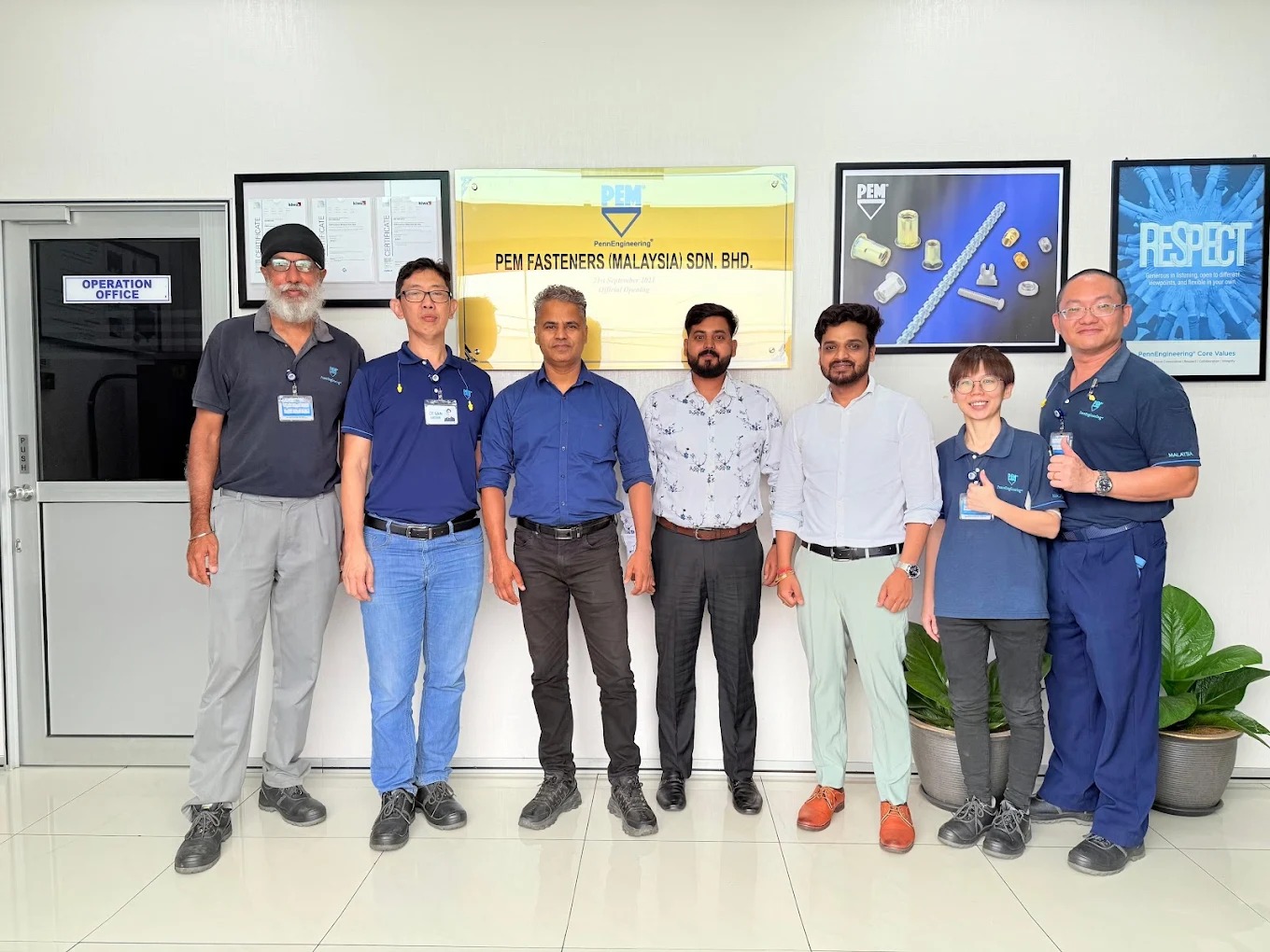
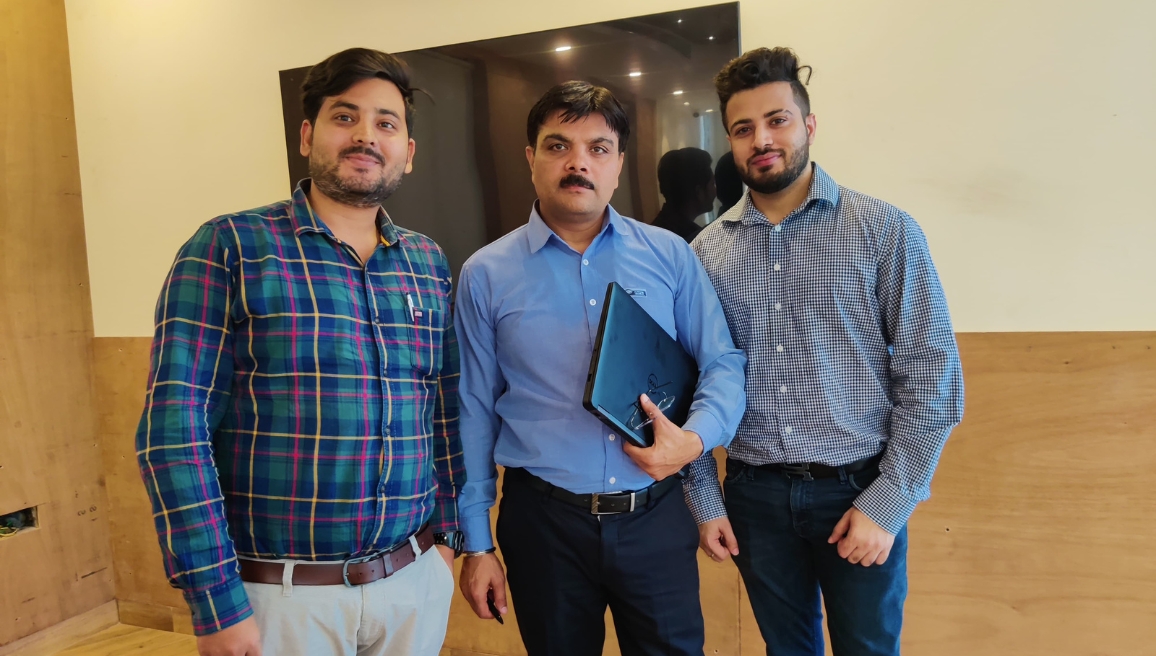
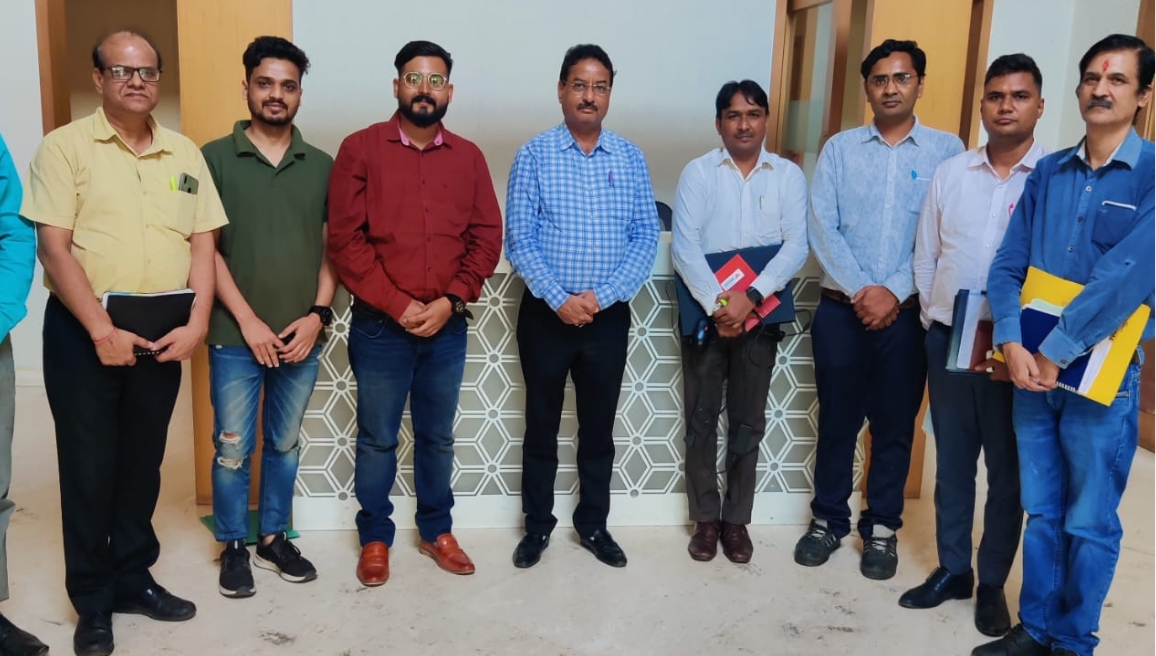
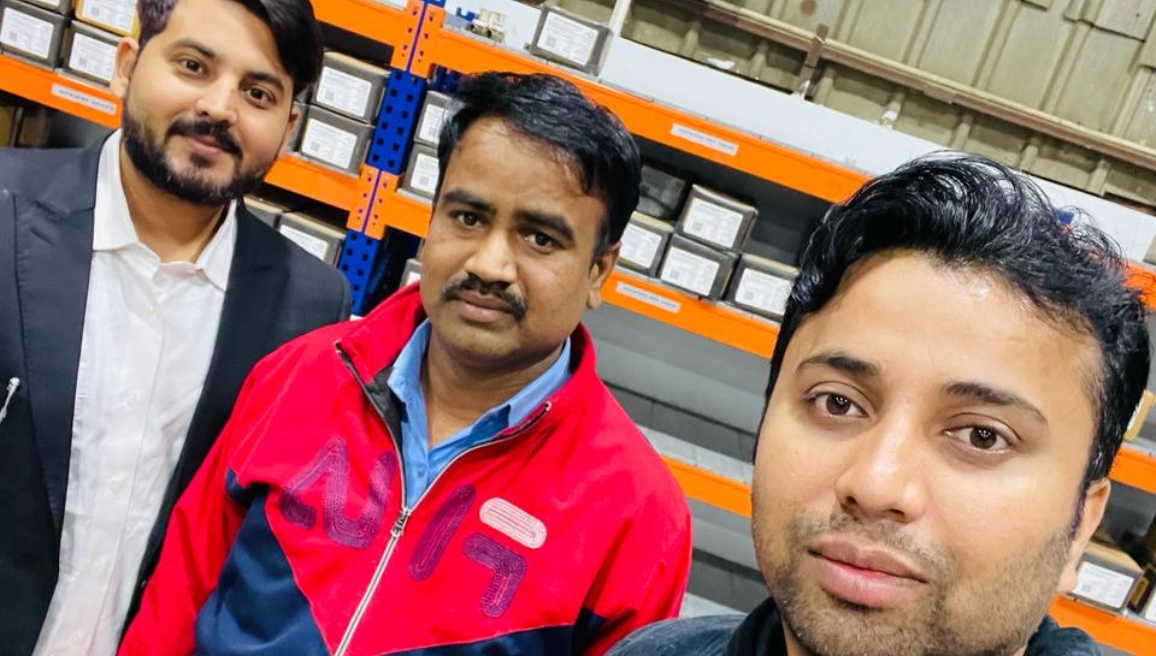
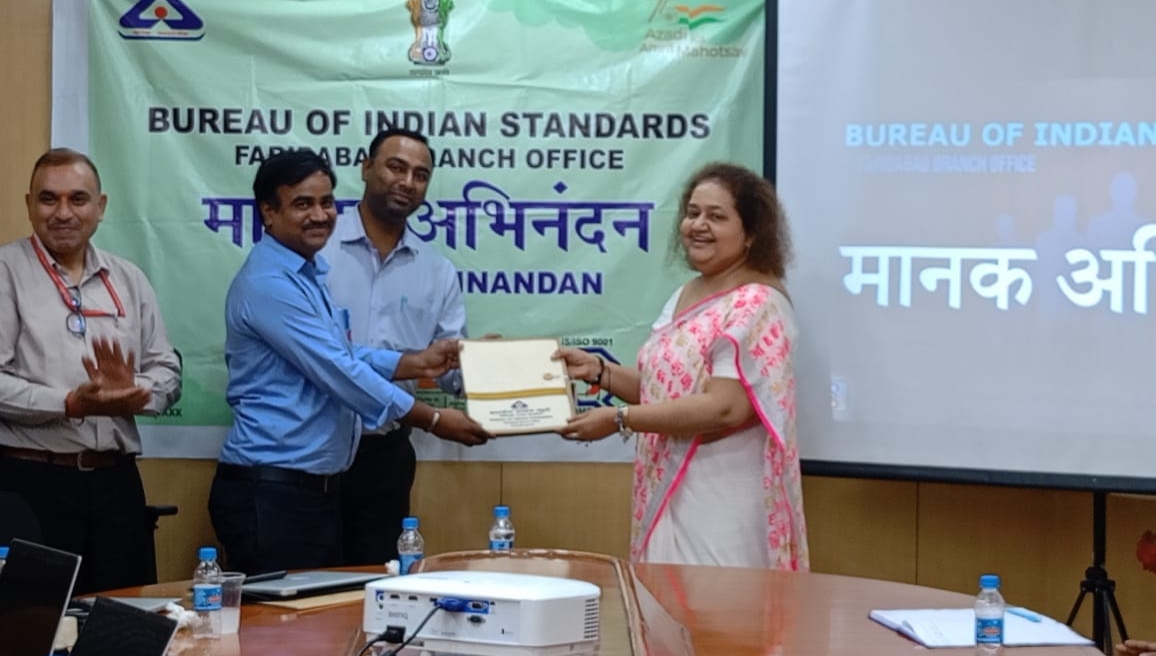
Real sites, real certifications
Our teams work inside factories and plants across India and abroad - inspections, audits and certification milestones spanning BIS, global schemes and the full compliance stack you see on this site.


What our clients say
Reviews and feedback from businesses that have worked with Diligence Certifications.






Related IP & Licensing services
Trademark Registration
Protect your brand - trademark registration.
View details →PSARA License
Private Security Agency license under PSARA.
View details →Brand Name Registration
Register your brand name as a trademark under the Trade Marks Act, 1999.
View details →Copyright Assignment
A clear guide to Copyright Assignment under the Copyright Act, 1957: what it is, Sections.
View details →Copyright Licensing
A guide to copyright licensing in India under the Copyright Act, 1957: voluntary, compulsory.
View details →Copyright Objection
Received a copyright objection or discrepancy notice?
View details →Ready to get Copyright Registration?
Talk to our experts for a clear, fixed-scope plan - most clients get a roadmap the same day.