 BIS Certification
 CDSCO
CDSCO
 PESO
PESO
 CPCB
CPCB
 LMPC
LMPC
 WPC Approval
 Global Approvals
 TEC
TEC
 ARAI
ARAI
 BEE
BEE
 ISO Certification
 DGCA Certification
 NOC For Steel
 APEDA Registration























 Business Registration
 FSSAI Mark Certification












 (32).jpg)
 Legal Services
 Trademark Registration
 Copyright Registration
 Patent Registration
Plastic Waste Compliance
Plastic Waste Compliance is mandatory under the Plastic Waste Management Rules, 2016 (amended 2022) and the Extended Producer Responsibility framework....
Get expert consultation
Trusted by 25,000+ leading enterprises worldwide









Key takeaways
- Plastic Waste Compliance is mandated under the Plastic Waste Management Rules, 2016 (amended 2022).
- It applies to Producers, Importers and Brand Owners (PIBOs) and to Plastic Waste Processors (PWPs).
- It is driven by Extended Producer Responsibility (EPR), which holds businesses accountable for the full lifecycle of plastic packaging.
- Registration is filed on the Centralized Online EPR Portal of the CPCB, or with the SPCB or PCC for one or two states.
- It focuses on the collection, recycling and safe disposal of plastic waste.
- Non-compliance brings environmental compensation, penalties, licence cancellation and legal action.
- Compliance builds a sustainability reputation and supports India’s circular economy goals.
What is Plastic Waste Compliance?
Plastic Waste Compliance is a mandatory requirement under the Plastic Waste Management Rules, 2016 (amended in 2022), ensuring that producers, importers, brand owners and plastic waste processors take responsibility for the collection, recycling and environmentally safe disposal of plastic.
It is primarily driven by Extended Producer Responsibility (EPR), which makes the manufacturer responsible for the complete lifecycle of plastic products until they become waste after use by the end consumer. India generates an estimated 5.6 million tonnes of plastic waste per year, and EPR holds Producers, Importers and Brand Owners (PIBOs) accountable for the collection, recycling, reuse or safe disposal of the plastic packaging waste they put on the market.
Who must comply
- Manufacturers producing plastic packaging material
- Importers bringing products with plastic packaging into India
- Brand owners using plastic packaging for their products
- Processors and recyclers of plastic waste (PWPs)
Plastic packaging categories under EPR
Under the Plastic Waste Management Rules, the EPR framework classifies plastic packaging into four categories, each carrying distinct responsibilities for PIBOs.
| Category | Covers |
|---|---|
| Category I: Rigid plastic packaging | Rigid or hard plastic packaging that retains its shape with very limited scope for deformation. |
| Category II: Flexible plastic packaging | Single or multi-layered flexible plastic, plastic sheets or sheet-like materials, covers, carry bags, sachets and pouches. |
| Category III: Multi-layered plastic packaging | Packaging with at least one layer of plastic and at least one layer of a material other than plastic, such as aluminium or paper. |
| Category IV: Compostable plastic | Plastic sheets or sheet-like packaging materials and certified compostable plastic carry bags. |
| Where to register | Who |
|---|---|
| Centralized Online EPR Portal (CPCB) | PIBOs operating in more than two states or UTs. |
| State Pollution Control Board (SPCB) or PCC | PIBOs operating in one or two states or UTs. |
| Plastic Waste Processors (PWPs) | Issue certificates based on the quantity of plastic waste processed, used by PIBOs to prove compliance. |
Benefits of plastic waste compliance
Environmental protection
Keeps plastics out of landfills, oceans and incineration, protecting land, water, air, ecosystems and wildlife.
Resource conservation
Recycling plastics preserves the virgin oil and natural gas they are made from for future generations.
Lower energy use
Recycling plastic into new products consumes less energy and cuts greenhouse gas emissions.
Economic gains
Collection, sorting, processing and manufacturing of recovered plastic create jobs and strengthen local economies.
Healthier public
Reduces ingestion of microplastics and exposure to hazardous chemicals from degrading or burning plastics.
Brand reputation
Aligns your business with sustainability goals and builds credibility with consumers and regulators.
Why plastic waste compliance is required
On 16 February 2022, the Ministry of Environment, Forests and Climate Change published an amendment to the PWM Rules under which PIBOs and Plastic Waste Processors are liable to perform their responsibilities under Schedule II of the amended rules. To meet their EPR targets, PIBOs must engage authorised Plastic Waste Processors and ensure waste management follows the EPR Action Plan. Separately, the manufacture, import, stocking, sale, distribution and use of specified single-use plastic items have been banned since 1 July 2022 under the Plastic Waste Management (Amendment) Rules, 2021.
What non-compliance can cost you
- Environmental compensation imposed at CPCB level.
- Heavy penalties under the rules and regulatory measures.
- Cancellation of the operating licence and related restrictions.
- Criminal disputes and offences against the business.
The registration process, step by step
EPR registration for plastic waste is filed online and assessed by the relevant authority before a certificate is granted.
EPR registration
Register on the EPR portal
Get registered on the CPCB EPR portal, which routes the application to the concerned departments.
Prepare details
Collect and present the prescribed forms, including company particulars, GST and product details.
Plan
Design a comprehensive Plastic Waste Management Plan and EPR Action Plan.
Approval
Await review; the EPR certificate is granted once it is successfully passed.
Authorisation review
Application submission
Submit the online application for plastic waste management authorisation with all requisite documents via the designated portal.
Verification
The concerned SPCB or UTPCC verifies and inspects the submitted application.
Document examination
The documents submitted are examined in detail.
Decision
The SPCB or UTPCC either approves or refuses the authorisation for plastic waste management.
Documents required
- PAN, GST, CIN and IEC (IEC for importers)
- Aadhaar or PAN of the authorised person
- DIC registration
- Process flow diagrams (for producers and PWPs only)
- Consents issued by SPCB or PCC (if the unit has a production facility)
- Scanned signatures of authorised persons
- Geo-tagged pictures of raw material storage, production, dispatch areas and plant machinery
- Product details and Plastic Waste Generation Report
- EPR Compliance Plan for Plastic Waste Management
Validity & renewal
- The original registration is valid for one year, while the renewed registration is valid for three years.
- PIBOs can apply for renewal with all required documents four months before the expiry date.
- The registration can be cancelled or suspended at any time if false documents are discovered.
- EPR compliance must be maintained in line with CPCB regulations throughout the term.
Need related environmental approvals? See our Battery Waste, Electronic Waste and Oil Waste EPR services.
Scope of your obligations
PIBOs carry two-fold responsibilities to meet their EPR targets and demonstrate compliance.
- Engage authorised Plastic Waste Processors (PWPs) for collection and recycling.
- Ensure waste management is carried out according to the EPR Action Plan.
- Use the certificates issued by PWPs, based on plastic waste processed, to prove compliance with the target.
- Maintain records and avoid environmental compensation by meeting prescribed targets.
Not sure which EPR category applies to you?
Tell us whether you produce, import or own a brand using plastic packaging, and we will map your category, documents and timeline for CPCB or SPCB registration.
The Plastic Waste Management Rules and EPR portal are administered by the Central Pollution Control Board (CPCB).
Frequently asked questions
What is EPR registration for plastic packaging?
EPR registration relates to plastic packaging and was established under the Plastic Waste Management Rules, 2016 (amended in 2022). It makes it mandatory for Producers, Importers and Brand Owners (PIBOs) to provide evidence that they collected, recycled and disposed of plastic waste in an environmentally sound manner.
Is EPR registration compulsory?
Yes. EPR registration for plastic waste is compulsory under CPCB guidelines for manufacturers producing plastic packaging material, importers bringing products with plastic packaging into India, brand owners using plastic packaging, and processors and recyclers of plastic waste.
Where do PIBOs need to register?
PIBOs operating in more than two states or UTs register on the Centralized Online EPR Portal developed by the CPCB. Those operating in one or two states or UTs register with the relevant State Pollution Control Board (SPCB) or Pollution Control Committee (PCC).
What are the categories of plastic packaging under EPR?
There are four categories: Category I rigid plastic packaging, Category II flexible plastic packaging (single and multi-layer), Category III multi-layered plastic packaging composed of other materials, and Category IV compostable plastic packaging.
How long is the registration valid?
The original registration is for one year and the renewed registration is for three years. PIBOs can apply for renewal with all required documents four months before the expiry date.
What happens if I do not comply?
Non-compliance can lead to heavy penalties and environmental compensation at CPCB level, cancellation of the operating licence with related restrictions, and criminal disputes and offences.
Why choose Diligence Certification?
For compliance and credibility, Diligence is much more than a checklist - we give you real confidence in your business. We examine your legal, financial and operational status, so you are not just certified, but trusted.
Stronger risk protection
Spot hidden legal, financial or operational risks early - fix problems before they become threats.
Earn stakeholder trust
From investors to customers, people want to work with businesses that play by the rules.
Stay legally aligned
Compliant not just on products but on labour, environmental and tax laws too.
Enhance brand reputation
Show the world you operate with integrity and transparency.
Stand out from competitors
In a crowded market, credibility is your biggest edge.
24×7 expert support
A 100+ strong service team guiding you at every step, free first consultation.
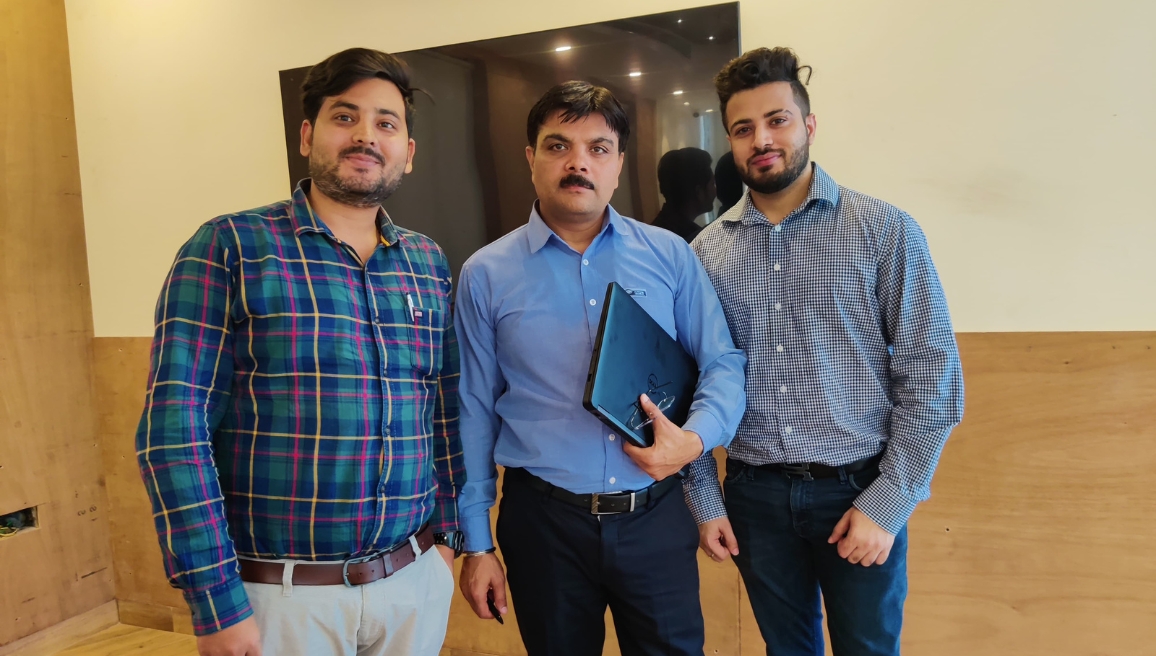
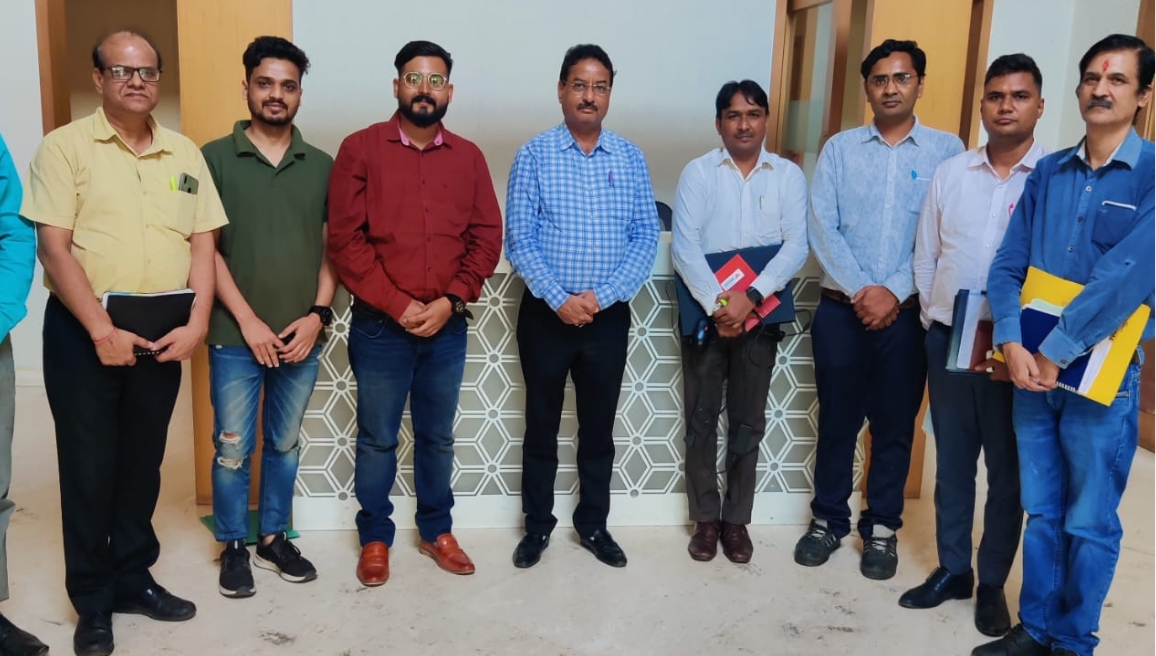
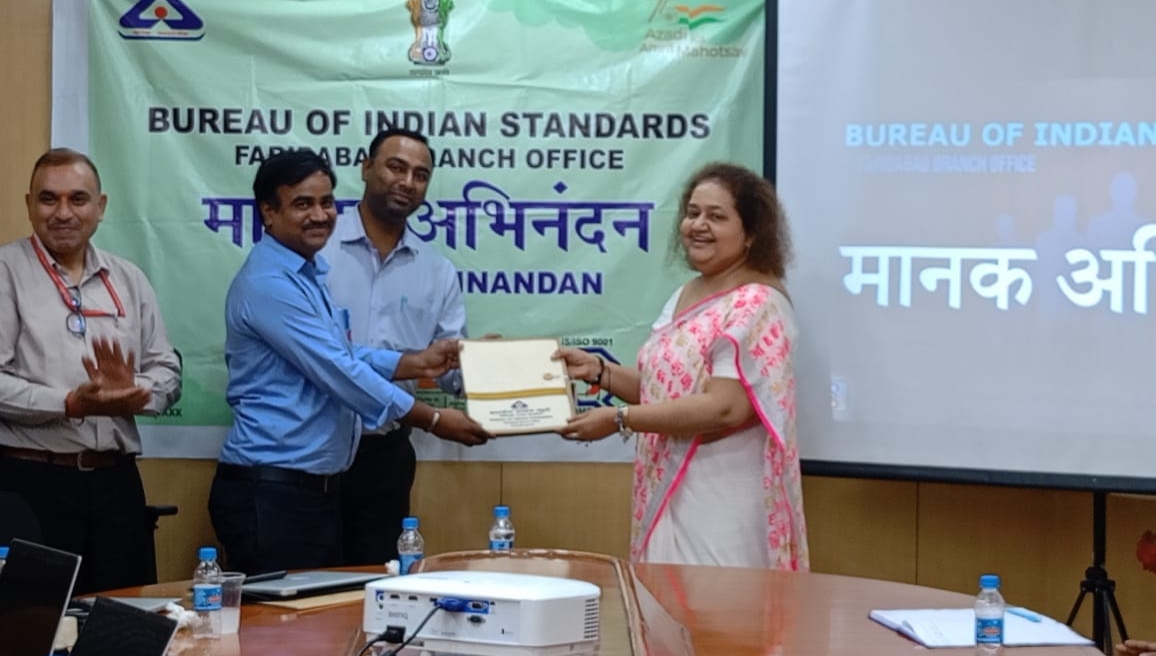
Real sites, real certifications
Our teams work inside factories and plants across India and abroad - inspections, audits and certification milestones spanning BIS, global schemes and the full compliance stack you see on this site.




What our clients say
Reviews and feedback from businesses that have worked with Diligence Certifications.







Related CPCB / Environmental services
CPCB Certification
CPCB Certification & environmental compliance.
View details →Battery Waste Compliance
EPR registration & compliance for battery waste.
View details →E-waste Certification
E-waste EPR registration and certification.
View details →Tyre Waste Management
Tyre Waste Management & EPR registration.
View details →EPR for Used Oil
EPR registration for used oil in India.
View details →No Objection Certificate
NOC from environmental authorities - quick processing.
View details →Ready to get Plastic Waste Compliance?
Talk to our experts for a clear, fixed-scope plan - most clients get a roadmap the same day.