 BIS Certification
 CDSCO
CDSCO
 PESO
PESO
 CPCB
CPCB
 LMPC
LMPC
 WPC Approval
 Global Approvals
 TEC
TEC
 ARAI
ARAI
 BEE
BEE
 ISO Certification
 DGCA Certification
 NOC For Steel
 APEDA Registration























 Business Registration
 FSSAI Mark Certification












 (32).jpg)
 Legal Services
 Trademark Registration
 Copyright Registration
 Patent Registration
Civil law
Civil law in India governs disputes between private parties over contracts, property, money, family and tort, and is decided under...
Get expert consultation
Trusted by 25,000+ leading enterprises worldwide













Key takeaways
- Civil law in India resolves private disputes over contracts, property, money, family and tort, rather than punishing crimes.
- The procedure for civil cases is set out in the Code of Civil Procedure, 1908 (CPC).
- Substantive rights flow from statutes such as the Indian Contract Act, 1872, the Transfer of Property Act, 1882 and the Specific Relief Act, 1963.
- A civil case usually begins with a plaint filed before the court of competent jurisdiction, often preceded by a legal notice.
- The Limitation Act, 1963 fixes time limits within which a suit must be filed, so acting early matters.
- Remedies include damages, injunctions, specific performance, recovery and declaration of rights.
- Diligence Certifications can assist you at any stage, from notice and filing to trial, appeal and execution.
Understanding civil law in India
Civil law in India deals with disputes between private individuals, businesses and organisations. Unlike criminal law, which punishes wrongs against society, civil law is concerned with protecting private rights and providing relief to the party who has suffered a loss. The aim is not to punish but to put the wronged party, as far as money or an order of the court can, back in the position they should have been in.
The state does not prosecute in a civil matter. Instead, the aggrieved party, called the plaintiff, brings the action against the other party, called the defendant. The standard of proof is the balance of probabilities, which is lower than the proof beyond reasonable doubt required in a criminal trial.
Primary sources of civil law
- Code of Civil Procedure, 1908, the rules governing how civil suits are filed and tried
- Indian Contract Act, 1872, governing agreements and their breach
- Transfer of Property Act, 1882, governing dealings in immovable property
- Specific Relief Act, 1963, providing remedies such as specific performance and injunctions
- Limitation Act, 1963, fixing the time limits for filing suits
- Indian Evidence Act, governing the proof of facts before the court
Common kinds of civil suit
Civil matters cover a wide field. These are the categories you are most likely to encounter, each governed by its own substantive law.
| Type of suit | What it concerns |
|---|---|
| Contract disputes | Breach of an agreement, recovery of dues, damages |
| Property and title | Ownership, possession, partition and boundary disputes |
| Recovery of money | Suits to recover unpaid loans, dues or compensation |
| Type of suit | What it concerns |
|---|---|
| Tort claims | Negligence, nuisance, defamation and other civil wrongs |
| Family and succession | Maintenance, partition, inheritance and guardianship |
| Declaration and injunction | Establishing a right or restraining an act |
The relief a civil court can grant
Damages
Monetary compensation for the loss caused by a breach of contract or a civil wrong.
Specific performance
An order compelling a party to perform an agreement, available under the Specific Relief Act, 1963.
Injunction
An order restraining a party from doing an act, or directing them to do one, often granted to preserve the status quo.
Declaration
A formal pronouncement of a legal right or status, such as ownership of property.
Possession and recovery
Restoring possession of property or recovering money lawfully due.
Partition
Division of jointly held property among co-owners according to their shares.
The civil court hierarchy
A civil suit must be filed in the court of competent jurisdiction, decided by the subject matter, the value of the claim and the place where the cause of action arose. From the trial court, the matter can travel upwards through appeals.
- Court of Civil Judge: the trial court that hears most civil suits at first instance, by value
- District Court: the principal civil court of original jurisdiction in the district and the first appellate court
- High Court: hears appeals, revisions and writs, and original matters above a threshold
- Supreme Court of India: the apex court for civil appeals on substantial questions of law
- Specialised forums: consumer commissions, tribunals and arbitral tribunals for specific disputes
The civil suit process
From a legal notice to the final decree, the Code of Civil Procedure sets out the journey. We guide you through each stage.
From notice to decree
Legal notice
A demand is sent to the other side stating the grievance and the relief sought, often resolving matters before litigation.
Plaint filed
The plaintiff files a plaint setting out the facts, the cause of action and the relief, before the court of competent jurisdiction.
Written statement
The defendant is summoned and files a written statement answering the claim and raising any counterclaim.
Trial and decree
Issues are framed, evidence is led and arguments heard, after which the court delivers judgment and passes a decree.
How we help
Assess the claim
We examine the documents, advise on the merits and on limitation, and identify the right court or forum.
Draft and file
We draft a clear plaint or written statement and supporting applications, and file them correctly.
Conduct the trial
We lead evidence, cross-examine witnesses and argue the matter before the court.
Appeal and execution
Where needed, we pursue appeals or execute the decree to realise the relief granted.
What you should keep ready
- The agreement, deed or document at the heart of the dispute
- Correspondence, emails and any legal notice exchanged
- Proof of payment, receipts, invoices or bank statements
- Title documents and records of possession for property matters
- Identity and address proof of the parties
- Details and statements of any witnesses
Limitation & time limits
- The Limitation Act, 1963 fixes the period within which a suit must be filed.
- Suits for breach of contract are generally to be filed within three years of the breach.
- Suits relating to immovable property carry longer periods, often up to twelve years.
- A claim filed after the limitation period can be dismissed as time-barred, so act early.
Related matters? See our Legal Notice, Consumer Court and Arbitration Handling services.
Two different tracks
It helps to know which track a problem belongs to, because the same set of facts can sometimes give rise to both a civil and a criminal action.
- Civil law settles private disputes such as contracts, property and recovery of money
- Criminal law punishes wrongs against the public such as theft and assault
- In a civil case the aggrieved party sues; in a criminal case the state prosecutes
- Civil cases are decided on the balance of probabilities, a lower standard than criminal proof
- A civil court awards compensation or an order; a criminal court can impose a fine or imprisonment
For the other track, see our Criminal Law service.
Why work with Diligence Certifications
- Experience across contract, property, recovery and family disputes
- Careful drafting of plaints, written statements and applications
- Clear advice on merits, limitation and the right forum from the outset
- Transparency in fees and regular updates on your matter
A civil dispute is won as much in the drafting and the documents as in the courtroom. We give you an objective view of your position, prepare your pleadings with care, and represent you through trial, appeal and execution. Where a negotiated settlement or arbitration serves you better than a long trial, we will say so.
Facing a civil dispute?
Whether it is a breach of contract, a property dispute or recovery of money, our civil legal team will explain your options and handle your case from the notice stage through to execution.
The civil statutes of India are published on India Code.
Frequently asked questions
What is civil law?
Civil law deals with disputes between private parties over rights and obligations, such as contracts, property, money and family matters. It aims to give relief to the wronged party rather than to punish, and is governed mainly by the Code of Civil Procedure, 1908.
How does a civil case begin?
A civil case usually begins with a legal notice to the other side, followed by the filing of a plaint before the court of competent jurisdiction. The court then summons the defendant, who files a written statement in reply.
What is the difference between civil and criminal law?
Civil law resolves private disputes and awards compensation or orders such as injunctions, while criminal law punishes offences against society with fines or imprisonment. In a civil case the aggrieved party sues; in a criminal case the state prosecutes.
Is there a time limit to file a civil suit?
Yes. The Limitation Act, 1963 fixes the period within which a suit must be filed. For example, a suit for breach of contract is generally filed within three years, while property matters can have longer periods. A claim filed late may be dismissed as time-barred.
What remedies can a civil court grant?
A civil court can award damages, order specific performance of a contract, grant an injunction, declare a legal right, order partition or restore possession, and direct the recovery of money lawfully due.
How long does a civil case take?
The time depends on the complexity of the dispute, the evidence involved and the caseload of the court. Many matters can also be resolved faster through settlement, mediation or arbitration, which we will recommend where it serves you better.
Why choose Diligence Certification?
For compliance and credibility, Diligence is much more than a checklist - we give you real confidence in your business. We examine your legal, financial and operational status, so you are not just certified, but trusted.
Stronger risk protection
Spot hidden legal, financial or operational risks early - fix problems before they become threats.
Earn stakeholder trust
From investors to customers, people want to work with businesses that play by the rules.
Stay legally aligned
Compliant not just on products but on labour, environmental and tax laws too.
Enhance brand reputation
Show the world you operate with integrity and transparency.
Stand out from competitors
In a crowded market, credibility is your biggest edge.
24×7 expert support
A 100+ strong service team guiding you at every step, free first consultation.
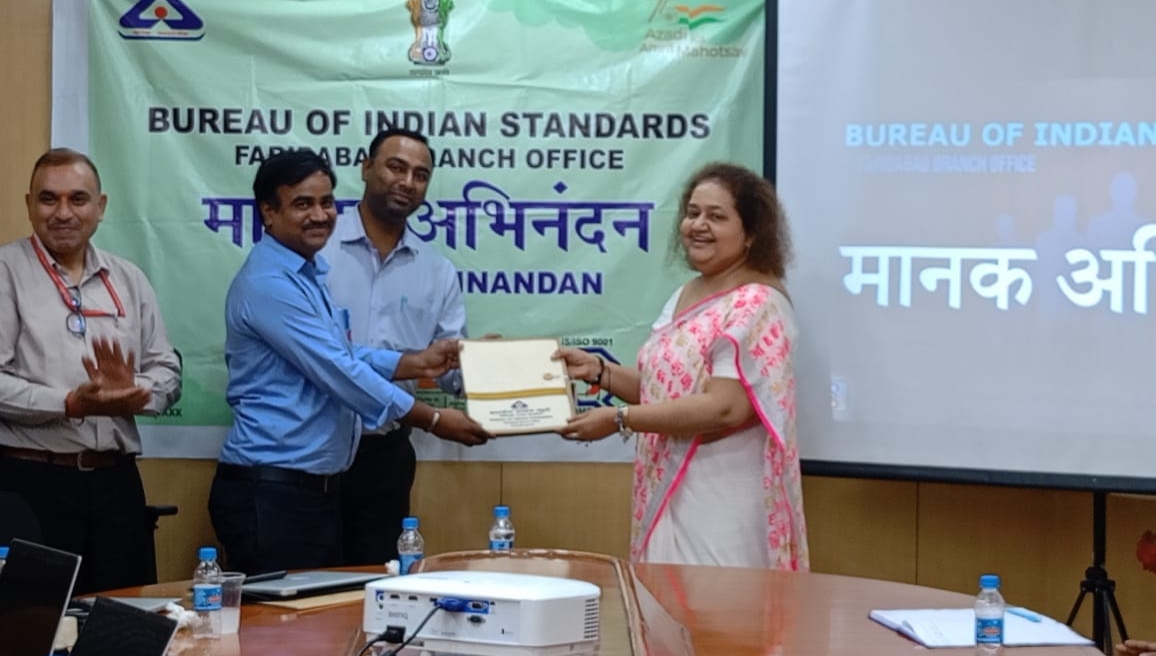
Real sites, real certifications
Our teams work inside factories and plants across India and abroad - inspections, audits and certification milestones spanning BIS, global schemes and the full compliance stack you see on this site.






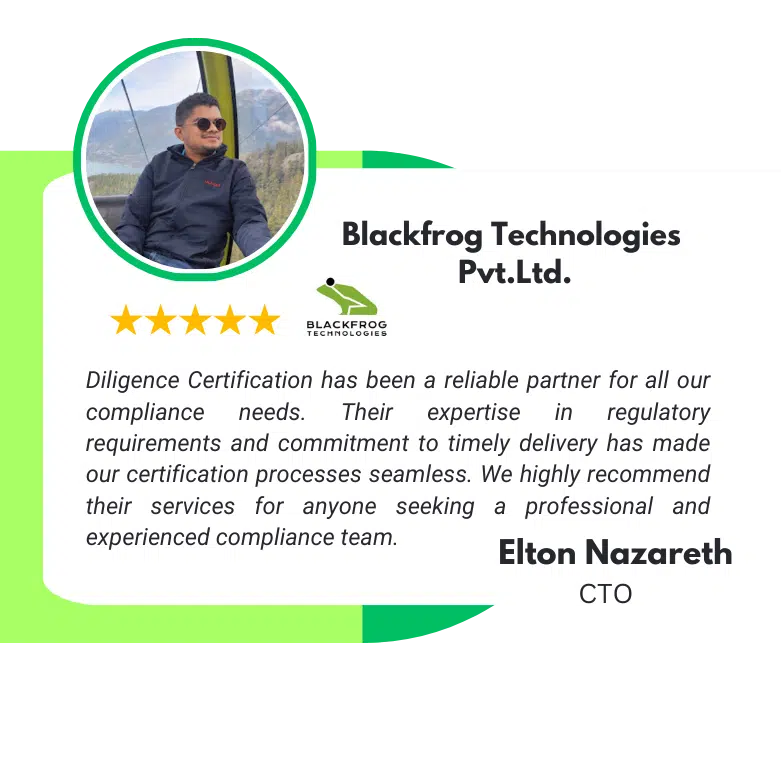
What our clients say
Reviews and feedback from businesses that have worked with Diligence Certifications.









Related Litigation & Courts services
RERA Complaint
Resolve builder disputes via RERA Complaint filing.
View details →Public Interest Litigation
PIL filing - meaning, process & complete guide.
View details →Caveat Petition
File Caveat Petition under CPC to avoid ex-parte orders.
View details →Consumer Court
File consumer complaints - process & guidance.
View details →Special Leave Petition
File SLP under Article 136 of the Constitution.
View details →Bail Application
File bail application - step-by-step guidance.
View details →Ready to get Civil law?
Talk to our experts for a clear, fixed-scope plan - most clients get a roadmap the same day.