 BIS Certification
 CDSCO
CDSCO
 PESO
PESO
 CPCB
CPCB
 LMPC
LMPC
 WPC Approval
 Global Approvals
 TEC
TEC
 ARAI
ARAI
 BEE
BEE
 ISO Certification
 DGCA Certification
 NOC For Steel
 APEDA Registration























 Business Registration
 FSSAI Mark Certification












 (32).jpg)
 Legal Services
 Trademark Registration
 Copyright Registration
 Patent Registration
Marriage Registration
Marriage registration gives your marriage official legal recognition through a government-issued marriage certificate. We handle the entire process under the...
Get expert consultation
Trusted by 25,000+ leading enterprises worldwide













Key takeaways
- Marriage registration produces a government-issued marriage certificate, the official legal proof of your marriage.
- It is governed by the Hindu Marriage Act, 1955 for Hindus, Buddhists, Jains and Sikhs, and the Special Marriage Act, 1954 for inter-faith, civil and other marriages.
- Registration is handled by the Registrar of Marriages under the relevant State government, often via a State e-District or marriage portal.
- Several states and Supreme Court directions make registration compulsory, regardless of religion.
- Under the Special Marriage Act, a 30-day public notice is required before solemnisation and registration.
- A registered certificate simplifies passports, visas, banking, insurance, property and inheritance claims.
What is marriage registration?
Marriage registration is the legal recording of a marriage with the appropriate government authority, which then issues a marriage certificate. The certificate is conclusive documentary proof that a valid marriage exists between two people, and it carries weight across India and abroad.
A marriage may be registered under one of two laws. The Hindu Marriage Act, 1955 records a marriage already solemnised by Hindu rites and customs. The Special Marriage Act, 1954 provides for a purely civil marriage and registration, available to any two Indians regardless of religion, and is the route for inter-faith and inter-caste couples.
Why couples register their marriage
- Official legal recognition of the marriage
- Mandatory proof for passport and spouse visa applications
- Required for name changes in records and documents
- Support for joint bank accounts, loans and insurance nominations
- Protection of property, maintenance and inheritance rights
- Essential for emigration and dependent-spouse claims abroad
Two routes to registration
Choosing the right Act is the first decision. It depends on the religion of the parties and whether the marriage has already been solemnised by ceremony.
| Hindu Marriage Act, 1955 | Details |
|---|---|
| Who can use it | Hindus, Buddhists, Jains and Sikhs already married by religious rites |
| Nature | Registration of a marriage already solemnised |
| Notice period | No 30-day public notice required |
| Typical timeline | Often faster, as the marriage already exists |
| Special Marriage Act, 1954 | Details |
|---|---|
| Who can use it | Any two Indians, including inter-faith and inter-caste couples |
| Nature | Civil solemnisation and registration of the marriage |
| Notice period | 30-day public notice before solemnisation |
| Typical timeline | Longer, owing to the mandatory notice window |
For a deeper look at the personal law, see our Hindu Marriage Act, 1955 guide.
Who needs to register
Registration is strongly advisable for every married couple, and in many states it is legally compulsory. Following Supreme Court directions, several states have made the registration of all marriages mandatory, irrespective of the religion of the parties.
- Couples married by Hindu rites who need a certificate for official use
- Inter-faith and inter-caste couples opting for a civil marriage
- Couples planning to apply for passports or a spouse visa
- Spouses changing their name in official records
- NRIs and couples settling or working overseas
- Couples securing property, insurance and inheritance rights
The registration process, step by step
Most states now accept applications through an online e-District or marriage-registration portal, followed by an in-person appointment before the Registrar. The path differs slightly between the two Acts.
Hindu Marriage Act
Apply
Fill the application on the State marriage portal and book a slot with the local Registrar of Marriages.
Submit documents
Provide proof of marriage, identity, address and age, with passport-size photographs.
Appear with witnesses
Both spouses attend with witnesses who were present at the marriage; signatures are verified.
Certificate
The Registrar verifies the details and issues the marriage certificate.
Special Marriage Act
Notice of intended marriage
File the notice with the Marriage Officer of the district where one party has resided for at least 30 days.
30-day notice period
The notice is published; the window allows any objections to be raised and resolved.
Solemnisation
If there is no valid objection, the marriage is solemnised before the Marriage Officer and three witnesses.
Certificate
The marriage is entered in the register and the certificate is issued as legal proof.
Documents required
- Completed application form, signed by both spouses
- Proof of date of birth for each spouse (birth certificate, school certificate or passport)
- Identity proof such as Aadhaar, PAN, passport or voter ID
- Residence proof for the address of each spouse
- Passport-size photographs of both spouses
- Marriage invitation card or proof of the marriage ceremony, where applicable
- Affidavit confirming date of marriage, marital status and nationality
- Identity and address proof of the witnesses
- For the Special Marriage Act: documents supporting the notice and 30-day residence
Fees, validity & timeline
- The government fee is modest and varies by state and by the Act under which you register.
- A marriage certificate, once issued, is valid for life and does not require renewal.
- Under the Hindu Marriage Act, registration is often completed quickly once documents are verified.
- Under the Special Marriage Act, the mandatory 30-day notice extends the overall timeline.
- Late registration may attract a small additional fee in some states.
Need related services? See our Legal Heir Certificate, Succession Certificate and Power of Attorney pages.
Benefits of a marriage certificate
Legal proof
Conclusive evidence of a valid marriage, accepted by courts, authorities and employers.
Passport & visa
Essential for spouse-name updates, passports and dependent or spouse visa applications.
Banking & insurance
Eases joint accounts, loans, nominations and insurance claims involving a spouse.
Property & inheritance
Supports property titles, succession and inheritance claims with clear status.
Protection of rights
Strengthens claims to maintenance, custody and matrimonial rights if disputes arise.
Global recognition
Recognised for emigration, foreign records and embassy formalities abroad.
Register with confidence
Marriage registration is procedural, but small errors in the Act chosen, the documents or the affidavit can delay your certificate by weeks. We manage the entire process so the certificate is issued cleanly the first time.
- Right Act, first time: we confirm whether the Hindu Marriage Act or the Special Marriage Act applies to your case.
- Document readiness: we prepare and vet the affidavits, forms and proofs before submission.
- Appointment handling: we book your Registrar slot and brief you on the witness requirements.
- End-to-end tracking: we follow up with the authority until the certificate is in your hands.
- NRI support: we assist couples settling abroad with attestation and documentation needs.
Ready to register your marriage?
Tell us your situation and we will map the right Act, the exact documents and a realistic timeline for your certificate.
Frequently asked questions
Is marriage registration mandatory in India?
Following Supreme Court directions, several states have made the registration of all marriages compulsory, irrespective of religion. Even where it is not strictly mandatory, a marriage certificate is essential for passports, visas, banking and property matters, so registration is strongly advisable.
What is the difference between the Hindu Marriage Act and the Special Marriage Act?
The Hindu Marriage Act, 1955 registers a marriage already solemnised by Hindu rites and applies to Hindus, Buddhists, Jains and Sikhs. The Special Marriage Act, 1954 provides for a civil marriage and registration available to any two Indians, including inter-faith and inter-caste couples, and requires a 30-day public notice.
Who issues the marriage certificate?
The certificate is issued by the Registrar of Marriages or Marriage Officer under the relevant State government. Most states now accept applications through an online e-District or marriage portal, followed by an appointment before the Registrar.
How long does marriage registration take?
Under the Hindu Marriage Act, registration is often completed quickly once documents are verified. Under the Special Marriage Act, the mandatory 30-day notice period extends the overall timeline before the marriage can be solemnised and registered.
Do we need witnesses to register a marriage?
Yes. Witnesses are required, along with their identity and address proof. Under the Special Marriage Act, three witnesses must be present at the time of solemnisation before the Marriage Officer.
Can NRIs or couples living abroad register their marriage in India?
Yes. NRIs can register a marriage solemnised in India, and the certificate is recognised for emigration, foreign records and embassy formalities. We assist with the additional attestation and documentation such cases often require.
Why choose Diligence Certification?
For compliance and credibility, Diligence is much more than a checklist - we give you real confidence in your business. We examine your legal, financial and operational status, so you are not just certified, but trusted.
Stronger risk protection
Spot hidden legal, financial or operational risks early - fix problems before they become threats.
Earn stakeholder trust
From investors to customers, people want to work with businesses that play by the rules.
Stay legally aligned
Compliant not just on products but on labour, environmental and tax laws too.
Enhance brand reputation
Show the world you operate with integrity and transparency.
Stand out from competitors
In a crowded market, credibility is your biggest edge.
24×7 expert support
A 100+ strong service team guiding you at every step, free first consultation.
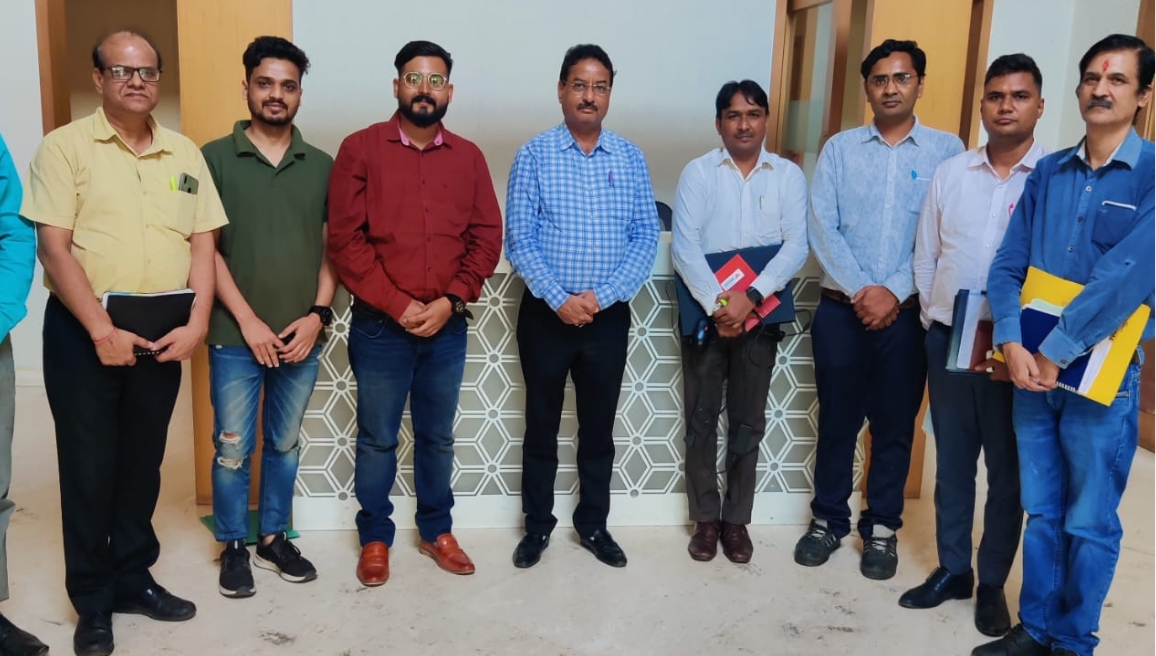
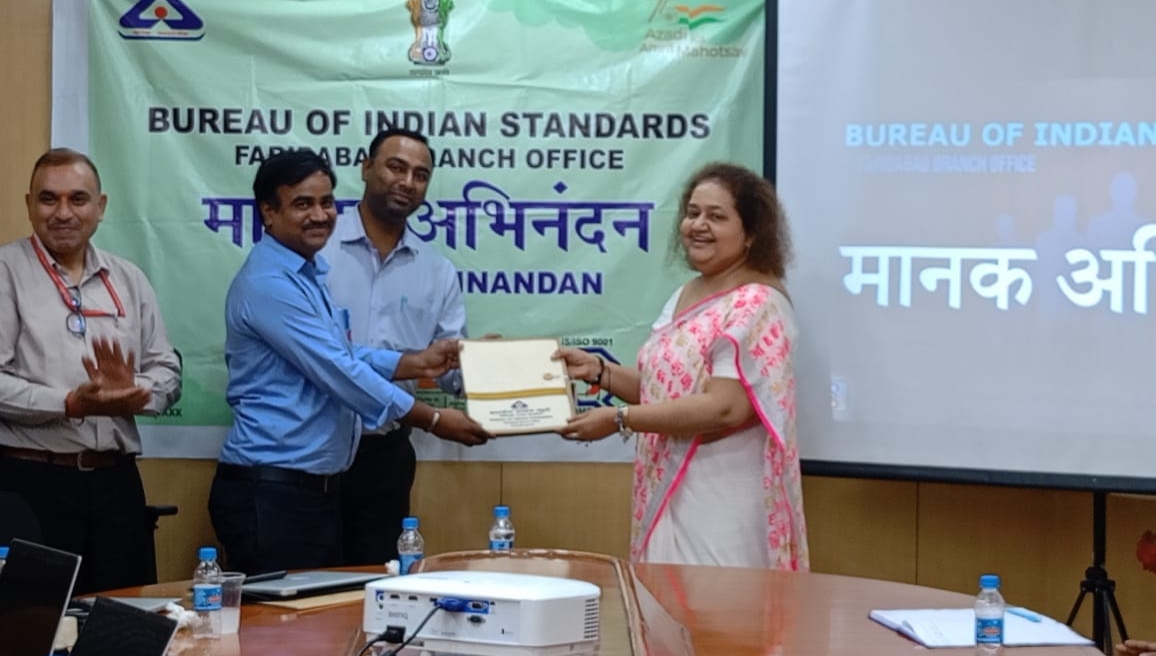
Real sites, real certifications
Our teams work inside factories and plants across India and abroad - inspections, audits and certification milestones spanning BIS, global schemes and the full compliance stack you see on this site.





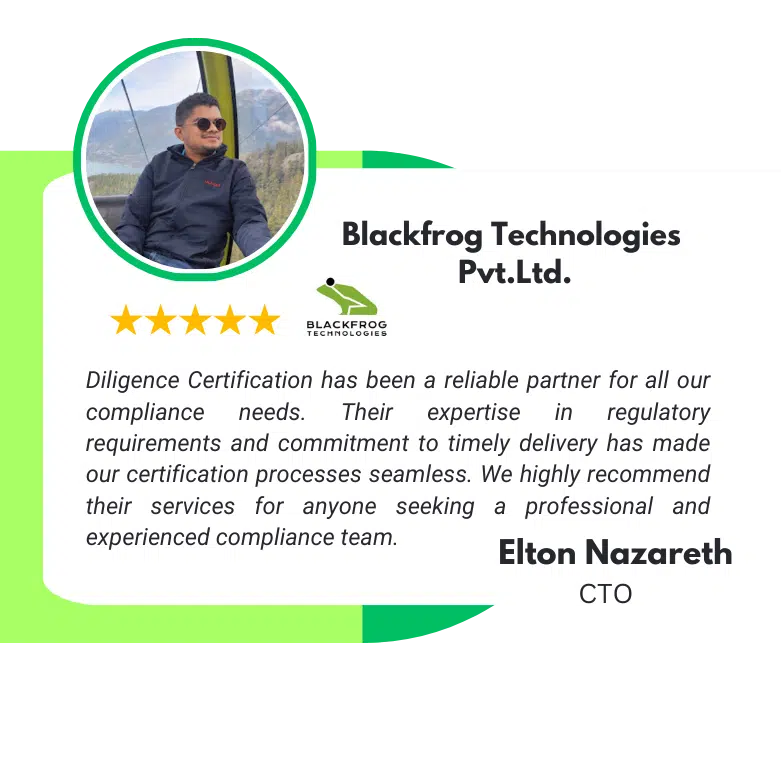
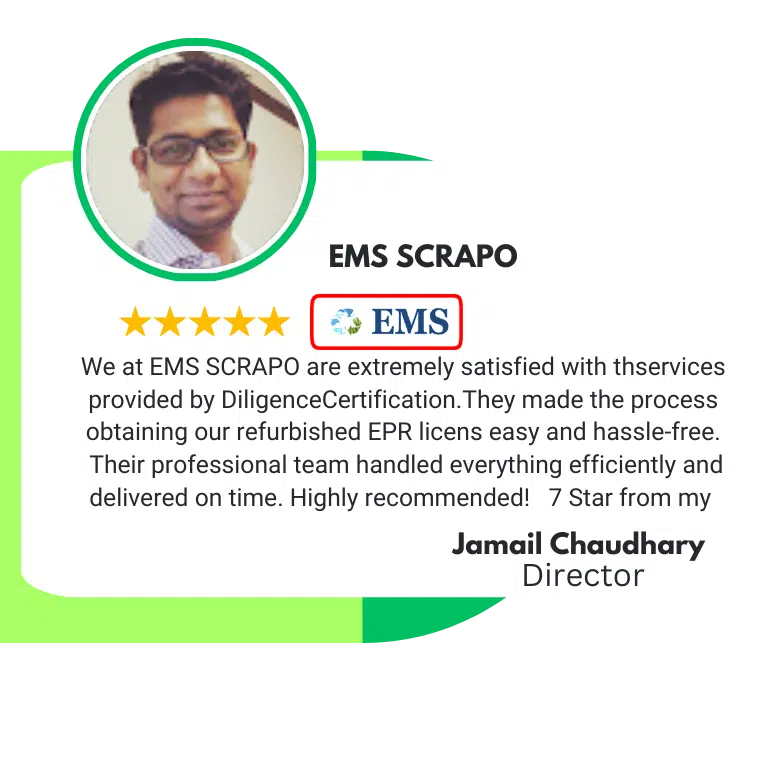
What our clients say
Reviews and feedback from businesses that have worked with Diligence Certifications.








Related Family Law services
Legal Heir Certificate
Get your Legal Heir Certificate hassle-free.
View details →Succession Certificate
Succession Certificate in India - eligibility & process.
View details →Will Drafting
Professional will drafting - secure your estate.
View details →Will Registration
Secure your will with professional registration.
View details →Mutual Divorce
Mutual divorce - process, requirements, documents.
View details →Divorce Notice
Draft a Divorce Notice in India - step-by-step.
View details →Ready to get Marriage Registration?
Talk to our experts for a clear, fixed-scope plan - most clients get a roadmap the same day.