 BIS Certification
 CDSCO
CDSCO
 PESO
PESO
 CPCB
CPCB
 LMPC
LMPC
 WPC Approval
 Global Approvals
 TEC
TEC
 ARAI
ARAI
 BEE
BEE
 ISO Certification
 DGCA Certification
 NOC For Steel
 APEDA Registration























 Business Registration
 FSSAI Mark Certification












 (32).jpg)
 Legal Services
 Trademark Registration
 Copyright Registration
 Patent Registration
Property Verification
Property verification is the legal and factual process of confirming that a property has a clear, marketable title and is...
Get expert consultation
Trusted by 25,000+ leading enterprises worldwide













Key takeaways
- Property verification confirms a property is legally clear and safe before a sale, lease or loan transaction.
- Title Verification confirms the seller truly owns the property and has the legal right to sell it.
- An Encumbrance Certificate shows whether the property carries loans, mortgages or ongoing disputes.
- A Power of Attorney used in a sale must be registered, unexpired and explicitly authorise sale, not just management.
- Tax receipts, building plan approvals, NOCs and occupancy certificates must be checked, as unpaid dues transfer to the buyer.
- Reviewing the past chain of ownership of 20 to 30 years protects buyers from inherited claims and fraudulent transfers.
- A detailed verification report protects buyers, sellers and lenders, and speeds up home loan approval.
What is property verification?
Property verification, often referred to as Due Diligence of Property or Title Verification, is the legal and factual process of making sure a property is free from conflict, encumbrances and fraudulent claims. It establishes whether a seller has a valid and marketable title and whether the asset is free from disputes or hidden liabilities. It protects buyers from purchasing property with defective titles or undisclosed liabilities.
In earlier decades, India’s property records were manual and scattered, often incomplete or misplaced. This created fertile ground for multiple claims over the same land, fraudulent sales, or heirs suddenly surfacing after a transaction. Modern property verification aims to prevent such risks by ensuring transparency and certainty of ownership.
What the verification process involves
- Scrutinising title documents and mother deeds to establish rightful ownership
- Confirming the seller’s identity and legal capacity to sell
- Checking for pending litigation, encumbrances or claims
- Reviewing property tax receipts, utility dues and land use permissions
- Ensuring required approvals and clearances from state and local authorities
Core verification checks
A few checks do most of the work in a safe property transaction. These are the ones every buyer should insist on.
| Check | What it confirms |
|---|---|
| Title Verification | The seller owns the property and has the legal right to sell |
| Encumbrance Certificate | No mortgage, loan or ongoing legal dispute on the property |
| Power of Attorney | The PoA is registered, unexpired and authorises sale |
| Check | What it confirms |
|---|---|
| Occupancy Certificate | The building is constructed as per sanctioned plans |
| Tax and utility dues | Property tax, water and electricity bills are fully paid |
| Land use compliance | The property is correctly categorised as residential, commercial or agricultural |
Why property verification protects you
Protection from litigation
Verification confirms the asset is free from pending lawsuits or claims, so buyers avoid being dragged into old disputes after purchase.
Smooth loan approval
Banks demand verified property documents before approving loans. A verified report speeds up the process and strengthens the property as collateral.
Assurance of ownership
Verification confirms the seller has complete legal authority to sell. If false or invalid documents exist, the deal can be halted before it harms the buyer.
Prevention of fraud
Document verification reduces the risk of fraudulent sales and prevents the resale of a property that has already been sold.
Clean ownership transfer
When verification is done correctly, it saves buyers from future conflict and allows a clean transition of ownership.
Safety for NRIs
On-ground inspection, police verification and Encumbrance Certificate checks help remote and absentee buyers protect their rights.
When to verify a property
Verification should be performed before entering into a sale or lease agreement, or when using the property as collateral for a loan. Carrying out the checks at the start reduces the chance of fraud or litigation when it is too late to act.
- Before signing a sale agreement or paying a builder
- Before entering into a lease for the property
- When offering the property as security for a home loan
- For resale properties, which carry higher risk of encumbrances and old loans
- For inherited property where past ownership must be traced
- When buying remotely as an NRI or absentee owner
Essential steps to verify a property
We combine document scrutiny with on-ground checks so nothing is missed. Here is how a thorough verification is carried out.
Document and title scrutiny
Title verification
Examine sale deeds, mother deeds, mutation and revenue records, inheritance documents and the past chain of ownership of 20 to 30 years.
Encumbrance check
Obtain the Encumbrance Certificate to confirm there is no mortgage, loan or ongoing legal dispute on the property.
Power of Attorney scrutiny
Confirm any PoA is legally registered and stamped, explicitly authorises sale, and has not expired or been revoked.
Dues and approvals
Verify property tax, utility bills, building plan approvals, NOCs and the occupancy certificate.
On-ground and final review
Physical inspection
Inspect the site for squatters, illegal extensions, or structures that depart from the approved layout plan.
Land use check
Confirm the property is correctly categorised as residential, commercial or agricultural, as wrong usage can void ownership rights.
Cross-check with records
Compare findings against state land portals such as Karnataka’s Bhoomi, Telangana’s Dharani and Delhi’s DORIS, supported by legal review.
Verification report
Receive a clear, concise report setting out the legal position so you can proceed or walk away with confidence.
Documents required
- Title documents and original title deeds, confirmed with the sub-registrar’s office
- Encumbrance Certificate confirming the property is free of financial or legal encumbrances
- Approved site or building plan from the concerned local authority
- Property tax receipts showing municipal dues are fully paid and up to date
- Sale deed stating particulars of buyer, seller, property and sale consideration
- Power of Attorney, where used, that is registered and authorises sale
- Bank approvals, where a home loan is involved
Portals & regulation
- State land portals such as Bhoomi, Dharani and DORIS for online land records
- Online Encumbrance Certificates, available digitally in most states
- MahaRERA verification of developer-submitted Occupancy Certificates
- Tamil Nadu’s presenceless, Aadhaar-enabled property registration
Related matters? See our Property Registration, Property Valuation and Power of Attorney services.
Why choose Diligence Certifications
- Expert legal network: verification backed by expert legal knowledge and pan-India expertise
- Technology-backed checks: reports that combine portal data with on-ground inspection and legal review
- Clear reporting: concise, easy to understand verification respected by NRIs, homebuyers and businesses
- Personalised assistance: solutions tailored to your jurisdiction, transaction type and urgency
- End-to-end support: we manage scrutiny, inspection and follow-up so you can focus on the purchase
- Commitment to quality: high standards of accuracy and documentation before you part with your money
Buying, leasing or lending against a property?
Get a clear legal verification before you commit. Our team checks the title, encumbrances and documents, inspects the site and explains exactly where the property stands.
The Transfer of Property Act, 1882 and the Registration Act, 1908 are published on India Code.
Frequently asked questions
When should property verification be done?
It should be performed before entering into a sale or lease agreement, or when using the property as collateral for a loan. Doing the verification at the start reduces the chance of fraud or litigation when it is too late.
Why is title verification important?
Property title verification protects you against quarrels over ownership, protects the integrity of the property, assists banks in loan approvals and protects you from fraud.
What does an Encumbrance Certificate show?
An Encumbrance Certificate shows whether the property carries loans and whether it is disputed or free of disputes. If it is free of disputes, the certificate indicates this by calling it a Nil Encumbrance Certificate.
Can a property be sold using a Power of Attorney?
Yes, if the Power of Attorney is legal, registered and permits the holder to sell the property. Many frauds have been committed using a PoA that was either not legal or falsely alleged, so you need to be wary of this.
How far back should the ownership history be checked?
At least 30 years. This lets you see if there are any gaps in the transfer of the asset from an inheritance, or whether there were past agreements that were fraudulent.
Is online verification enough on its own?
No. Online verification and portals are useful but still subject to human error. Always support online checks with physical inspection and legal review.
Why choose Diligence Certification?
For compliance and credibility, Diligence is much more than a checklist - we give you real confidence in your business. We examine your legal, financial and operational status, so you are not just certified, but trusted.
Stronger risk protection
Spot hidden legal, financial or operational risks early - fix problems before they become threats.
Earn stakeholder trust
From investors to customers, people want to work with businesses that play by the rules.
Stay legally aligned
Compliant not just on products but on labour, environmental and tax laws too.
Enhance brand reputation
Show the world you operate with integrity and transparency.
Stand out from competitors
In a crowded market, credibility is your biggest edge.
24×7 expert support
A 100+ strong service team guiding you at every step, free first consultation.
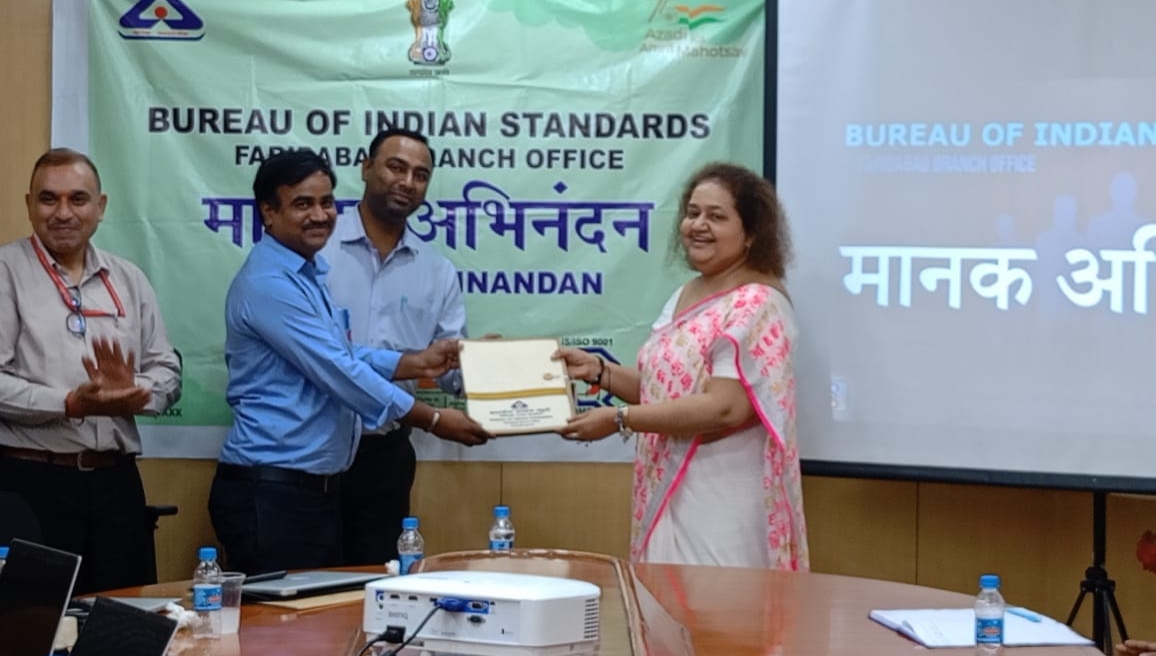
Real sites, real certifications
Our teams work inside factories and plants across India and abroad - inspections, audits and certification milestones spanning BIS, global schemes and the full compliance stack you see on this site.






What our clients say
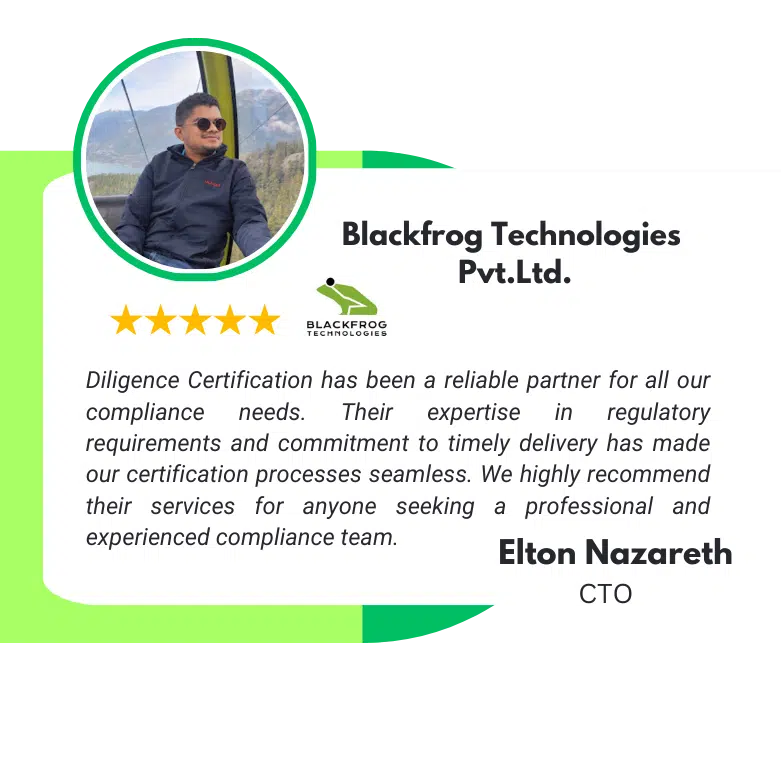
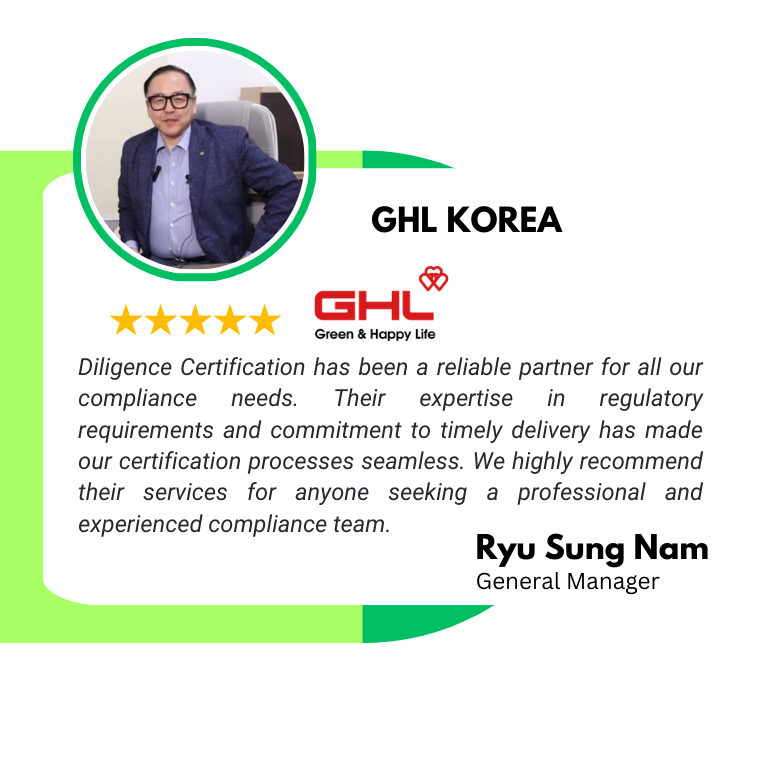
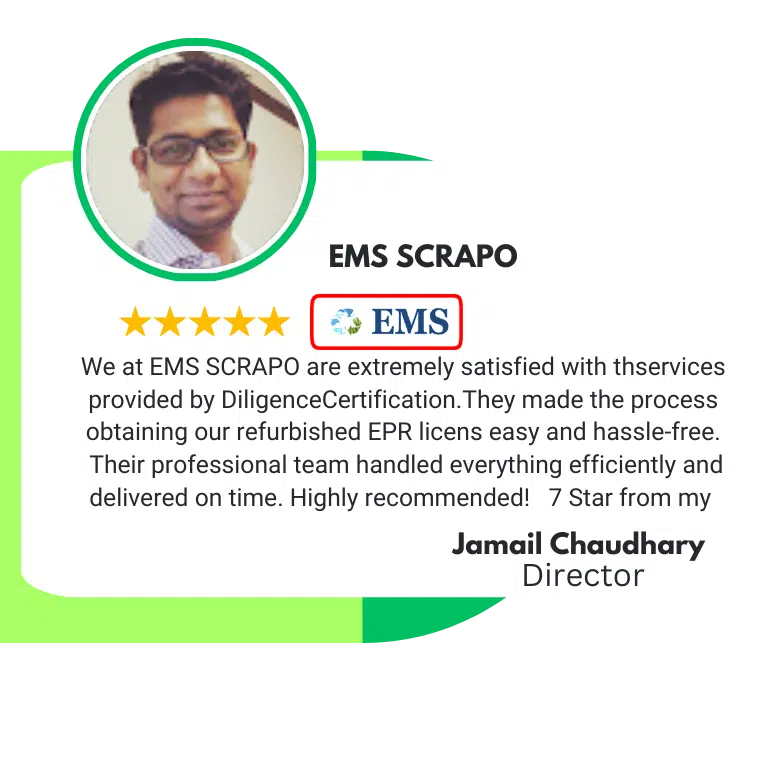
Reviews and feedback from businesses that have worked with Diligence Certifications.







Related Property & Real Estate services
Property Registration
Register your property online - gov-approved.
View details →Lease Registration
Step-by-step lease registration process.
View details →Lease Agreement Drafting
Legally sound lease contracts - tailored to you.
View details →Property Valuation
Accurate property valuation by certified pros.
View details →Property Purchase & Sale
Get a Sale and Purchase Agreement drafted by experts.
View details →Tenant Eviction
Tenant Eviction in India under State Rent Control Acts and Transfer of Property Act, 1882.
View details →Ready to get Property Verification?
Talk to our experts for a clear, fixed-scope plan - most clients get a roadmap the same day.