 BIS Certification
 CDSCO
CDSCO
 PESO
PESO
 CPCB
CPCB
 LMPC
LMPC
 WPC Approval
 Global Approvals
 TEC
TEC
 ARAI
ARAI
 BEE
BEE
 ISO Certification
 DGCA Certification
 NOC For Steel
 APEDA Registration
















 Business Registration
 FSSAI Mark Certification








 (32).jpg)
 Legal Services
 Trademark Registration
 Copyright Registration
 Patent Registration
SMPV U Rules 2016 in India
The SMPV (U) Rules 2016, framed by PESO, govern the safe design, manufacture, installation and use of static and mobile...
Get expert consultation
Trusted by 25,000+ leading enterprises worldwide







Key takeaways
- The SMPV (U) Rules 2016 regulate the safe manufacture, installation and operational use of pressure vessels in India.
- SMPV stands for Static and Mobile Pressure Vessels (Unfired) Rules 2016, framed by the Government of India under PESO.
- Approval is necessary for all manufacturers, installers and operators of pressure vessels and gas systems.
- The rules cover vessels used to store and transport LPG, CNG, chlorine, ammonia and other industrial gases.
- Approval prevents accidents, gas leakage and legal action, and signals safety, quality and government acceptance.
- Compliance builds trust with authorities and customers and keeps business operations running without delay.
What are the SMPV (U) Rules 2016?
The SMPV (U) Rules 2016 are Indian regulations dealing with the safety, design, manufacture, installation and use of pressure vessels and associated systems. The full form is the Static and Mobile Pressure Vessels (Unfired) Rules 2016, framed by the Government of India under the Petroleum and Explosives Safety Organisation (PESO).
These rules cover the design, manufacture, inspection, installation and use of pressure vessels used for the storage and transportation of compressed gases. Without the correct approvals, a company can face safety hazards, legal trouble and non-acceptance of its equipment, leading to delays and missed opportunities. Industries must therefore obtain the required approvals, certifications and compliances.
Key features of the rules
- Applicable to both static and mobile pressure vessels
- Ensure the safe handling of high-pressure gases
- Fall under the purview of PESO regulations
- Mandatory for industries using LPG, CNG, chlorine and ammonia
Approvals and roles under SMPV (U) Rules 2016
The rules recognise specific entities and roles, each of which must be approved before it can operate. The category you need depends on your activity in the pressure-vessel and gas supply chain.
| Approval / role | Who it covers |
|---|---|
| Recognized Competent Person / Person Observer | Qualified technicians who inspect, test, certify and approve vessels, pipelines and gas systems for safety. |
| Factory for manufacture of pressure vessels and safety fittings | Industrial sites that manufacture high-pressure equipment used with gases and chemicals. |
| Chlorine container manufacturers | Makers of high-pressure vessels for storage and transport of toxic chlorine gas. |
| Manufacturers of safety fittings | Makers of valves and connectors that manage pressure and ensure safety. |
| Approval / role | Who it covers |
|---|---|
| Purging and degassing station | Sites that safely remove gas from a vessel before maintenance or repair. |
| Approved ALDS installer | Experts permitted to install Auto LPG Dispensing Systems for LPG-fuelled vehicles. |
| ALDS operator | Operators who run and monitor Auto LPG Dispensing Systems safely. |
| Auto LPG cylinder container manufacturers | Makers of containers used in automobiles to store LPG. |
Benefits of SMPV (U) approval
Safety assurance
Verified design, testing and inspection prevent accidents, gas leakage and explosions in high-pressure operations.
Legal compliance
Operate within PESO regulations and avoid penalties, equipment rejection and legal action.
Quality recognition
Approval is a mark of quality and government acceptance for your vessels and fittings.
Customer trust
Compliance builds confidence among authorities, buyers and partners across the supply chain.
Smooth operations
Approved equipment and roles keep installation and use running without unnecessary delays.
Market access
Certified status lets manufacturers, installers and operators take on industrial gas projects with confidence.
Why approval is mandatory
The SMPV (U) Rules 2016 are framed under PESO and approval is necessary for all manufacturers, installers and operators of pressure vessels and gas systems. The rules apply to LPG, CNG, chlorine, ammonia and other industrial gases, and the certification is legally binding. Operating without the correct approvals exposes a business to serious risks.
What non-compliance can cost you
- Safety hazards such as accidents, gas leakage and explosions.
- Equipment disqualification, with unapproved vessels barred from use.
- Legal trouble and action under the applicable rules.
- Operational delays and missed business opportunities.
The approval process, step by step
Recognition and approval follow a structured path of application, evaluation, inspection and certification. The route differs slightly for the people recognised and the facilities approved.
Competent Person recognition
Qualify
Ensure the person is professionally qualified and experienced for inspection, testing and risk assessment.
Apply
Submit the recognition application with credentials and supporting documents.
Evaluation
The authority evaluates expertise in pressure testing, safety auditing and documentation review.
Recognition
On approval, the Recognized Competent Person can inspect, test, certify and approve gas systems.
Factory / facility approval
Prepare
Meet manufacturing standards including approved design and material, certified welding and quality control.
Submit forms
File the documents and forms required for approval, certification and inspection.
Inspection
Authorities inspect plant infrastructure, machines, trained personnel and the manufacturing process.
Certification
Once verification and product and factory testing pass, the approval certificate is issued.
Forms and documents
- Forms as per Rules 18, 19, 33, 43 and 44(2)
- Code of Conduct as per Rule 12(2)
- Design, material and welding approval records
- Plant infrastructure, machinery and trained-personnel details
- Product test, factory test and inspection reports
- TPIA inspection and certification documents
TPIA and certification
- A TPIA is a Third Party Inspection Agency that inspects and certifies pressure systems.
- TPIAs recognised under the rules certify quality and safety requirements.
- They handle inspection, testing, documentation and certification.
- TPIA certificates are essential for manufacturing and operating entities seeking approval.
Need related PESO approvals? See our PESO License, GCR Rules 2016, Petroleum Rules 2012 and Explosive Rules 2008 services.
Scope of compliance
Approval under the SMPV (U) Rules 2016 is required across the pressure-vessel and gas supply chain. Typical applicants include:
- Manufacturers of pressure vessels and safety fittings
- Chlorine container and auto LPG cylinder container makers
- Approved ALDS installers and ALDS operators
- Purging and degassing station operators
- Plant owners, installation firms and maintenance providers
- LPG, CNG, chlorine and industrial gas industries
Not sure which approval you need?
Tell us whether you manufacture, install or operate pressure vessels and gas systems, and we will map the exact approvals, forms and TPIA route for your case.
The SMPV (Unfired) Rules, 2016 are administered by the Petroleum and Explosives Safety Organisation (PESO).
Frequently asked questions
What are the SMPV (U) Rules 2016?
They are a regulation for pressure vessel safety and conformity in India, covering the design, manufacture, inspection, installation and use of static and mobile unfired pressure vessels.
Which authority frames these rules?
PESO, the Petroleum and Explosives Safety Organisation, framed the rules under the Government of India.
Who needs approval under the rules?
Manufacturers, installers and users of pressure vessels, including those in the LPG, CNG, chlorine and industrial gas industries.
What does ALDS stand for?
ALDS stands for Auto LPG Dispensing Systems. Both installers and operators of these systems require approval under the rules.
What is a TPIA?
A TPIA is a Third Party Inspection Agency that inspects, tests, documents and certifies pressure systems. Its certificates are essential for manufacturing and operating entities seeking approval.
Is the certification legally binding?
Yes. The certification is legally binding, and equipment that is not approved is disqualified from use until it complies with Indian norms.
Why choose Diligence Certification?
For compliance and credibility, Diligence is much more than a checklist - we give you real confidence in your business. We examine your legal, financial and operational status, so you are not just certified, but trusted.
Stronger risk protection
Spot hidden legal, financial or operational risks early - fix problems before they become threats.
Earn stakeholder trust
From investors to customers, people want to work with businesses that play by the rules.
Stay legally aligned
Compliant not just on products but on labour, environmental and tax laws too.
Enhance brand reputation
Show the world you operate with integrity and transparency.
Stand out from competitors
In a crowded market, credibility is your biggest edge.
24×7 expert support
A 100+ strong service team guiding you at every step, free first consultation.
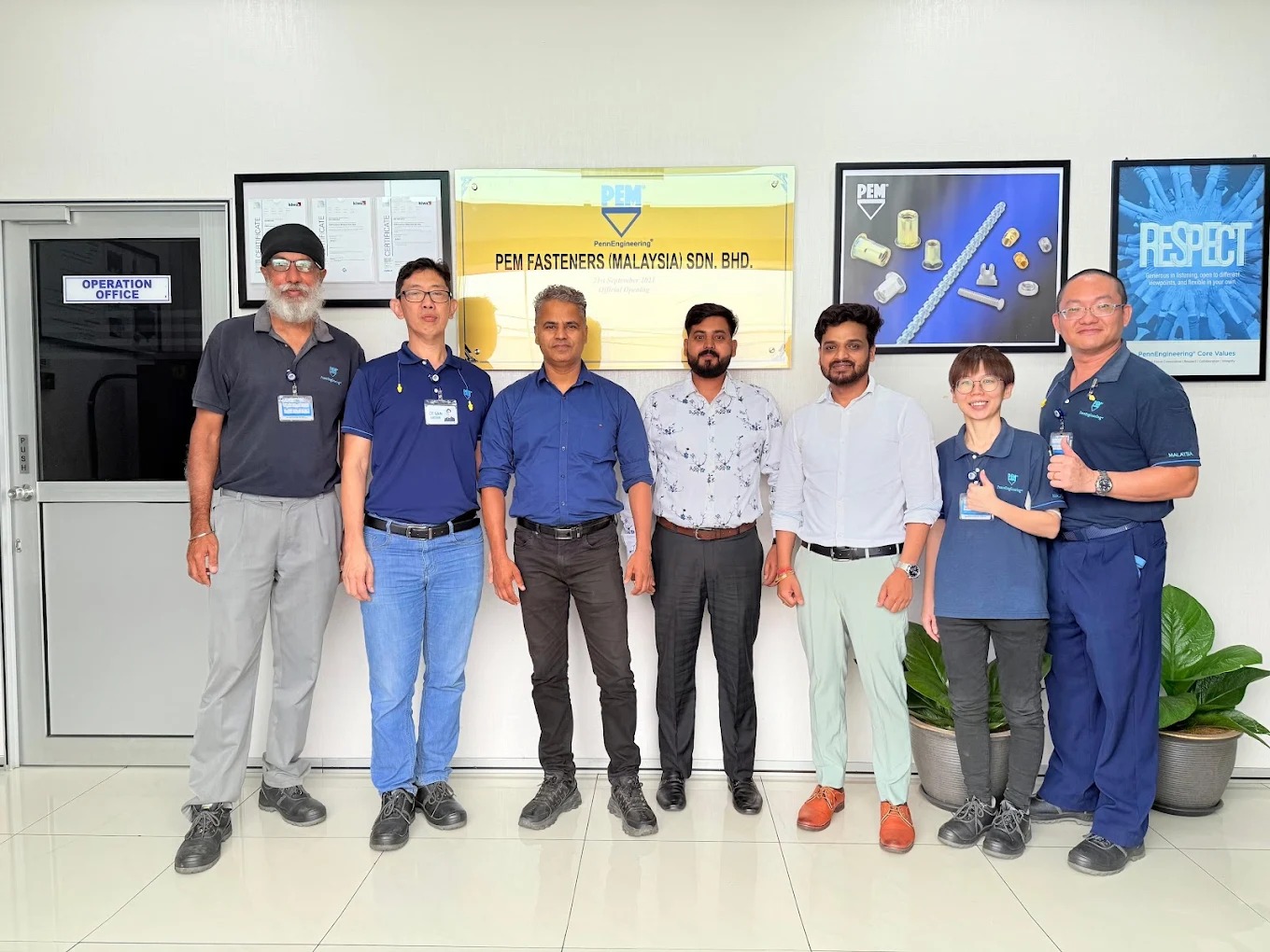
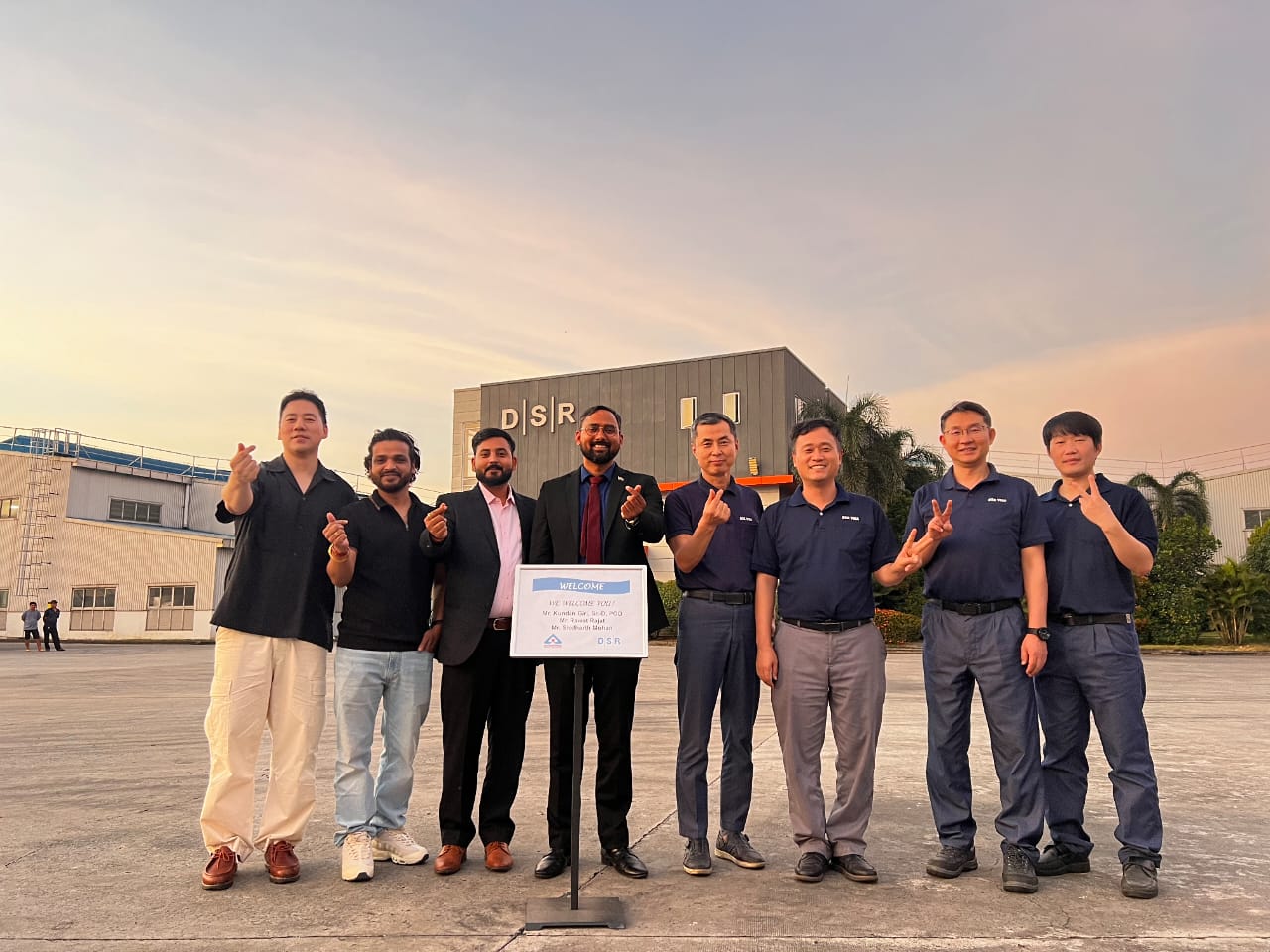
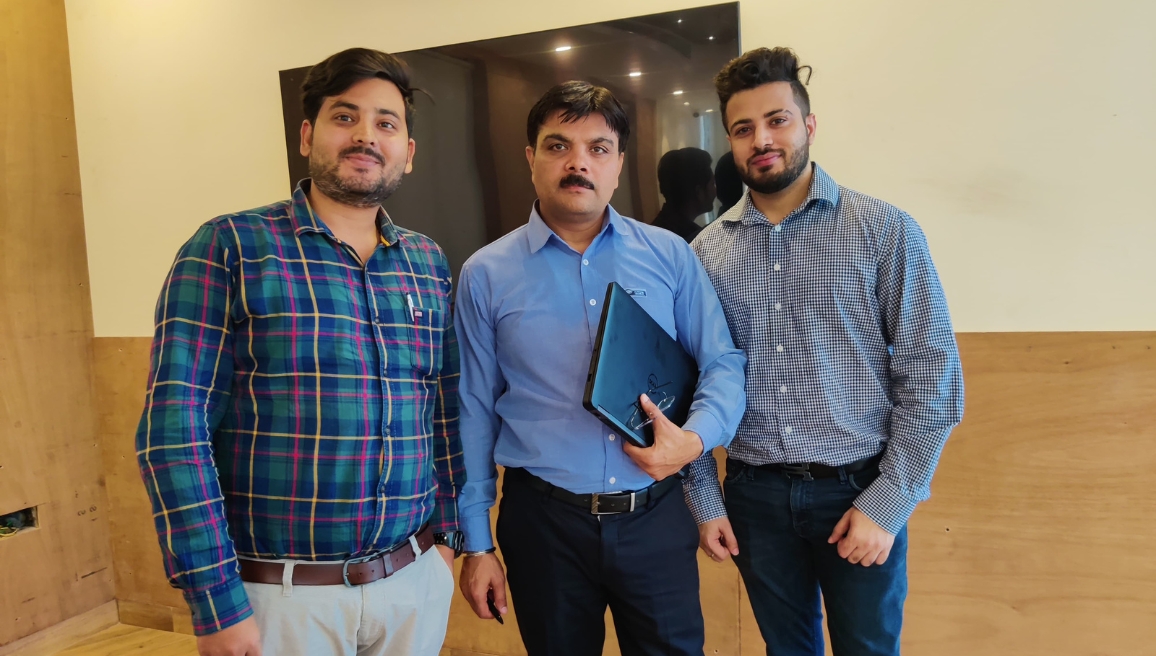
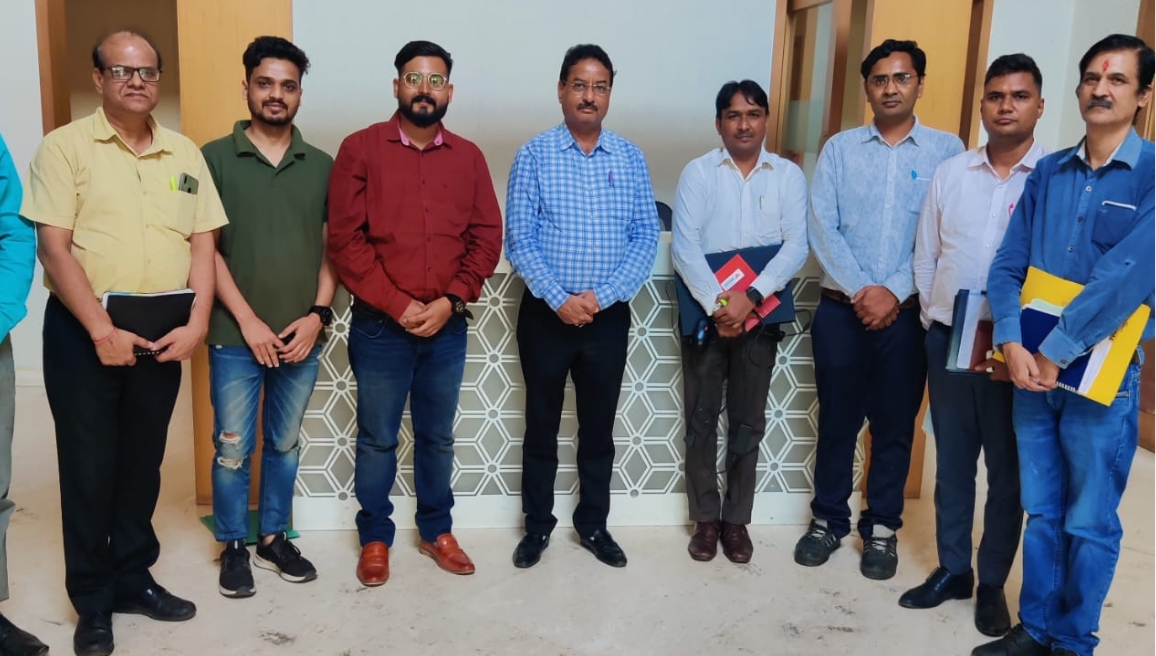
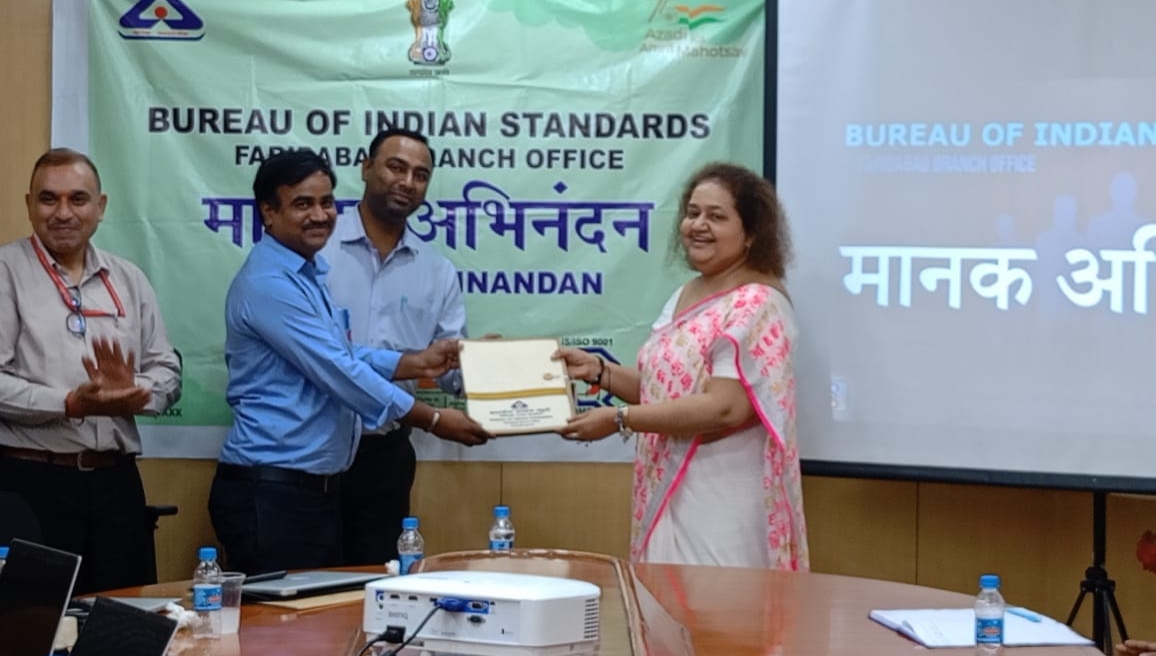
Real sites, real certifications
Our teams work inside factories and plants across India and abroad - inspections, audits and certification milestones spanning BIS, global schemes and the full compliance stack you see on this site.


What our clients say
Reviews and feedback from businesses that have worked with Diligence Certifications.





Related PESO / Petroleum services
PESO License
Compliance for petroleum, gas, and explosives products.
View details →GCR Rules 2016
Gas Cylinder Rules 2016 - manufacturing & approvals.
View details →Petroleum Rules 2012
PESO approval process & Petroleum Rules 2012 guide.
View details →Explosive Rules 2008
India explosives list & manufacturing guidelines.
View details →PESO Consultant
Hire an expert PESO consultant in India for petroleum, gas and explosives licensing.
View details →Ready to get SMPV U Rules 2016 in India?
Talk to our experts for a clear, fixed-scope plan - most clients get a roadmap the same day.