 BIS Certification
 CDSCO
CDSCO
 PESO
PESO
 CPCB
CPCB
 LMPC
LMPC
 WPC Approval
 Global Approvals
 TEC
TEC
 ARAI
ARAI
 BEE
BEE
 ISO Certification
 DGCA Certification
 NOC For Steel
 APEDA Registration























 Business Registration
 FSSAI Mark Certification












 (32).jpg)
 Legal Services
 Trademark Registration
 Copyright Registration
 Patent Registration
KC certification
KC (Korea Certification) is the mandatory safety and quality mark for products entering the South Korean market, covering electronics, machinery,...
Get expert consultation
Trusted by 25,000+ leading enterprises worldwide


Key takeaways
- KC Certification is mandatory for legally selling or importing regulated products in South Korea, confirming they meet the country’s safety and quality standards.
- It is a compulsory system administered by the Korean Agency for Technology and Standards (KATS), with RRA and KEA handling specific schemes.
- It applies to electronics, electrical appliances, machinery, construction materials, gas appliances and children’s products.
- Products undergo safety, performance and EMC testing, supported by detailed technical documentation.
- Testing must be done through a KATS-accredited laboratory, and high-risk goods may require a factory inspection.
- Only manufacturers can apply, which keeps certified products accountable and traceable.
- The KC mark reassures consumers of product safety and eases entry into the South Korean market.
What is KC Certification?
KC (Korea Certification) is a mandatory certification system implemented by South Korea to ensure that products meet safety and quality standards before entering the Korean market. The KC mark is central to consumer protection, confirming that products are safe, reliable and of high quality. It is also known as KC Registration or the Korean Certificate.
The certification covers comprehensive assessments such as safety, electromagnetic compatibility (EMC) and energy efficiency. By obtaining KC certification, manufacturers fulfil their legal obligations and gain a competitive edge, showing a commitment to product excellence and compliance with international standards. Without it, products cannot be legally sold or distributed in Korea.
Products that need KC Certification
- Electrical and electronic products: home appliances, mobile phones, laptops, batteries, chargers
- IT and communication devices: routers, wi-fi devices, smartwatches, tablets
- Lighting appliances: LED bulbs, CFLs, fluorescent lamps
- Automobile parts: vehicle batteries, tyres, brake pads
- Children’s products and toys: plastic toys, baby strollers, cribs
- Heavy machinery, lifts and elevators: industrial machinery
Types of KC Certification
The KC mark is granted under different certification schemes, which vary with the type and risk level of the product.
| Scheme | What it covers |
|---|---|
| KC Safety Certification | High-risk electrical appliances and consumer products, requiring factory audits, product testing and continuous surveillance. |
| KC EMC and Radio Certification | Wireless and electronic devices, ensuring compliance with EMC, RF and telecom safety standards. |
| KC Energy Efficiency Certification | Energy-consuming products, covering energy efficiency labelling and environmental considerations. |
| KC Chemical and Toy Safety Certification | Toys, children’s products and hazardous chemicals. |
| Authorities and labs | Role |
|---|---|
| KATS | Korean Agency for Technology and Standards, the central body for KC Certification. |
| RRA and KEA | Authorities that handle radio and energy-related KC schemes. |
| KATS-accredited laboratory | Conducts safety, EMC, RF and energy efficiency testing of the product. |
Benefits of KC Certification
Market access
Essential for legally selling and importing your products in South Korea.
Consumer confidence
The KC mark reassures buyers of the product’s safety and quality.
Competitive advantage
Demonstrates a commitment to high standards, giving you an edge in the market.
Regulatory compliance
Keeps you compliant with South Korean laws and avoids legal issues and penalties.
Improved product quality
Encourages manufacturers to maintain high standards of quality and safety.
Global approval
A recognised step toward broader international acceptance of your products.
Why KC Certification is mandatory
KC Certification is a compulsory certification system in South Korea. The KC mark is required for every electrical, electronic, mechanical and chemical product before importation and sale in the country. Without it, your products lack a legal basis to enter the Korean market, which can lead to significant financial losses and damage to your brand reputation.
What non-compliance can cost you
- Import rejection at Korean Customs for non-compliant products.
- Heavy penalties and litigation against the business.
- Market bans and product recalls that pull your stock from sale.
- Loss of consumer trust and lasting reputational damage.
The certification process, step by step
The Korean certification process moves from confirming applicability through testing to the final grant of the KC mark.
Prepare and test
Define applicability
Confirm whether your product falls within the scope of KC Certification by checking the relevant Korean regulations and standards for its category.
Select a test lab
Work with a KATS-accredited laboratory that can test your product against the applicable standards and issue an exhaustive report.
Prepare the documents
Compile detailed technical specifications, manuals, schematics and quality-control procedures for submission to the testing laboratory.
Product testing
The laboratory conducts rigorous performance, safety, EMC, RF and environmental testing against the applicable KC standards.
Inspect and grant
On-site inspection
For some categories, and for high-risk electrical goods, a factory inspection verifies that manufacturing and quality-control processes meet the required standards.
Application submission
With testing complete and documentation gathered, the application is filed with the relevant authority, KATS, RRA or KEA, along with the product details.
Certificate issuance
Once the application is successful and all requirements are met, the certification body awards the KC mark for the product.
Documents required
- Detailed application form provided by the certification body
- Technical documentation: product specifications, design drawings, circuit diagrams, component lists and user manuals
- Test reports from an accredited laboratory in Korea
- Quality Management System documents, such as ISO certificates
- Factory inspection reports, required for some high-risk electrical products
- A signed Declaration of Conformity stating the product meets the applicable standards
- Product samples, which may be tested during the compliance evaluation
Validity & renewal
- KC Certification endures provided there are no changes in the design, components or materials of the product.
- The manufacturer must continue to meet the safety and compliance requirements.
- High-risk electrical goods are subject to continuous surveillance under the Safety scheme.
- Changes to the product may require re-testing and a fresh evaluation.
Exporting to other markets too? See our CE Certification, CB Certification and RoHS Certification services.
Cost factors and timeline
KC Certification usually takes from 4 to 8 weeks, depending on the product category and the testing required. Costs vary with the same factors:
| Factor | Details |
|---|---|
| Product type and risk classification | Higher-risk categories need more extensive testing and surveillance. |
| Testing, inspection and factory inspection charges | Laboratory testing and, where applicable, on-site factory audits. |
| Documentation and compliance charges | Preparation and submission of the technical dossier. |
| Timeline | Typically 4 to 8 weeks, driven by category, testing scope and factory audits. |
Planning to enter the Korean market?
Tell us your product category and target use, and we will confirm the right KC scheme, accredited lab, documents and timeline for your approval.
The KC mark scheme is operated by the Korean Agency for Technology and Standards (KATS).
Frequently asked questions
What is KC Certification and why is it necessary?
KC, or Korea Certification, is a mandatory certification conferred by the Korean Agency for Technology and Standards (KATS). It ensures that products comply with safety, EMC and environmental regulations in South Korea before entering the market. It is compulsory for electrical, electronic, mechanical and chemical products before importation and sale.
Which products need KC Certification?
It applies to electrical and electronic products such as home appliances, mobile phones, laptops, batteries and chargers; IT and communication devices like routers and tablets; lighting appliances; automobile parts; children’s products and toys; and heavy machinery, lifts and elevators.
How long does KC Certification take?
It usually takes from a minimum of 4 weeks to a maximum of 8 weeks. The timeline depends on the product category and risk level, the testing requirements and whether a factory audit is needed.
Is KC Certification mandatory for importing into South Korea?
Yes. KC Certification is mandatory for importing regulated products into South Korea. If certification is denied, the products have no legal basis to enter the Korean market, and non-compliant goods face customs rejection, heavy penalties, market bans and product recalls.
Who can apply for KC Certification?
Only manufacturers can apply for KC Certification. This keeps certified products accountable and ensures traceability through the supply chain.
How long is KC Certification valid?
KC Certification endures provided there are no changes in the design, components or materials of the product, and provided the manufacturer continues to meet the safety and compliance requirements.
Why choose Diligence Certification?
For compliance and credibility, Diligence is much more than a checklist - we give you real confidence in your business. We examine your legal, financial and operational status, so you are not just certified, but trusted.
Stronger risk protection
Spot hidden legal, financial or operational risks early - fix problems before they become threats.
Earn stakeholder trust
From investors to customers, people want to work with businesses that play by the rules.
Stay legally aligned
Compliant not just on products but on labour, environmental and tax laws too.
Enhance brand reputation
Show the world you operate with integrity and transparency.
Stand out from competitors
In a crowded market, credibility is your biggest edge.
24×7 expert support
A 100+ strong service team guiding you at every step, free first consultation.
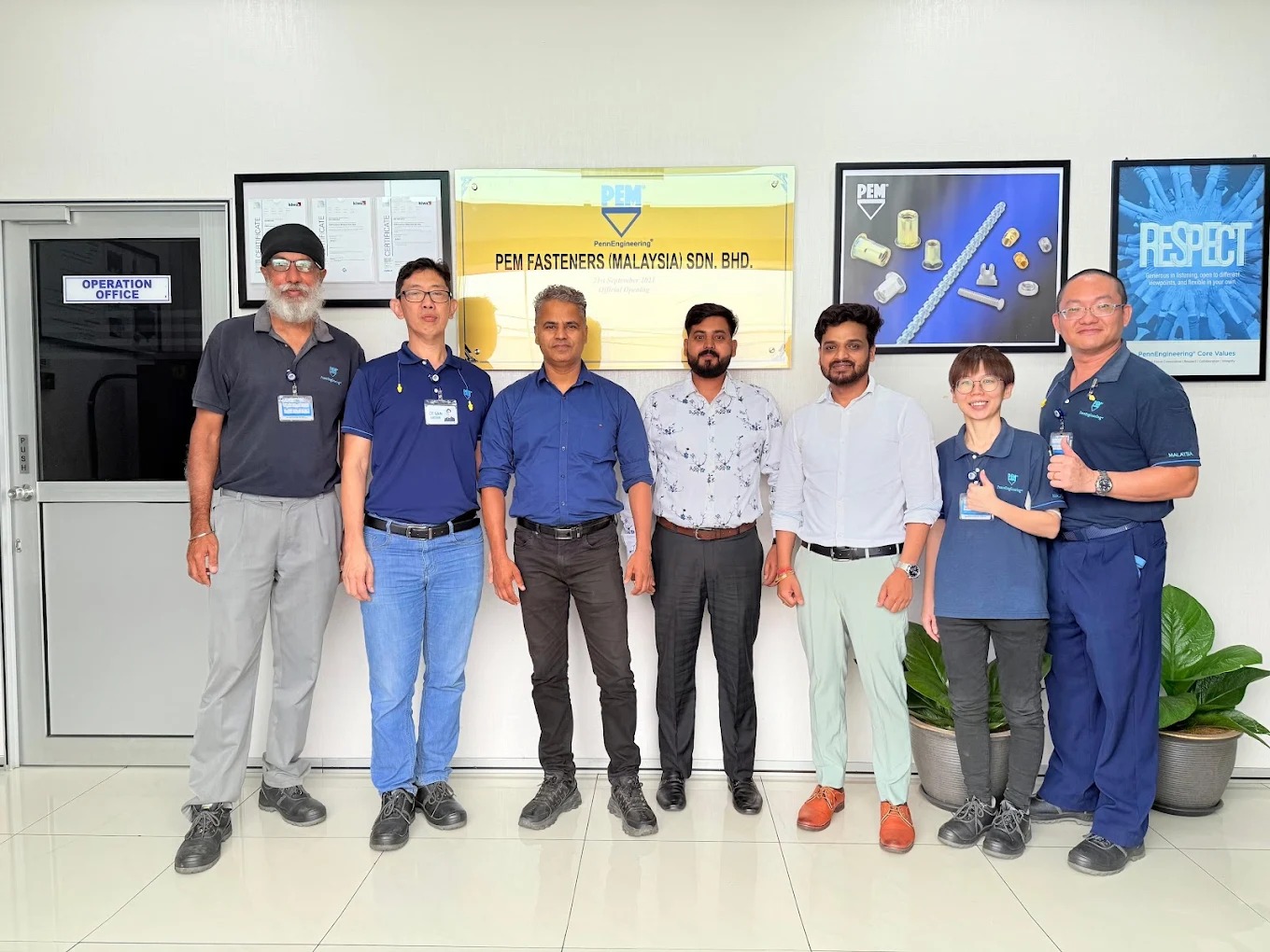
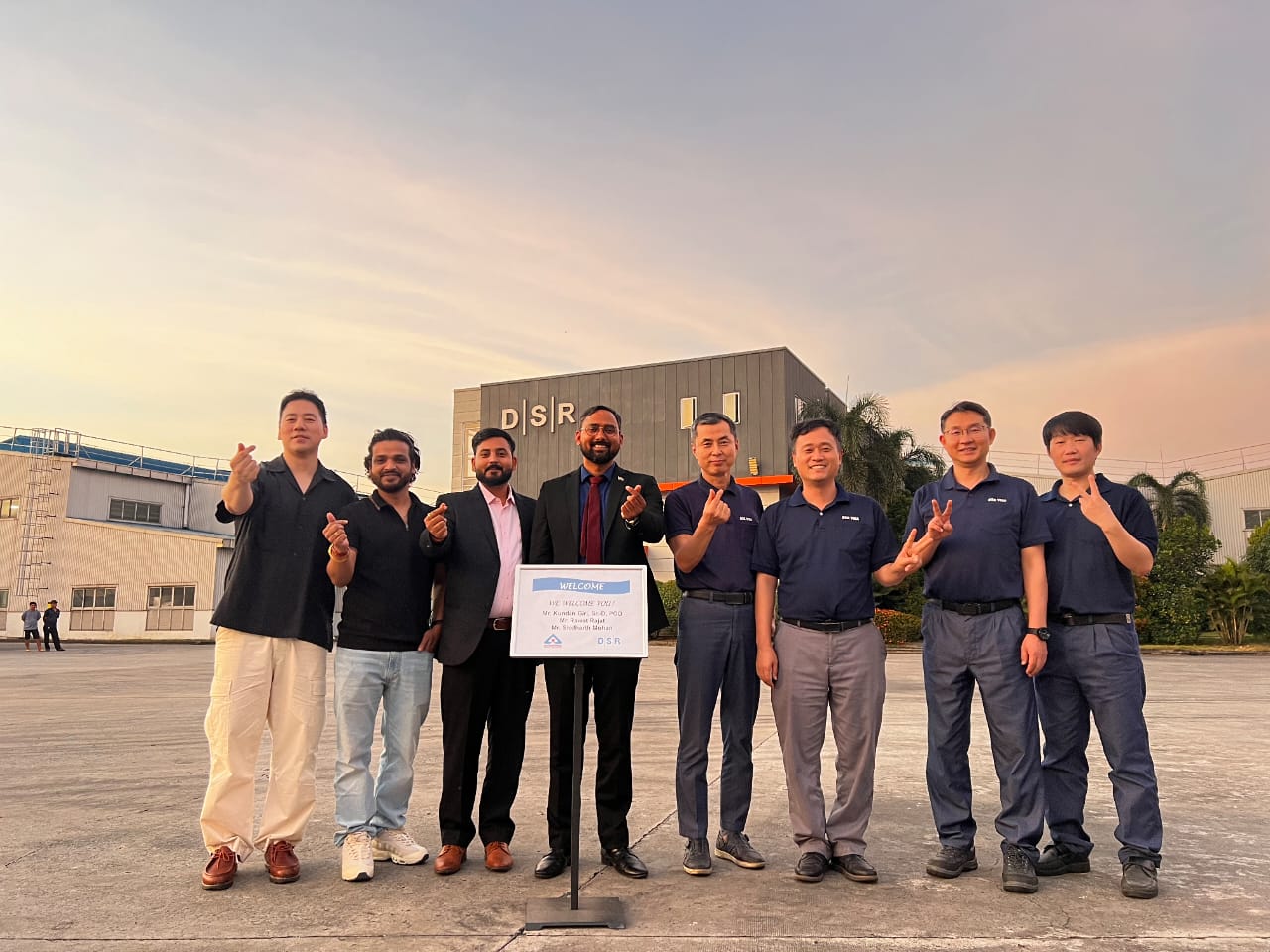
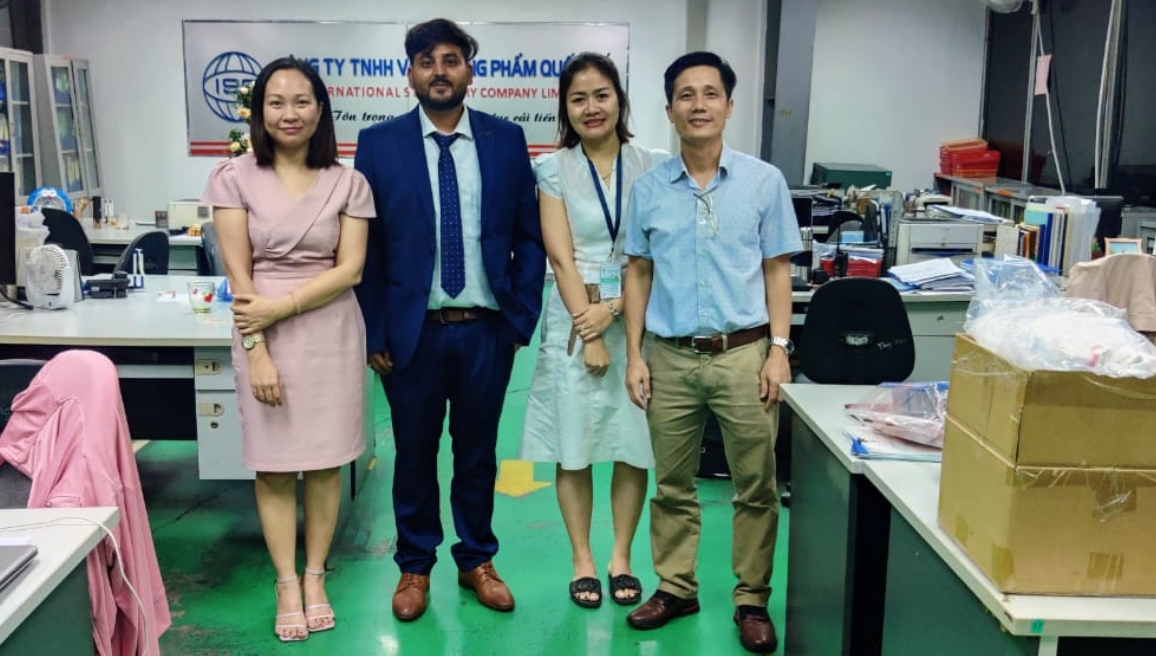
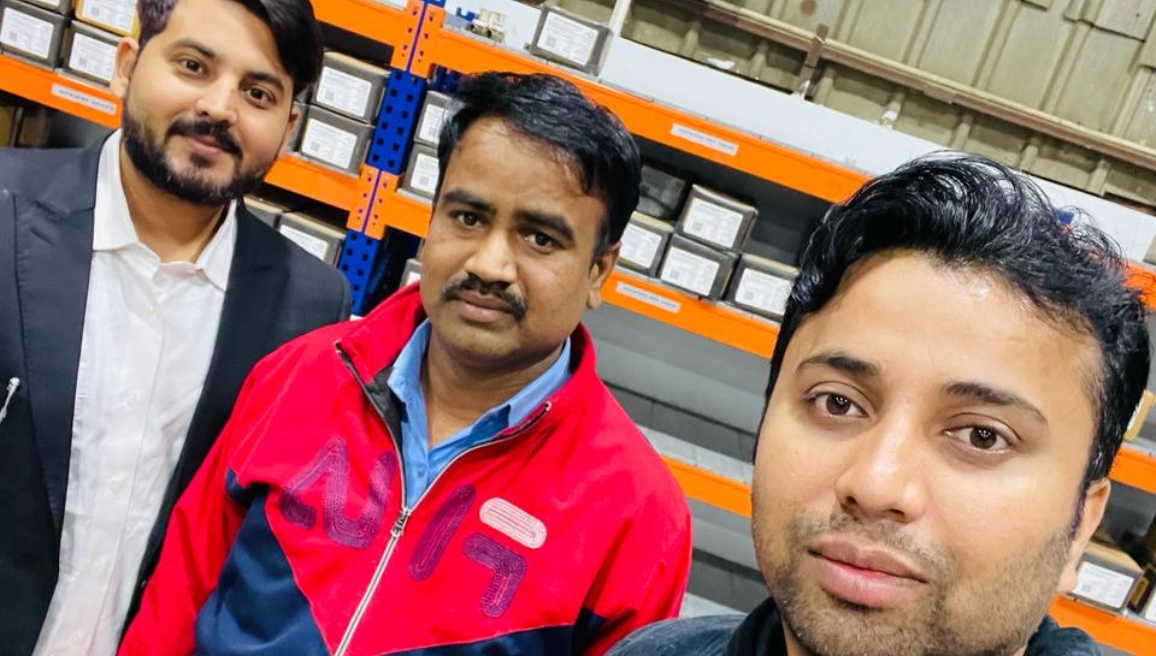
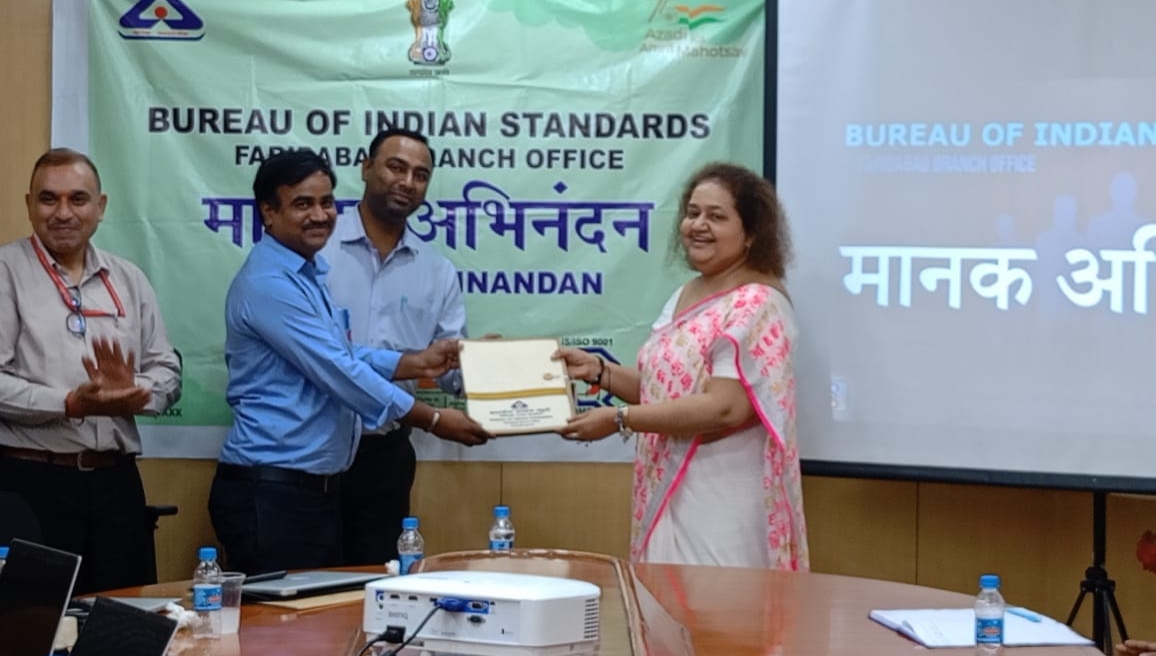
Real sites, real certifications
Our teams work inside factories and plants across India and abroad - inspections, audits and certification milestones spanning BIS, global schemes and the full compliance stack you see on this site.
What our clients say
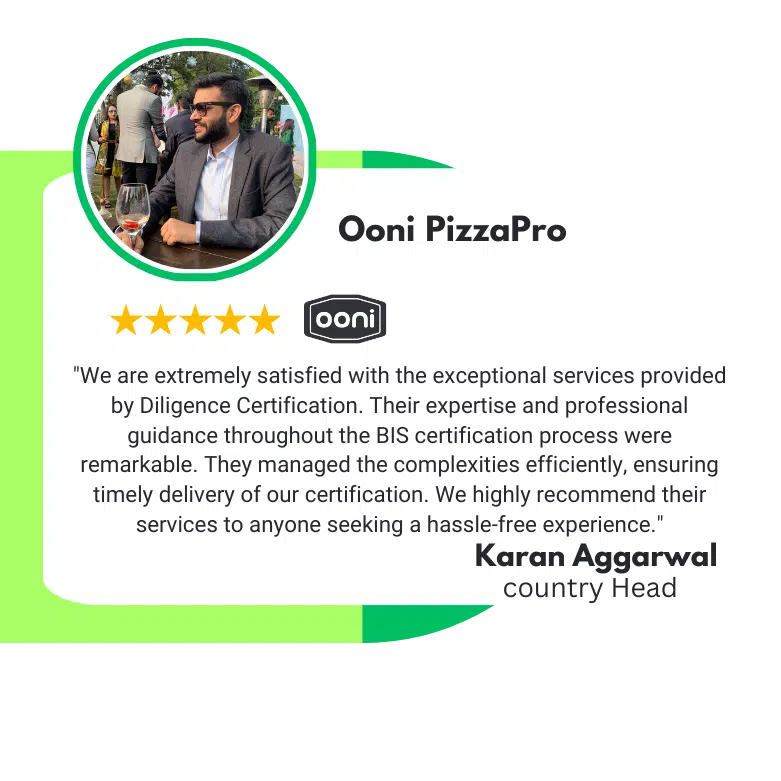
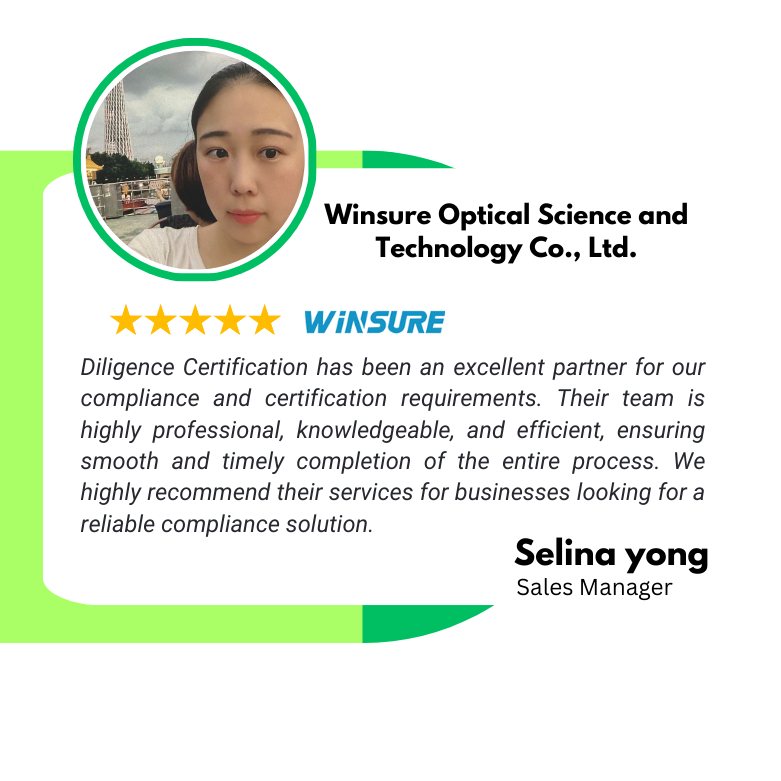
Reviews and feedback from businesses that have worked with Diligence Certifications.
Related Global Approvals services
RoHS Certification
Restriction of Hazardous Substances compliance.
View details →UL Certification
UL Certification for North American markets.
View details →FCC Certification
FCC certification for US market entry.
View details →CE Certification
CE marking for European Union market access.
View details →CB Certification
IECEE CB Scheme certification - global recognition.
View details →SAFTA Certificate
South Asian Free Trade Area certificate of origin.
View details →Ready to get KC certification?
Talk to our experts for a clear, fixed-scope plan - most clients get a roadmap the same day.