 BIS Certification
 CDSCO
CDSCO
 PESO
PESO
 CPCB
CPCB
 LMPC
LMPC
 WPC Approval
 Global Approvals
 TEC
TEC
 ARAI
ARAI
 BEE
BEE
 ISO Certification
 DGCA Certification
 NOC For Steel
 APEDA Registration























 Business Registration
 FSSAI Mark Certification












 (32).jpg)
 Legal Services
 Trademark Registration
 Copyright Registration
 Patent Registration
DGCA Certification
DGCA certification is the approval the Directorate General of Civil Aviation grants for drones in India under the Drone Rules,...
Get expert consultation
Trusted by 25,000+ leading enterprises worldwide



Key takeaways
- DGCA certification for drones is governed by the Drone Rules, 2021, issued under the Aircraft Act, 1934 and the Aircraft Rules.
- It is administered by the Directorate General of Civil Aviation (DGCA) through the Digital Sky platform.
- A drone model must hold a Type Certificate (TC) before it can be manufactured, imported or operated in India.
- Every drone must be registered and carry a Unique Identification Number (UIN).
- A pilot must hold a Remote Pilot Certificate (RPC) obtained through a DGCA-authorised Remote Pilot Training Organisation (RPTO).
- Type certification is benchmarked against the Certification Scheme for Unmanned Aircraft Systems (CSUAS) standards set by QCI.
- Nano drones are largely exempt, but heavier categories require full compliance.
What is DGCA certification?
DGCA certification is the formal approval the Directorate General of Civil Aviation grants to unmanned aircraft systems - commonly called drones - to confirm they are safe to manufacture, import and fly in Indian airspace. It sits at the heart of the Drone Rules, 2021, which liberalised drone operations while keeping safety, security and accountability firmly in place.
The framework has three connected pillars: a Type Certificate for the drone model, registration with a Unique Identification Number for each individual drone, and a Remote Pilot Certificate for the person flying it. Together they ensure that only approved equipment, operated by trained pilots, takes to the skies.
Drone categories by weight
- Nano: up to and including 250 grams
- Micro: greater than 250 g and up to 2 kg
- Small: greater than 2 kg and up to 25 kg
- Medium: greater than 25 kg and up to 150 kg
- Large: greater than 150 kg
- Each category carries different compliance obligations
The three certifications under the Drone Rules
Most drone businesses need more than one approval. What you require depends on whether you build, import, own or fly the aircraft.
| Certification | What it covers |
|---|---|
| Type Certificate (TC) | Approval of a specific drone model against airworthiness and safety standards, required before manufacture, import or sale. |
| Unique Identification Number (UIN) | Registration of each individual drone on Digital Sky, linking it to its owner. |
| Remote Pilot Certificate (RPC) | Authorisation for the pilot, issued after training at a DGCA-approved RPTO. |
| Who needs it | Typical requirement |
|---|---|
| Manufacturers | Type Certificate for each model |
| Importers | Type Certificate plus import clearance |
| Owners and operators | UIN for every drone |
| Pilots | Remote Pilot Certificate |
Who needs DGCA certification?
Almost everyone in the drone value chain interacts with DGCA in some form. The obligation scales with the size of the aircraft and the nature of the activity.
Businesses and individuals that must comply
- Drone manufacturers building units for the Indian market
- Importers bringing foreign drone models into India
- Enterprises using drones for surveying, mapping or inspection
- Agriculture operators spraying and monitoring crops
- Media, film and photography teams flying for aerial work
- Logistics and delivery pilots and operators
Nano drones flown for personal, recreational use are largely exempt from registration and pilot-certificate requirements, but heavier categories and all commercial use attract the full framework.
Why DGCA certification is mandatory
Under the Drone Rules, 2021, operating an uncertified or unregistered drone in Indian airspace is an offence. The rules exist to protect aviation safety, national security and the privacy of citizens, and DGCA enforces them strictly through the Digital Sky platform.
What non-compliance can cost you
- Monetary penalties imposed under the Drone Rules and the Aircraft Act.
- Seizure of the drone by enforcement authorities.
- Suspension or cancellation of your UIN or pilot certificate.
- Restrictions on flying in green, yellow and red airspace zones.
The certification process, step by step
The process runs almost entirely through the Digital Sky platform. The path differs for certifying a model versus certifying a pilot.
Type Certificate and UIN
Prepare
Compile the technical specifications, design documents and test reports for the drone model.
Apply on Digital Sky
Submit the Type Certificate application through the Digital Sky platform with the supporting dossier.
Testing and assessment
The drone is tested at a QCI-authorised testing entity against the CSUAS standards.
Grant and register
DGCA issues the Type Certificate, after which each unit is registered to obtain its UIN.
Remote Pilot Certificate
Enrol
Join a DGCA-authorised Remote Pilot Training Organisation (RPTO) for your drone category.
Train
Complete the theory and practical flying modules prescribed for the category.
Assessment
Pass the skill test and assessment conducted by the RPTO.
Issue
The Remote Pilot Certificate is generated on Digital Sky, valid for flying within its scope.
Documents required
- Technical specifications and design drawings of the drone
- Test reports against the applicable CSUAS standards
- Details of the flight controller, firmware and software
- Proof of compliance with no-permission-no-takeoff (NPNT) requirements
- Manufacturer or importer identity and incorporation documents
- For imports: DGFT import clearance and equipment-type approval from WPC, where applicable
- Owner identity and address proof for UIN registration
- RPTO training completion and assessment records for the pilot certificate
Validity & renewal
- A Remote Pilot Certificate is valid for ten years and is renewable.
- A UIN remains valid for as long as the drone is in service and ownership details stay current.
- Transfer or deregistration of a drone must be recorded on Digital Sky.
- A certificate or UIN may be suspended or cancelled by DGCA for non-compliance.
Need related approvals? See our WPC Certification and BIS Certification services for the equipment and component side of your products.
Fees, validity & timeline
Costs vary with the drone category, the type of approval and the testing involved. Government fees are notified under the Drone Rules; the typical components are:
| Cost factor | Details |
|---|---|
| Type Certificate fee | Government fee for model certification, scaled by category |
| Testing charges | Payable to the QCI-authorised testing entity |
| UIN registration fee | Per-drone fee for the Unique Identification Number |
| Pilot training and RPC | RPTO course fees and certificate charges |
Timelines depend on testing schedules and the completeness of the dossier; pilot certification is usually the quickest leg, while a Type Certificate takes longer because of physical testing.
Not sure which approval you need?
Tell us whether you manufacture, import, operate or fly, and we will map the exact certificates, documents and timeline for your drone programme.
Benefits of DGCA certification
Legal operation
Fly, manufacture and sell drones without the risk of penalties, seizure or grounding.
Market access
A Type Certificate unlocks sales to enterprises and government buyers who insist on certified equipment.
Airspace clarity
Registered drones and certified pilots can plan flights confidently across green and yellow zones.
Stronger reputation
Certification signals safety and reliability to clients, insurers and partners.
Insurance and tenders
Most insurers and public tenders require valid DGCA approvals before they engage.
Make in India edge
Certified Indian-made drones gain priority under government drone-promotion schemes.
Why Diligence Certifications
Drone certification spans engineering documentation, physical testing, airspace rules and pilot training - and a single missing file can stall the whole programme. We bring the regulatory expertise to keep your Digital Sky application moving and your drones legal from day one.
- End-to-end handling of Type Certificate, UIN and pilot-certificate workflows
- Hands-on familiarity with the Digital Sky platform and DGCA processes
- Guidance on CSUAS testing, NPNT and category-specific obligations
- Coordination of related WPC and import clearances where needed
- A single point of contact from dossier to grant
Frequently asked questions
What is DGCA certification for drones?
It is the approval the Directorate General of Civil Aviation grants under the Drone Rules, 2021, confirming that a drone model, its registration and its pilot meet India’s airworthiness and safety standards. It covers the Type Certificate, the Unique Identification Number and the Remote Pilot Certificate.
Which authority issues drone certification in India?
The Directorate General of Civil Aviation (DGCA), under the Ministry of Civil Aviation, administers drone certification through the Digital Sky platform, with testing benchmarked against standards set by the Quality Council of India (QCI).
Do I need a Remote Pilot Certificate to fly a drone?
For most categories above the nano class, yes. The Remote Pilot Certificate is obtained by completing training at a DGCA-authorised Remote Pilot Training Organisation (RPTO). Nano drones flown recreationally are largely exempt.
What is a Type Certificate and who needs it?
A Type Certificate approves a specific drone model against the CSUAS standards. Manufacturers and importers must hold one before that model can be made, imported or sold in India.
How is a drone registered for a UIN?
The owner applies on the Digital Sky platform with the drone and owner details to obtain a Unique Identification Number, which links each individual drone to its owner.
What happens if I fly an unregistered drone?
Flying an uncertified or unregistered drone is an offence under the Drone Rules, 2021, and can lead to monetary penalties, seizure of the drone and cancellation of any certificates you hold.
Why choose Diligence Certification?
For compliance and credibility, Diligence is much more than a checklist - we give you real confidence in your business. We examine your legal, financial and operational status, so you are not just certified, but trusted.
Stronger risk protection
Spot hidden legal, financial or operational risks early - fix problems before they become threats.
Earn stakeholder trust
From investors to customers, people want to work with businesses that play by the rules.
Stay legally aligned
Compliant not just on products but on labour, environmental and tax laws too.
Enhance brand reputation
Show the world you operate with integrity and transparency.
Stand out from competitors
In a crowded market, credibility is your biggest edge.
24×7 expert support
A 100+ strong service team guiding you at every step, free first consultation.
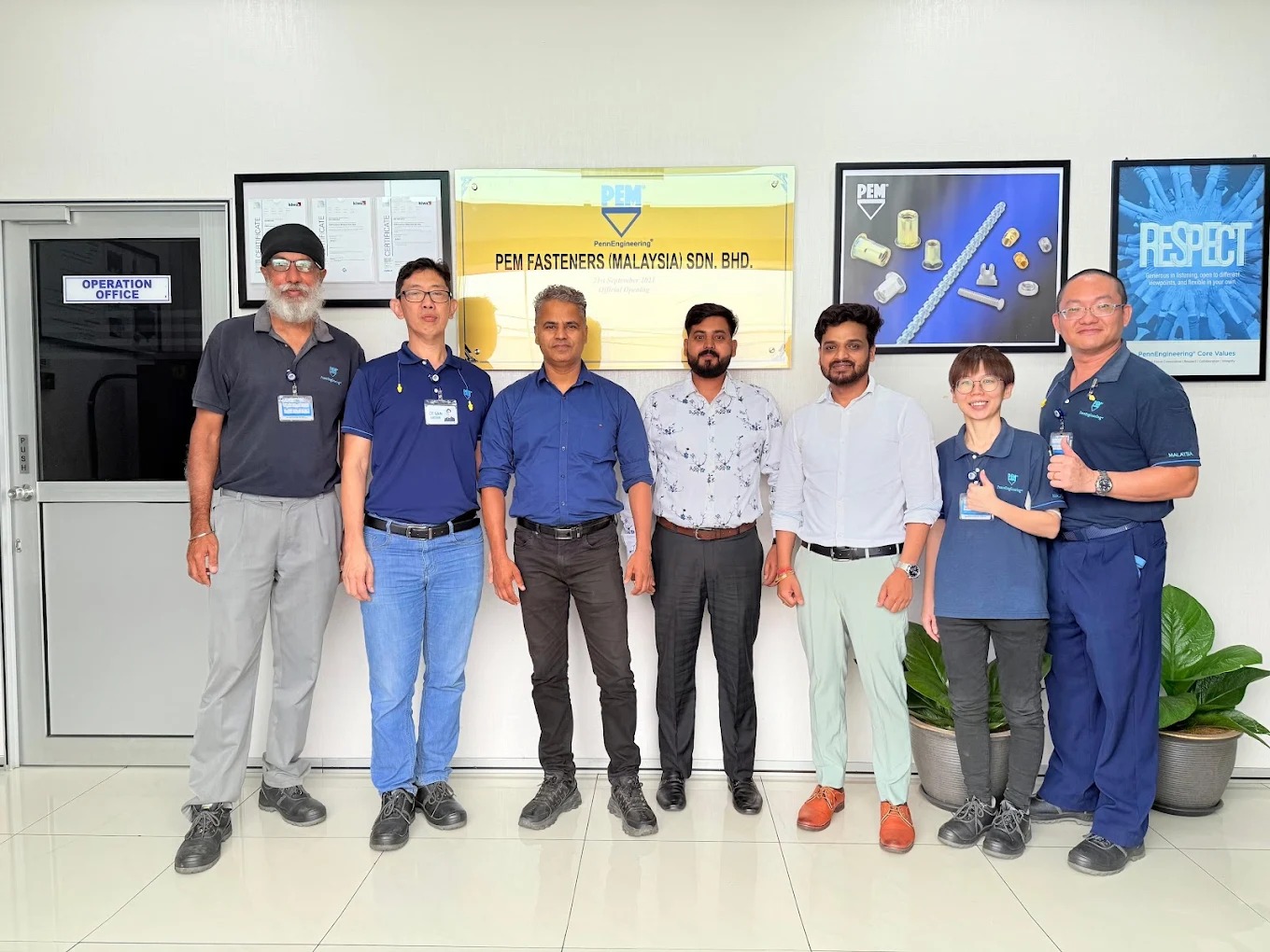
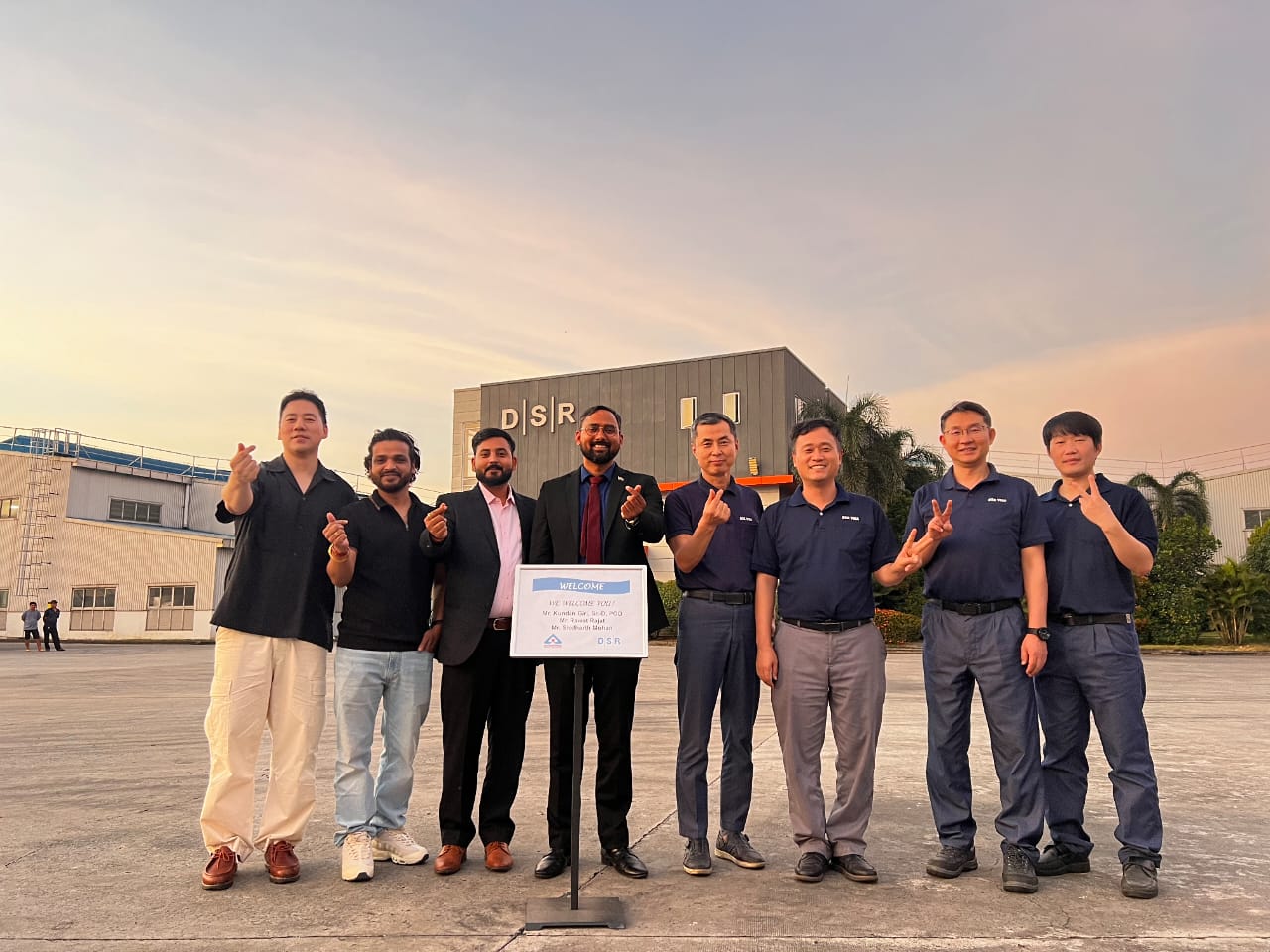
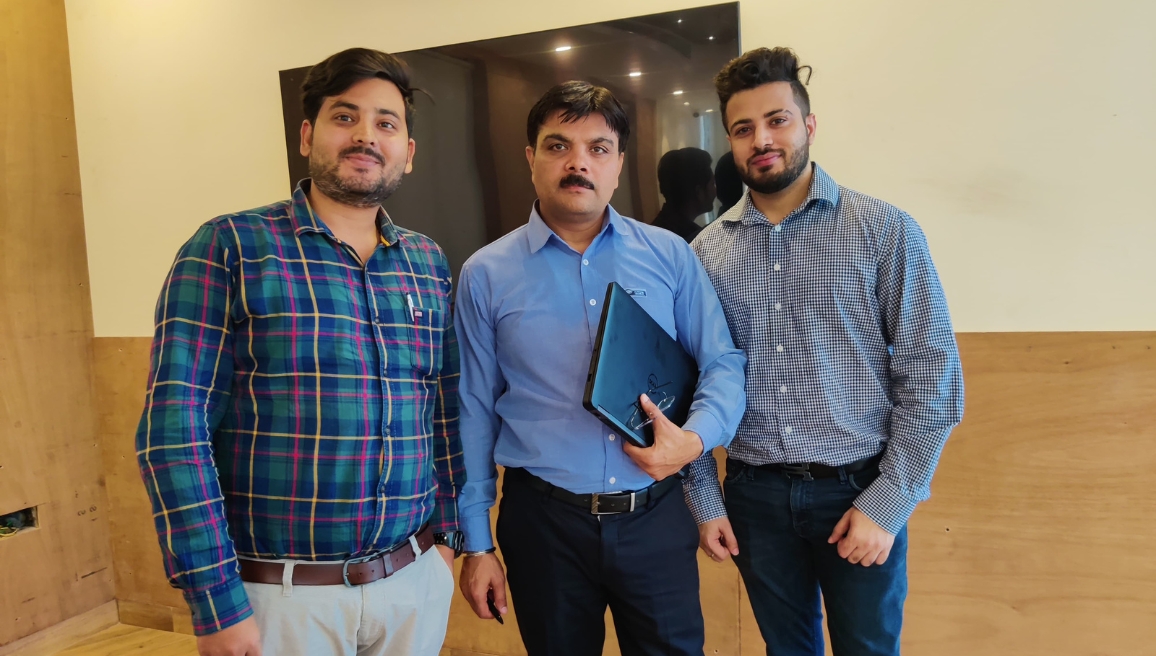
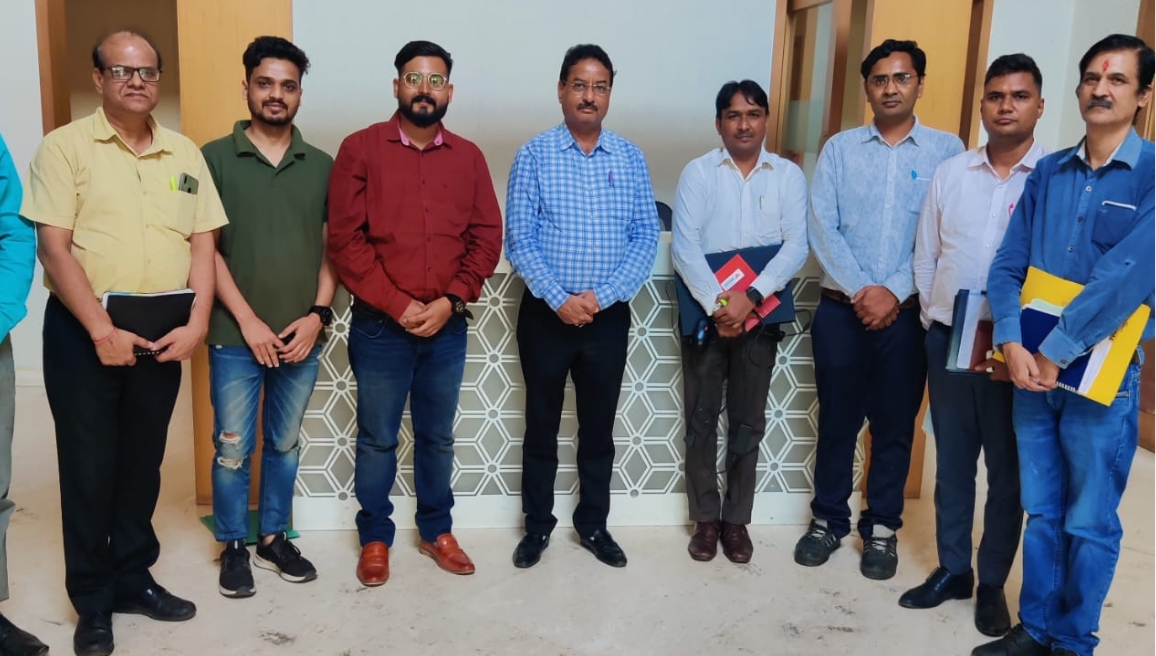
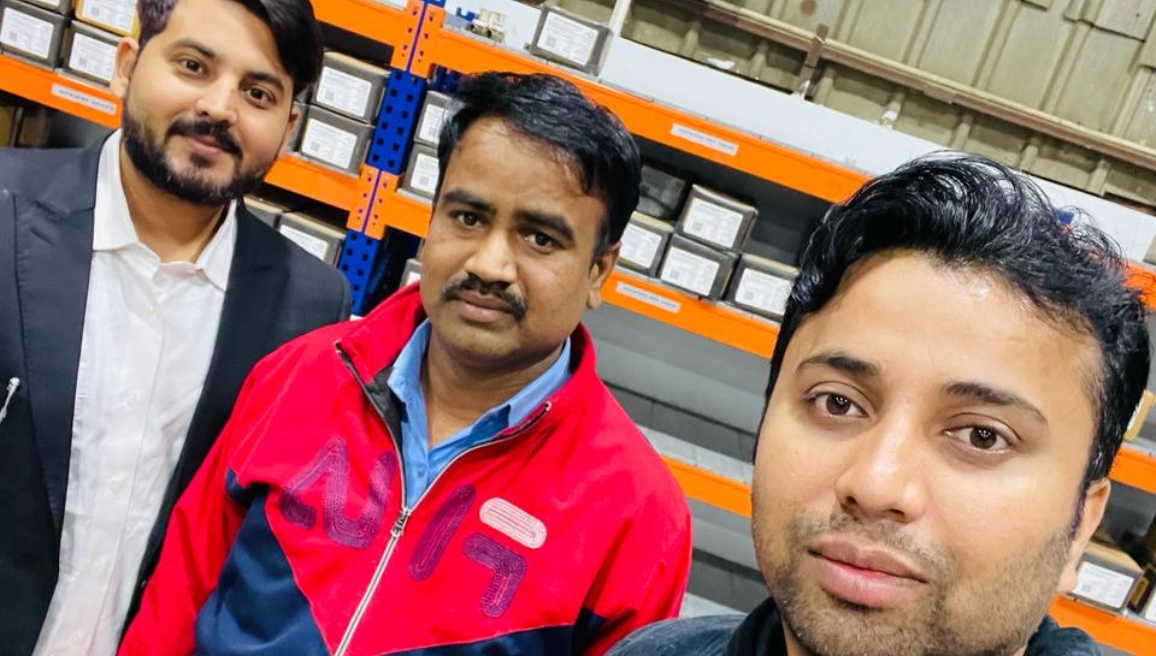
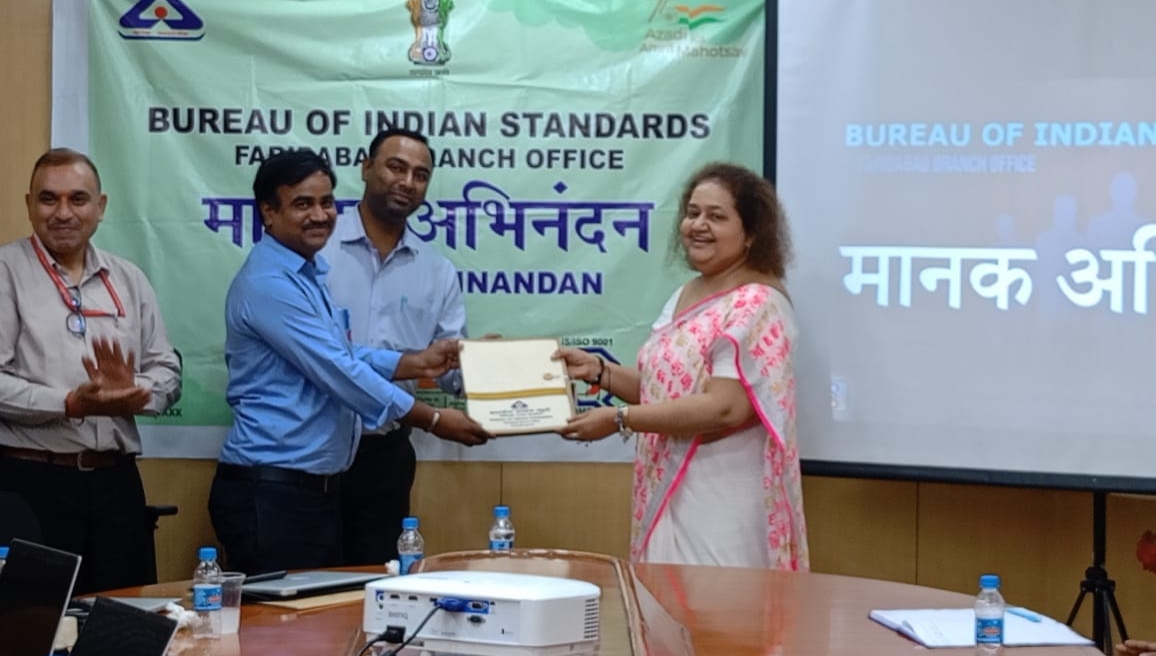
Real sites, real certifications
Our teams work inside factories and plants across India and abroad - inspections, audits and certification milestones spanning BIS, global schemes and the full compliance stack you see on this site.

What our clients say
Reviews and feedback from businesses that have worked with Diligence Certifications.







Related DGCA / Drones services
UIN Registration
Unique Identification Number registration for drones.
View details →Remote Pilot Certificate
DGCA Remote Pilot Certificate - rules & compliance.
View details →DGCA Certification
A clear guide to the DGCA certification process for drones under the Drone Rules, 2021: Type.
View details →Drone Registration
Complete guide to drone registration in India: DGCA UIN on Digital Sky, type certificate.
View details →Ready to get DGCA Certification?
Talk to our experts for a clear, fixed-scope plan - most clients get a roadmap the same day.