 BIS Certification
 CDSCO
CDSCO
 PESO
PESO
 CPCB
CPCB
 LMPC
LMPC
 WPC Approval
 Global Approvals
 TEC
TEC
 ARAI
ARAI
 BEE
BEE
 ISO Certification
 DGCA Certification
 NOC For Steel
 APEDA Registration














 Business Registration
 FSSAI Mark Certification










 (32).jpg)
 Legal Services
 Trademark Registration
 Copyright Registration
 Patent Registration
E-Waste certification
E-Waste Certification and CPCB registration let your business legally collect, recycle and dispose of electronic waste under the E-Waste (Management)...
Get expert consultation
Trusted by 25,000+ leading enterprises worldwide










Key takeaways
- E-Waste Certification confirms compliance with the E-Waste (Management) Rules, 2022.
- Businesses must obtain CPCB registration on the designated portal to legally manage e-waste.
- It helps manufacturers, producers, importers and brand owners meet their Extended Producer Responsibility (EPR) obligations.
- Registration is done by category, and entities operating in multiple categories must register separately for each.
- Registered entities file quarterly and annual returns on the portal within the month following each reporting period.
- It reduces hazards from toxic substances in electronics and protects environmental and corporate reputation.
- An EPR Registration Certificate is valid for five years and must be renewed to stay compliant.
What is E-Waste Certification?
E-Waste Certification is an official recognition that allows an organisation to handle, store, recycle or dispose of e-waste in compliance with the E-Waste (Management) Rules, 2022. It demonstrates that a business uses safe methods aligned with environmental best practice and the guidelines of the Central Pollution Control Board (CPCB).
Every business today uses electronic equipment such as computers, servers and mobile devices. When these devices expire they become e-waste, one of the fastest growing waste streams in India. Discarded electronics contain toxic elements that are hazardous to human health and the environment if not treated properly, and mishandling exposes businesses to substantial penalties.
Why responsible e-waste management matters
- Environmental protection: components such as lead, mercury and cadmium can contaminate soil, water and air
- Resource conservation: recycling recovers gold, silver and copper, reducing mining and saving natural resources
- Human health: e-waste hazards pose a direct danger to people
- Legality: the rules bind manufacturers, importers and producers of electronic goods
- Stronger CSR profile and reduced reputational risk
- Safe recycling and disposal of electronics through authorised channels
Equipment and stakeholders covered
The rules apply to every stakeholder in the lifecycle of the electrical and electronic equipment listed in Schedule I, including manufacturing, selling, refurbishing, dismantling, recycling and processing. Each equipment category carries an official code.
| Equipment code group | Covers |
|---|---|
| CEEW | Consumer electronics: televisions, refrigerators, washing machines, air-conditioners, monitors, set-top boxes, solar panels |
| LSEEW | Large and small appliances: freezers, dishwashers, microwaves, fans, vacuum cleaners, dispensers, hair dryers, kettles |
| ITEW | IT and telecom: personal computers, laptops, printers, copiers, fax, user terminals |
| MDW | Medical devices: radiotherapy, dialysis, ventilators, MRI, PET and CT scanners, lab analysers |
| EETW / TLSEW / LIW | Electrical tools, toys and leisure equipment, and laboratory instruments |
| Stakeholder | Core duty |
|---|---|
| Manufacturer | Register on the portal and recycle through registered recyclers |
| Producer | Register, meet EPR targets and run e-waste awareness programmes |
| Refurbisher | Register and ensure refurbished equipment meets standards in force |
| Bulk consumer | Hand e-waste only to registered producers, refurbishers or recyclers |
| Recycler | Register and apply CPCB facility and recycling standards, recording all operations on the portal |
Benefits of E-Waste Certification
Legal compliance
Stay aligned with the E-Waste (Management) Rules, 2022 and avoid fines, penalties and operational restrictions.
Lower raw-material cost
EPR promotes recycling and reuse of e-waste, creating scope to reduce raw-material costs for producers and manufacturers.
Safer environment
Environmentally sound disposal of e-waste reduces the burden placed on the environment.
Stronger brand image
EPR authorisation from the CPCB has a positive impact on product image and market reputation.
Sustainable development
Responsible handling reduces the waste burden and slows the degradation of natural resources.
Market access
Compliance keeps you free to sell electronic goods within India legally and builds trust with regulators.
Why registration is mandatory
The E-Waste (Management) Rules, 2022 were notified by the Ministry of Environment, Forests and Climate Change on 2 November 2022, with effect from 1 April 2023. They require manufacturers, producers, refurbishers and recyclers to register on a designated portal under the proper category and manage the e-waste they generate. No unregistered entity can carry on its business. Producers of equipment listed in Schedule I register to establish and implement the EPR targets assigned in Schedules III and IV.
What non-compliance can cost you
- Heavy fines and penalties as per CPCB guidelines.
- Cancellation of business operations and licences.
- Legal action and restrictions on the business.
- Annual and quarterly returns remain mandatory, filed within the month following each period.
The EPR registration process, step by step
EPR authorisation for e-waste is handled through the CPCB. The path below follows the official procedure from documentation to the issue of the EPR certificate.
Filing the application
Documentation
Gather the documents needed for EPR authorisation, including a detailed EPR plan for collection and recycling.
Application form
Complete the application form accurately with a description of the EPR plan and other required details.
Submission
Submit the filled application with all supporting documents to the respective department.
Review and approval
Review
The CPCB reviews the application and evaluates the EPR plan. If information is missing or unclear, it may issue a checklist seeking clarifications within a maximum of 25 days.
Approval
After evaluation the EPR plan is approved by the Chairman, CPCB.
Authorisation issued
The divisional head issues the EPR authorisation, and you can manage e-waste legally.
Documents required
- Address proof of the manufacturer or importer
- GST certificate showing the address of the manufacturing unit
- Incorporation certificate or document from the Registrar of Companies
- Copy of the Import Export Code (IEC) for importers
- Agreements with dealers, collection centres, dismantlers, recyclers and TSDFs
- Self-declaration for RoHS compliance in the prescribed format
- Technical documents on product, materials, parts and analytical test results
- Authorisation issued by the SPCBs or PCCs, with PAN and TIN details
- EPR plan documents, proposed awareness programmes and estimated EPR budget
Validity & renewal
- An EPR Registration Certificate is valid for five years.
- It must be renewed to remain compliant with CPCB rules.
- Registered entities file quarterly and annual returns on the portal.
- A registration and annual maintenance fee may be levied by the CPCB based on the e-waste generated, recycled or handled.
Need related approvals? See our ROHS Certification, CPCB Certification and Plastic Waste Compliance services.
Coverage and scope
EPR registration is mandatory for every business linked to the manufacturing, importing, selling and recycling of electronic products. It officially applies to:
- Manufacturers of electrical and electronic products
- Importers who bring electronic goods into India
- Brand owners selling electronic items under their name
- E-waste recyclers and dismantlers managing electronic waste
Not sure which category you fall under?
Tell us whether you manufacture, import, sell or recycle electronics, and we will map the exact registration, documents and EPR plan for your products.
The E-Waste Management Rules and EPR registration are administered by the Central Pollution Control Board (CPCB).
Frequently asked questions
What is EPR registration for e-waste management?
EPR registration is a compulsory requirement under the E-Waste (Management) Rules, 2022. It makes all manufacturers, importers and brand owners of electronic and electrical equipment responsible for the proper collection, recycling and environmentally sound disposal of e-waste.
Is EPR registration compulsory for my business?
Yes. EPR registration is compulsory for all businesses involved in manufacturing, importing, selling or recycling electronic products. Failure to comply can lead to legal penalties, fines and operational restrictions.
What are the steps to register?
Register on the CPCB portal, submit the mandatory documents such as business registration, GST and product details, develop a compliance plan for e-waste collection and recycling, and then receive approval and issuance of the EPR certificate.
How long does approval take?
Approval times vary, but most take 30 to 60 days. We help businesses obtain their certifications faster and without hassle.
How long is the EPR certificate valid?
An EPR Registration Certificate is valid for five years and must be renewed to stay compliant with CPCB rules.
What happens if I do not comply?
Non-compliance with the E-Waste (Management) Rules, 2022 can lead to heavy fines and penalties as per CPCB guidelines, cancellation of business operations and licences, and legal action and restrictions on the business.
Why choose Diligence Certification?
For compliance and credibility, Diligence is much more than a checklist - we give you real confidence in your business. We examine your legal, financial and operational status, so you are not just certified, but trusted.
Stronger risk protection
Spot hidden legal, financial or operational risks early - fix problems before they become threats.
Earn stakeholder trust
From investors to customers, people want to work with businesses that play by the rules.
Stay legally aligned
Compliant not just on products but on labour, environmental and tax laws too.
Enhance brand reputation
Show the world you operate with integrity and transparency.
Stand out from competitors
In a crowded market, credibility is your biggest edge.
24×7 expert support
A 100+ strong service team guiding you at every step, free first consultation.
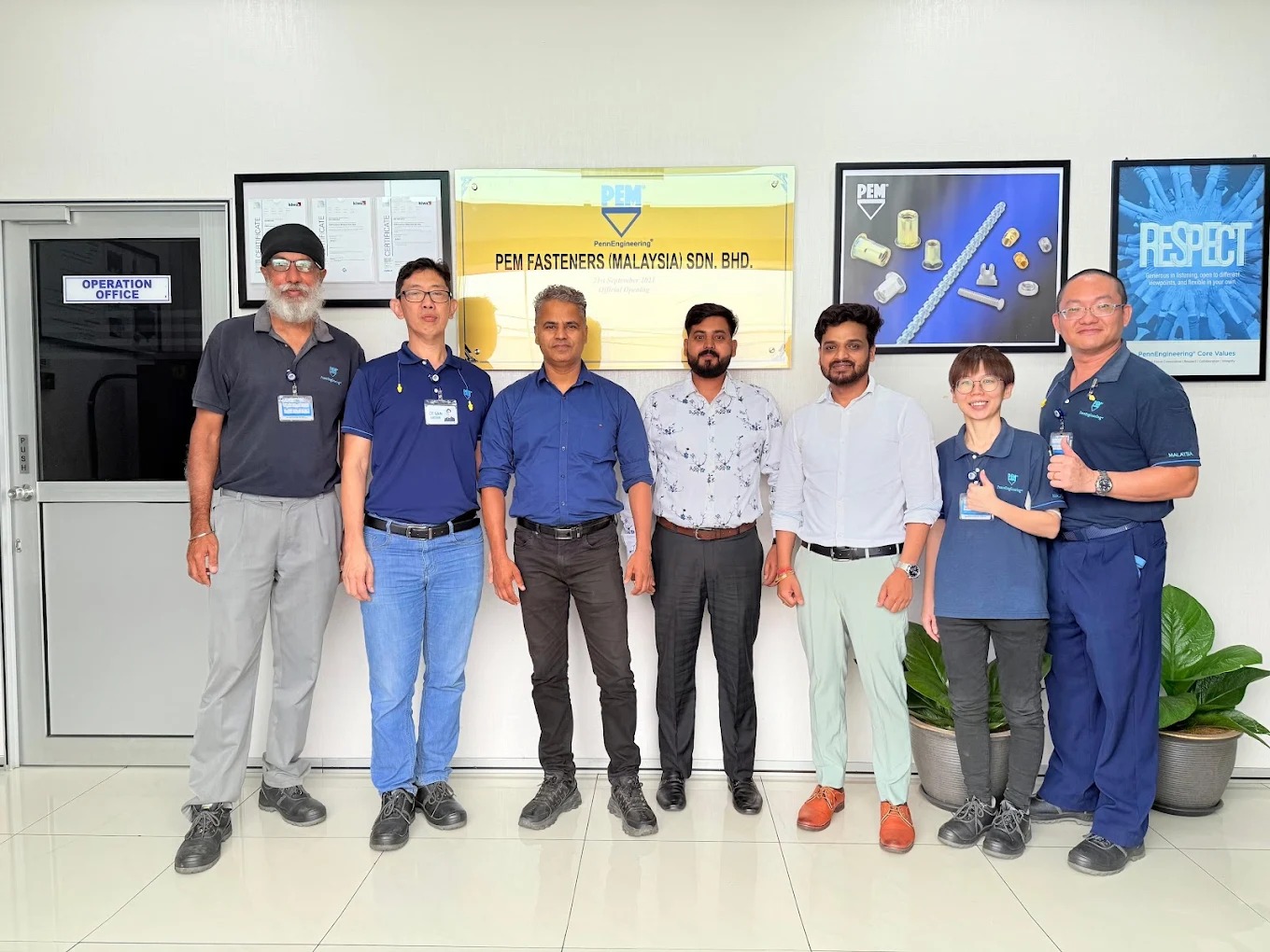
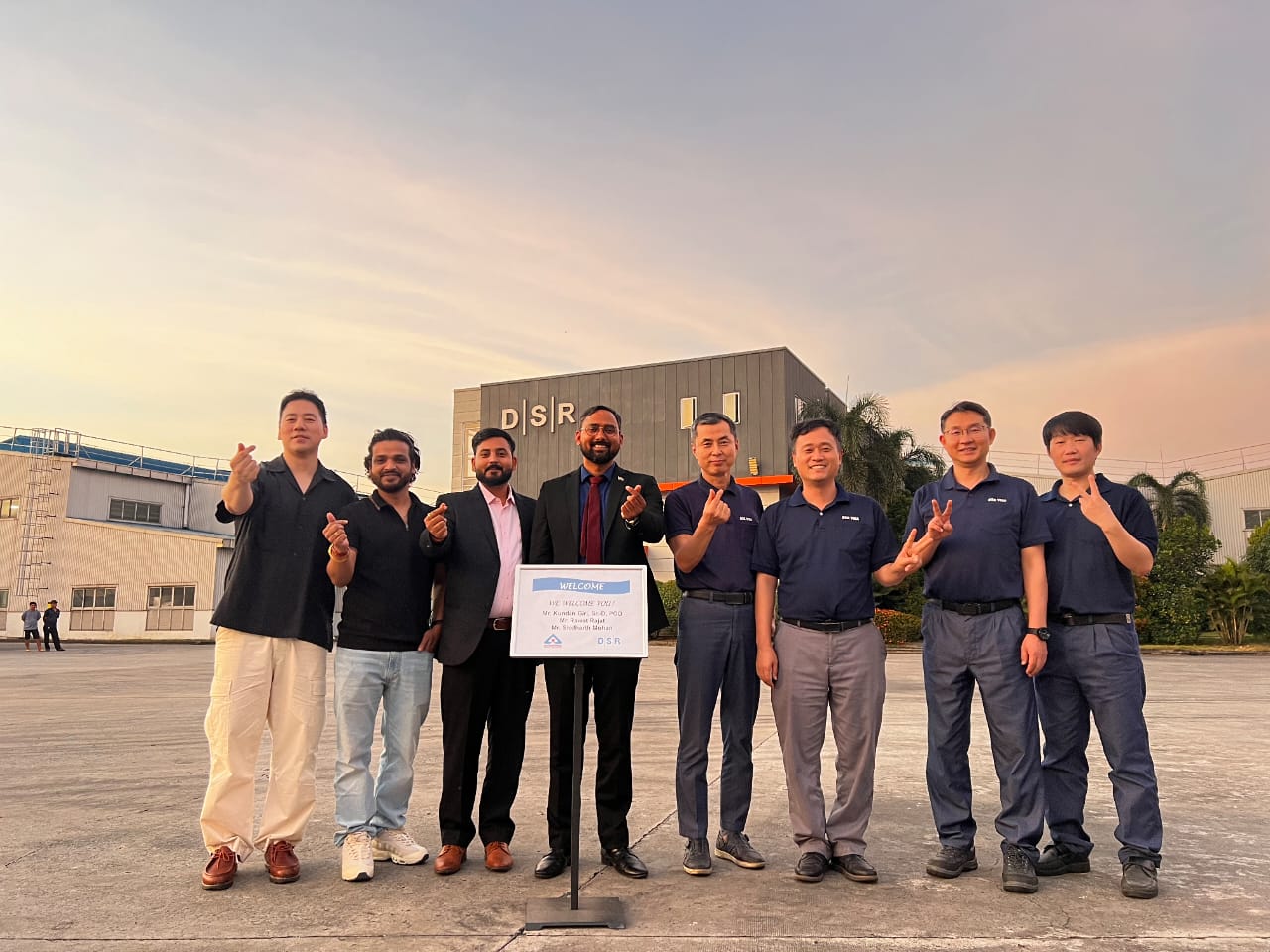
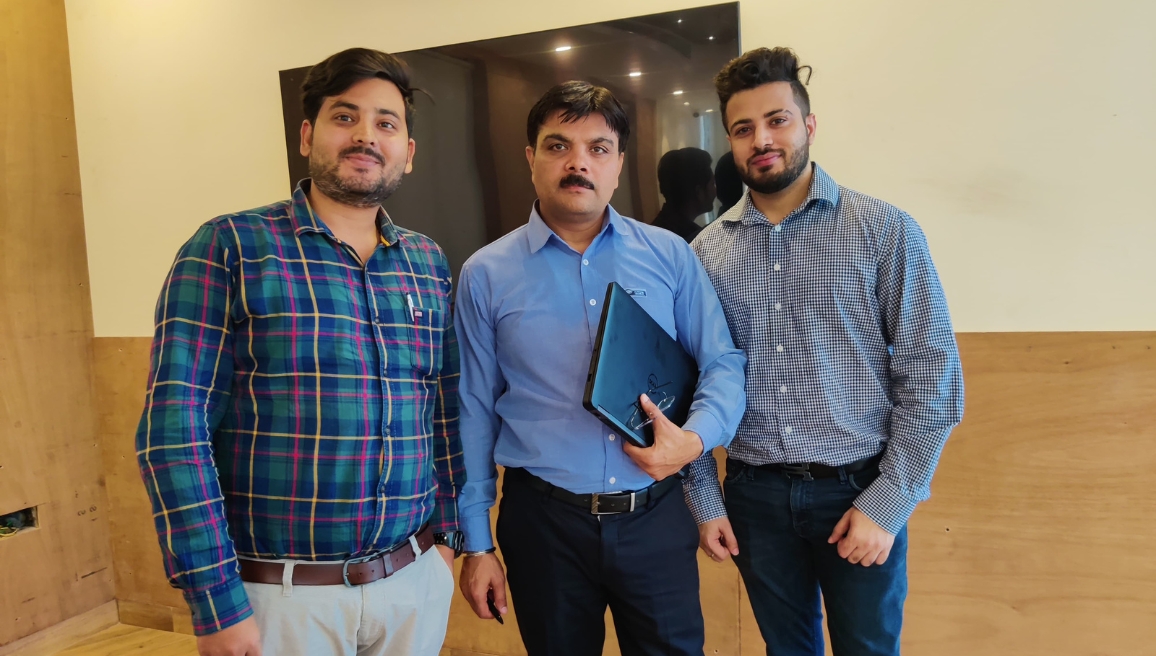
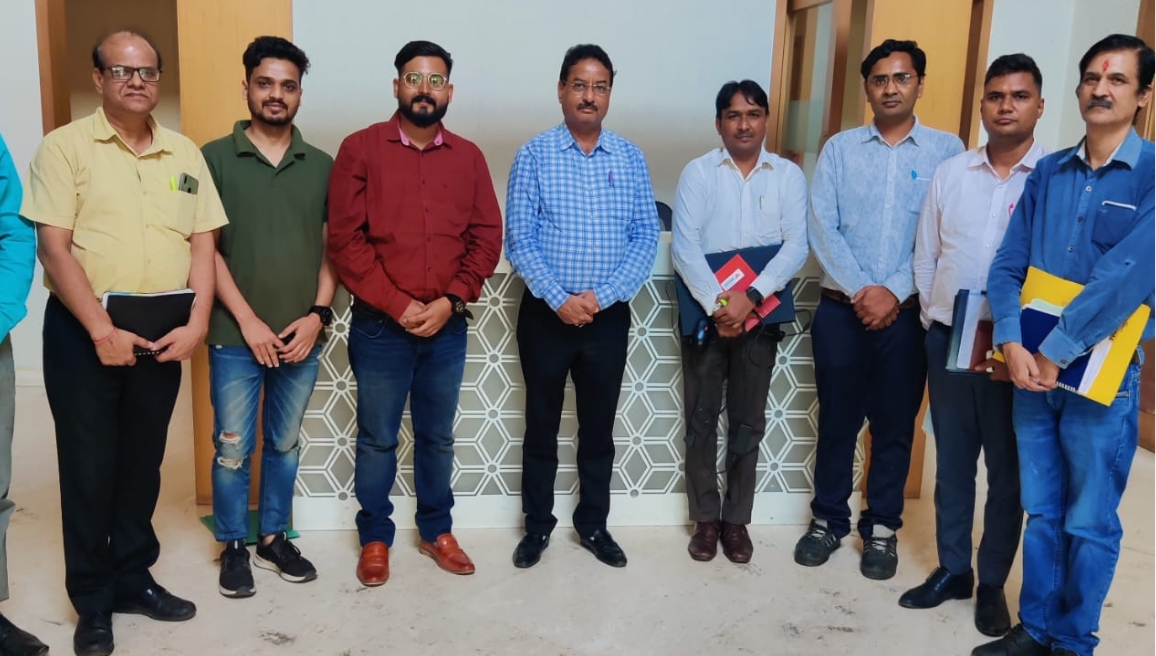
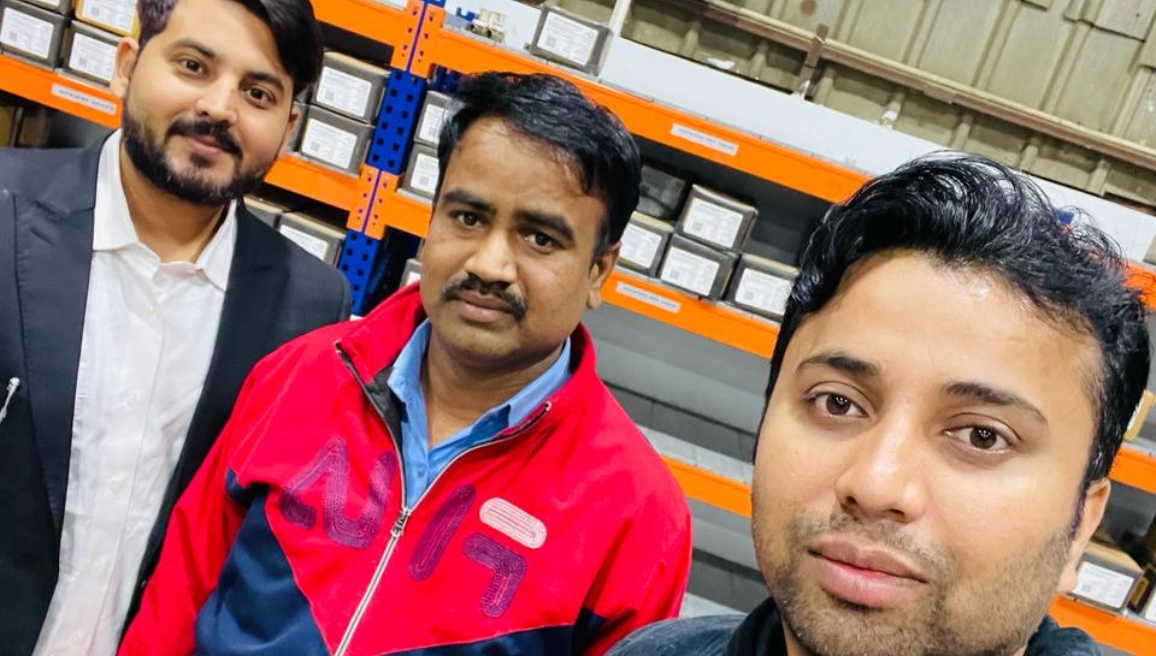
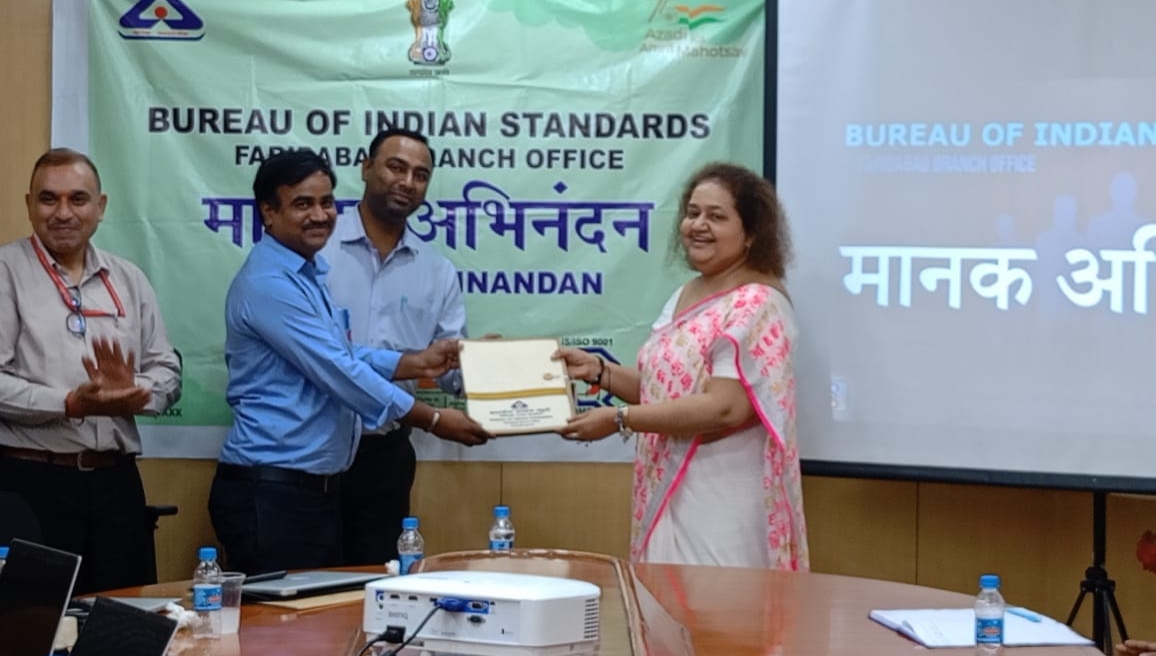
Real sites, real certifications
Our teams work inside factories and plants across India and abroad - inspections, audits and certification milestones spanning BIS, global schemes and the full compliance stack you see on this site.

What our clients say
Reviews and feedback from businesses that have worked with Diligence Certifications.






Related CPCB / Environmental services
CPCB Certification
CPCB Certification & environmental compliance.
View details →Battery Waste Compliance
EPR registration & compliance for battery waste.
View details →Tyre Waste Management
Tyre Waste Management & EPR registration.
View details →Plastic Waste Compliance
Plastic Waste Compliance Certification & EPR.
View details →EPR for Used Oil
EPR registration for used oil in India.
View details →No Objection Certificate
NOC from environmental authorities - quick processing.
View details →Ready to get E-Waste certification?
Talk to our experts for a clear, fixed-scope plan - most clients get a roadmap the same day.