 BIS Certification
 CDSCO
CDSCO
 PESO
PESO
 CPCB
CPCB
 LMPC
LMPC
 WPC Approval
 Global Approvals
 TEC
TEC
 ARAI
ARAI
 BEE
BEE
 ISO Certification
 DGCA Certification
 NOC For Steel
 APEDA Registration























 Business Registration
 FSSAI Mark Certification












 (32).jpg)
 Legal Services
 Trademark Registration
 Copyright Registration
 Patent Registration
UL certification
UL Certification is a globally recognised safety mark from Underwriters Laboratories that proves your product meets rigorous safety, quality and...
Get expert consultation
Trusted by 25,000+ leading enterprises worldwide

Key takeaways
- UL Certification is a globally recognised safety mark from Underwriters Laboratories (UL) that confirms a product meets rigorous safety, quality and performance standards.
- It is open to any manufacturer, assembler, supplier, brand or retailer, with no restriction on company size or location.
- In most cases UL Certification is not mandated by law, but it is strongly advised for market acceptance and consumer trust.
- The process covers testing, evaluation, factory inspection and ongoing surveillance against UL standards.
- It is recognised worldwide, easing entry into global markets and reducing the need for multiple certifications.
- Certification stays valid as long as the product keeps complying with UL standards, with periodic factory inspections for renewal.
- Typical timelines run from a few weeks to several months, often 8 to 12 weeks depending on product complexity.
What is UL Certification?
UL Certification is a globally recognised safety mark that assures consumers and businesses that a product meets rigorous safety, quality and performance standards. It is widely trusted across industries, from electronics and appliances to industrial equipment and consumer goods. Earning UL Certification demonstrates compliance with regional and international regulations, enhances product credibility, builds customer trust and opens doors to global markets.
The certification process involves thorough testing, evaluation and continuous surveillance to ensure that products consistently meet established safety standards. Whether you are launching a new product or strengthening your brand reputation, UL Certification plays a crucial role in ensuring safety, reliability and competitive advantage.
Where UL Certification applies
- Electronics and IT hardware
- Household and commercial appliances
- Industrial equipment and machinery
- Electrical and electronic components
- Consumer goods sold under a brand name
- Products bound for international markets
Who can apply for UL Certification
Certification by UL is open to any manufacturer, producer or supplier wishing to demonstrate that their products meet UL safety standards. There are no special restrictions on the size or location of the company. Anyone who produces goods that fall within UL laboratory testing and certification may apply.
| Applicant | Role |
|---|---|
| Manufacturers | Those bearing the actual responsibility for the product. |
| Assemblers | Those who assemble components into a final product. |
| Suppliers | Those who supply components included in a UL-certified product. |
| Brands and retailers | Though not part of manufacturing, they can pursue UL listing to protect the safety and quality of products sold under their name. |
| Who typically certifies | Examples |
|---|---|
| Equipment makers | All manufacturers of electrical and electronic equipment. |
| Trading firms | Exporting and importing firms of industrial and domestic electrical appliances. |
| Distribution channel | Retailers and distributors who deal with safety-compliant products. |
| Safety-critical sectors | Companies and industries with high safety demands. |
Benefits of UL Certification
Enhanced safety
Products are tested to UL safety requirements, minimising risk and confirming acceptance against the relevant safety standards.
Expert support
UL Solutions offers consulting, marketing and advisory services across product development and compliance.
Credibility and trust
The Underwriters Laboratories mark builds confidence with consumers and stakeholders, signalling a commitment to quality and safety.
Market acceptance
Recognition and acceptance of the UL mark unlocks market entry and stronger sales.
Lower liability
Demonstrating safety reduces liability risk and can earn lower premiums on liability insurance.
Easier global approvals
UL Certification helps secure approvals across countries faster, reducing the cost and time of multiple certifications.
Why UL Certification matters for compliance
In most instances UL Certification is not mandated by law, but it is strongly advised for manufacturers, importers and retailers to gain consumer trust and establish conformity with safety standards. It is a hallmark of international endorsement, declaring that a product was tested for safe and proper use within its scope and meets the relevant standards and regulatory requirements.
What can happen without certification
- Rejection by retailers and suppliers in the marketplace.
- Safety hazards and legal liabilities tied to the product.
- Loss of consumer trust in the brand.
- Barriers to international trade.
The certification process, step by step
UL evaluates a product through testing, factory inspection and continued surveillance. The path runs from application to the UL Mark, then into ongoing compliance.
Testing and approval
Application and project initiation
Submit an application with detailed product information such as design, materials and intended use. The UL project engineer helps estimate the costs.
Product sample submission
Send one or more samples of the product to UL for testing.
Testing and evaluation
UL engineers test strictly to the relevant UL standards, covering safety, performance and, where applicable, environmental parameters.
Factory inspection
An initial factory inspection confirms the manufacturer can make consistent, compliant products, reviewing quality control, documentation and equipment.
Mark and maintenance
Report and compliance
When testing, inspection and factory performance satisfy UL, it publishes the reports and the factory can apply the UL Mark to saleable products.
Ongoing surveillance
UL carries out periodic inspections to verify continued compliance with the standards and quality control procedures.
Maintenance of certification
The manufacturer keeps meeting UL requirements, including new standards as they emerge, through the follow-up service programme.
Documents required
- Application form with detailed product and company information
- Product description with technical specifications, design drawings and component information
- Test plan outlining the specific tests and standards applicable to the product
- Sample products for testing purposes
- Quality control documentation on the manufacturer’s processes and procedures
- Compliance records, including previous test reports and certifications, if applicable
Validity & renewal
- Certification stays valid as long as the product continues to comply with UL safety and performance standards.
- Ongoing compliance and adherence to standards are required to keep the certification active.
- Renewal involves submitting updated test reports and, in some cases, undergoing re-evaluation.
- Periodic factory inspections keep the product in line with the latest safety standards.
Exporting to other markets too? See our RoHS Certification, CE Certification and CB Certification services.
Cost & timeline
Cost and timeline depend on the product type, the testing required and the complexity of the evaluation. The typical components are:
| Factor | Details |
|---|---|
| Cost | Varies with product type, testing requirements and complexity of evaluation; best confirmed with a tailored quote. |
| Timeline | From a few weeks to several months, often 8 to 12 weeks, covering documentation, testing and final approval. |
| Validity | Remains valid while the product keeps complying with UL standards. |
| Renewal | Updated test reports, continued compliance and periodic surveillance, with re-evaluation where needed. |
Planning a UL submission?
Tell us your product type and target markets, and we will map the applicable UL standards, documents and timeline, then manage testing and factory inspection end to end.
UL Marks are issued by UL Solutions.
Frequently asked questions
Is UL Certification mandatory?
In most instances UL Certification is not mandated by law, but it is strongly advised for manufacturers, importers and retailers to gain consumer trust and establish conformity with safety standards.
What does UL Certification prove?
It is a hallmark of international endorsement declaring that the product was tested for safe and proper use within its scope and meets the relevant standards and regulatory requirements.
Who should obtain UL Certification?
Manufacturers of electrical and electronic equipment, exporting and importing firms dealing in industrial and domestic electrical appliances, retailers and distributors of safety-compliant products, and safety-demanding companies and industries.
How long does UL Certification take?
It usually takes between 8 and 12 weeks, depending on the complexity of the product, the specifics of testing required and the accuracy of the documents submitted.
What are the main steps to get certified?
Forward the product details to UL for evaluation, send samples for safety and performance testing, undergo a factory inspection of manufacturing processes, receive the UL Mark on approval, then maintain ongoing compliance through periodic audits.
Does UL Certification need renewal?
Yes. It has to be periodically renewed based on scheduled factory inspections to stay in line with the latest safety standards.
Why choose Diligence Certification?
For compliance and credibility, Diligence is much more than a checklist - we give you real confidence in your business. We examine your legal, financial and operational status, so you are not just certified, but trusted.
Stronger risk protection
Spot hidden legal, financial or operational risks early - fix problems before they become threats.
Earn stakeholder trust
From investors to customers, people want to work with businesses that play by the rules.
Stay legally aligned
Compliant not just on products but on labour, environmental and tax laws too.
Enhance brand reputation
Show the world you operate with integrity and transparency.
Stand out from competitors
In a crowded market, credibility is your biggest edge.
24×7 expert support
A 100+ strong service team guiding you at every step, free first consultation.
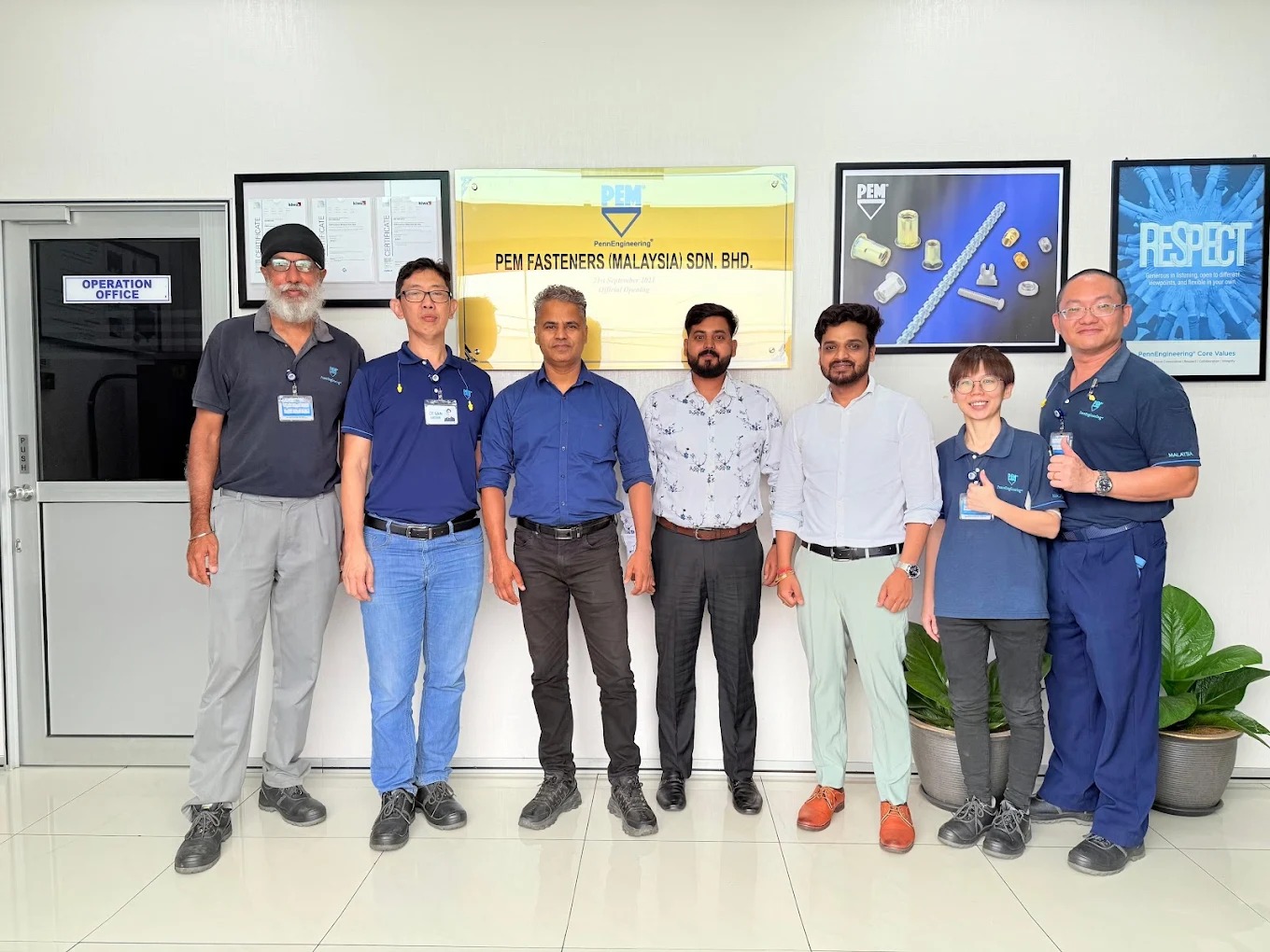
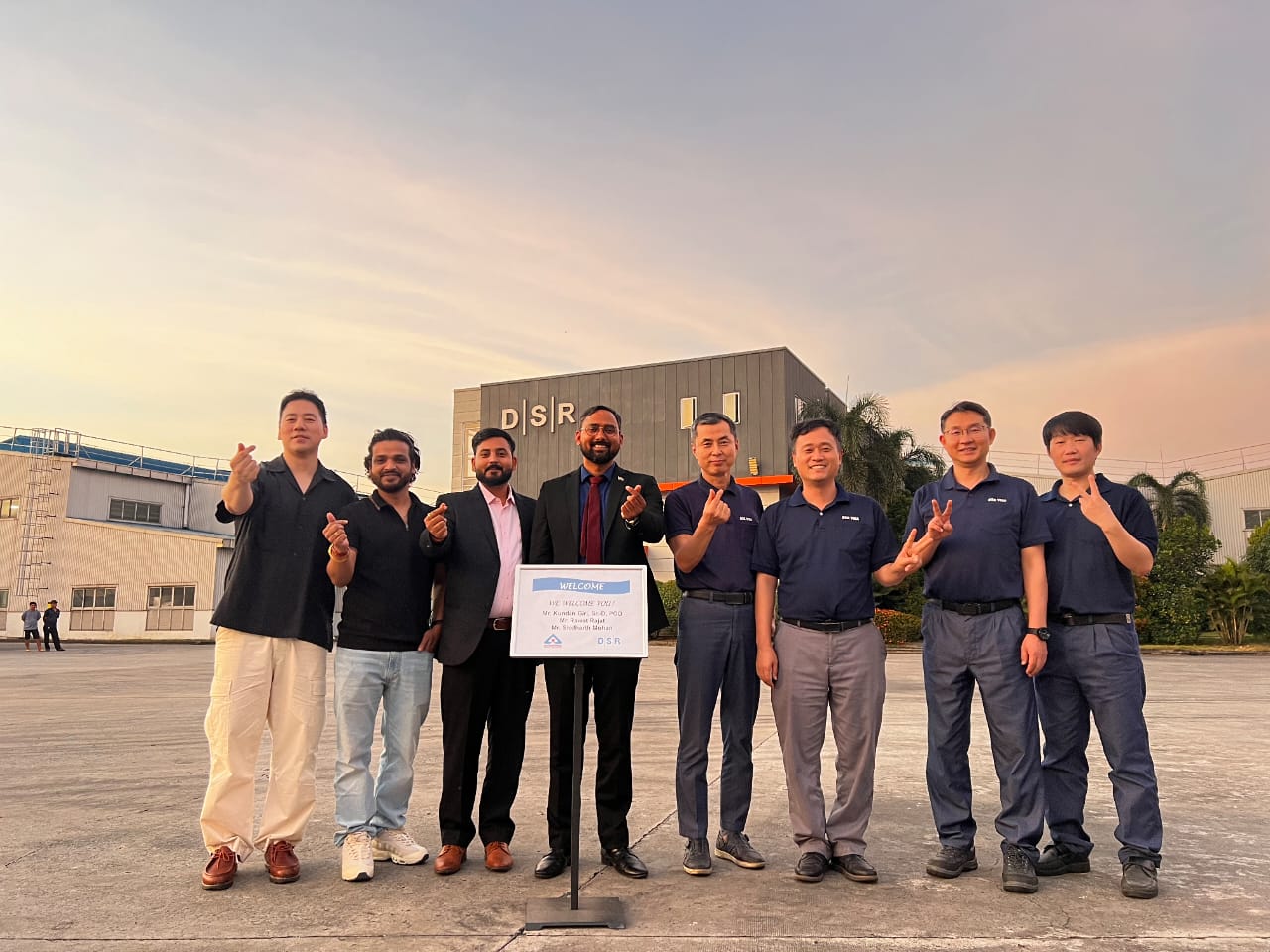
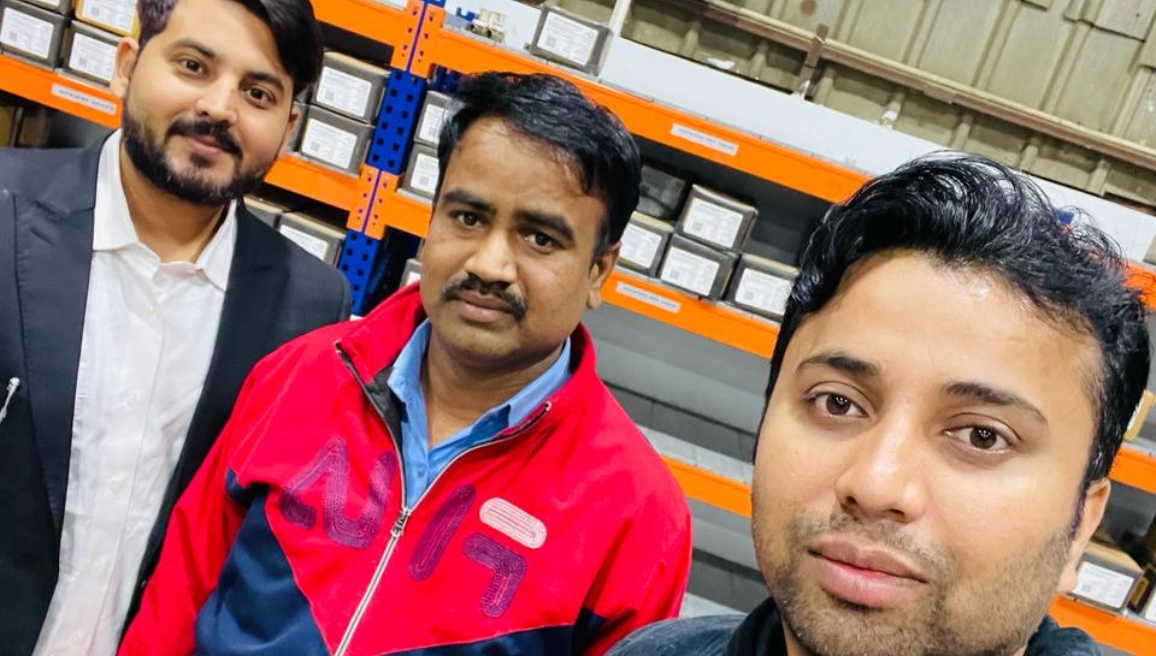
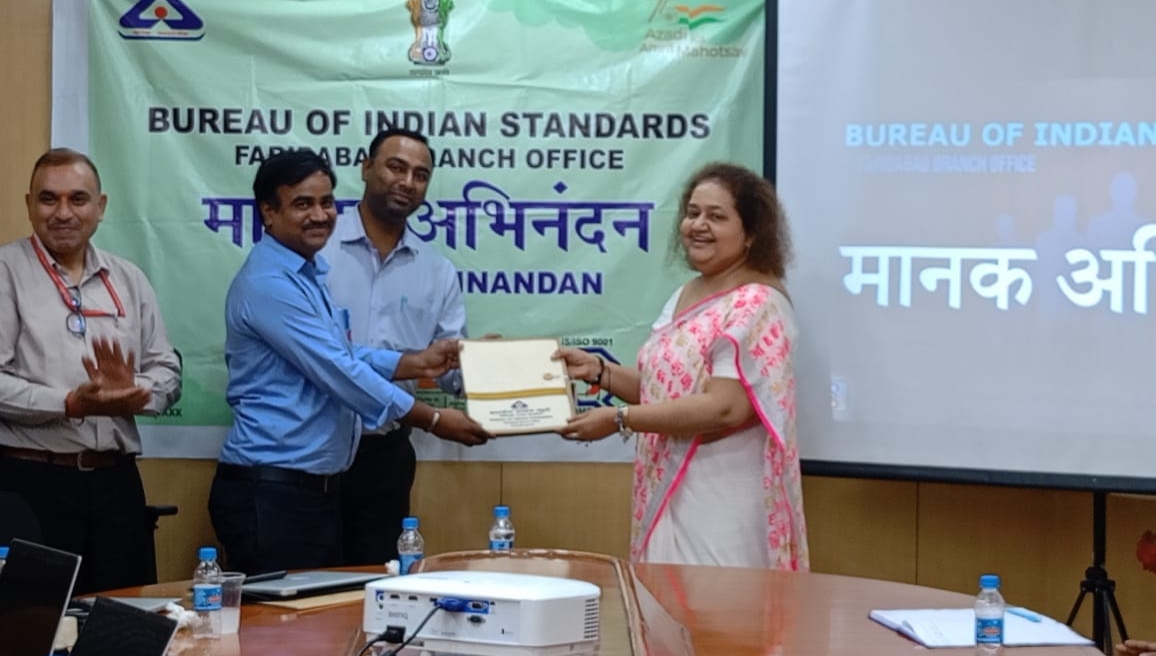
Real sites, real certifications
Our teams work inside factories and plants across India and abroad - inspections, audits and certification milestones spanning BIS, global schemes and the full compliance stack you see on this site.

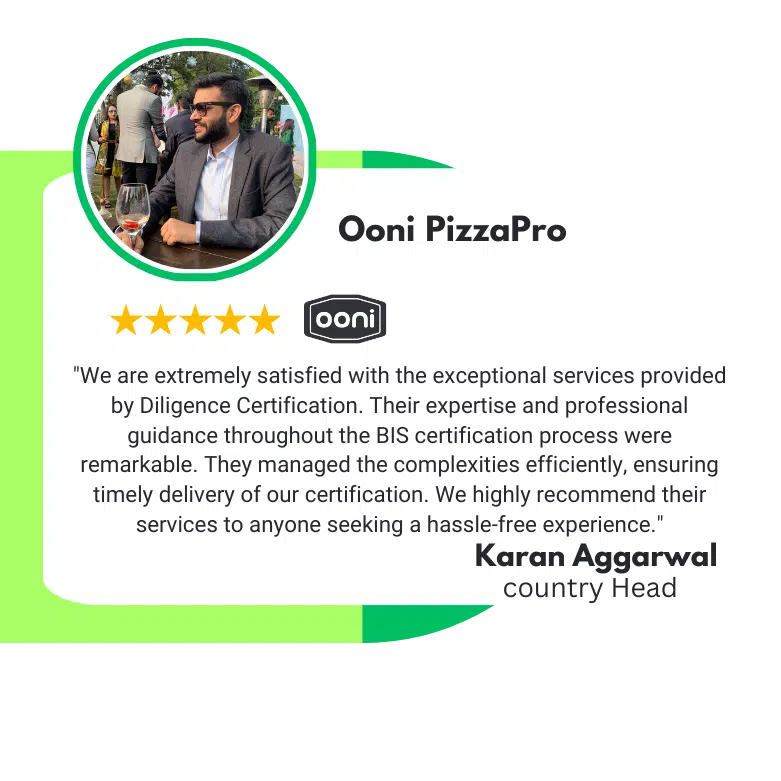
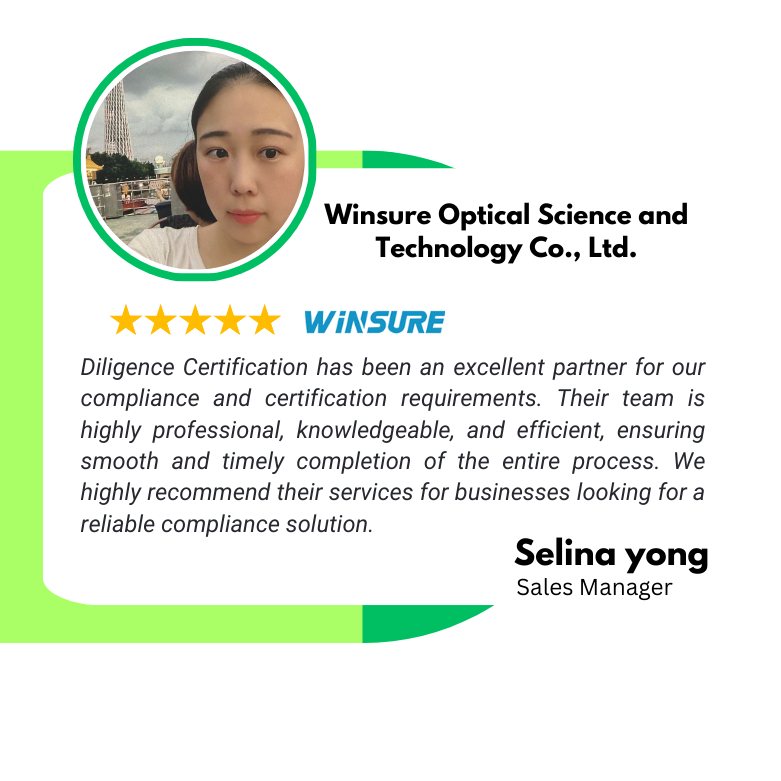
What our clients say
Reviews and feedback from businesses that have worked with Diligence Certifications.
Related Global Approvals services
RoHS Certification
Restriction of Hazardous Substances compliance.
View details →KC Certification
Korea Certification for Korean market access.
View details →FCC Certification
FCC certification for US market entry.
View details →CE Certification
CE marking for European Union market access.
View details →CB Certification
IECEE CB Scheme certification - global recognition.
View details →SAFTA Certificate
South Asian Free Trade Area certificate of origin.
View details →Ready to get UL certification?
Talk to our experts for a clear, fixed-scope plan - most clients get a roadmap the same day.