 BIS Certification
 CDSCO
CDSCO
 PESO
PESO
 CPCB
CPCB
 LMPC
LMPC
 WPC Approval
 Global Approvals
 TEC
TEC
 ARAI
ARAI
 BEE
BEE
 ISO Certification
 DGCA Certification
 NOC For Steel
 APEDA Registration























 Business Registration
 FSSAI Mark Certification












 (32).jpg)
 Legal Services
 Trademark Registration
 Copyright Registration
 Patent Registration
CPCB Certification
CPCB Certification, granted under Extended Producer Responsibility (EPR), makes producers responsible for the collection, recycling and safe disposal of the...
Get expert consultation
Trusted by 25,000+ leading enterprises worldwide








Key takeaways
- CPCB Certification is granted under Extended Producer Responsibility (EPR), which makes producers bear the cost of the final disposal of the goods they put on the market.
- It is issued by the Central Pollution Control Board (CPCB) and aligns your business with India’s environmental regulations.
- EPR covers the collection, sorting, recycling and disposal of the waste a product generates across its life cycle.
- It applies across waste streams including battery waste, e-waste, tyre waste, plastic waste and used oil.
- Core documents include the IEC, GST, PAN, Certificate of Incorporation and product details with model numbers.
- Certification reduces reliance on landfill and incineration and demonstrates a genuine commitment to sustainable practices.
What is CPCB Certification?
CPCB Certification is granted under Extended Producer Responsibility (EPR), the principle that producers should bear the cost of the final disposal of the goods they put into the market. The aim is to remove as much unneeded packaging as possible and to keep improving what remains.
EPR is designed to manage all of the incremental costs that come with the collection, sorting, recycling and disposal of waste. It applies in order to limit waste and reduce environmental impact across the product life cycle.
Waste streams under CPCB EPR
EPR obligations apply across the main categories of waste a producer puts on the market. The category your products fall under determines the compliance pathway.
| Waste stream | What it covers |
|---|---|
| Battery waste | Producers handling batteries, requiring compliant collection and recycling. |
| E-waste | Discarded electronic items such as smartphones and refrigerators that contain toxic elements if not treated properly. |
| Tyre waste | End-of-life tyres, an increasing environmental burden that needs structured handling. |
| Waste stream | What it covers |
|---|---|
| Plastic waste | Plastic packaging and products, supporting recycling and circular-economy goals. |
| Used oil | EPR for used oil, ensuring waste oil is collected and processed correctly. |
| No Objection Certificate | Supporting environmental clearance where required for a business activity. |
Benefits of CPCB Certification
Promotes reuse
EPR encourages the prompt, uncomplicated disassembly of products for reuse and recycling, reducing the need for new raw materials.
Sustainable development
It supports the preservation of natural resources, reduces the volume of waste and helps eradicate pollution.
Cleaner environment
It minimises disposal methods like burning, which emit formaldehyde, furans and dioxins that are harmful to human health.
Regulatory alignment
Certification aligns your business with India’s environmental regulations and sustainable practices.
Eases municipal load
EPR reduces the physical and financial work local municipalities carry to maintain and manage waste.
Stronger credibility
Demonstrating responsible waste management builds trust with consumers, partners and regulators.
Why EPR compliance is important
EPR makes producers responsible for what happens to their products at the end of life. By raising recycling and reuse, it reduces the need for new raw materials, preserves natural resources and limits the pollution that comes from poor waste disposal.
What CPCB EPR achieves
- Promotes reuse by encouraging easy disassembly of products and items.
- Supports sustainable development by conserving resources and reducing waste.
- Protects the environment by cutting reliance on burning and landfill.
- Reduces municipal burden by ensuring waste is recycled and refurbished correctly.
Documents required
- IEC copy (Export and Import Code)
- GST copy
- PAN card
- Certificate of Incorporation of the Pvt. Ltd. company
- Last ten years’ sales detail of the product, if previously sold (quantity and weight, year wise)
- Product details with model number
- Country of origin
- Contact details, including telephone, email ID and mobile number
Choose your waste stream
- Electronic waste under E-Waste Certification
- End-of-life tyres under Tyre Waste
- Packaging and products under Plastic Waste Compliance
- Used oil under EPR for Used Oil
- Healthcare facilities under CPCB Certification for Biomedical Waste
How we help
Our team streamlines the CPCB application process and offers tailored guidance to meet your specific EPR compliance requirements, whichever waste category applies to your products.
- Identify the correct waste stream and EPR obligation for your products.
- Compile and verify the IEC, GST, PAN and incorporation documents.
- Prepare product and sales details for the application.
- File and follow the CPCB process through to certification.
Not sure which EPR applies to you?
Tell us what you manufacture or import, and we will map the right waste category, documents and CPCB pathway for your business.
Environmental compliance and EPR registration are administered by the Central Pollution Control Board (CPCB).
Frequently asked questions
What is CPCB Certification?
CPCB Certification is granted under Extended Producer Responsibility (EPR), which makes producers bear the cost of the final disposal of the goods they put on the market. It aligns your business with India’s environmental regulations and sustainable practices.
What is Extended Producer Responsibility (EPR)?
EPR is the principle that producers are responsible for the collection, sorting, recycling and disposal of the waste their products create, along with the incremental costs that come with it.
Which waste streams does CPCB EPR cover?
It applies across categories including battery waste, e-waste, tyre waste, plastic waste and used oil. The category your products fall under determines the compliance pathway.
What documents are needed for CPCB Certification?
Core documents include the IEC, GST and PAN, the Certificate of Incorporation, product details with model numbers, country of origin, contact details and, where applicable, the last ten years of sales detail for the product.
Why is EPR compliance important?
EPR promotes reuse and recycling, conserves natural resources, reduces pollution from burning and landfill, and eases the physical and financial burden on local municipalities.
Can you handle the full process for us?
Yes. Our expert team streamlines the application process and offers tailored guidance to meet your specific EPR compliance requirements from start to finish.
Why choose Diligence Certification?
For compliance and credibility, Diligence is much more than a checklist - we give you real confidence in your business. We examine your legal, financial and operational status, so you are not just certified, but trusted.
Stronger risk protection
Spot hidden legal, financial or operational risks early - fix problems before they become threats.
Earn stakeholder trust
From investors to customers, people want to work with businesses that play by the rules.
Stay legally aligned
Compliant not just on products but on labour, environmental and tax laws too.
Enhance brand reputation
Show the world you operate with integrity and transparency.
Stand out from competitors
In a crowded market, credibility is your biggest edge.
24×7 expert support
A 100+ strong service team guiding you at every step, free first consultation.
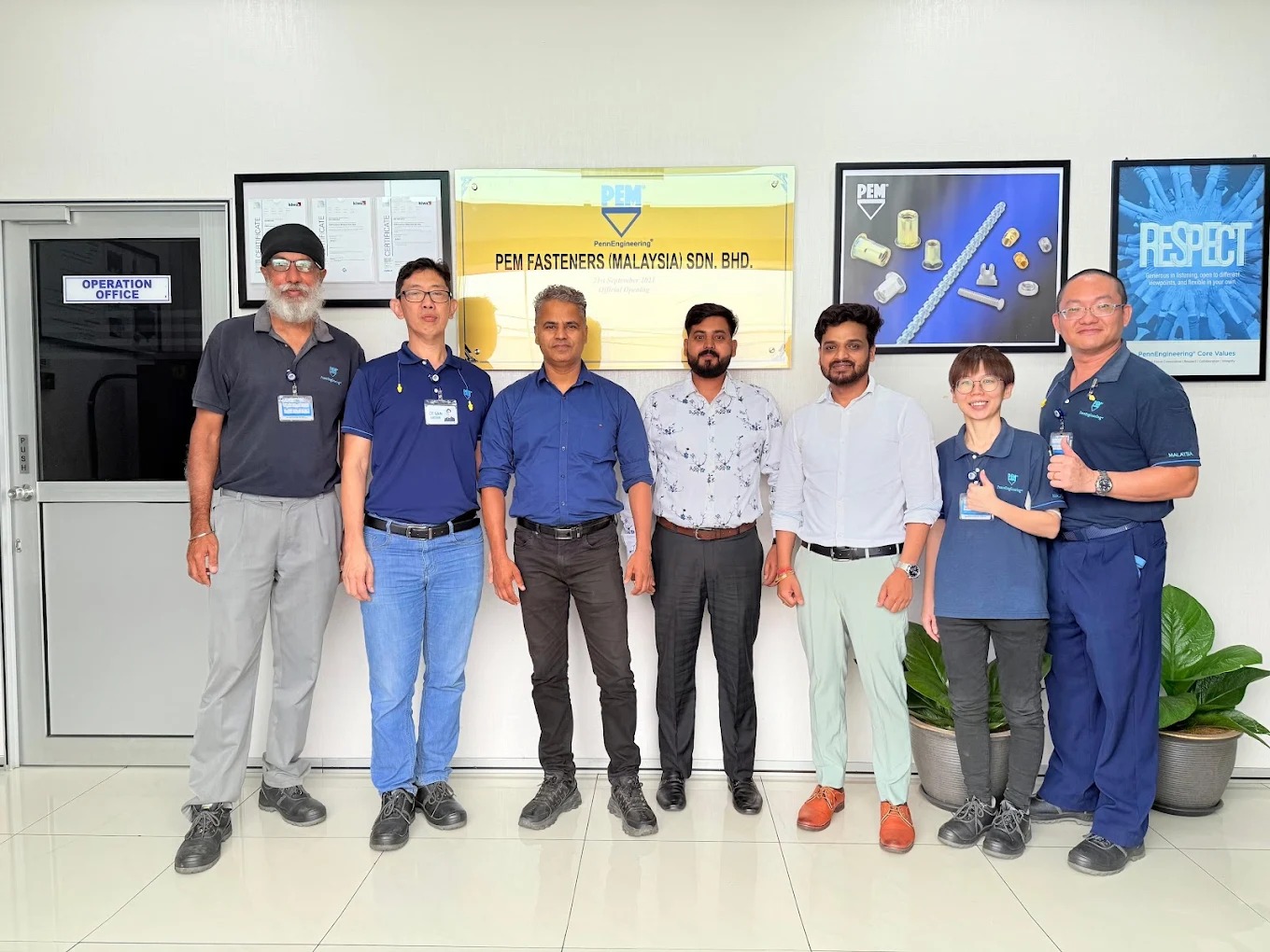
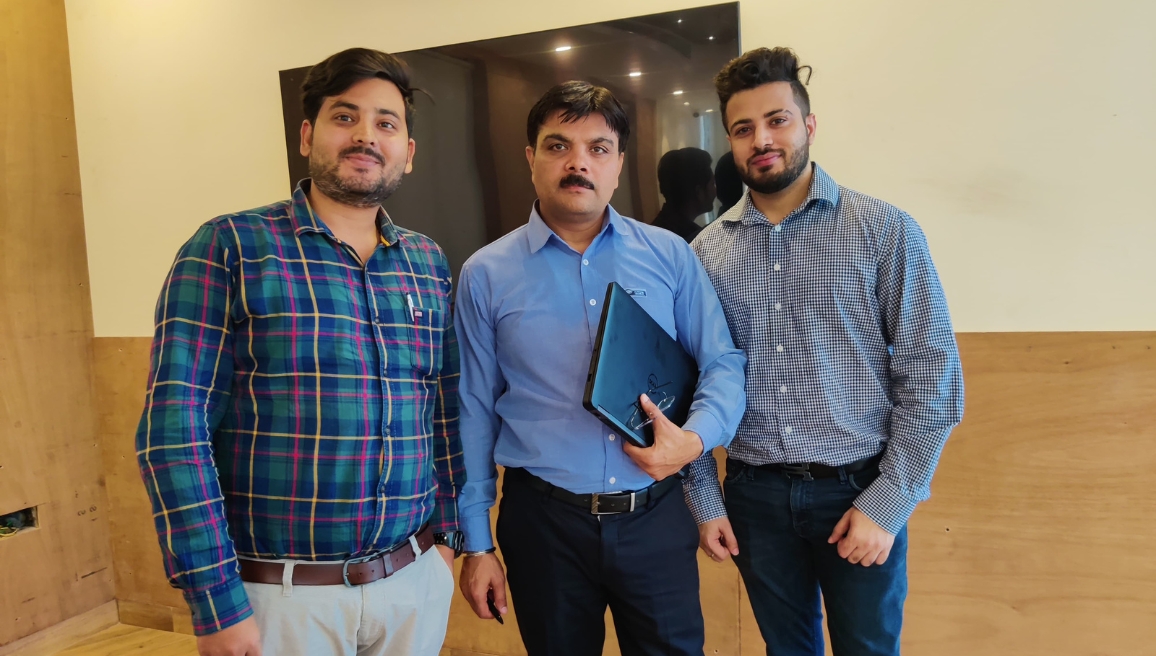
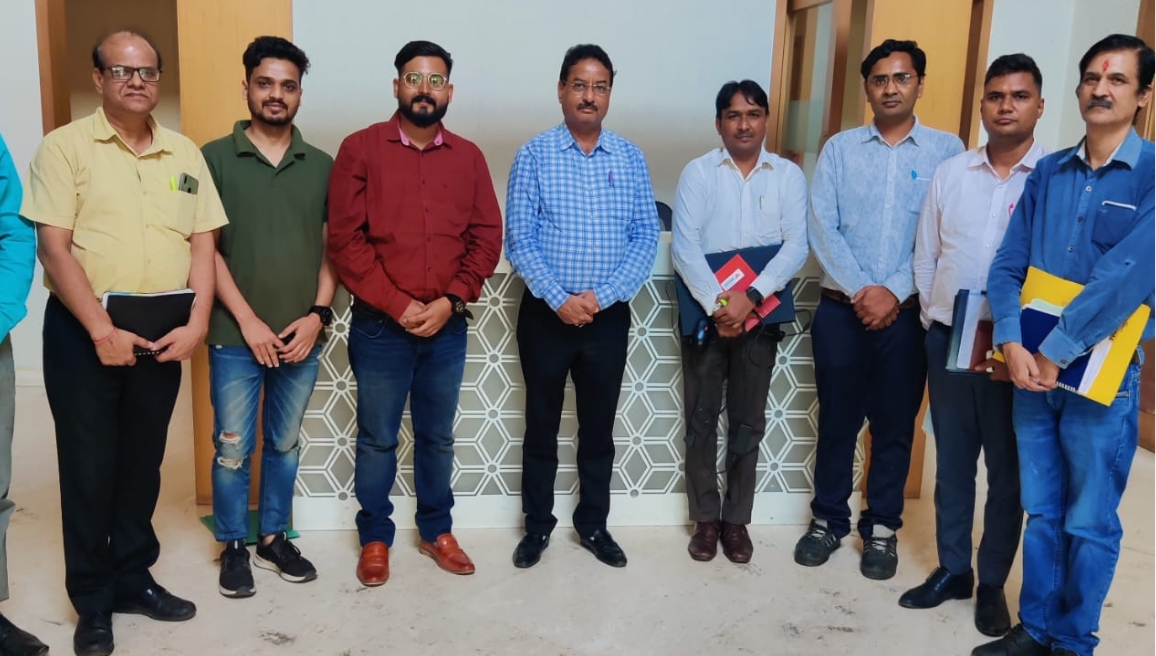
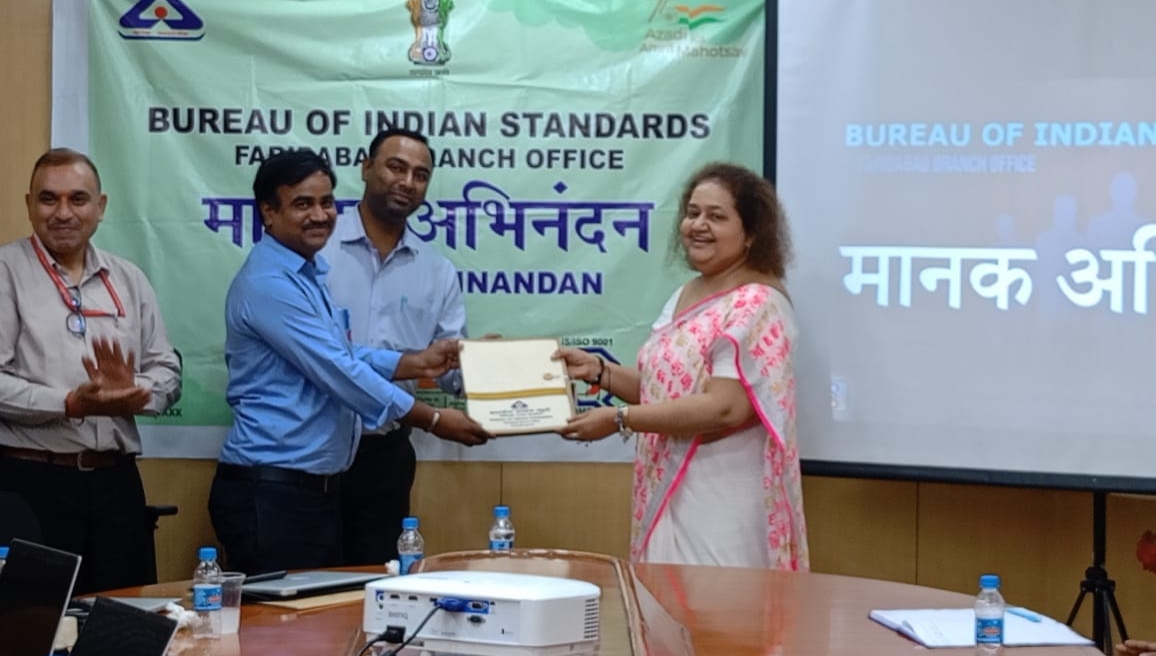
Real sites, real certifications
Our teams work inside factories and plants across India and abroad - inspections, audits and certification milestones spanning BIS, global schemes and the full compliance stack you see on this site.



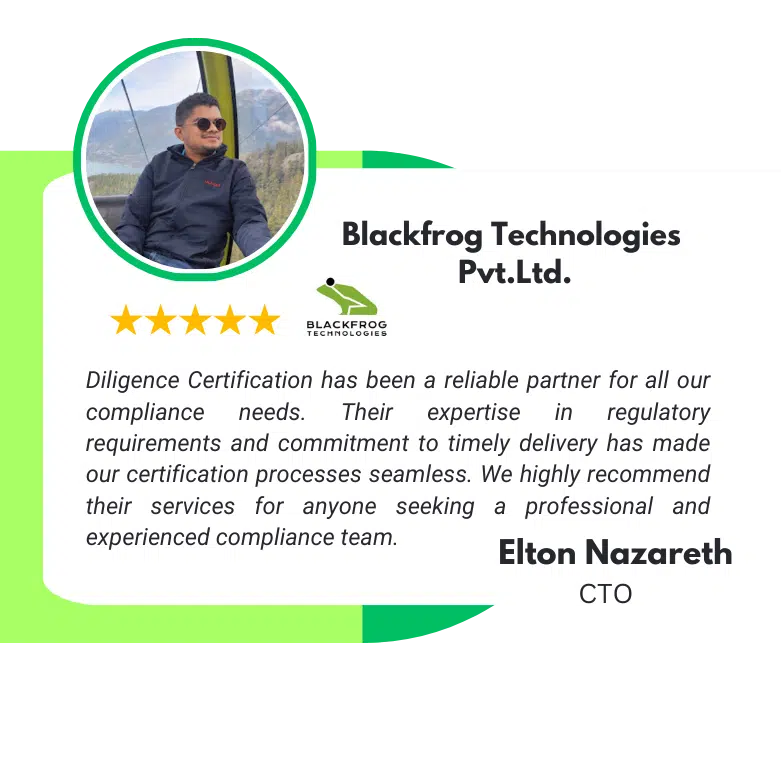
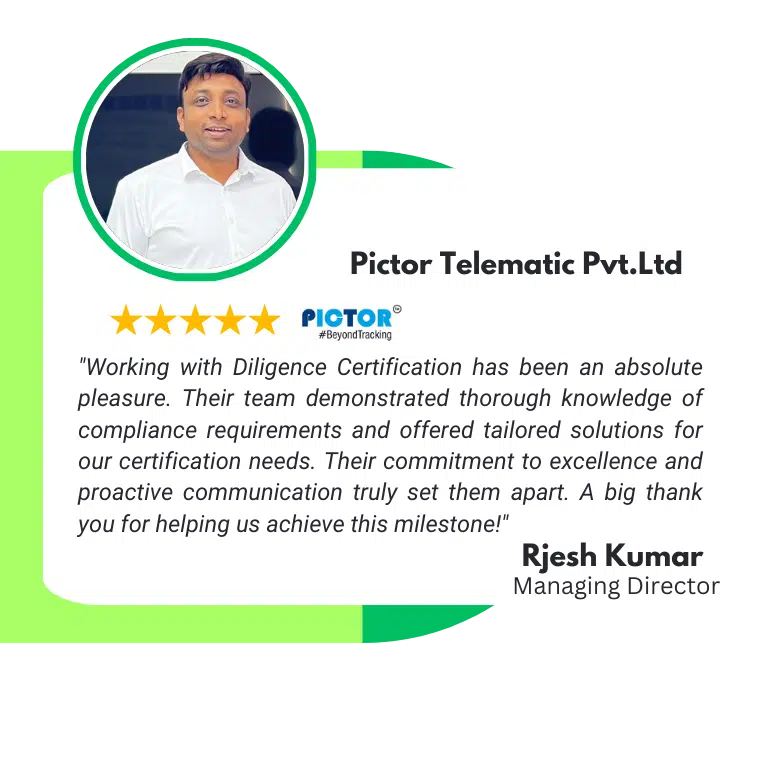
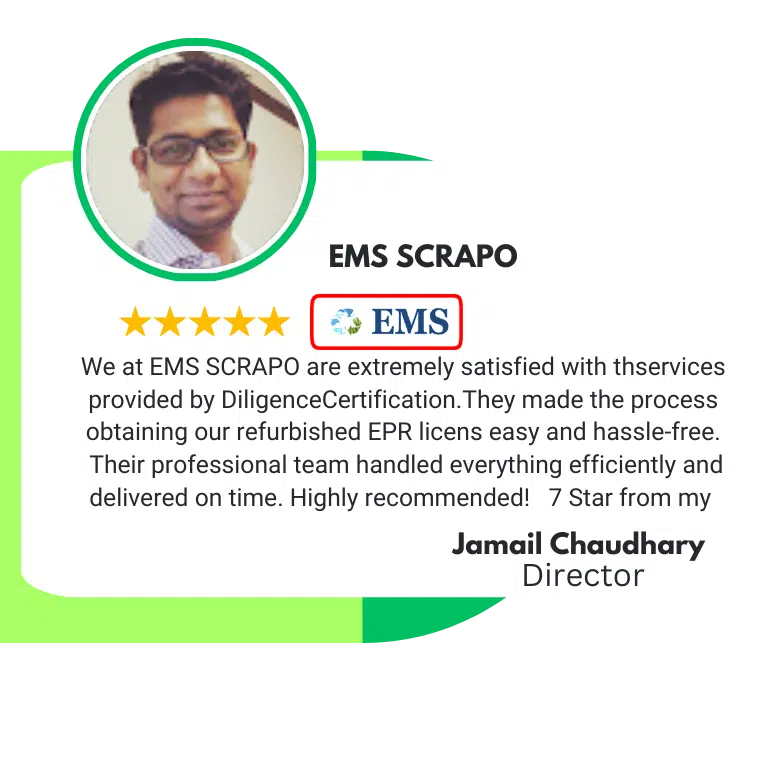
What our clients say
Reviews and feedback from businesses that have worked with Diligence Certifications.






Related CPCB / Environmental services
Battery Waste Compliance
EPR registration & compliance for battery waste.
View details →E-waste Certification
E-waste EPR registration and certification.
View details →Tyre Waste Management
Tyre Waste Management & EPR registration.
View details →Plastic Waste Compliance
Plastic Waste Compliance Certification & EPR.
View details →EPR for Used Oil
EPR registration for used oil in India.
View details →No Objection Certificate
NOC from environmental authorities - quick processing.
View details →Ready to get CPCB Certification?
Talk to our experts for a clear, fixed-scope plan - most clients get a roadmap the same day.