 BIS Certification
 CDSCO
CDSCO
 PESO
PESO
 CPCB
CPCB
 LMPC
LMPC
 WPC Approval
 Global Approvals
 TEC
TEC
 ARAI
ARAI
 BEE
BEE
 ISO Certification
 DGCA Certification
 NOC For Steel
 APEDA Registration

















 Business Registration
 FSSAI Mark Certification










 (32).jpg)
 Legal Services
 Trademark Registration
 Copyright Registration
 Patent Registration
Battery Waste Compliance
Battery Waste Compliance is the EPR registration with the CPCB that producers, importers and brand owners must hold under the...
Get expert consultation
Trusted by 25,000+ leading enterprises worldwide










Key takeaways
- Battery Waste Compliance is mandatory under the Battery Waste Management Rules, 2022, issued by the Ministry of Environment, Forest and Climate Change (MoEFCC).
- Extended Producer Responsibility (EPR) registration with the CPCB is mandatory before selling or importing batteries.
- It applies to all producers, importers and brand owners of portable, automotive, industrial and EV batteries.
- Non-compliance can lead to fines, license suspension and loss of market access, including on platforms like Amazon and Flipkart.
- Registration with the CPCB typically takes 3 to 4 months when documents are in order.
- EPR registration is valid for the business year and must be renewed annually.
- Compliance supports a circular economy by enabling reuse of valuable metals like lithium, cobalt and nickel.
What is Battery Waste Compliance?
Battery Waste Compliance means following the law to collect, recycle and dispose of used batteries. It has two objectives: environmental protection, to prevent hazardous materials such as lead, mercury and cadmium from leaking into soil and water, and a circular economy, to facilitate recycling so valuable metals such as lithium, cobalt and nickel can be recovered.
In India this is governed by the Battery Waste Management Rules, 2022, issued by the Ministry of Environment, Forest and Climate Change (MoEFCC). With electric vehicles, consumer electronics and renewable energy storage driving rapid growth in battery use, compliance has moved from being an option to something directly tied to legal approval, consumer trust and sustainability.
Types of batteries covered
- Portable batteries: phones, laptops, toys
- Automotive batteries: cars, trucks, two-wheelers
- Industrial batteries: telecom towers, UPS, solar storage
- EV batteries: lithium-ion packs in electric vehicles
Categories and EPR responsibilities
Each battery type carries separate EPR targets and documentation. Extended Producer Responsibility makes the producer, whether a manufacturer, importer or brand owner, responsible for the end of life of the battery.
| Battery type | Typical applications |
|---|---|
| Portable batteries | Phones, laptops, toys |
| Automotive batteries | Cars, trucks, two-wheelers |
| Industrial batteries | Telecom towers, UPS, solar storage |
| EV batteries | Lithium-ion packs in electric vehicles |
| EPR responsibility | What it involves |
|---|---|
| CPCB inventory | Register with the Central Pollution Control Board inventory before any sale or import. |
| Collection targets | Meet minimum collection, recycling or reuse targets set by the government. |
| Recycling agreement | Hold agreements with approved recyclers. |
| Annual returns | File returns with the CPCB verifying collection, recycling and reuse. |
Benefits of Battery Waste Compliance
Legal compliance
Stay compliant under the Battery Waste Management Rules, 2022 and avoid penalties.
Stronger reputation
Compliance enhances brand reputation and builds consumer trust.
Market access
Unlock business opportunities and keep selling on platforms that demand compliance proof.
Better waste handling
Improve waste management practices across the battery lifecycle.
Environmental protection
Contribute to environmental protection by preventing toxic chemical leaks.
Competitive advantage
Position your brand as environmentally responsible ahead of competitors.
Why compliance is urgent
The growth in electric vehicles, solar storage and electronics has driven an unprecedented demand for batteries and a parallel surge in battery waste. Global battery demand, estimated at 933 GWh in 2021, is projected to reach 5,100 GWh by 2030, and India’s battery waste is likely to exceed 2 million tonnes by 2030. Batteries that are not disposed of correctly become a serious environmental and health hazard.
What non-compliance can cost you
- Large fines for failing to meet the rules.
- License suspension and loss of the license to operate.
- Sales restrictions on platforms like Amazon and Flipkart that now demand compliance proof.
- Reputational harm to your brand with investors, regulators and consumers.
The registration process, step by step
The Diligence team manages the EPR registration with the Central Pollution Control Board on behalf of the producer, from documentation through to approval.
Registration with CPCB
Document preparation
The team collects all information and documents the Central Pollution Control Board requires to process the application under the Battery Waste Management Rules.
Application filing
The application form is completed with the relevant documents and submitted to the CPCB, with a hard copy sent by post.
Application assessment
The CPCB reviews the application package in its entirety.
Registration approval
After a successful review, an initial registration is issued for six months, and the registration is then made available online on the CPCB portal for a further six-month extension, with fees accepted through the online platform.
Documents required
- Self-attested copy of GST Certificate
- TIN (Taxpayer Identification Number)
- Corporate Identification Number (CIN)
- PAN Card of the company
- Aadhaar Card of the authorised person
Timeline & validity
- Registration with the CPCB typically takes 3 to 4 months, provided documents are in order.
- EPR registration is valid for the business year and must be renewed annually.
- Annual returns must be submitted to the CPCB.
- Delayed registration often blocks sales on platforms like Amazon and Flipkart that now demand compliance proof.
Need related approvals? See our Electronic Waste, Tyre Waste and Plastic Waste compliance services.
Cost factors
Cost depends on company size, battery volume and collection network. It covers the typical components below.
| Cost factor | Details |
|---|---|
| Registration | EPR registration with the CPCB |
| Recycler agreements | Agreements with approved recyclers |
| Reporting | Annual returns and reporting to the CPCB |
| Renewal | Payable on annual renewal of the registration |
Not sure where to start with EPR?
Tell us the battery categories you produce or import, and we will map the exact CPCB targets, documents and timeline for your business.
The Battery Waste Management Rules and the EPR portal are administered by the Central Pollution Control Board (CPCB).
Frequently asked questions
What is Battery Waste Compliance?
It is the legal requirement to collect, recycle and safely dispose of used batteries as per India’s Battery Waste Management Rules, 2022.
Who needs Battery Waste Compliance?
All producers, importers and sellers of batteries, covering the electronics, EV, automotive and industrial sectors.
What does EPR mean for batteries?
Extended Producer Responsibility makes manufacturers responsible for collecting and recycling batteries after their end of life.
Which batteries are covered?
Portable, automotive, industrial and EV batteries. All categories are covered.
How long does registration take?
Usually 3 to 4 months if documents are complete. The registration is then renewed annually, with reports submitted to the CPCB.
What happens if I do not comply?
Non-compliance can lead to fines, license suspension and sales restrictions on platforms like Amazon and Flipkart.
Why choose Diligence Certification?
For compliance and credibility, Diligence is much more than a checklist - we give you real confidence in your business. We examine your legal, financial and operational status, so you are not just certified, but trusted.
Stronger risk protection
Spot hidden legal, financial or operational risks early - fix problems before they become threats.
Earn stakeholder trust
From investors to customers, people want to work with businesses that play by the rules.
Stay legally aligned
Compliant not just on products but on labour, environmental and tax laws too.
Enhance brand reputation
Show the world you operate with integrity and transparency.
Stand out from competitors
In a crowded market, credibility is your biggest edge.
24×7 expert support
A 100+ strong service team guiding you at every step, free first consultation.
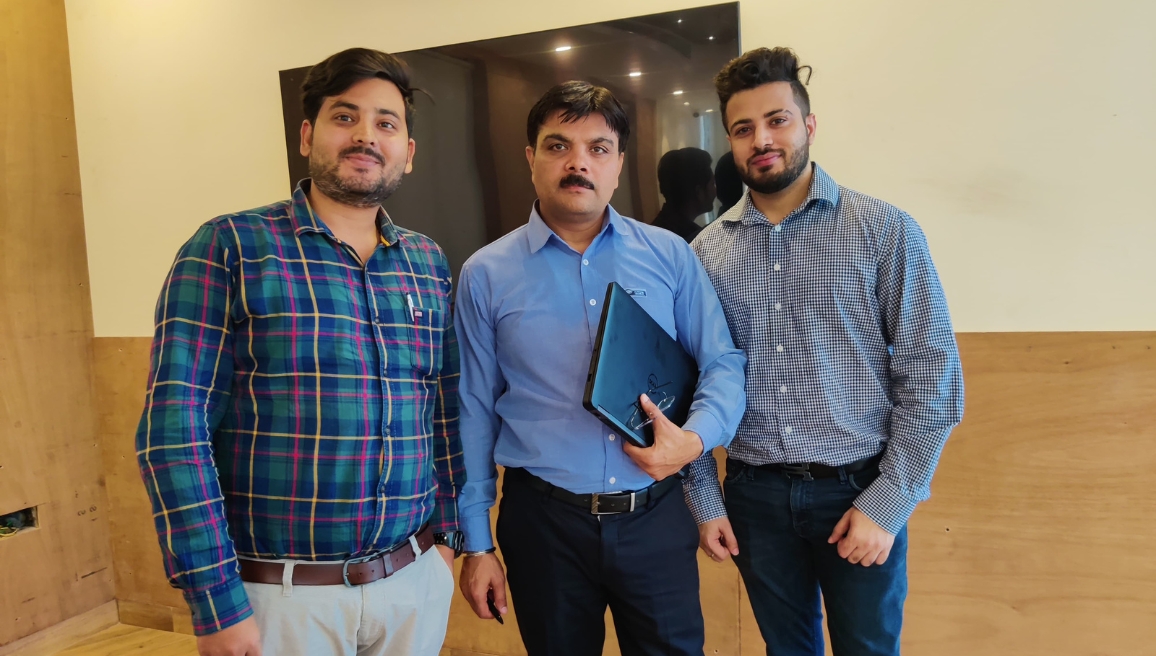
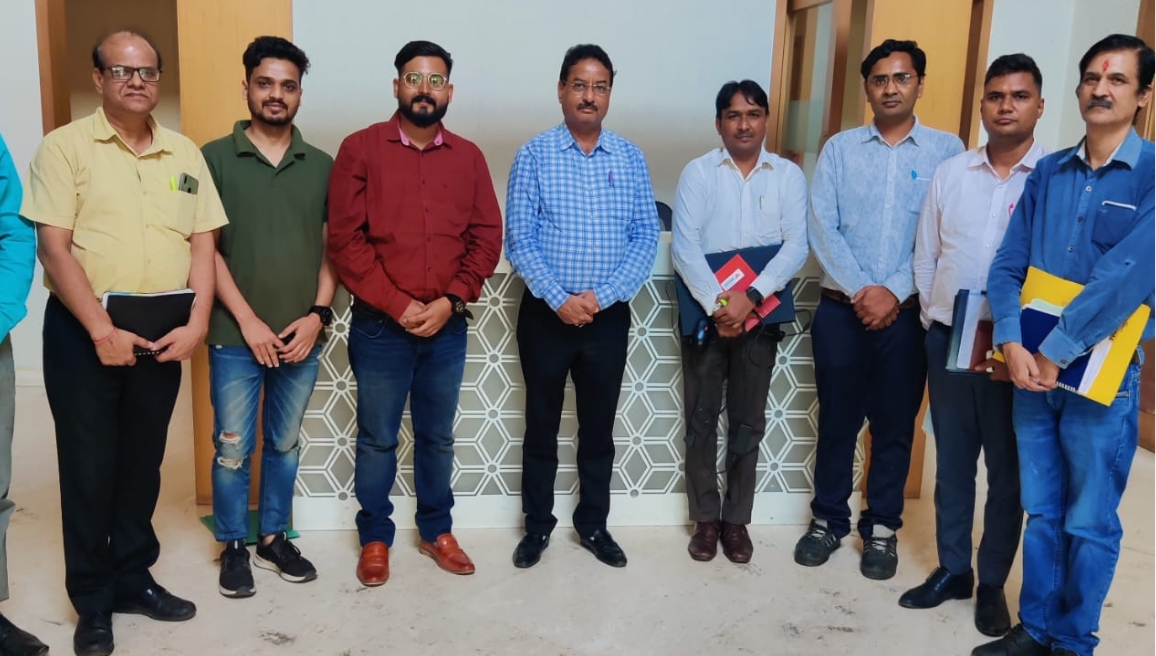
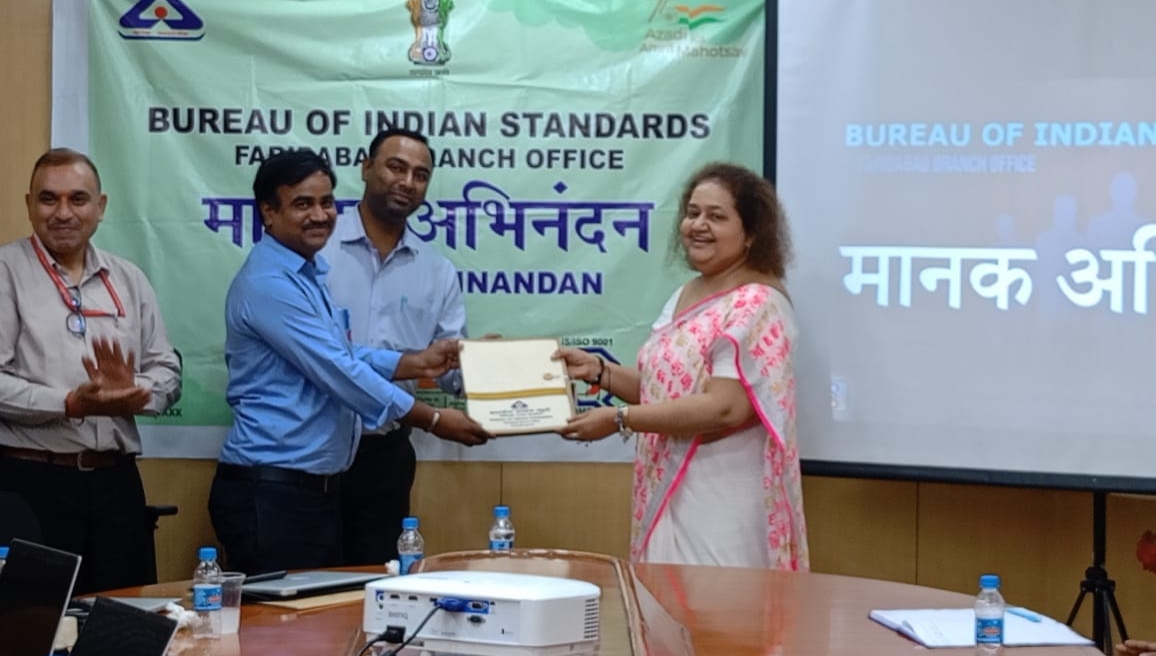
Real sites, real certifications
Our teams work inside factories and plants across India and abroad - inspections, audits and certification milestones spanning BIS, global schemes and the full compliance stack you see on this site.




What our clients say
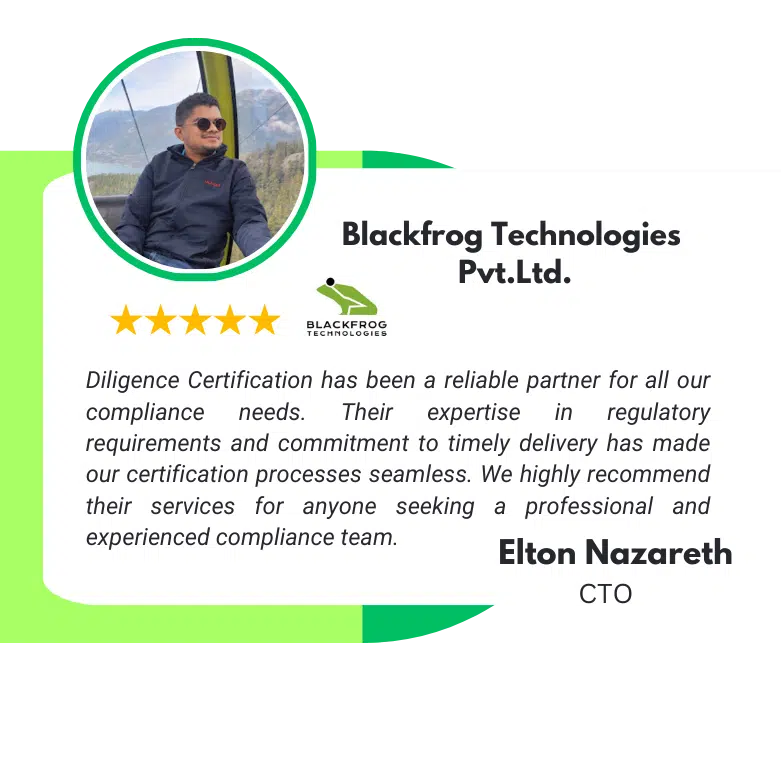
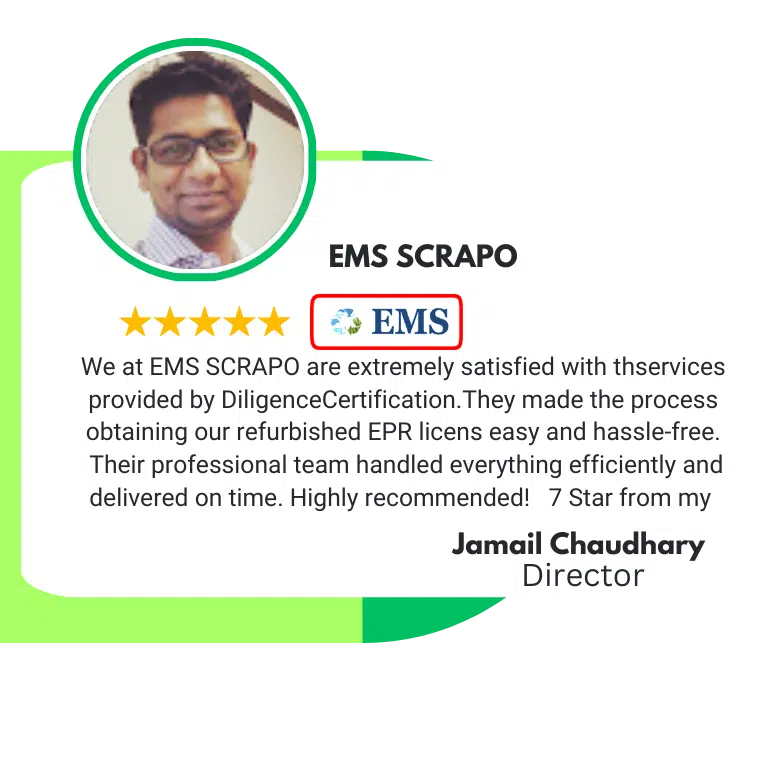
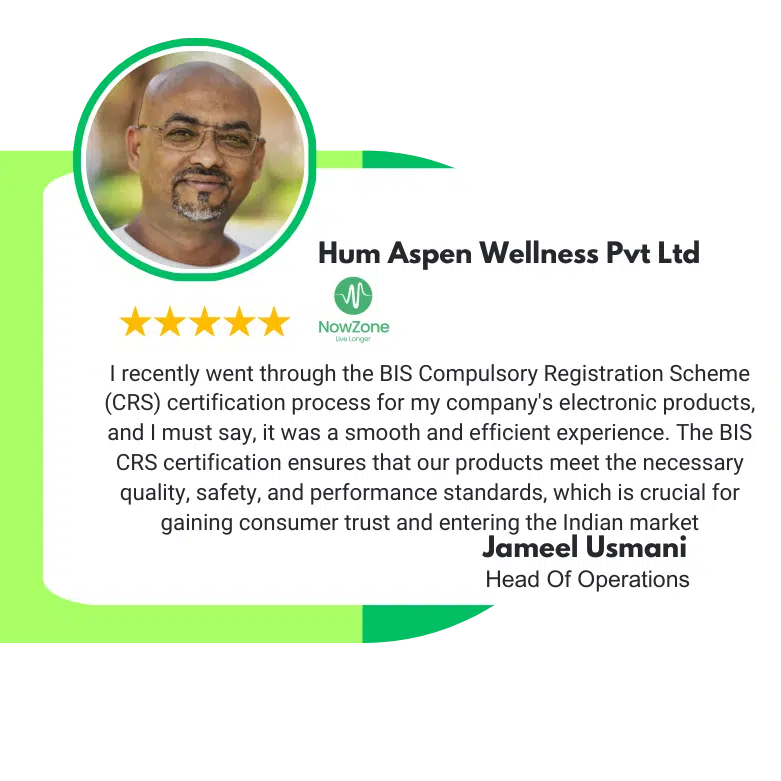
Reviews and feedback from businesses that have worked with Diligence Certifications.







Related CPCB / Environmental services
CPCB Certification
CPCB Certification & environmental compliance.
View details →E-waste Certification
E-waste EPR registration and certification.
View details →Tyre Waste Management
Tyre Waste Management & EPR registration.
View details →Plastic Waste Compliance
Plastic Waste Compliance Certification & EPR.
View details →EPR for Used Oil
EPR registration for used oil in India.
View details →No Objection Certificate
NOC from environmental authorities - quick processing.
View details →Ready to get Battery Waste Compliance?
Talk to our experts for a clear, fixed-scope plan - most clients get a roadmap the same day.