 BIS Certification
 CDSCO
CDSCO
 PESO
PESO
 CPCB
CPCB
 LMPC
LMPC
 WPC Approval
 Global Approvals
 TEC
TEC
 ARAI
ARAI
 BEE
BEE
 ISO Certification
 DGCA Certification
 NOC For Steel
 APEDA Registration























 Business Registration
 FSSAI Mark Certification












 (32).jpg)
 Legal Services
 Trademark Registration
 Copyright Registration
 Patent Registration
Explosive Rules 2008
The Explosive Rules 2008, enforced by PESO under DPIIT, govern the manufacture, storage, transport, import, export and sale of explosives...
Get expert consultation
Trusted by 25,000+ leading enterprises worldwide










Key takeaways
- The Explosive Rules 2008 regulate all explosives activity in India and are enforced by PESO (Petroleum and Explosives Safety Organization) under the DPIIT.
- A valid PESO licence is mandatory for manufacturing, storage, transport, import, export, sale and distribution of explosives.
- Explosives are classified by type and usage, including industrial, mining, detonators and fireworks, each with its own safety and handling rules.
- Only PESO-licensed manufacturers may produce explosives and fireworks; sourcing from unlicensed suppliers is prohibited.
- Import and export are allowed only through government-approved ports with hazardous cargo facilities.
- Every licensed unit must appoint certified competent persons to supervise safety, storage and compliance.
- Explosives must be stored in licensed magazines and packed in approved materials such as CFB boxes.
What are the Explosive Rules 2008?
The handling, manufacturing, storage, transport, import and export of explosives in India is strictly regulated under the Explosive Rules 2008, enforced by the Petroleum and Explosives Safety Organization (PESO) under the Department for Promotion of Industry and Internal Trade (DPIIT). The system exists to ensure that hazardous materials are controlled in a structured and safe manner.
Any company involved in explosives, fireworks, industrial blasting materials or related packaging must comply with these rules. No explosive activity is permitted without valid PESO licensing and approval.
Activities covered under the rules
- Manufacturing of explosives
- Storage and possession
- Transport and handling
- Import and export activities
- Sale and distribution
- Fireworks and pyrotechnics
Authorized explosives and fireworks
Explosives are categorized by type, usage, sensitivity and handling requirements. Every approved product must be traceable to a licensed manufacturer, an approved usage category and a PESO registration record.
| Explosive type | Typical usage |
|---|---|
| Detonators | Initiating explosive reactions in controlled environments |
| Gelatin-based explosives | Mining and quarry operations, high detonation efficiency |
| Ammonium nitrate-based explosives | Industrial blasting, requires strict storage control |
| Propellants | Controlled propulsion systems, restricted handling category |
| Fireworks category | Examples |
|---|---|
| Low-risk fireworks | Sparklers, fountains |
| Medium-risk fireworks | Roman candles, crackers |
| High-risk fireworks | Aerial shells, large display fireworks |
Benefits of PESO compliance
Legal authorization
Operate explosives, mining and fireworks activity lawfully, with a valid PESO licence covering your exact scope.
Accident prevention
Structured handling, storage and transport controls reduce the risk of accidents with hazardous materials.
Safe storage
Licensed magazines with restricted access, temperature and humidity control keep stock secure and compliant.
Trade access
Approved ports and correct hazardous-goods classification keep your import and export movements clean.
Trained supervision
Certified competent persons supervise operations, keeping your facility audit-ready at all times.
Compliant packaging
Approved CFB boxes and correct labelling protect material in transit and meet safety packaging standards.
Why PESO licensing is mandatory
The Explosive Rules 2008 form the core regulatory framework for controlling the manufacturing, storage, transport, import and export of explosives in India. Compliance under PESO is mandatory and applies strictly to manufacturers, importers, exporters and fireworks operators. Only manufacturers approved by PESO are allowed to produce explosives, and no explosive may be sourced from an unlicensed supplier.
What non-compliance can cost you
- License suspension when expired or invalid licences are used.
- Shipment confiscation for routing explosives through non-authorized ports.
- Penalties and legal action for operating without valid PESO approval.
- Operations stopped where no certified competent person is appointed.
The compliance process, step by step
PESO approval under the Explosive Rules 2008 follows a defined path, from identifying your requirement category through to renewal and ongoing compliance.
Licensing and approval
Identify the requirement
Determine the exact category: manufacturing, storage, import and export, or fireworks handling under the Explosive Rules 2008.
Apply for the PESO licence
Submit the application to PESO with complete technical documents, site layout, safety measures and applicant details.
Site inspection
PESO physically inspects the premises to check safety standards, storage conditions and operational readiness.
Approval of category
Once verified, PESO approves the specific explosive types, such as industrial, mining or fireworks, within the licence scope.
Authorize manufacturers and products
Only listed and approved manufacturers and products may be produced or procured under the granted licence.
Operations and upkeep
Assign competent persons
Certified competent persons are appointed to supervise handling, storage and compliance operations at the facility.
Follow packaging and storage rules
Store explosives in licensed magazines and pack them in approved materials such as CFB boxes as per safety norms.
Use approved ports
For international movement, only PESO-authorized ports may be used for customs clearance.
Maintain compliance records
Document all transactions, storage logs and movement records for inspection and audit purposes.
Renew and stay compliant
Renew licences periodically and maintain continuous compliance with PESO safety guidelines.
What you must put in place
- Valid PESO manufacturing, storage or import and export licence
- Site layout and premises plan for inspection
- Documented safety measures and safety audits
- Licensed storage magazines for explosive material
- Trained personnel and certified competent persons
- Approved CFB box packaging and correct hazardous-goods labelling
- Shipping documents matched to the licence and hazardous-goods code
Validity & renewal
- PESO licences must be renewed periodically to stay valid.
- Continuous compliance with PESO safety guidelines is required throughout.
- Operating on an expired licence can lead to suspension of the business.
- Records, storage logs and movement data must be kept ready for audit.
Need related PESO approvals? See our PESO License, Petroleum Rules 2012 and SMPV U Rules 2016 services.
Common mistakes to avoid
- Sourcing explosives or fireworks from unlicensed vendors, which breaches PESO compliance immediately.
- Operating without valid licences, or on a licence that has expired and been suspended.
- Wrong classification of industrial, mining or fireworks material, leading to incorrect approvals.
- Using non-approved packaging such as ordinary cardboard boxes instead of approved CFB boxes.
- Routing explosives through non-authorized ports, which leads to confiscation of the products.
- Failing to appoint qualified competent persons, making operations unlawful and unsafe.
Not sure which PESO licence you need?
Tell us whether you manufacture, store, import, export or deal in fireworks, and we will map the exact licence, classification, documents and timeline for your operation.
The Explosives Rules, 2008 are administered by the Petroleum and Explosives Safety Organisation (PESO).
Frequently asked questions
What are the Explosive Rules 2008?
They are a regulatory framework controlling the manufacturing, storage, transport, import, export and handling of explosives in India, enforced by PESO under the DPIIT.
Who is the authority for explosives in India?
PESO, the Petroleum and Explosives Safety Organization, is the main authority that licenses and supervises explosives activity under the Explosive Rules 2008.
Do I need a licence to manufacture explosives or fireworks?
Yes. A valid PESO licence is mandatory. Only PESO-licensed manufacturers may produce explosives and fireworks, and unlicensed production or sourcing is prohibited.
How are explosives imported or exported?
Only through designated, government-approved ports with hazardous cargo facilities, after PESO approval and with shipping documents matched to the licence and hazardous-goods code.
Who is a competent person under the rules?
A certified employee, such as a safety officer or storage magazine in-charge, who is qualified and PESO-approved to supervise explosive storage, handling and compliance.
What happens for non-compliance?
Non-compliance can lead to penalties, licence cancellation or suspension, shipment confiscation and legal action, with operations stopped until compliance is restored.
Why choose Diligence Certification?
For compliance and credibility, Diligence is much more than a checklist - we give you real confidence in your business. We examine your legal, financial and operational status, so you are not just certified, but trusted.
Stronger risk protection
Spot hidden legal, financial or operational risks early - fix problems before they become threats.
Earn stakeholder trust
From investors to customers, people want to work with businesses that play by the rules.
Stay legally aligned
Compliant not just on products but on labour, environmental and tax laws too.
Enhance brand reputation
Show the world you operate with integrity and transparency.
Stand out from competitors
In a crowded market, credibility is your biggest edge.
24×7 expert support
A 100+ strong service team guiding you at every step, free first consultation.
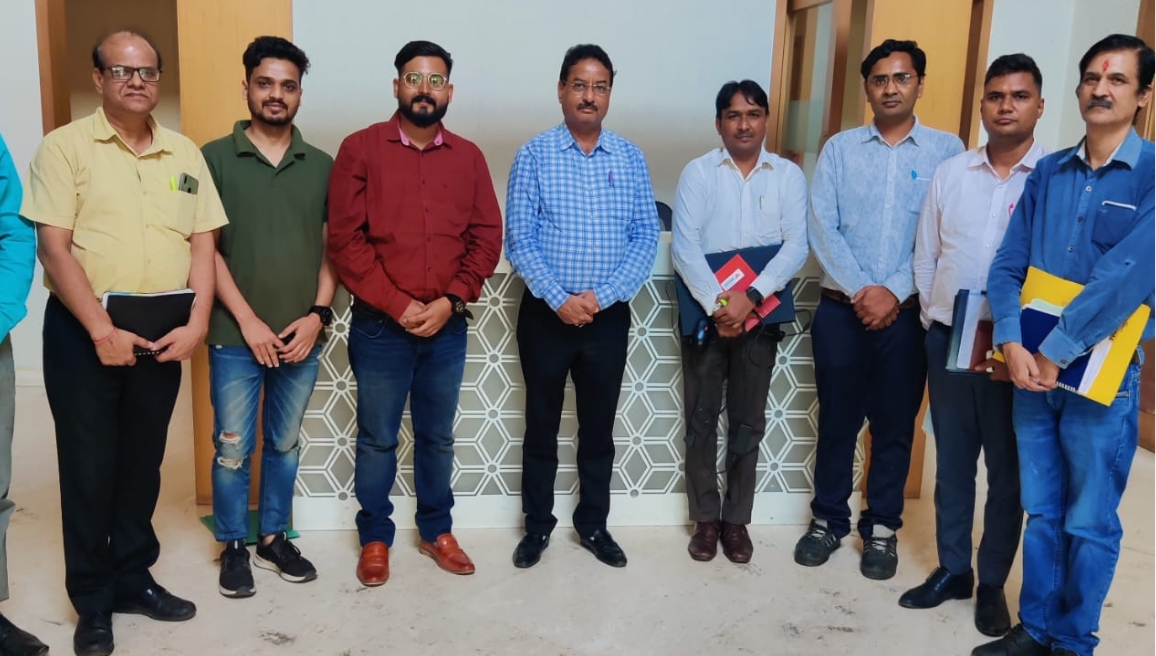
Real sites, real certifications
Our teams work inside factories and plants across India and abroad - inspections, audits and certification milestones spanning BIS, global schemes and the full compliance stack you see on this site.






What our clients say
Reviews and feedback from businesses that have worked with Diligence Certifications.










Related PESO / Petroleum services
PESO License
Compliance for petroleum, gas, and explosives products.
View details →GCR Rules 2016
Gas Cylinder Rules 2016 - manufacturing & approvals.
View details →SMPV-U Rules 2016
SMPV-U Rules 2016 approval, certification & compliance.
View details →Petroleum Rules 2012
PESO approval process & Petroleum Rules 2012 guide.
View details →PESO Consultant
Hire an expert PESO consultant in India for petroleum, gas and explosives licensing.
View details →Ready to get Explosive Rules 2008?
Talk to our experts for a clear, fixed-scope plan - most clients get a roadmap the same day.