



 BIS Certification
 CDSCO
CDSCO
 CPCB
CPCB
 LMPC
LMPC
 WPC Approval
 Global Approvals
 TEC
TEC
 ARAI
ARAI
 BEE
BEE
 ISO Certification
 DGCA Certification
 NOC For Steel
 APEDA Registration













 Business Registration
 FSSAI Mark Certification











 Legal Services
 Trademark Registration
 Copyright Registration
 Patent Registration
- FMCS Registration enables foreign manufacturers to obtain BIS license and use the Standard Mark (ISI Mark) on products exported to India.
- The Foreign Manufacturer Certification Scheme (FMCS BIS) ensures imported goods meet Indian Standards through factory audits, product testing, and continuous surveillance.
- Completing FMCS Registration helps overseas brands enter India’s regulated markets smoothly and legally.
Introduction
A few years ago, a European water-heater brand contacted our compliance team in Delhi. Their shipment worth millions sat idle at Mumbai Port because the Customs officer demanded a BIS FMCS licence.
They had every international certification imaginable — CE, ISO, UL — but India’s law required conformity to Indian Standards (IS). Without the Foreign Manufacturer Certification Scheme (FMCS) licence, those heaters could not even be released from port.
Within six months, after guided FMCS Registration — including factory audit, testing, and liaison with BIS — the same brand began regular shipments, now carrying the proud ISI Mark that reassures Indian buyers.
Their story captures what thousands of exporters discover each year: international approval isn’t enough; India demands BIS FMCS compliance.
What Is FMCS Registration?

The FMCS (Foreign Manufacturer Certification Scheme) is a scheme of the Bureau of Indian Standards (BIS) that permits foreign manufacturers to gain the ability to use BIS Standard Mark (ISI Mark) on their products.
The FMCS is part of Scheme I, as set forth in the BIS Conformity Assessment Regulations – 2018, and is authorized by the BIS Act 2016.
In essence, FMCS Certification gives foreign factories the same opportunity that Indian manufacturers have — to prove that their goods meet Indian Standards and are safe, reliable, and consistent for the Indian market.
Why India Introduced FMCS?
India’s import landscape has grown rapidly. While globalization has opened access to world-class products, it also increased risks of sub-standard imports. To protect consumers and ensure fair competition, BIS created FMCS so that all manufacturers, Indian or foreign, follow identical testing and quality norms.
Today, hundreds of product categories — from electrical equipment, cement, and steel pipes to automotive components and household appliances — are notified under mandatory BIS compliance.
FMCS BIS vs Other BIS Schemes
Understanding FMCS requires comparing it with the other main BIS routes:
| Scheme | Applies to | Certification Type | Factory Audit | Example Products |
| Scheme I (FMCS) | Foreign Manufacturers | ISI Mark | Mandatory on-site audit | Steel products, Cement, Cables |
| Scheme II (CRS) | Electronics / IT goods | Self-declaration Registration | No audit | Laptops, Chargers |
| Scheme X | High-risk industrial goods | Hybrid Certification | Periodic inspection | Motors, Transformers |
Hence, FMCS is the classic BIS route for overseas producers making products covered under Scheme I.
Why FMCS Certification Matters for Foreign Exporters?
- Legal Market Entry – If your product appears in a Quality Control Order (QCO), BIS certification is compulsory for import. Without FMCS, Customs will block the shipment.
- Brand Credibility – Indian buyers and government tenders trust the ISI Mark; it’s a signal of reliability.
- Avoid Delays and Penalties – Absence of BIS FMCS licence can result in confiscation, penalties, or recall.
- Access to Government Projects – Only BIS-certified brands are eligible for many infrastructure or public-procurement contracts.
- Long-term Market Presence – With FMCS Registration, you’re not a one-time exporter; you become a recognized compliant supplier.
The FMCS Registration Process
Below is a detailed, step-by-step explanation — drawn from practical client experience rather than theory — of how FMCS Certification unfolds.
Step 1: Identify Applicable Indian Standard
Every regulated product corresponds to a specific Indian Standard (IS). For instance, LED Lamps correspond to IS 16102, while Portland Cement follows IS 269.
A correct mapping is crucial. A mismatch between your product and IS code is one of the most common causes of rejection.
Step 2: Nominate an Authorized Indian Representative (AIR)
Since the manufacturer is located abroad, BIS requires an Indian-based representative — the Authorized Indian Representative (AIR) — who acts as the legal and technical contact.
The AIR must:
- Be an Indian citizen or registered entity;
- Possess authority from the manufacturer through a notarized agreement;
- Assume responsibility for compliance and post-licence actions.
In short, the AIR is the face of your brand before BIS. Choose this role carefully — ideally a compliance-specialized agency rather than a trading partner.
Step 3: Prepare Documentation
Comprehensive documentation demonstrates the manufacturer’s technical capability and quality system. Typically required:
- Business registration and factory licence
- Factory layout plan and production flow chart
- List of machinery and testing equipment
- Quality Control Plan (QCP)
- Product drawings, raw-material details, and bill of materials
- Test procedures and records
- Nomination letter for AIR
- Undertakings and fees receipts
All documents must be in English or accompanied by certified translations.
Step 4: Application Filing with BIS
The manufacturer (or its AIR) files an online application to the Foreign Manufacturers Certification Department (FMCD) at BIS Headquarters, New Delhi.
Along with the application:
- Pay the prescribed fees;
- Submit supporting documents;
- Declare details of products, brands, and factories;
- Provide consent for factory inspection.
BIS scrutinizes the submission for completeness before proceeding to audit.
Step 5: Factory Audit / Inspection
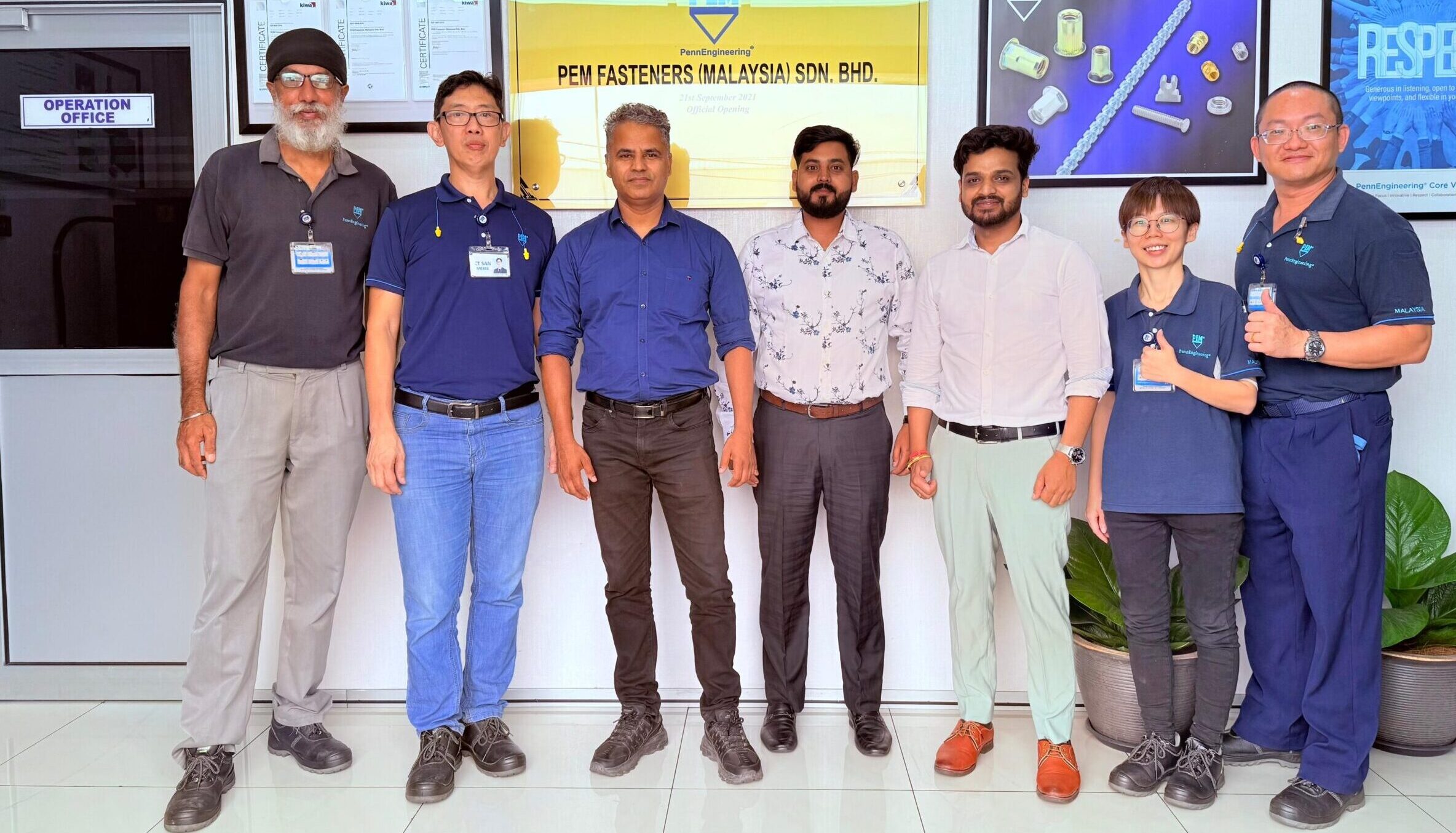
Once the application passes the preliminary stage, BIS officers visit the overseas factory to verify compliance on site.
During the audit, they assess:
- Manufacturing process flow and quality control system;
- Calibration records of testing equipment;
- Competence of laboratory personnel;
- Segregation of non-conforming products
- Marking and traceability system;
- Witness testing and sample sealing.
A transparent, well-organized factory earns positive remarks. Disorganized documentation and untrained staff are typical reasons for non-conformity reports.
Step 6: Product Testing in BIS-Recognised Laboratories
- The sealed samples collected during the audit are tested as per the identified Indian Standard.
- Testing verifies every parameter — mechanical, electrical, chemical — depending on the product.
- Passing all tests is mandatory.
- Even a single failure can delay licence grant until rectified and retested.
Step 7: Evaluation and Grant of Licence
BIS reviews the audit report, test results, and corrective actions (if any). Once satisfied, it issues an FMCS licence authorizing the use of the BIS Standard Mark.
The manufacturer must then:
- Deposit a Performance Bank Guarantee (PBG)
- Pay marking fees linked to production volume;
- Sign a licence agreement and undertaking.
The licence is normally valid for one year and renewable thereafter.
Step 8: Post-Licence Surveillance and Renewal
BIS conducts periodic surveillance visits to ensure continued compliance. Manufacturers must maintain records of production and testing for review.
Before expiry, renew the licence by submitting:
- Updated test reports;
- Renewal fee and marking fee statement;
- Any changes in factory setup or process.

Timelines and Cost Estimates
A realistic schedule for FMCS Certification runs between 6 and 9 months, depending on factory readiness and lab capacity.
Indicative phases:
- Documentation & Application: 1–2 months
- Audit Scheduling & Execution: 2 months
- Product Testing: 2–3 months
- BIS Evaluation & Licence Grant: 1 month
Major cost heads:
- Application & Audit fee to BIS
- Travel and accommodation for BIS officers
- Testing charges in accredited labs
- Performance Bank Guarantee
- Consultancy / AIR service charges
Common Challenges in FMCS Registration
- Mismatch Between Product and IS Standard – Incorrect standard selection causes immediate rejection.
- Insufficient Testing Infrastructure – Factories without calibrated labs must outsource testing, causing delays.
- Language Barriers During Audit – Communication gaps can lead to misunderstandings of procedures.
- Sample Damage in Transit – Delays in testing or re-sampling add weeks to timeline.
- Late Renewal – Forgetting to renew before expiry suspends licence rights.
Proactive planning and local liaison support can avoid most of these pitfalls.
Benefits of Holding a BIS FMCS Licence
| Advantage | Practical Outcome |
| Regulatory Clearance | Hassle-free customs clearance for each shipment. |
| Market Trust | ISI Mark enhances brand credibility with buyers and tenders. |
| Competitive Edge | Compliance can differentiate premium brands from grey imports. |
| Risk Mitigation | Protects against seizure, penalties, and product recall. |
| Continuous Improvement | Regular audits strengthen internal quality culture. |
How to Obtain BIS FMCS License for Foreign Manufacturers?
A South-East Asian motor manufacturer once approached us with a challenge: their motors met IEC standards but not Indian Standards for efficiency and insulation testing.
We guided them to:
- Upgrade the stator winding design to meet IS 12615;
- Calibrate their testing equipment for ambient temperature correction;
- Conduct pre-audit mock inspections;
- Train technicians in record-keeping.
When BIS arrived, the factory sailed through inspection. Within five months, they held their FMCS licence and now supply to multiple Indian OEMs under long-term contracts.
Key Steps to Prepare for BIS FMCS Certification Successfully
- Gap Assessment Before Applying – Compare your process with BIS requirements to spot deficiencies early.
- Maintain Traceable Testing Records – Every sample should link to a production batch and test report.
- Keep Communication Transparent – Quick response to BIS queries builds trust.
- Invest in In-house Lab Calibration – Accurate data minimises testing disputes.
- Engage Experienced Consultants or AIRs – They understand BIS culture and can save months.
The Future of FMCS and India’s Quality Landscape
India is shifting towards stronger product governance. Each year, new Quality Control Orders add more categories under mandatory BIS certification.
Meanwhile, Scheme X is emerging for industries like machinery and electrical equipment where risk is high and testing complex. Over time, some FMCS-covered products may migrate to Scheme X.
For foreign manufacturers, the message is clear: treat India as a strategic, quality-driven market, not just a destination for exports. Building BIS compliance capability now ensures long-term presence as regulations tighten.
How Diligence Certifications Assists Global Manufacturers
At Diligence Certifications, our FMCS experts have managed over 300 successful certifications for global brands across Asia, Europe, and the Americas.
We assist with:
- Standard identification and gap analysis
- Application and documentation
- Liaison with BIS and testing labs
- Mock audits and training
- Renewal and marking fee management
Our clients range from Japanese electronics firms to Italian steel producers — all united by one goal: smooth entry into India’s regulated markets.
Conclusion: FMCS Certification — Your Gateway to India
To summarize, FMCS Certification under BIS is not just a legal formality; it’s a quality passport into India’s dynamic marketplace. It ensures that foreign manufacturers align with Indian Standards, proving commitment to safety, performance, and trust.
Whether you’re exporting cables, cement, or appliances, completing your FMCS Registration will prevent clearance issues, build brand reputation, and open doors to India’s growing demand base.
If your organization plans to export to India, consult experts familiar with BIS FMCS — the difference between delay and dominance often lies in the preparation.
Frequently Asked Questions
Is FMCS Certification mandatory for all foreign products?
No. Only those products listed under BIS Quality Control Orders (QCOs) and falling under Scheme I require FMCS.
Can a foreign manufacturer have multiple factories under one licence?
No. Each factory location must hold a separate FMCS licence because BIS audits are factory-specific.
How long is the licence valid?
Typically for one year, renewable subject to compliance and payment of marking fees.
Can the licence be transferred to another company?
No. FMCS licence is non-transferable. A change in ownership requires fresh application.
What if the factory fails during an audit?
BIS issues a non-conformity report; the manufacturer must implement corrective actions and request re-inspection.
Does FMCS cover after-sales service or spare parts?
Only if those parts fall under the same Indian Standard as the main product.
Are test reports from foreign labs acceptable?
Usually not, unless the lab is BIS-recognised for that specific IS and test method.
Can testing and audit be waived if the product is already ISO certified?
No. ISO certification does not replace BIS FMCS requirements.
Who can help prepare for FMCS Certification?
Professional consultancies like Diligence Certifications specialise in BIS compliance, documentation, and audit support for foreign manufacturers.