 BIS Certification
 CDSCO
CDSCO
 PESO
PESO
 CPCB
CPCB
 LMPC
LMPC
 WPC Approval
 Global Approvals
 TEC
TEC
 ARAI
ARAI
 BEE
BEE
 ISO Certification
 DGCA Certification
 NOC For Steel
 APEDA Registration























 Business Registration
 FSSAI Mark Certification












 (32).jpg)
 Legal Services
 Trademark Registration
 Copyright Registration
 Patent Registration
Used Oil
EPR Registration for Used Oil is the CPCB authorisation that makes producers, importers and recyclers responsible for the safe collection,...
Get expert consultation
Trusted by 25,000+ leading enterprises worldwide











Key takeaways
- EPR Registration for Used Oil ensures proper collection, recycling and disposal of used oil as per CPCB (Central Pollution Control Board) guidelines.
- It is a compliance requirement under the Hazardous Waste Management Rules, 2016.
- It is mandatory for producers, importers, collection agents and recyclers handling used oil.
- It is India’s fifth EPR policy, after e-waste, plastic waste, tyre waste and battery waste.
- Applications are filed online through the CPCB EPR portal.
- The EPR Certificate carries a 5-year validity and must be renewed before it expires.
- Non-compliance can lead to legal penalties, fines and restriction of operations.
What is EPR for Used Oil?
Used oil is any oil derived from petroleum, its derivatives or synthetic materials that has been adulterated by physical or chemical impurities during use. It is generated from sources such as power plants, automobile workshops, industrial machinery and fleets.
Extended Producer Responsibility, or EPR, is a legislative scheme that requires manufacturers to minimise the environmental harm caused by their products at the end of their life cycle. For used oil this covers collection, storage, transportation, and recycling or disposal. The Central Pollution Control Board is the highest authority that monitors and certifies EPR implementation, so CPCB Certification is the same as EPR registration here.
To regulate the stakeholders involved, the Government of India introduced EPR registration for used oil, its fifth EPR policy after e-waste, plastic waste, tyre waste and battery waste. The aim is the safe treatment, recycling and disposal of used oil in line with sustainable development goals.
Common sources of used oil
- Power plants
- Automobile workshops
- Industrial machinery
- Vehicle fleets
- Refineries and manufacturing plants
- Lubricating and base oil operations
Entities that need EPR for oil waste
For any business selling, manufacturing, importing or recycling base oil, lubricating oil or industrial waste oil across India, registration under EPR is compulsory.
| Stakeholder | Who it covers |
|---|---|
| Producers | Enterprises selling base oil or lubricating oil into India. |
| Recyclers | Organisations involved in processing or recycling used oil. |
| Collection Agents | Individuals or companies that collect waste oil and supply it to registered recyclers. |
| Importers | Importers bringing used oil or oil-based products into India for reprocessing or recycling. |
| Regulatory basis | Detail |
|---|---|
| Governing rules | Hazardous Waste Management Rules, 2016 |
| Authority | Central Pollution Control Board (CPCB) |
| State authorities | SPCB / PCC for state-level compliance |
| Filing portal | CPCB EPR online portal |
Benefits of EPR for used oil
Legal compliance
Stay accountable under environmental laws and avoid financial penalties and consequences.
Resource recovery
Encourages recycling and reprocessing of used oil, turning waste into useful material.
Environmental protection
Reduces pollution and damage to ecosystems through the safe handling of used oil.
Transparency
The EPR framework brings transparency to the used oil management hierarchy.
Stronger brand value
Builds a favourable image and increases brand credibility on environmental management.
Circular economy
Closing the used oil loop supports the shift toward a circular economy and resource efficiency.
Why EPR registration is mandatory
EPR registration for used oil is a compliance requirement under the Hazardous Waste Management Rules, 2016. The system ensures that producers, importers and recyclers are responsible for the environmentally safe collection, recycling and disposal of used oil. Registration with the CPCB or the relevant SPCB / PCC holds an enterprise accountable to environmental laws and rules.
What non-compliance can cost you
- Legal penalties and fines imposed by the CPCB.
- Restriction or shutdown of business operations.
- Environmental notices and actions against the firm.
- Loss of credibility with customers and authorities.
The registration process, step by step
The process is handled online through the CPCB EPR portal. Producer responsibilities run alongside registration once authorisation is granted.
Registration steps
Prepare documents
Gather the required documents, including business details, GST and Hazardous Waste Authorization.
Apply online
Register on the CPCB EPR portal and submit the online application with the mandatory documents attached.
Waste management plan
Draft a Used Oil Waste Management Plan and submit it with the application.
Verification and inspection
The CPCB, SPCB or PCC reviews the application and may seek clarification or, in some cases, conduct a site inspection.
Authorisation granted
Once the application is accepted, the EPR authorisation and certificate are issued.
Producer responsibilities
Proper storage
Keep used oil in standard, safe containers to prevent spills or leaks.
Collect and transport
Gather used oil and transport it through authorised collection agencies to licensed recyclers.
Maintain records
Keep accurate documentation of used oil produced, collected and recycled.
File returns
Submit periodic updates on the amount of used oil handled to the CPCB or SPCB / PCC.
Documents required
- Company Incorporation Certificate (CIN, MoA, Partnership Deed, MSME, as applicable)
- ID and address proof of the authorised persons
- PAN and GST certificate
- Import Export Code (IEC), mandatory for importers
- Hazardous Waste Authorization from the SPCB
- EPR plan and compliance plan to meet the targets
- Details of manufacturing and annual returns
- Data on the generation of used oil
Validity & renewal
- The EPR Certificate has a 5-year validity from the date of issue.
- The business must renew its registration before expiry to stay compliant.
- Renewal is filed with the CPCB or the relevant SPCB / PCC, with up-to-date data and compliance reports.
- Delay or failure to renew can lead to penalties and legal issues.
Need related EPR approvals? See our Battery Waste, Electronic Waste and Tyre Waste services.
Fee factors
The CPCB determines the cost of EPR registration for used oil based on the applicant’s operational size and category, such as producer or recycler. The latest CPCB standards apply, and the typical components are:
| Fee factor | Details |
|---|---|
| Operational size | Fee scales with the scale of operations |
| Applicant category | Producer, recycler, collection agent or importer |
| Documentation and filing | Preparation and submission of the application dossier |
| Renewal fee | Payable on renewal before the 5-year validity ends |
Not sure if you need EPR for used oil?
Tell us whether you produce, import, collect or recycle used oil, and we will map the exact registration, documents and timeline. Approval typically takes 30 to 60 days.
EPR obligations for used oil are administered by the Central Pollution Control Board (CPCB).
Frequently asked questions
What is the purpose of EPR for Used Oil?
EPR registration for used oil is a compliance requirement under the Hazardous Waste Management Rules, 2016. The system ensures that producers, importers and recyclers are responsible for the environmentally safe collection, recycling and disposal of used oil.
Who needs to register?
Registration is mandatory for used oil producers such as industrial units, refineries and manufacturing plants, importers bringing used oil or oil-based products into India, waste oil recyclers and collection agents, and industries generating hazardous waste containing used oil.
What is the registration process?
You register on the CPCB EPR portal, submit the mandatory documents such as business details, GST and Hazardous Waste Authorization, draft a Used Oil Waste Management Plan, and receive approval and the EPR Certificate.
How long is the EPR Certificate valid?
The EPR Certificate has a 5-year validity. The business must renew its registration before expiry to remain compliant.
How long does approval take?
The approval process normally takes 30 to 60 days, subject to regulatory review. Diligence Certifications can help expedite the process with cooperative assistance.
What happens if I do not comply?
Non-compliance can lead to legal penalties and fines imposed by the CPCB, restriction or shutdown of business operations, and environmental notices and actions.
Why choose Diligence Certification?
For compliance and credibility, Diligence is much more than a checklist - we give you real confidence in your business. We examine your legal, financial and operational status, so you are not just certified, but trusted.
Stronger risk protection
Spot hidden legal, financial or operational risks early - fix problems before they become threats.
Earn stakeholder trust
From investors to customers, people want to work with businesses that play by the rules.
Stay legally aligned
Compliant not just on products but on labour, environmental and tax laws too.
Enhance brand reputation
Show the world you operate with integrity and transparency.
Stand out from competitors
In a crowded market, credibility is your biggest edge.
24×7 expert support
A 100+ strong service team guiding you at every step, free first consultation.
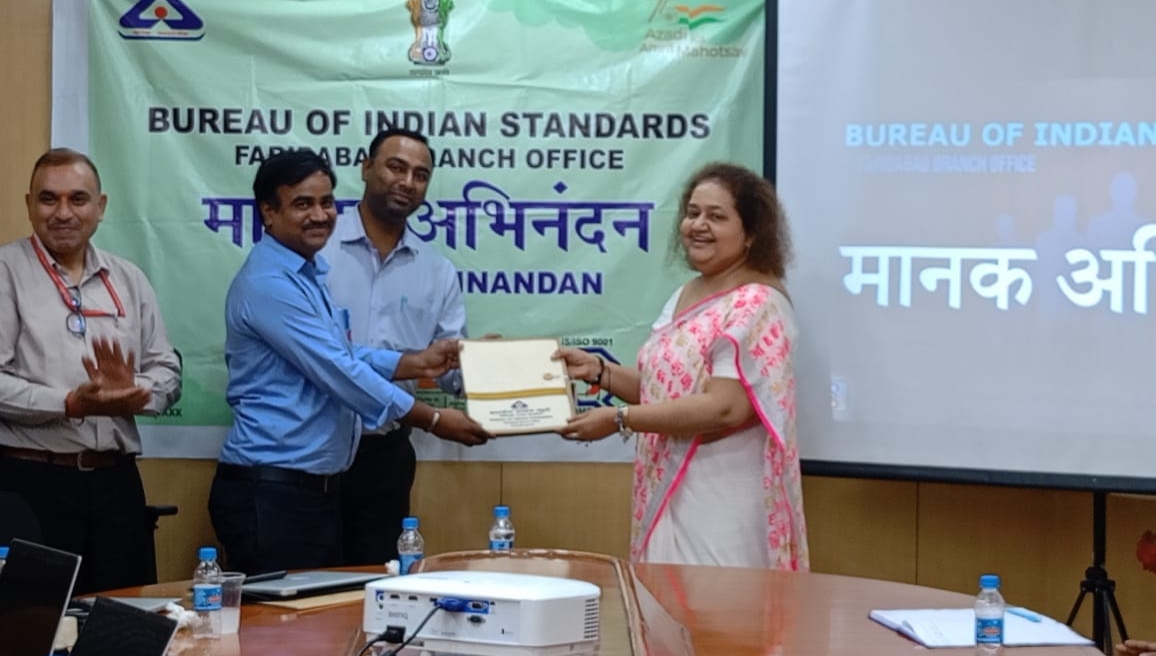
Real sites, real certifications
Our teams work inside factories and plants across India and abroad - inspections, audits and certification milestones spanning BIS, global schemes and the full compliance stack you see on this site.






What our clients say
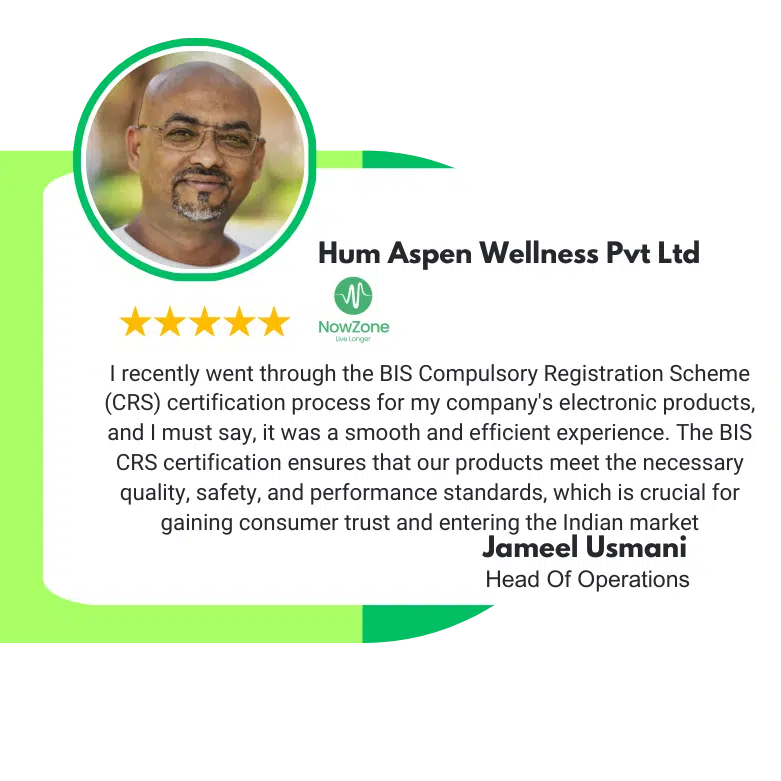
Reviews and feedback from businesses that have worked with Diligence Certifications.









Related CPCB / Environmental services
CPCB Certification
CPCB Certification & environmental compliance.
View details →Battery Waste Compliance
EPR registration & compliance for battery waste.
View details →E-waste Certification
E-waste EPR registration and certification.
View details →Tyre Waste Management
Tyre Waste Management & EPR registration.
View details →Plastic Waste Compliance
Plastic Waste Compliance Certification & EPR.
View details →No Objection Certificate
NOC from environmental authorities - quick processing.
View details →Ready to get Used Oil?
Talk to our experts for a clear, fixed-scope plan - most clients get a roadmap the same day.