 BIS Certification
 CDSCO
CDSCO
 PESO
PESO
 CPCB
CPCB
 LMPC
LMPC
 WPC Approval
 Global Approvals
 TEC
TEC
 ARAI
ARAI
 BEE
BEE
 ISO Certification
 DGCA Certification
 NOC For Steel
 APEDA Registration























 Business Registration
 FSSAI Mark Certification












 (32).jpg)
 Legal Services
 Trademark Registration
 Copyright Registration
 Patent Registration
Tyre Waste
Tyre waste is regulated in India under the Tyre Waste Management Rule 2022, and producers, importers and brand owners must...
Get expert consultation
Trusted by 25,000+ leading enterprises worldwide










Key takeaways
- Tyre waste is regulated in India under the Tyre Waste Management Rule 2022, introduced by the Hazardous and Other Wastes (Management and Transboundary Movement) Amendment Rules, 2022.
- Producers, importers and brand owners must obtain EPR registration on the CPCB portal to meet their Extended Producer Responsibility obligations.
- The framework is administered by the Central Pollution Control Board (CPCB).
- Producers must buy EPR certificates for waste tyres from a registered recycler and file quarterly and annual returns.
- Tyre waste covers end-of-life tyres (ELTs) that can no longer be used for their original purpose.
- EPR certificates are valid for one year and must be renewed annually with updated recycling data.
- Effective tyre waste management protects brands, ensures CPCB compliance and builds sustainability credibility.
What is tyre waste?
Tyre waste, also referred to as end-of-life tyres (ELTs), is made up of tyres that can no longer be used for their original application due to wear and tear, damage or ageing. The high-piling dump of scrap tyres is a growing environmental hazard, and companies that deal with tyres must comply strictly with the EPR framework.
Improper management of rejected tyres creates serious risks, but it also opens routes to sustainable and responsible practices. This guide takes you through the processes and regulations for EPR on tyre waste, and how Diligence Certifications helps you reach compliance.
Why improper tyre disposal is hazardous
- Landfill space: tyres occupy real estate and take hundreds of years to decay
- Fire hazard: stacked tyres are highly combustible and hard to extinguish, releasing toxins
- Vector breeding: stagnant water in discarded tyres breeds mosquitoes and disease carriers
- Soil and water pollution: toxic chemicals leach out and contaminate soil and water
Tyre Waste Management Rule 2022
The MoEFCC notified the Hazardous and Other Wastes (Management and Transboundary Movement) Amendment Rules, 2022, which introduced tyre waste management obligations. The CPCB extended management of waste tyres under the Extended Producer Responsibility framework set out in these rules.
| Key feature | What it means |
|---|---|
| Extended Producer Responsibility (EPR) | Tyre producers and importers must ensure proper collection, recycling and disposal. |
| CPCB registration | Companies handling tyre waste must register on the CPCB portal. |
| Annual compliance reports | Businesses submit details of collection and recycling to the CPCB. |
| Trading of EPR credits | Tyre producers can purchase EPR certificates from authorised recyclers. |
| Stakeholder | Responsibility |
|---|---|
| Producers | Obtain EPR certificates from a registered recycler and file quarterly and annual returns on the CPCB portal. |
| Recyclers | File monthly data returns on quantities of used and generated waste tyres and EPR certificate sales, plus quarterly and annual returns. |
| Retreaders | Register on the CPCB portal to issue retreading certificates, with end-of-life disposal routed through an accredited recycler. |
Benefits of EPR for tyre waste
Legal compliance
Avoid penalties and stay on the right side of the law under the Tyre Waste Management Rule 2022.
Environmental responsibility
Reduce the channelling of waste tyres into the environment and contribute to a cleaner future.
Resource conservation
Recover and reuse materials of value instead of sending tyres to landfill.
Circular economy
Close the loop on waste and maximise resource use across the tyre lifecycle.
Brand reputation
Enhance brand equity by showing a clear commitment to sustainability.
Market access
Sell tyres legally in India and meet rising demand for eco-sensitive products.
Why managing waste tyres is necessary
Managing waste tyres minimises the environmental impact of dumped tyres and facilitates the circular economy. Collection, sorting and processing of ELTs supports recycling of rubber into floorings, mats and playground surfaces, energy recovery in cement kilns under emission controls, pyrolysis into oil, gas and carbon black, and re-treading. EPR registration with the CPCB is mandatory for tyre producers, importers, recyclers, retreaders and brand owners selling tyres in their own name.
What non-compliance can cost you
- Heavy fines and penalties imposed by the CPCB.
- Cancellation of licenses for business activities and restrictions on operations.
- Legal proceedings and environmental offences against the company.
- Restrictions on working for companies that refuse EPR compliance.
The EPR registration process, step by step
EPR for tyre waste in India is enacted by the Central Pollution Control Board. Producers register with the CPCB and obtain EPR authorisation through an online process.
Plan and register
Assessment and planning
An EPR plan is developed detailing collection, recycling and disposal strategy, and the company is registered as a producer under the EPR framework on the CPCB portal.
EPR plan submission
The detailed EPR plan, including collection targets, recycling and disposal methods and partnerships with recyclers, is submitted to the CPCB.
Implement and report
You implement the EPR plan, monitor it and report collection, recycling and disposal activities to the CPCB at regular intervals.
Application and grant
Submission of information
You submit all relevant information for EPR for tyre waste, and our team verifies the documents and details for any inconsistencies.
Application submission
The online application for EPR for tyre waste is submitted to the applicable authorities after verification by our professionals.
CPCB review
The CPCB reviews the application and any necessary corrections are made if issues or discrepancies are found.
Grant of certificate
The certificate of authorisation is granted, after which producers begin complying with their EPR action plan to meet the required EPR target.
Documents required
- Aadhaar number of the authorised person
- PAN card of the company
- GST number of the company
- CIN number of the company
- IEC number of the company, in case of import
- Covering letter as per Annexure A and undertaking as per Annexure B
- Tyre composition as per Annexure C and plantwise manufacturing data
- NOCs or environmental approvals from the appropriate authorities
- Proof of ownership or lease of the location for waste tyre operations
- Details of the proposed EPR strategy for collection, storage, transport, processing and disposal
Timeline, validity & renewal
- Approval typically takes 30 to 60 working days, subject to CPCB verification.
- The certificate of authorisation is generally granted within 50 to 60 days of application submission.
- EPR certificates are valid for one year.
- Companies must renew annually with updated recycling data and compliance reports.
Need related EPR approvals? See our Battery Waste, Electronic Waste and Plastic Waste services.
Ongoing compliance returns
Once registered, every entity must keep filing returns on the CPCB portal in the prescribed format to stay compliant.
| Entity | Filing obligation |
|---|---|
| Producers | Quarterly and annual returns, filed by the end of the month immediately following each quarter; quarterly return is a must for every registered entity. |
| Recyclers | Monthly data returns plus quarterly and annual returns, with the due date at the end of the month immediately following each quarter. |
| Retreaders | Submission of retreading certificates, with end-of-life disposal handled through an accredited recycler. |
Not sure if EPR applies to you?
Tell us whether you manufacture, import, recycle or retread tyres, and we will map your exact EPR obligations, documents and timeline with the CPCB.
EPR obligations for waste tyres are administered by the Central Pollution Control Board (CPCB).
Frequently asked questions
What is EPR registration for tyre waste?
EPR registration for tyre waste is a mandatory compliance under the Tyre Waste Management Rule 2022, introduced by the Hazardous and Other Wastes (Management and Transboundary Movement) Amendment Rules, 2022. It makes manufacturers, importers and recyclers of tyres responsible for the proper collection, recycling and disposal of waste tyres.
Is EPR registration mandatory for tyre businesses?
Yes. Under CPCB regulations, EPR registration for tyre waste is mandatory for tyre manufacturers (including retreaded tyres), importers who bring tyres into India, recyclers and retreaders who process tyre waste, and producers and brand owners selling tyres in their own name.
What is the EPR registration process?
Register on the CPCB EPR portal, submit the mandatory entries such as company details, GST and product information, prepare a detailed EPR compliance plan, and then receive approval and issuance of the EPR certificate.
How long does approval take?
Approval usually takes 30 to 60 days depending on regulatory verifications. The certificate of authorisation is generally granted within 50 to 60 days of application submission.
How long is the EPR certificate valid?
EPR certificates are valid for one year, after which companies must renew annually with updated recycling data and compliance reports to stay in line with CPCB regulations.
What happens if a company does not comply?
The CPCB imposes heavy fines and penalties, can cancel licenses for business activities and restrict operations, and may pursue legal action for environmental offences.
Why choose Diligence Certification?
For compliance and credibility, Diligence is much more than a checklist - we give you real confidence in your business. We examine your legal, financial and operational status, so you are not just certified, but trusted.
Stronger risk protection
Spot hidden legal, financial or operational risks early - fix problems before they become threats.
Earn stakeholder trust
From investors to customers, people want to work with businesses that play by the rules.
Stay legally aligned
Compliant not just on products but on labour, environmental and tax laws too.
Enhance brand reputation
Show the world you operate with integrity and transparency.
Stand out from competitors
In a crowded market, credibility is your biggest edge.
24×7 expert support
A 100+ strong service team guiding you at every step, free first consultation.
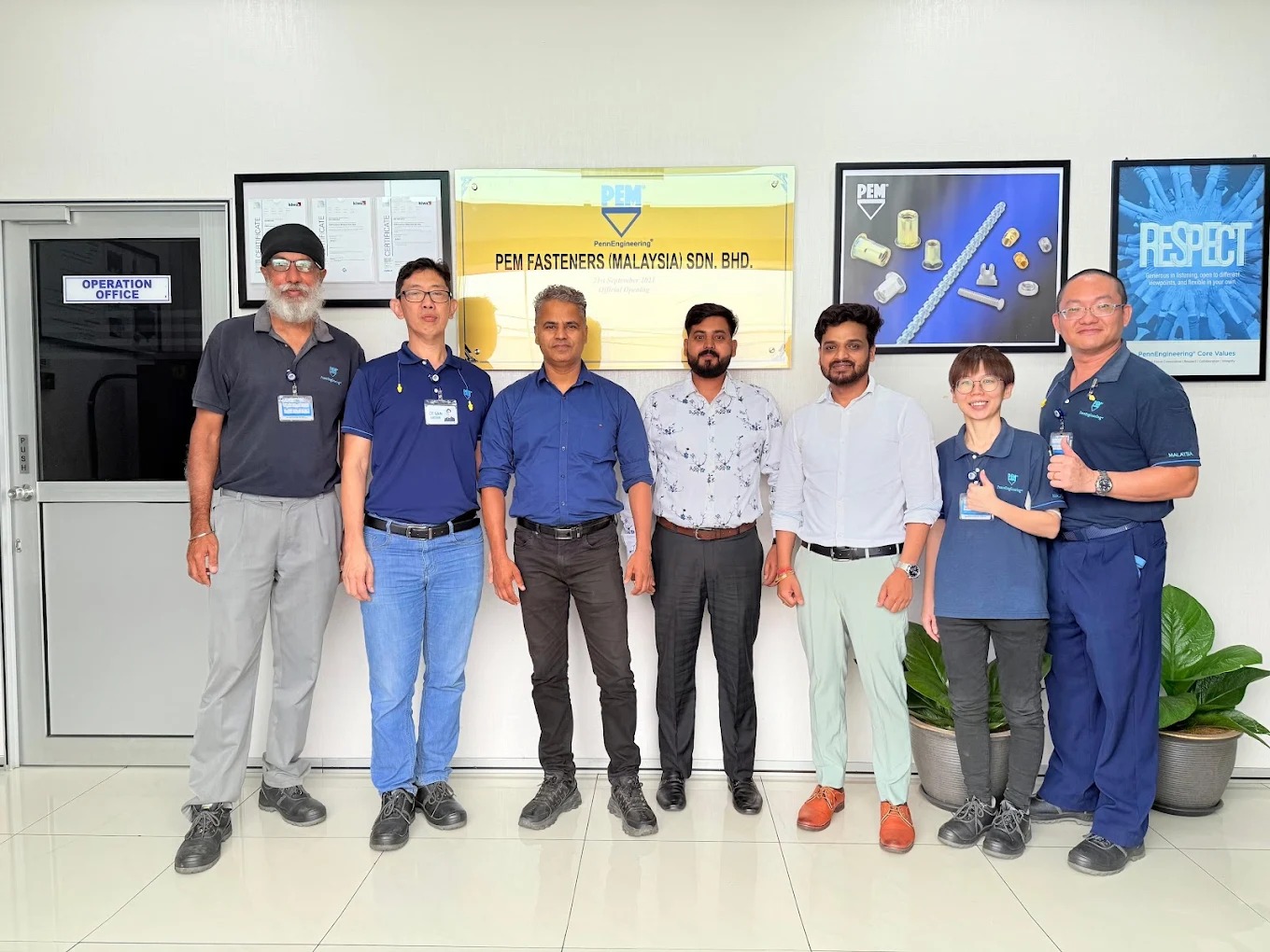
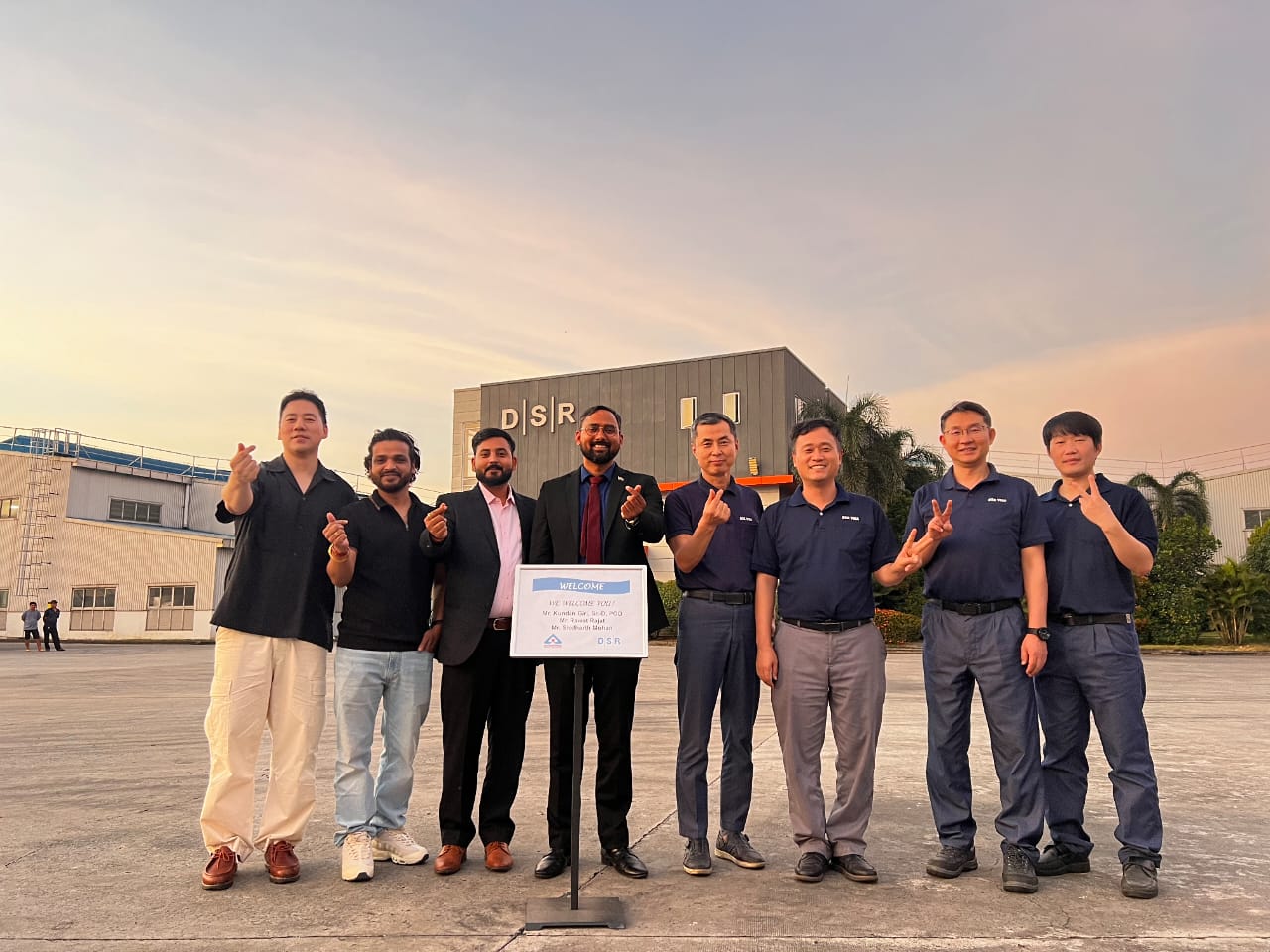
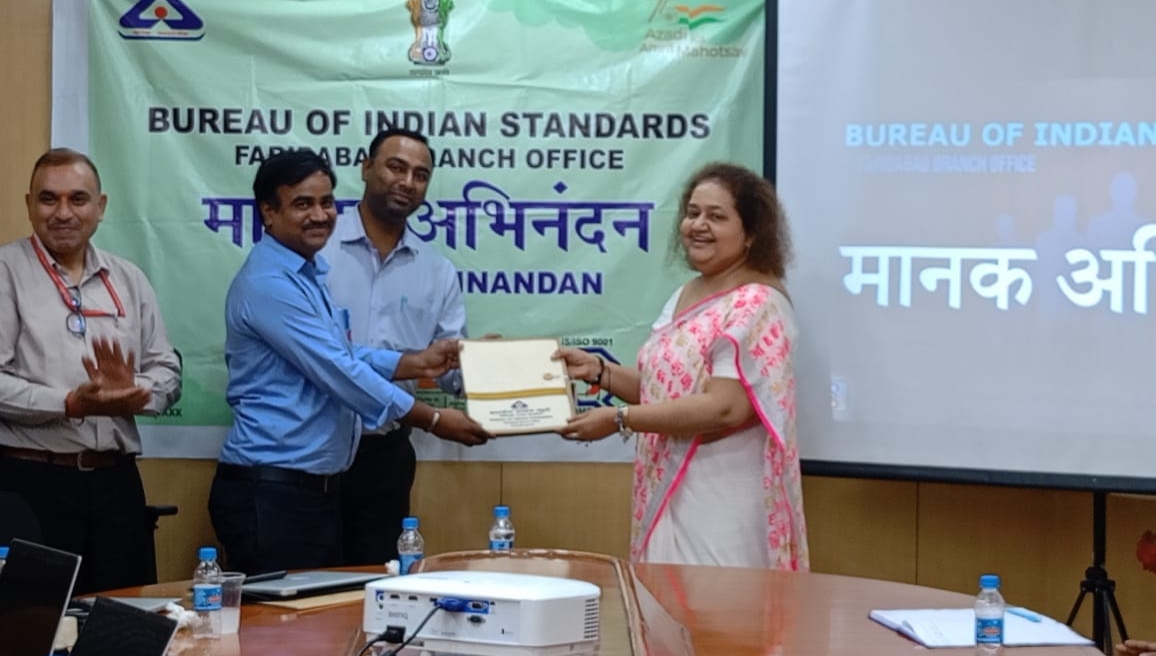
Real sites, real certifications
Our teams work inside factories and plants across India and abroad - inspections, audits and certification milestones spanning BIS, global schemes and the full compliance stack you see on this site.

What our clients say
Reviews and feedback from businesses that have worked with Diligence Certifications.






Related CPCB / Environmental services
CPCB Certification
CPCB Certification & environmental compliance.
View details →Battery Waste Compliance
EPR registration & compliance for battery waste.
View details →E-waste Certification
E-waste EPR registration and certification.
View details →Plastic Waste Compliance
Plastic Waste Compliance Certification & EPR.
View details →EPR for Used Oil
EPR registration for used oil in India.
View details →No Objection Certificate
NOC from environmental authorities - quick processing.
View details →Ready to get Tyre Waste?
Talk to our experts for a clear, fixed-scope plan - most clients get a roadmap the same day.