 BIS Certification
 CDSCO
CDSCO
 PESO
PESO
 CPCB
CPCB
 LMPC
LMPC
 WPC Approval
 Global Approvals
 TEC
TEC
 ARAI
ARAI
 BEE
BEE
 ISO Certification
 DGCA Certification
 NOC For Steel
 APEDA Registration
















 Business Registration
 FSSAI Mark Certification










 (32).jpg)
 Legal Services
 Trademark Registration
 Copyright Registration
 Patent Registration
NGO Registration
NGO registration gives a non-profit a clear legal identity in India as a Trust, Society or Section 8 Company, unlocking...
Get expert consultation
Trusted by 25,000+ leading enterprises worldwide











Key takeaways
- NGO registration is the legal path to creating a non-profit with proper legal standing, credibility and access to funding.
- You can register under three structures: a Trust, a Society or a Section 8 Company, each with its own documents and requirements.
- The structures are governed by the Indian Trusts Act, 1882, the Societies Registration Act, 1860 and the Companies Act, 2013.
- Core documents include the Trust Deed or Memorandum of Association, bylaws, identity proof and address proof.
- Registration unlocks 12A and 80G tax benefits and, where needed, FCRA for foreign donations.
- The process usually takes about 30 to 45 days, depending on the NGO type and government approvals.
- Benefits include legal recognition, eligibility for grants, tax exemptions and donor confidence.
What is NGO registration?
NGO registration is the process by which a group working for a social cause gets officially registered with the government as a clearly defined not-for-profit entity. It is similar to obtaining a license to operate, except the organization runs for a public purpose rather than for owners or shareholders.
The steps involve selecting a name and legal structure, drafting the governing document and submitting the paperwork to the relevant government authority. Registering the NGO adds credibility, defines its mission and values, and gives access to funding and other resources, setting the organization on a path to real impact.
Causes NGOs commonly serve
- Helping pay for children to get an education
- Protecting the environment
- Providing healthcare for those most in need
- Advocating for human rights
- Relief, aid and service to vulnerable communities
- Awareness, advocacy and social change
Trust, Society or Section 8 Company
The structure best suited to you depends on the objectives of the NGO. Each model is registered with a different body and carries different member, governance and compliance requirements.
| Structure | What it is |
|---|---|
| Trust | Formed when one person transfers property to trustees to administer for the benefit of others. A trust deed binds the aims, conduct and use of assets. |
| Society | An association of persons acting together for a common objective such as education, arts, culture, science or social well-being, governed by a managing committee. |
| Section 8 Company | A non-profit company run with directors and shareholders, where any profit goes solely to promoting its objects and is not distributed to members. |
| Structure | Governing law and body |
|---|---|
| Trust | Indian Trusts Act, 1882; registered with the Charity Commissioner or Sub-Registrar. Minimum 2 trustees. |
| Society | Societies Registration Act, 1860; registered with the Registrar of Societies. Minimum 7 members. |
| Section 8 Company | Companies Act, 2013; registered with the Registrar of Companies (ROC). Minimum 2 directors. |
Benefits of NGO registration
Legal recognition
Registration gives the NGO a legal identity and public trust, making it easier to secure funds and work in partnerships.
Funding opportunities
Registered NGOs can access government, departmental and international funding to strengthen their financial resources.
Tax exemptions
Registration under 12A and 80G of the Income Tax Act lets donors claim deductions, encouraging more contributions.
Acquisition of property
A registered NGO can legally own property in its own name, making operations and asset management easier.
Legal protection
Registration creates a sound basis for compliance and shields the organization and its members from liabilities.
Wider reach and impact
Greater credibility and access to funds lead to broader outreach and stronger positive change in society.
The legal framework that governs NGOs
NGOs in India work on poverty alleviation, education, healthcare and environmental protection, and each structure carries obligations beyond its registration act. Knowing the governing law from the outset keeps the organization compliant and eligible for tax and funding benefits.
Laws that may apply to your NGO
- Indian Trusts Act, 1882, or the relevant state-level trusts act for Trusts.
- Societies Registration Act, 1860, with minor state-level amendments, for Societies.
- Companies Act, 2013 (Section 8), administered by the Ministry of Corporate Affairs.
- Income Tax Act, 1961, for tax exemptions under 12A and 80G.
- Foreign Contribution (Regulation) Act, 2010 (FCRA), if accepting foreign donations.
- State-specific labour laws and public trust acts, depending on staff and location.
The registration process, step by step
Whether you register as a Trust, a Society or a Section 8 Company, the path follows the same broad stages with documents tailored to your chosen structure.
Core steps
Name reservation
Pick an appropriate name that is not already in use, does not clash with an existing trademark, and reflects the purpose of the organization.
Draft the governing document
Prepare the Trust Deed for a Trust, the Memorandum of Association with Rules and Regulations for a Society, or the Memorandum and Articles of Association for a Section 8 Company.
Prepare and submit documents
Collect identity and address proofs of trustees, members or directors along with the notarised governing document and submit to the registering authority.
Verification and registration
The authority verifies the papers and, if found in order, issues the registration certificate.
Where you file
Trust
File with the Sub-Registrar of Assurances or Registrar of Trusts after drafting the trust deed and appointing trustees.
Society
File with the Registrar of Societies after preparing the Memorandum and bylaws and forming a governing council.
Section 8 Company
File with the Registrar of Companies under the Ministry of Corporate Affairs after preparing the MOA, AOA and board.
Tax registration
Apply for exemption under Section 12A and 80G of the Income Tax Act once the entity is registered.
Documents required
- Application form
- PAN and Aadhaar, plus identity proof of trustees, members or directors (Voter ID, Passport or Driving License)
- Address proof of trustees, members or directors (utility bills or bank statement)
- Proof of registered office address: rent agreement or ownership document
- Trust Deed, or Memorandum of Association with Rules and Regulations, or Memorandum and Articles of Association
- No Objection Certificate from the property owner of the registered office
- Passport-size photographs of all members
- Affidavit as required by the registering authority
12A, 80G & FCRA
- 12A registration exempts the income of the NGO from income tax.
- 80G registration lets donors deduct their donation from taxable income.
- 80G attracts corporate funding, as many companies prefer to donate to NGOs that hold it.
- FCRA registration allows the NGO to accept foreign donations.
Comparing structures? See our Producer Company Registration, Partnership Firm Registration and Startup India services.
Trust vs Society vs Section 8 Company
| Feature | Trust | Society | Section 8 Company |
|---|---|---|---|
| Governing law | Indian Trusts Act, 1882 | Societies Registration Act, 1860 | Companies Act, 2013 |
| Registration body | Charity Commissioner or Sub-Registrar | Registrar of Societies | Registrar of Companies (ROC) |
| Minimum members | Trustees (minimum 2) | Members (minimum 7) | Directors (minimum 2) |
| Compliance | Relatively simple, less regulatory burden | Moderate, requires regular meetings and member involvement | More complex, with annual filings, audits and board meetings |
| Fundraising | Donations and grants | Donations, grants, membership fees | Grants, donations, CSR and foreign funding (FCRA) |
Not sure which structure fits your cause?
Tell us your objectives, member strength and funding plans, and we will recommend the right structure, draft the governing document and manage the filing.
The Societies Registration Act, 1860 and allied statutes are published on India Code.
Frequently asked questions
What is an NGO registration?
A non-governmental organization is a non-profit created to support social, charitable, educational, religious or environmental causes and is not run by the government. Registration gives it a legal identity and standing.
Under which structures can an NGO be registered in India?
An NGO can be registered as a Trust under the Indian Trusts Act, 1882, as a Society under the Societies Registration Act, 1860, or as a Section 8 Company under the Companies Act, 2013.
How many people are needed to register?
A trust requires a minimum of two trustees, a society requires a minimum of seven members, and a Section 8 Company requires a minimum of two directors.
How long does NGO registration take?
The process usually takes about 30 to 45 days, depending on the NGO type and the government approval processes involved.
What tax benefits are available?
12A registration exempts the NGO from income tax, 80G lets donors claim tax relief, and FCRA registration allows the NGO to accept foreign donations.
Can registered NGOs apply for government grants?
Yes. Registered NGOs can apply for government schemes, CSR funding and international grants. We assist with grant applications and ongoing compliance.
Why choose Diligence Certification?
For compliance and credibility, Diligence is much more than a checklist - we give you real confidence in your business. We examine your legal, financial and operational status, so you are not just certified, but trusted.
Stronger risk protection
Spot hidden legal, financial or operational risks early - fix problems before they become threats.
Earn stakeholder trust
From investors to customers, people want to work with businesses that play by the rules.
Stay legally aligned
Compliant not just on products but on labour, environmental and tax laws too.
Enhance brand reputation
Show the world you operate with integrity and transparency.
Stand out from competitors
In a crowded market, credibility is your biggest edge.
24×7 expert support
A 100+ strong service team guiding you at every step, free first consultation.
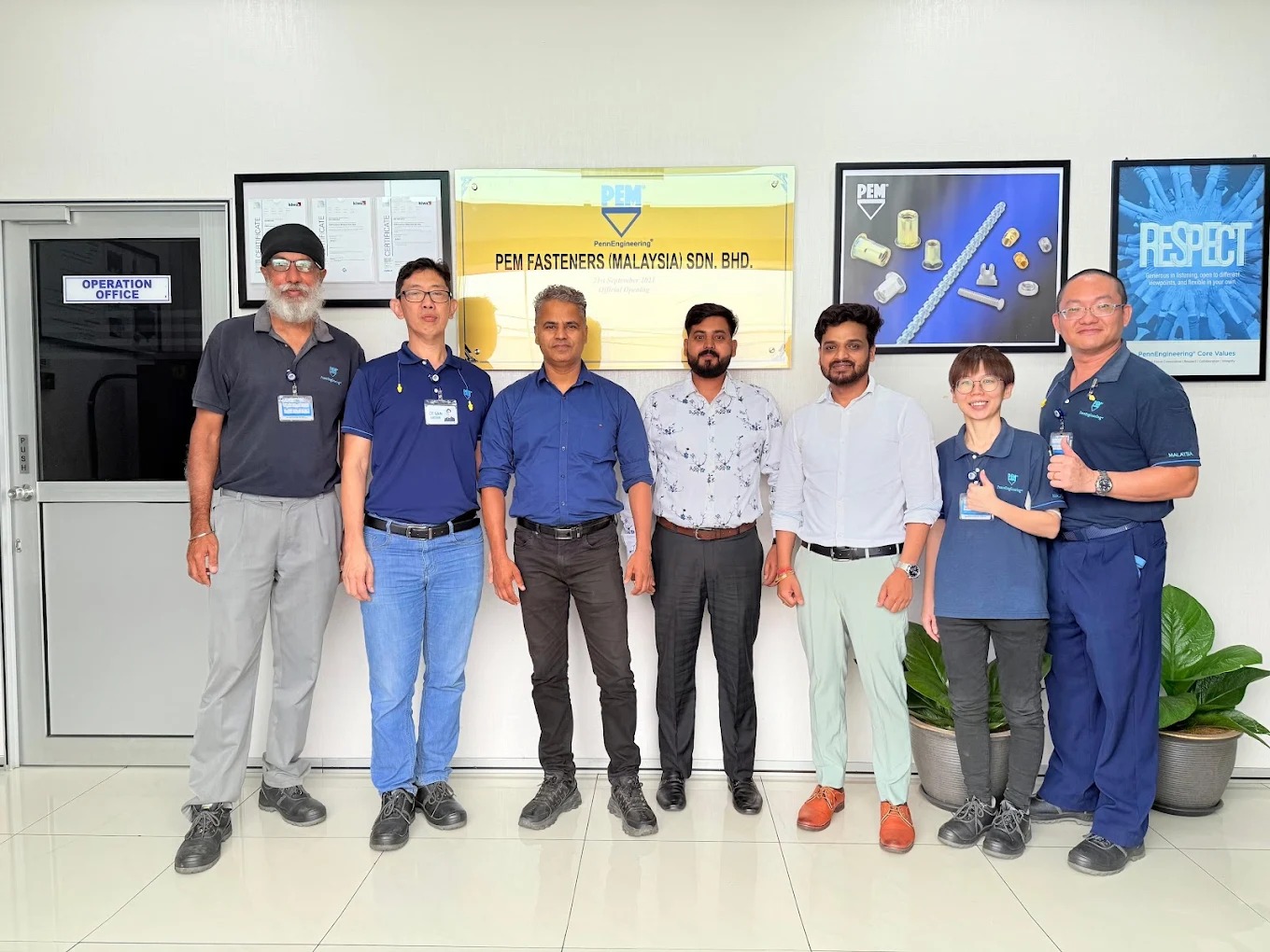
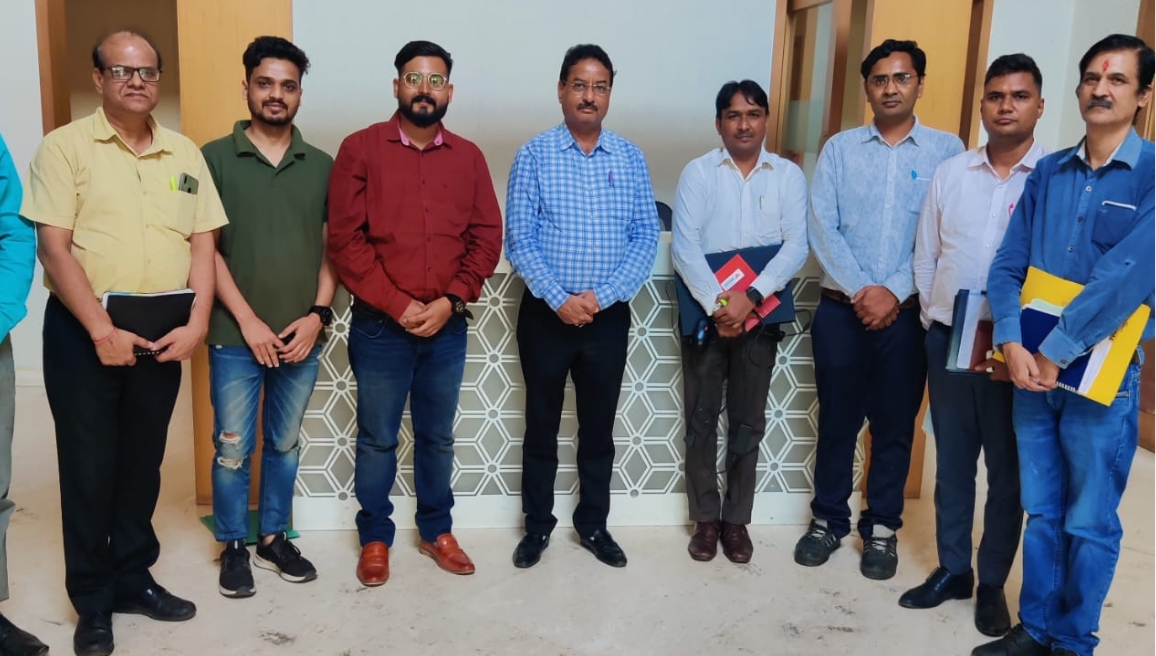
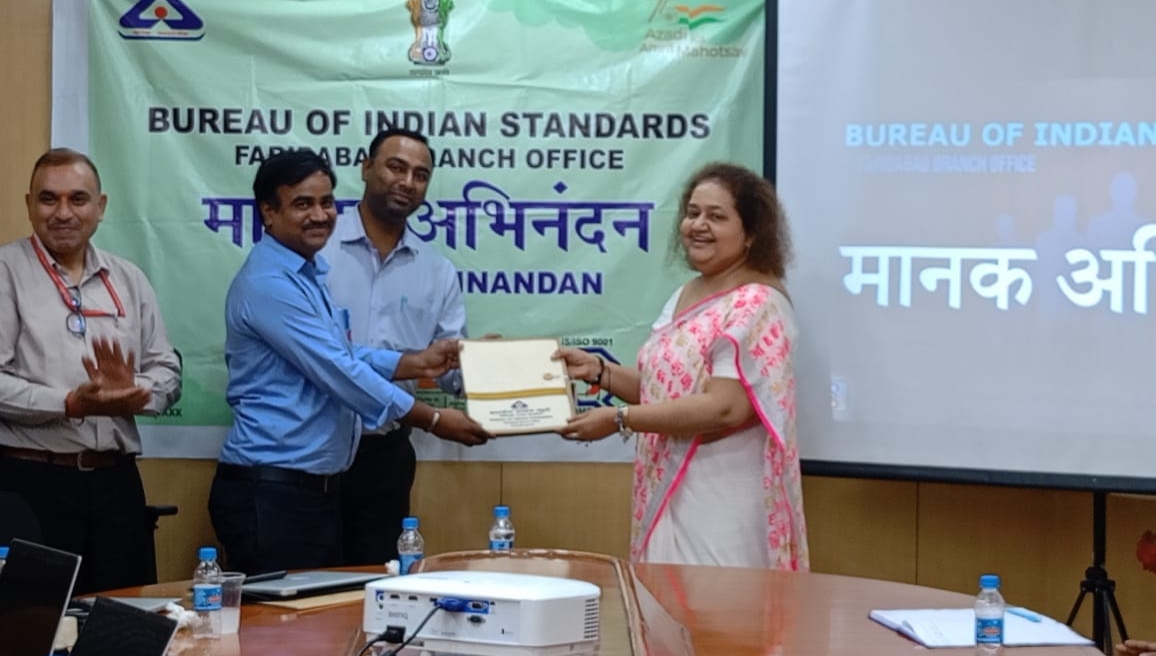
Real sites, real certifications
Our teams work inside factories and plants across India and abroad - inspections, audits and certification milestones spanning BIS, global schemes and the full compliance stack you see on this site.




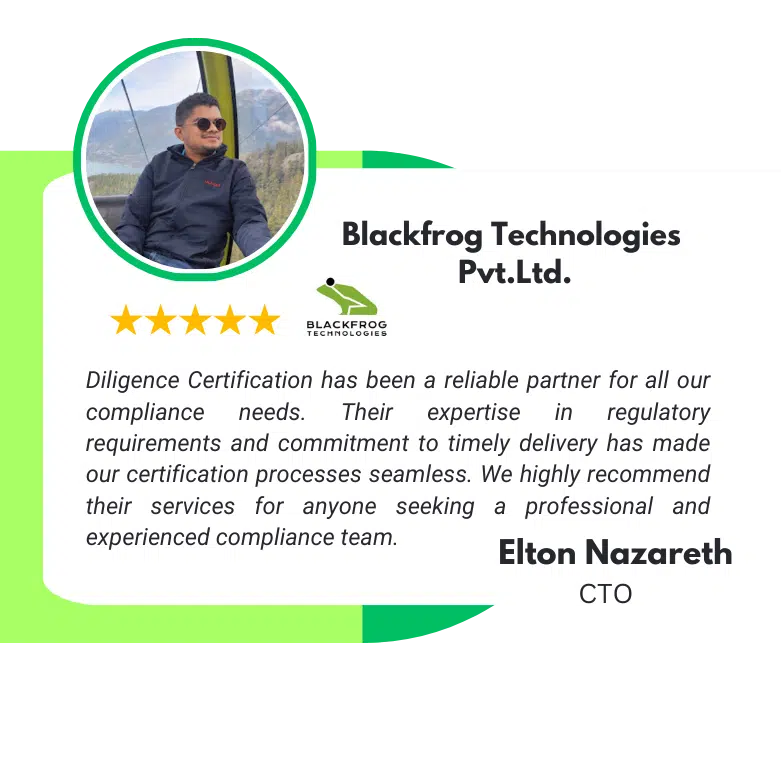
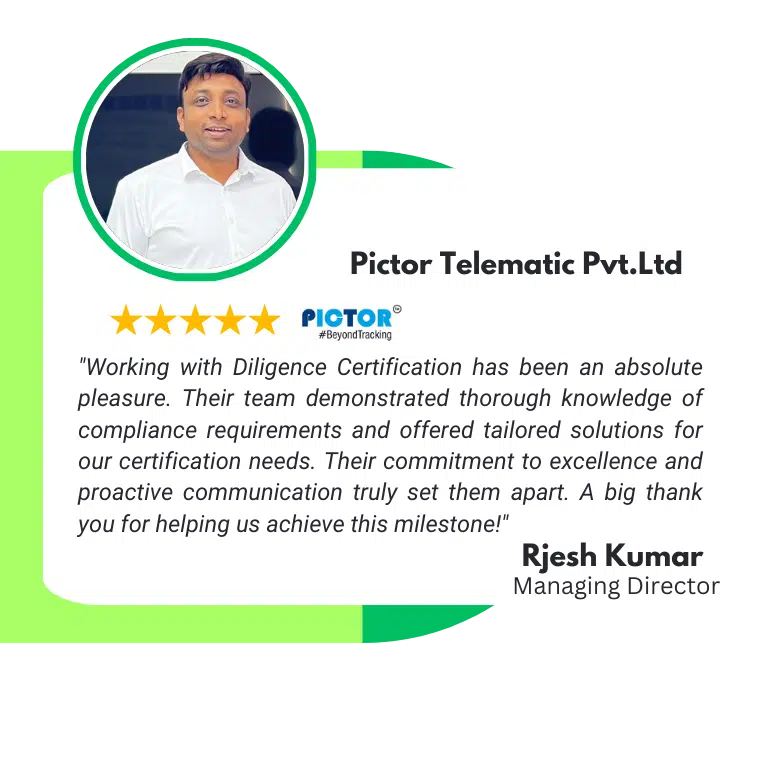
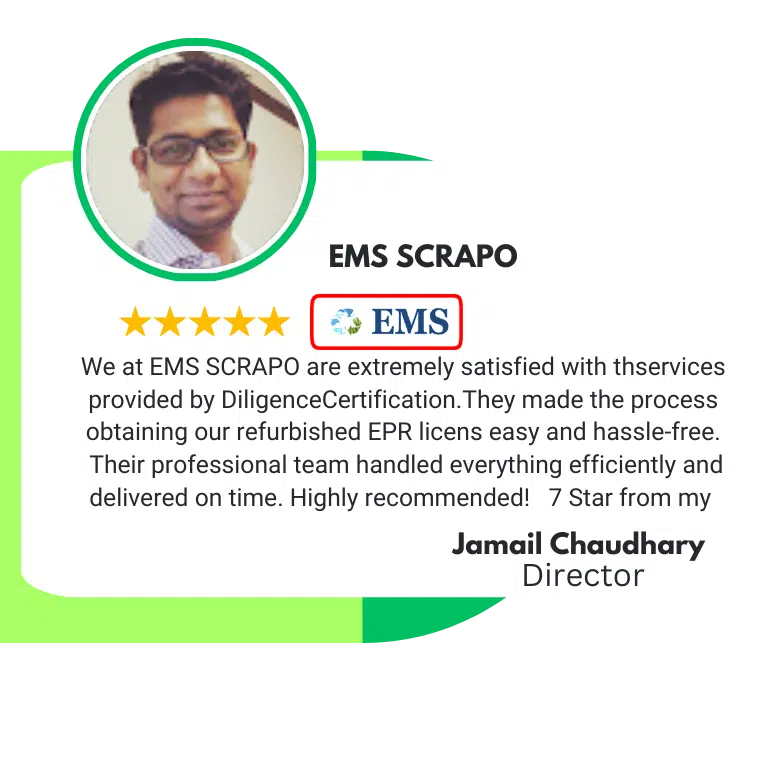
What our clients say
Reviews and feedback from businesses that have worked with Diligence Certifications.







Related Government & Special services
Ready to get NGO Registration?
Talk to our experts for a clear, fixed-scope plan - most clients get a roadmap the same day.