 BIS Certification
 CDSCO
CDSCO
 PESO
PESO
 CPCB
CPCB
 LMPC
LMPC
 WPC Approval
 Global Approvals
 TEC
TEC
 ARAI
ARAI
 BEE
BEE
 ISO Certification
 DGCA Certification
 NOC For Steel
 APEDA Registration























 Business Registration
 FSSAI Mark Certification












 (32).jpg)
 Legal Services
 Trademark Registration
 Copyright Registration
 Patent Registration
Consumer Complaint
A consumer complaint is your formal route to a refund, replacement or compensation for defective goods, deficient services or unfair...
Get expert consultation
Trusted by 25,000+ leading enterprises worldwide













Key takeaways
- A consumer complaint is a formal grievance over defective goods, deficient services, unfair trade practices, misleading advertisements or overcharging, raised under the Consumer Protection Act, 2019.
- You can escalate in stages: a written grievance to the seller, the National Consumer Helpline (1915) / INGRAM portal, and finally a formal complaint before a Consumer Commission.
- Jurisdiction follows the claim value: District Commission up to ₹50 lakh, State Commission from ₹50 lakh to ₹2 crore, and National Commission above ₹2 crore.
- A complaint must usually be filed within two years of the date the cause of action arose.
- Complaints can be filed online through the e-Daakhil portal, with virtual hearings available.
- Relief includes refund, replacement, removal of defects, compensation for loss and harassment, and an order to stop the unfair practice.
What is a consumer complaint?
A consumer complaint is a formal allegation that the goods you bought or the services you paid for fell short of what was promised, causing you loss, harassment or financial damage. It is the document and the process through which you assert your rights under the Consumer Protection Act, 2019 and seek a remedy.
A complaint can be as simple as a written grievance to the seller, or as formal as a petition filed before a Consumer Disputes Redressal Commission. The goal is the same: to hold the trader, manufacturer or service provider accountable and to recover a refund, replacement or compensation without the cost and delay of a regular civil suit.
What you can complain about
- Defective or substandard products under warranty
- Deficient services such as delayed possession or denied insurance claims
- Unfair or restrictive trade practices and hidden charges
- Misleading advertisements and false product claims
- Overcharging above the marked retail price
- Unsafe or hazardous goods that cause injury or damage
Are you a consumer in law?
Only a person who qualifies as a “consumer” under the Consumer Protection Act, 2019 can file a complaint. The Act protects buyers for personal use, not those buying for resale or commercial profit.
| You can complain if | Example |
|---|---|
| You bought goods for personal use | A laptop or refrigerator for your home |
| You paid for a service | A holiday package, repair work or a subscription |
| You are a beneficiary | You use a product purchased by a family member |
| You bought online | A purchase via an e-commerce website or app |
| Who may file | Details |
|---|---|
| The consumer | The individual who suffered the loss or damage |
| A legal heir or representative | Where the consumer has died |
| A recognised consumer association | On behalf of one or more consumers |
| Central or State authority | Including the Central Consumer Protection Authority |
Channels to raise your complaint
Seller grievance
Start with a written complaint or email to the seller or service provider’s grievance cell, keeping proof of the request and any response.
National Consumer Helpline
Lodge a grievance on the NCH (1915) and the INGRAM portal for an early, mediated resolution before formal litigation.
Legal notice
A formal legal notice puts the opposite party on record and often prompts a settlement before a complaint is filed.
e-Daakhil filing
File a formal complaint online before the appropriate Consumer Commission, with documents uploaded and hearings held virtually.
Consumer Commission
File a physical complaint at the District, State or National Commission depending on the value of your claim.
Central Authority (CCPA)
Report misleading advertisements and unfair practices that affect consumers at large to the Central Consumer Protection Authority.
Where to file your complaint
The forum depends on the total value of the goods or services and the compensation you claim. Filing before the wrong Commission can lead to dismissal or transfer, so the claim must be valued correctly at the outset.
| Forum | Pecuniary jurisdiction |
|---|---|
| District Commission | Up to ₹50 lakh |
| State Commission | ₹50 lakh to ₹2 crore |
| National Commission | Above ₹2 crore |
| Appeal from | Goes to |
|---|---|
| District Commission | State Commission, within 45 days |
| State Commission | National Commission, within 30 days |
| National Commission | Supreme Court of India |
Filing a consumer complaint, step by step
We manage each stage, from valuing the claim and drafting the complaint to filing and the final order. Complaints can be filed in person or online through the e-Daakhil portal.
Preparing and filing
Assess the grievance
We confirm you qualify as a consumer, identify the cause of action and value the claim to fix the correct forum.
Send notice
Where useful, a legal notice is issued to the opposite party giving them a chance to resolve the matter.
Draft the complaint
We prepare the complaint with the facts, the relief sought, an affidavit and the supporting documents.
Pay fee and file
The prescribed court fee is paid and the complaint is filed at the right Commission or via e-Daakhil.
Hearings and order
Admission and notice
The Commission admits the complaint and issues notice to the opposite party to file its reply.
Evidence and arguments
Both sides submit affidavits, documents and arguments; mediation may be attempted where suitable.
Final order
The Commission passes its order for refund, replacement, repair or compensation.
Execution
If the order is not obeyed, an execution application is filed to enforce compliance.
Documents required
- Invoice, bill or receipt proving the purchase
- Warranty or guarantee card, where applicable
- The complaint and a supporting affidavit
- Copy of any legal notice sent and the reply received
- Emails, chats, photographs or service reports as evidence
- Proof of payment of the prescribed court fee
- Identity and address proof of the complainant
- Details and address of the opposite party
Court fee & limitation
- The court fee is modest and scales with the value of the claim; small claims attract a nominal fee.
- A complaint should be filed within two years of the date the cause of action arose.
- Delay may be condoned with a reasonable explanation, supported by a separate application.
- Continuing or recurring deficiencies can give rise to a fresh cause of action.
Related matters? See our Consumer Court, Legal Notice and RERA Complaint services.
Anatomy of a strong complaint
A well drafted complaint decides the outcome as much as the facts. These are the elements that make a complaint clear, complete and hard to dismiss.
- Full names and addresses of the complainant and the opposite party
- A clear, dated account of the facts and the cause of action
- The specific defect, deficiency or unfair practice complained of
- The precise relief sought, such as refund, replacement or compensation
- The value of the claim, used to fix the correct forum
- A list of documents and evidence relied upon, with an affidavit
What a complaint can win you
If the complaint succeeds, the Commission can grant a range of remedies. The relief is tailored to the loss suffered, and can include compensation for both financial loss and the harassment caused.
- Refund of the price paid, often with interest
- Replacement of the defective goods with a sound product
- Removal of the defect or deficiency at the seller’s cost
- Compensation for loss, injury or damage suffered
- Compensation for mental agony and harassment
- An order to discontinue the unfair or restrictive practice
- Recovery of litigation costs and, in serious cases, punitive damages
A partner who pursues it end to end
- Honest assessment of whether your grievance is worth pursuing and where to file
- Sharp, well evidenced drafting that anticipates the opposite party’s defence
- Correct valuation and forum selection to avoid dismissal or transfer
- Online filing through e-Daakhil with documents and affidavits in order
- Representation at hearings, including virtual appearances
- Follow through to execution so a favourable order is actually enforced
Been let down by a product or service?
From the first grievance to enforcing the final order, our legal team will draft, file and pursue your consumer complaint at the right forum.
Frequently asked questions
What is a consumer complaint?
A consumer complaint is a formal grievance against a seller, manufacturer or service provider over defective goods, deficient services or unfair trade practices, filed under the Consumer Protection Act, 2019 to seek a refund, replacement or compensation.
Where do I file a consumer complaint?
Filing depends on the value of the claim: the District Commission for claims up to ₹50 lakh, the State Commission from ₹50 lakh to ₹2 crore, and the National Commission for claims above ₹2 crore. Complaints can be filed in person or online via e-Daakhil.
Can I file a consumer complaint online?
Yes. The e-Daakhil portal allows you to file your complaint, upload documents and attend virtual hearings. You can also raise an early grievance on the National Consumer Helpline (1915) and the INGRAM portal.
What is the time limit to file a complaint?
A complaint should be filed within two years from the date the cause of action arose. A delay may be condoned if you give a reasonable explanation through a separate application.
Do I need a lawyer to file a consumer complaint?
Legal representation is not mandatory, but professional drafting, correct valuation and proper evidence greatly improve your chances. We can handle the matter for you from notice to final order.
What can I recover through a consumer complaint?
You may recover a refund, a replacement, repair of the defect, compensation for loss and harassment, and litigation costs. The Commission can also order the seller to stop an unfair practice.
Why choose Diligence Certification?
For compliance and credibility, Diligence is much more than a checklist - we give you real confidence in your business. We examine your legal, financial and operational status, so you are not just certified, but trusted.
Stronger risk protection
Spot hidden legal, financial or operational risks early - fix problems before they become threats.
Earn stakeholder trust
From investors to customers, people want to work with businesses that play by the rules.
Stay legally aligned
Compliant not just on products but on labour, environmental and tax laws too.
Enhance brand reputation
Show the world you operate with integrity and transparency.
Stand out from competitors
In a crowded market, credibility is your biggest edge.
24×7 expert support
A 100+ strong service team guiding you at every step, free first consultation.
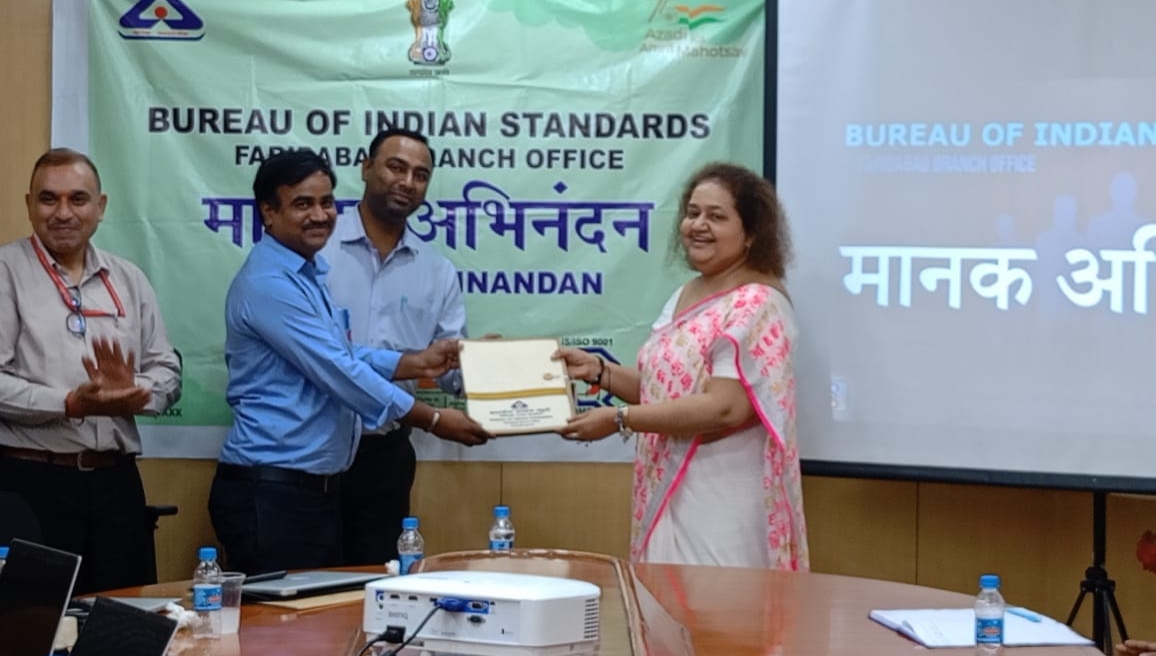
Real sites, real certifications
Our teams work inside factories and plants across India and abroad - inspections, audits and certification milestones spanning BIS, global schemes and the full compliance stack you see on this site.






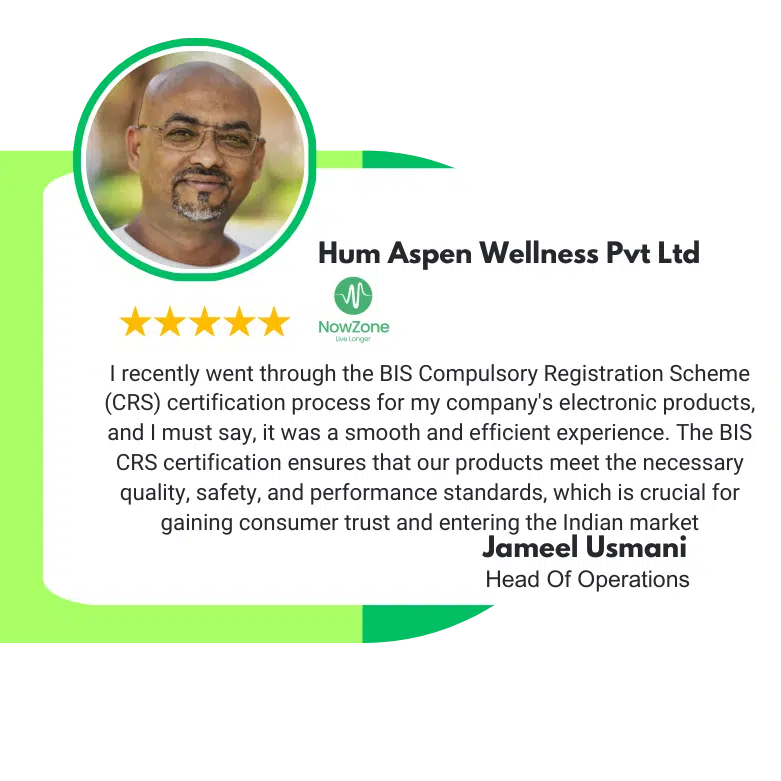
What our clients say
Reviews and feedback from businesses that have worked with Diligence Certifications.









Related Litigation & Courts services
RERA Complaint
Resolve builder disputes via RERA Complaint filing.
View details →Public Interest Litigation
PIL filing - meaning, process & complete guide.
View details →Caveat Petition
File Caveat Petition under CPC to avoid ex-parte orders.
View details →Consumer Court
File consumer complaints - process & guidance.
View details →Special Leave Petition
File SLP under Article 136 of the Constitution.
View details →Bail Application
File bail application - step-by-step guidance.
View details →Ready to get Consumer Complaint?
Talk to our experts for a clear, fixed-scope plan - most clients get a roadmap the same day.