



 BIS Certification
 CDSCO
CDSCO
 CPCB
CPCB
 LMPC
LMPC
 WPC Approval
 Global Approvals
 TEC
TEC
 ARAI
ARAI
 BEE
BEE
 ISO Certification
 DGCA Certification
 NOC For Steel
 APEDA Registration









 Business Registration
 FSSAI Mark Certification
 Legal Services
 Trademark Registration
 Copyright Registration
 Patent Registration
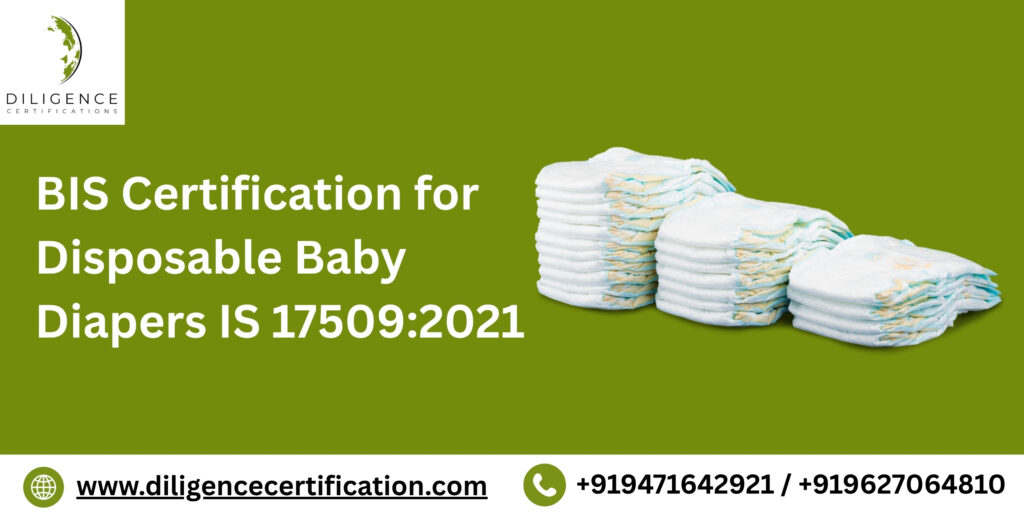
- BIS Certification for Baby Diapers and other BIS License for Medical Textiles products ensures ISI-mark compliance under IS 17509:2021, reaffirming product safety, hygiene, and trust.
- Manufacturers and importers must follow a well-defined BIS registration process to legally market these products.
- Expert BIS certification consultants streamline documentation, testing, audits, and licensing for a smoother approval journey.
Introduction

A young couple from Bangalore recently returned a popular diaper brand after noticing skin rashes on their newborn. On closer inspection, the packaging lacked the ISI mark. Their next purchase? A BIS-certified brand that explicitly mentioned IS 17509:2021 compliance. No rashes. No worries.
This situation highlights the critical need for BIS Certification for Disposable Baby Diapers, especially in a market as sensitive as baby care. From consumer safety to regulatory compliance, BIS certification is no longer optional—it’s essential.
What Is BIS and Why It’s Crucial BIS Certification for Medical Textiles Products?
Understanding BIS and ISI Mark
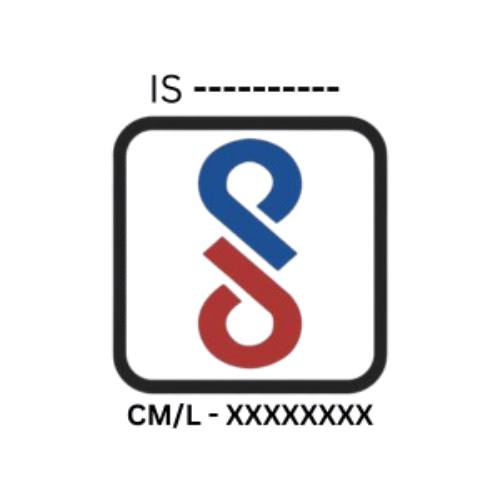
The Bureau of Indian Standards (BIS) is India’s national standard body, responsible for ensuring product safety, consistency, and consumer protection. An ISI Mark on a product signifies conformity with the relevant Indian Standard (IS). It’s legally required for a growing number of products, including medical textiles like disposable baby diapers.
Medical Textiles Under Quality Control
The Indian government has included various medical textiles products Certification under the Compulsory Certification Scheme. This ensures hygiene and performance for products used in hospitals, personal care, and surgical environments. Disposable baby diapers now fall under this mandatory regime, regulated by IS 17509:2021.
Is BIS Certification Mandatory for All Diaper Brands?
Yes. As per the Quality Control Order (QCO) issued by DPIIT, disposable baby diapers fall under Compulsory Certification Scheme.
All domestic manufacturers and foreign importers must obtain BIS Licence before distributing or selling these products in India. No ISI Mark = No sale.
Applicability Based on Manufacturer Type
| Manufacturer Type | BIS Certification Required? | Additional Notes |
|---|---|---|
| Indian Domestic Manufacturer | Yes | Must maintain in-house lab/testing or tie-up |
| Foreign Manufacturer | Yes (FMCS Route) | Requires India agent and factory audit |
| MSME | Yes | Relaxation in factory inspection sometimes |
| Online Sellers / Aggregators | No (but source must comply) | Sourcing from BIS-certified units is mandatory |
What is IS 17509: 2021?
IS 17509:2021 is the Indian Standard established by the Bureau of Indian Standards (BIS) for the Specifications and Testing of Disposable Baby Diapers. This standard provides comprehensive guidelines to help manufacturers ensure their products meet quality, safety, and performance requirements. It aims to ensure that disposable baby diapers are effective, safe, and comfortable for infants and toddlers.
The standard includes detailed specifications regarding:
- Materials: Specifies the type and quality of materials to be used, including non-toxic, hypoallergenic, and skin-friendly components to prevent irritation or rashes.
- Design: Covers aspects such as shape, fit, and structural features like leak guards and fastening mechanisms to ensure a secure and comfortable experience for babies.
- Performance Characteristics: Defines key performance attributes, including:
- Absorbency Rates: Minimum standards for liquid retention and distribution to prevent leakage.
- Breathability: Ensuring air circulation to reduce the risk of skin issues.
- Elasticity and Flexibility: To allow freedom of movement while maintaining a snug fit.
- Safety: Ensures that all materials used in manufacturing are free from harmful chemicals, heavy metals, or allergens that could pose risks to babies’ health.
- Testing Protocols: Specifies the tests required to verify compliance with absorbency, safety, and durability standards.
By adhering to IS 17509:2021, manufacturers can ensure their diapers are not only functional and effective but also prioritize the health and comfort of babies. This standard promotes trust among consumers and fosters a higher level of product accountability within the industry.
IS 17509:2021 — The Standard Behind Certified Baby Diapers
Key Provisions of IS 17509:2021
IS 17509:2021 outlines stringent requirements for materials, manufacturing, hygiene, and packaging of baby diapers. Here’s what it includes:
1. Absorbency & Leakage Control
The diaper must meet specific minimum levels for:
- Total Absorption Capacity
- Rewet Values
- Retention Rate
These tests ensure babies remain dry and protected, even during extended use.
2. Material Safety
Materials must be:
- Skin-friendly
- Free from harmful chemicals
- Compliant with pH range and dermatological standards
3. Hygiene Standards
The diapers must pass:
- Bacterial & fungal contamination tests
- Pathogen-specific assessments (e.g., E. coli, S. aureus)
Packaging must prevent contamination during storage or transit.
4. Fit & Finish
The product should be well-sized, elasticated, securely fastened, and free from sharp edges or loose fibres.
Why BIS Certification Is Non-Negotiable for Diaper Brands
Consumer Confidence
In a competitive baby-care market, BIS Certification is a stamp of trust. Parents are becoming increasingly conscious of product safety—and rightly so.
Regulatory Requirement
Since its inclusion under the Quality Control Order (QCO), selling or importing non-certified disposable diapers is illegal in India. Violations may attract heavy fines or product seizure.
Market Access & Distribution
Certified products get preference in:
- Retail partnerships
- Government tenders
Hospital supply chains
It opens doors that uncertified products simply can’t access.
Key Points of IS 17509: 2021
This standard covers the below:
- Material Composition: These specifications refer to the rules of raw materials in producing disposable Baby diapers so that these would be compatible and safe on a baby’s skin while disallowing the use of harmful chemicals and other harmful allergens. Further, some suggested materials are hypoallergenic ones.
- Performance Tests: The standards for absorbency, leakage control, and strength relate to diapers. Such Baby diapers must be put through a series of rigorous test regimes designed to simulate reasonable conditions, such as extended wearing or heavy wetting, to ascertain how well the product stands up to performance.
- Labeling Requirements: Clear information regarding usage, safety warnings, and material composition should be availed to the consumer. This makes it easier for parents to make enlightened choices over the products that they would be using.
- Standards for biodegradability: Encourage manufacturers to add biodegradable components to their products to reduce landfill waste with an environmental sustainability goal.
BIS Certification Process for Disposable Baby Diapers
Step-by-Step Certification Procedure
Step 1 – Documentation
Prepare essential documents:
- Factory license
- Quality control procedures
- Raw material data sheets
- Lab test reports
- List of manufacturing machinery
Step 2 – Application Submission
Apply online with:
- Product details
- Applicable Indian Standard (IS 17509:2021)
- Manufacturing and testing details
Step 3 – Product Testing
Diaper samples are tested in a BIS-recognized lab for:
- Absorbency
- Biocompatibility
- Microbial limits
Test reports must confirm conformance to IS 17509:2021.
Step 4 – Factory Inspection
A BIS officer inspects:
- Production process
- Quality controls
- Hygiene protocols
- In-house test facilities (if available)
Step 5 – Grant of BIS Licence
On successful review, BIS issues the license. Manufacturers can then affix the ISI mark on their diaper packaging.
Step 6 – Post-Certification Surveillance
Periodic audits and sample testing ensure continued compliance.

Other Medical Textiles Products Requiring BIS Certification
| Product | Standard | Description |
| Sanitary Napkins | IS 5405:2019 | Feminine hygiene |
| Surgical Face Masks | IS 16289:2014 | PPE and healthcare |
| Surgical Shoe Covers | IS 17354:2020 | Sterile surgical environments |
| Elastic Adhesive Bandages | IS 16669:2017 | First-aid and medical use |
| Disposable Underpads | IS 17514:2021 | Elderly/incontinent care |
Documents Required for BIS Certification
General Checklist
- Factory registration certificate
- Production flow chart
- List of test equipment
- Raw material quality proofs
- Authorized signatory ID
- Previous third-party lab reports
- Sample product packaging design with ISI mark placement
Cost, Validity & Renewal
Fees (Indicative)
- Application Fees: Depending on products specification
- Testing Charges: Depends on product scope
- Consultant Fee: Varies by service provider
License Validity & Renewal
- Initial Validity: 1 year
- Renewal Period: Upto 5 years with satisfactory compliance
- Surveillance Audits: At regular intervals post-approval
Why Choose a BIS Certification Consultant?
The Need for Expert Guidance
The certification journey can get technical and time-sensitive. A professional BIS Consultant can:
- Minimize testing errors and audit failures
- Structure documentation as per latest BIS protocols
- Assist in liaison with labs, auditors, and portal submissions
- Reduce certification turnaround by 30–50%
Benefits of Hiring a BIS Certification Consultant
Expert Navigation
Certification involves navigating:
- Documentation bottlenecks
- Testing logistics
- Compliance updates
A BIS Certificate Consultant streamlines these with ease.
Time and Cost Efficiency
Avoid costly rejections and delays. Consultants help:
- Select the correct Indian Standard
- Liaise with labs and BIS auditors
- Ensure flawless documentation and readiness
A mid-scale diaper manufacturer in Noida reduced their approval time by 40% after onboarding a certification consultant. Their in-house team lacked the expertise to manage testing errors and audit preparations—consultants bridged that gap.
Conclusion
The BIS Certification for Disposable Baby Diapers is far more than a legal requirement. It’s a strategic investment into brand trust, consumer loyalty, and quality assurance. Whether you’re a new entrant or an established diaper brand, navigating the BIS registration process with a capable consultant can make all the difference. Choose wisely, act promptly, and let your product speak for itself—with an ISI mark for medical textiles products that tells every parent: “This brand puts your baby’s safety first.”
Why Choose Diligence Certifications for BIS Certification of Disposable Baby Diapers?
For BIS Certification of Disposable Baby Diapers, the process is complicated and involves IS standards, product testing, documentation, and BIS inspection. One mistake may delay approval or cause the application to be rejected. This is where Diligence Certifications is different.
Why work with us:
- Expertise in Baby Product Standards – We specialize in BIS certification for child and hygiene products, including disposable baby diapers.
- End to End – We will manage the full certification process from supporting the application filing to finally getting the approval.
- Assistance in IS Standards – We will make sure your diapers comply with the latest applicable Indian Standards (IS) for safety and quality.
- Testing help – We will work with NABL accredited labs to get your products tested efficiently and effectively.
- Faster Certification – Our process to certification minimizes delays and allows you to take advantage of BIS approval sooner than you thought.
- Global Help – We assist both Indian manufacturers and overseas brands to enter the Indian market.
- Post Certification Support – Beyond certification, we help you with renewals, auditing, and compliance.
With Diligence Certifications you will ensure hassle-free, transparent, and efficient BIS Certification for your disposable baby diapers, which builds credibility and confidence in your brand in the Indian market.
Frequently Asked Questions
Is BIS Certification a requirement for disposable baby diapers in India?
Yes, BIS Certification under IS 17509:2021 is a requirement to sell, import or distribute disposable baby diapers in India.
Are imported diapers able to sell without BIS Certification?
No. Imported diapers must also have BIS Certification before selling them in India. The law applies to everyone.
What if I made my diapers with biodegradable materials?
You may apply for a license with claims such as biodegradability, but you will need to provide test reports from a BIS-recognized lab to substantiate your claims.
Is in-house laboratory testing necessary for certification?
No. Manufacturers may use BIS-recognized third-party labs for required testing. In-house laboratory testing is not required, but it may speed up the warranty period to get compliant faster.
How long does the BIS certification process take?
It usually takes 30–45 days for Indian manufacturers. While it can take 3-6 months for overseas manufacturers who require inspections and sample approvals.
Do MSMEs get any relaxation in BIS certification?
Some relaxations in documentation and lab testing options may apply, especially if they are part of government support schemes.
What happens if a certified diaper fails quality tests during surveillance?
The license can be suspended or canceled, and the company may face penalties, including public listing on non-conformance.
How often is the factory audited after certification?
Factory audits are usually conducted annually, but may also occur randomly or based on consumer complaints.
Who enforces the BIS Certification rule?
The BIS officers and teams of Ministry of Consumer Affairs have enforcement responsibility under the BIS Act of 2016.
Will BIS Certification help me win hospital or government contracts?
Yes, absolutely. The government tenders or healthcare institutions look for certified products to ensure safety and accountability.