


 BIS Certification
 CDSCO
CDSCO
 CPCB
CPCB
 LMPC
LMPC
 WPC Approval
 Global Approvals
 TEC
TEC
 ARAI
ARAI
 BEE
BEE
 ISO Certification
 DGCA Certification
 NOC For Steel













 Business Registration













 Legal Services
 Trademark Registration
 Copyright Registration
 Patent Registration
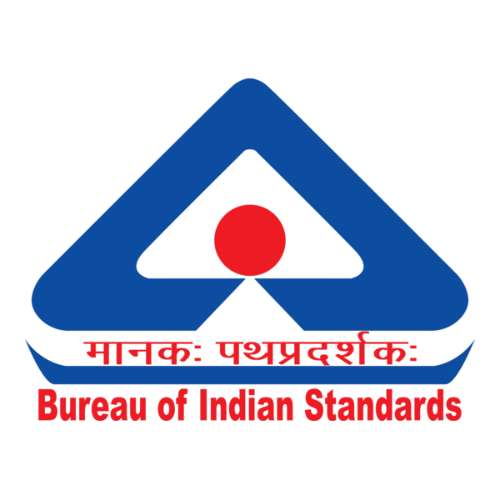
- BIS Certification is a way to guarantee product quality as well as conformity with the law in India.
- For a specific set of products, it is compulsory for both manufacturers and importers.
- Such a certification process includes filing an application, product testing, and inspection.
- BIS Certification is instrumental in facilitating consumer loyalty and increasing a brand’s trustworthiness in the market.
- One has to renew the certificate and be regularly checked for compliance if he wants to keep the certification valid.
Introduction
In India, maintaining product quality and following regulations is the need of the hour for businesses planning to produce or bring in goods from other countries. BIS Certification: A Complete Guide for Manufacturers and Importers is a way to know the standards set by the Bureau of Indian Standards (BIS). Obtaining this certification is a way to ensure that your products are safe and of good quality, as well as it strengthens the trust of the consumers and keeps legal problems at bay. This guide is a comprehensive resource for manufacturers
and importers to understand the BIS Certification, including the different types of certification, the procedure, the advantages, and the requirements for compliance.
What is BIS Certification?
BIS Certification serves as a quality and safety indicator, which is awarded by the Bureau of Indian Standards (BIS) – the national agency that determines product standards in India. The certification acts as a first step to check that products meet the safety, performance, and quality requirements laid down in the standards before they are made available to the Indian consumers.
BIS Certification covers a wide range of products, for instance, electrical appliances, consumer electronics, packaged food, and construction materials. There are situations where the certification is mandatory and some where it is voluntary.

There are different types of BIS Certification:
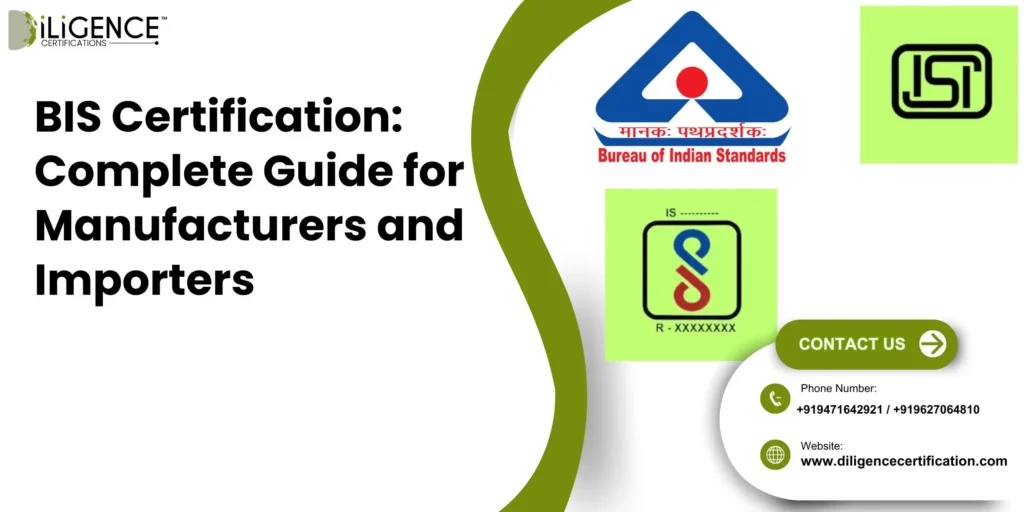
- ISI Mark Certification: For domestic products meeting Indian standards.
- Compulsory Registration Scheme (CRS): For electronic and IT products.
- Hallmarking: For gold and silver products.
- Foreign Manufacturer Registration: For imported goods to comply with Indian standards.
Why is BIS Certification Mandatory for Manufacturers and Importers
- Legal Requirement: Certain products, like electrical appliances, electronics, and construction materials, cannot be sold in India without BIS Certification.
- Consumer Safety: The compulsory certification serves as a means to produce products that conform to safety and quality standards, therefore, the chance of accidents and product defects is low.
- Market Access: The Indian market is open to products that are certified, and thus, these products have the right to be sold there.
- Accountability: Certification is an instrument that facilitates the holding of manufacturers and importers accountable for the quality of their products.
- Prevents Substandard Products: This step helps to raise the level of product standardization in India to the point where consumers and businesses benefit equally.
Why BIS Certification is Important for Manufacturers and Importers
BIS Certification is very instrumental to the manufacturers as well as the importers in India, and it provides several benefits to these parties that are far beyond the mere compliance to the regulations:
- Legal Compliance: As an example, in India, certain products such as electrical appliances, and electronic devices have to mandatorily be certified by the BIS before they can be allowed in the market. Non-compliance with which, results in the imposition of heavy fines on the manufacturers and the importers by the authorities, product recall, or market expulsion.
- Ensures Product Quality and Safety: What BIS Certification principally does is to warrant that the units manufactured or supplied in the market are up to the established quality and safety standards. This, in turn, helps prevent the release of defective and unsafe products to the consumers.
- Builds Consumer Trust: BIS marked products are accepted by consumers all over as consumer-friendly and reliable. This further helps the manufacturer to establish trust and loyalty towards their brand.
- Market Access and Competitive Advantage: By the virtue of holding a BIS Certification, manufacturers and importers are free to sell their products to Indian consumers and thus have a competitive advantage over uncertified products.
- Supports Export Opportunities: Exporters who want to take their products to markets which recognize Indian standards will use the certification to enhance their credibility and thus ease the trade process. Importers in such markets will also feel confident in placing an order.
- Reduces Liability Risks:
When a product is certified, it will be very difficult to subject it to a legal case involving safety or quality issues hence, the business is protected from the potential lawsuits and loss of goodwill that might result.
Types of BIS Certification
BIS certification is different types based on the product. It’s also dependent on regulatory requirements. Knowing these types will help suppliers and importers to know what certification is necessary for their products.
1. ISI Mark Certification
- Purpose: To identify Indian-made products that conform to Indian standards.
- Applicability: Electrically powered appliances, cement, metal products, and any other consumer goods.
- Key Feature: The ISI mark on the product assures that the product is a safe one, demonstrates good performance and has undergone quality testing.
- Requirement: The product will be certified either mandatory or voluntary.
2. Compulsory Registration Scheme (CRS)
- Purpose: Electronic and digitally must meet standard BIS specifications before they go to the market.
- Applicability: Mobile devices, IT hardware, and electronics that are either imported or manufactured in India.
- Key Feature: If you are not CRS registered, the authorities may take legal steps against you, and your products may be seized.
3. Hallmarking Certification
- Purpose: It is primarily used for gold and silver to determine their purity levels.
- Applicability: Jewelry manufacturers, retailers, and importers.
- Key Feature: Hallmarked items display information on metal purity, assaying, and BIS certification, assuring consumers of authenticity.
4. Foreign Manufacturer Registration
- Purpose: It is a way for foreign producers to penetrate Indian markets with SD compliant Indian products.
- Applicability: Electronics and consumer goods that are exported from India and others.
- Key Feature: A foreign manufacturer, like an Indian manufacturer, will have to be tested and supply the necessary documents to be awarded the BIS certification.
Products That Require BIS Certification
BIS certification is a must for a large variety of products in India. These are especially the products that have considerable impact on consumer safety, the quality of the products, and compliance with the regulations. The main categories of products are outlined below:
1. Electrical Appliances and Equipment
- Includes switches, cables, electric fans, transformers, and household appliances.
- BIS certification ensures that the appliances are electrically safe, that the risk of fire is lessened, and that the products are reliable.
2. Electronics and IT Goods
- Examples are mobile phones, laptops, tablets, and other IT hardware.
- They must be registered under the Compulsory Registration Scheme (CRS), which is a pre-requisite for the issue of the performance and safety standards certificate.
3. Construction Materials
- Includes cement, steel, pipes, and other building materials.
- BIS Certification ensures the structural safety as well as conformity to Indian standards of construction quality.
4. Food and Beverages (Optional in Some Cases)
- Certification by the Bureau of Indian Standards may be necessary for packaged drinking water, packaged food, and selected processed products to ensure quality and safety.
5. Medical Devices
- The list covers surgical instruments, diagnostic equipment, and healthcare products of any kind.
- Certification is a way of guaranteeing safety and providing assurance that the device is reliable when used on patients.
6. Precious Metals and Jewelry
- Gold and silver products are required to go through Hallmarking Certification.
- It is a guarantee to the consumer of the purity of the metal as well as the authenticity of the product.
7. Other Regulated Products
- Depending on the specific regulations, toys, pressure cookers, LPG cylinders, and several other products may also need BIS certification.
BIS Certification Process

The acquisition of BIS Certification is a gradual procedure to verify the product’s compliance with Indian standards. The detailed steps are outlined to producers and importers as follows:
1. Application Submission
- Submit the application online through the BIS portal or offline at a BIS office.
- Choose the type of certification relevant to your product (ISI, CRS, Hallmarking, or Foreign Manufacturer Registration).
2. Document Verification
- Provide necessary documents such as:
- Registration certificate of the company
- Product specifications and technical details
- Testing report (if available)
- Factory layout and production details
- BIS reviews these documents for completeness and compliance.
3. Product Testing
- Product samples are taken to laboratories that are approved by BIS for testing.
- The testing is performed to ascertain that the product is safe and conforms to the required standards in terms of performance and quality.
4. Factory Inspection (if applicable)
- BIS may send an inspector to the production unit of the product to be evaluated.
- The aim of the inspection is to verify the manufacturing processes, quality control measures, and record-keeping.
5. Grant of Certification
- If the product tests and the inspection go well, BIS issues the certification.
- The certificate is a permit that allows the producer or importer to place the product on the market in India.
- The certified products are allowed to use the respective BIS mark (ISI, CRS, or Hallmark).
6. Validity and Renewal
- BIS Certification typically has a validity period of 1–5 years depending on the product and certification type.
- Renewal requires re-testing, documentation updates, and, in some cases, factory re-inspection.
Renewal and Compliance
- The validity period of a BIS Certification varies from 1 to 5 years according to the product.
- Renewal of the certificate is necessary if one wishes to continue beyond the expiration date.
- It is necessary to submit the latest documents along with the production and quality records.
- Also, BIS may decide to carry out a re-test or inspect the factory at the time of renewal.
- Continuous compliance allows products to be officially certified and in line with BIS standards.
Benefits of BIS Certification for Manufacturers and Importers
| Benefit | Description |
| Legal Compliance | Meets mandatory Indian regulations for products. |
| Product Safety | Ensures quality and reduces risk of defects or hazards. |
| Consumer Trust | Build credibility and confidence in your brand. |
| Market Access | Allows legal sale of products across India. |
| Competitive Advantage | Differentiates certified products from uncertified ones. |
| Export Support | Enhances credibility for international trade. |
Why Choose Diligence Certifications
- Expert Guidance: The skilled team committed to make the BIS Certification process effortless for you.
- Complete Support: You will be helped through the entire process of your application, renewal, and compliance.
- On-Time Processing: Quick handling of cases to keep the waiting time short and get approvals at a great speed.
- Correct Paperwork: Diligence makes sure that all the documents are up to the mark with BIS to avert the rejection of the file.
- A Partner You Can Trust: A dependable service provider to manufacturers and importers all over India.
Conclusion
BIS, product safety, and winning consumer trust in the Indian market. Knowing the different kinds, the workflow, and the advantages of certification would assist firms to stay away from any trouble with the authorities and to get an edge over their competitors. By relying on the proficient support provided by Diligence Certifications, you can navigate the entire BIS Certification journey without a hitch, whether it’s a first-time application or a renewal, ensuring that your products meet all standards and are ready to be sold.
Frequently Ask Questions
What is BIS Certification?
BIS certification is basically the concept of one of the major Indian Bureaus of Standards, which awards to products that meet certain quality and safety criteria and are being sold in the Indian market.
Who needs BIS Certification?
If you are a manufacturer or importer of any kind of product, it is imperative that you obtain this certification. The certified may cover areas such as electronics, electrical, construction materials, and precious metals.
Is BIS Certification mandatory for all products?
No, not at all. Most of the products only have the option to get the certification on a voluntary basis; only a few products are required to have that certification.
What are the types of BIS Certification?
Four different types of BIS Certification include CR Number, ISI Mark, Hallmarking, and Foreign Manufacturer Registration.
How do I get BIS Certification?
The procedure of BIS certification starts with the application, after which there is document verification, product testing, factory inspection (if conducted), certification, and renewal stages.
How long is BIS Certification valid?
Depending on the product, the duration varies from 1 to 5 years. You need to renew your certificate to keep it valid.
Why is BIS Certification important?
Besides being the primary factor that makes the product safe, the importance of BIS also lies in the aspects of legal compliance, consumer trust, market access, and export credibility.
Which products need BIS Certification?
Some of the products that require BIS certification are electrical devices, electronics, construction materials, medical equipment, gold/silver, and a few other regulated products.
Can foreign manufacturers get BIS Certification?
Yes, foreign manufacturers can obtain BIS certification if they register their manufacturing unit under the Foreign Manufacturer Registration program and their product standards align with Indian standards.
How can Diligence Certifications help?
Essentially, with professionals who will give you the proper direction, handle the paperwork, application, renewal, and compliance facilitation, you can achieve it in a really convenient and quick manner.