

 BIS Certification
 CDSCO
CDSCO
 CPCB
CPCB
 LMPC
LMPC
 WPC Approval
 Global Approvals
 TEC
TEC
 ARAI
ARAI
 BEE
BEE
 ISO Certification
 DGCA Certification
 NOC For Steel











 Business Registration



 Legal Services
 Trademark Registration
 Copyright Registration
 Patent Registration
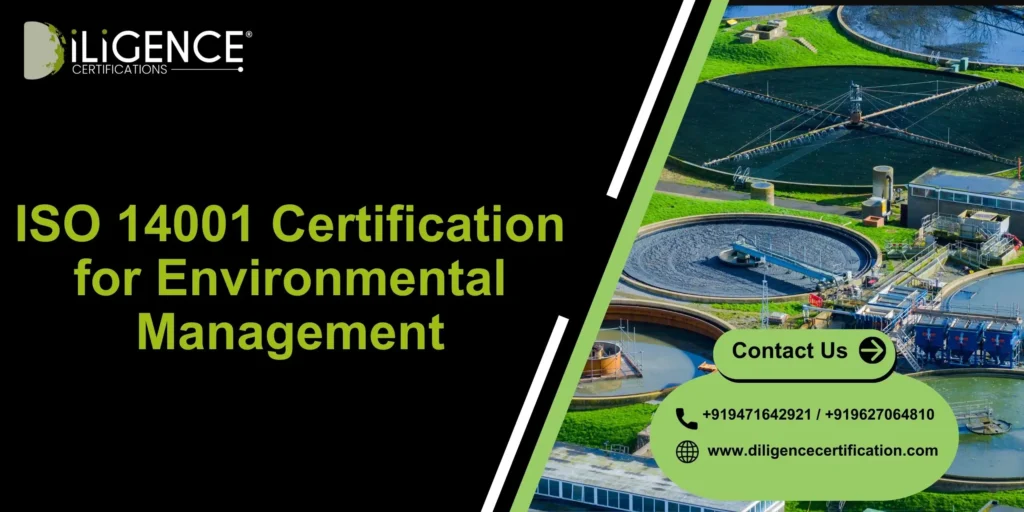
- Improves Environmental Performance – Helps in the reduction of pollution, wastes, etc.
- Ensures Legal Compliance – Helps in the compliance of environmental legislation.
- Efficient Resource Management – Helps in the efficient use of energy, water, etc.
- Enhances Brand Reputation – Helps in the improvement of the reputation of the company.
- Supports Continuous Improvement – Helps in the improvement of environmental practices.
Introduction
ISO 14001 Certification is an international standard for Environmental Management Systems. This is important since it assists organizations in controlling and reducing their impacts on the environment, as well as improving their operational efficiencies. ISO 14001 is important since it provides organizations with a guideline for managing their environmental issues, ensuring they comply with environmental regulations, and adopting environmentally friendly business processes. By adopting ISO 14001, organizations demonstrate their commitment to protecting the environment, conserving resources, and improving the quality of their activities.
What is ISO Certification?
ISO Certification is a certification given to a company that proves it is following international standards set by the International Organization for Standardization, also known as ISO. It is a certification that proves the organization is meeting international quality, safety, and efficiency standards.ISO certification is important to a company as it will help them in improving their management systems, and it will also help them in gaining customer trust. ISO certification is used in different sectors, including quality management, environmental management, information security, and occupational health and safety. A company gets certified after going through a certification audit.
Points:
- International Standard – ISO Certification is a guarantee that the company adheres to universal standards.
- Quality Assurance – Ensures that the quality of products and services is consistently met.
- Improved Processes – Assists organizations in improving their processes and systems.
- Customer Trust – Establishes credibility and trust with customers and stakeholders.
- Third-Party Verification – An audit is performed by a third-party certification body to award the certification.
Types of ISO Certifications
- ISO 9001 – Quality Management System (QMS)
Focuses on improving the quality of products/services and customer satisfaction.
- ISO 14001 – Environmental Management System (EMS)
Helps in managing the environmental responsibility of the organization.
- ISO 45001 – Occupational Health & Safety (OH&S)
Ensures the safety of the employees in the organization.
- ISO 27001 – Information Security Management System (ISMS)
Ensures the security of the data in the organization.
- ISO 22000 – Food Safety Management System (FSMS)
Ensures the safety of the food products in the supply chain.
- ISO 13485 – Medical Devices Quality Management
Establishes the quality standards for the manufacturing of medical devices.
- ISO 50001 – Energy Management System (EnMS)
Helps the organization in improving the efficiency of the energy used in the organization.
Why is ISO Certification mandatory
Although ISO Certification is not always necessary from a legal standpoint, in many cases, it is necessary for businesses that wish to participate in the tendering process for government contracts, trade with other nations, and/or industries that are heavily regulated. ISO Certification verifies that an organization is meeting the globally recognized standards for quality, safety, and environmental protection. ISO Certification is beneficial for businesses in terms of improving their efficiency.
Points:
- Required for Government Tenders – Many government tenders require ISO certification to ensure quality and compliance.
- Ensures Regulatory Compliance – This ensures that organizations comply with national and international regulations
- Improves Business Credibility – This improves business credibility by showing professionalism and reliability to customers.
- Supports International Trade – Many international clients require suppliers who are ISO certified.
- Enhances Operational Efficiency – This improves business efficiency.
Importance and Benefits of ISO Certification
| Importance | Benefits |
| Environmental Protection – Assists organizations in reducing pollution and protecting the environment. | Reduced Environmental Impact – This minimizes waste, emissions, and the use of resources. |
| Regulatory Compliance – Ensures businesses comply with environmental laws and regulations. | Cost Savings – This reduces costs due to efficient use of resources and energy. |
| Sustainable Business Practices –Promotes environmentally friendly and responsible business practices. | Better Market Opportunities – This enhances the credibility and competitiveness of the organization. |
| Risk Management – Helps manage environmental risks associated with business activities. | Customer and Stakeholder Trust – This helps in building customer and stakeholder trust on the organization’s commitment to the environment. |
| Improved Corporate Image – Demonstrates commitment to corporate responsibility for the environment. | Continuous Improvement – This helps in continuous improvement of the organization’s environmental performance. |
ISO Certification Process (Step-by-Step)
- Select the Relevant ISO Standard
Identify the appropriate standard (e.g., ISO 9001, ISO 14001, ISO 27001) based on your business activities and objectives. All standards are developed by the International Organization for Standardization. - Gap Analysis
Conduct a gap analysis to compare your current processes with ISO standard requirements and identify areas for improvement. - Documentation & Implementation
Prepare required policies, procedures, manuals, and records. Implement the management system across the organization. - Employee Training & Awareness
Train employees to ensure they understand ISO requirements and follow standardized processes. - Internal Audit
Perform an internal audit to evaluate compliance and identify non-conformities before the external audit. - Management Review
Top management reviews audit findings, system performance, and improvement actions. - Certification Audit (Stage 1 & Stage 2)
An accredited certification body conducts:- Stage 1 Audit: Documentation review
- Stage 2 Audit: On-site verification of implementation
- Stage 1 Audit: Documentation review
- Issuance of ISO Certificate
If the organization meets all requirements, the certification body issues the ISO Certificate (generally valid for 3 years). - Surveillance Audits
Periodic audits (usually annually) ensure continued compliance and system effectiveness.
Documents Required for ISO Certification
| Category | Documents Required |
| Company Registration Certificate | Legal proof of business existence |
| Quality Policy & Objectives | Shows commitment to quality and improvement |
| ISO Manual / Management System Manual | Defines structure of the management system |
| Internal Audit Report | Confirms compliance before certification audit |
| Corrective & Preventive Action (CAPA) Records | Tracks non-conformities and improvements |
Timelines, Costs, Validity & Renewal
- Timelines : Certification process usually takes 1–6 months depending on business size.
- Costs:Cost depends on ISO standard type (ISO 9001, ISO 14001, ISO 27001, etc.)
- Validity : ISO Certificate is generally valid for 3 years.
- Renewal : Renewal required after 3 years through re-certification audit.
Why Choose Diligence Certifications
Diligence Certifications is an established certification consultancy firm that enables businesses to achieve ISO and other regulatory certifications in the most efficient manner. The firm provides end-to-end support to organizations for the entire certification process. At Diligence Certifications, the team of experts ensures that the entire certification process is conducted in the most seamless and hassle-free manner for businesses from all sectors.
Conclusion
ISO 14001 certification is important for organizations as it assists them in managing their environmental responsibilities, which is key to ensuring sustainability and efficiency. By adopting ISO 14001, organizations can reduce their impact on the environment, adhere to regulations, and create a positive image in the market. ISO 14001 certification is important for any business as it indicates their commitment to protecting the environment and conducting business responsibly
Frequently Asked Questions (FAQs)
What is the definition of ISO 14001 certification?
ISO 14001 is an international standard for Environmental Management Systems (EMS).
Who needs to get the ISO 14001 certification?
Any organization that wants to manage and reduce its environmental impact.
Is the ISO 14001 certification mandatory?
It is not mandatory but is often a requirement for tenders and international businesses.
What are the main benefits of the ISO 14001 certification?
It helps organizations to enhance their environmental performance, compliance, and reputation.
How long does it take to get the ISO 14001 certification?
It takes a few weeks or months, depending on the organization.
Who offers the ISO 14001 certification?
The accredited body carries out the audit and issues the certificate.
How long is the ISO 14001 certification valid?
It is valid for 3 years with surveillance audits carried out regularly.
Can small businesses apply for the ISO 14001 certification?
Yes, small businesses can apply for the ISO 14001 certification.
What kinds of businesses use the ISO 14001?
The ISO 14001 is used in the manufacturing industry, the construction industry, the energy industry, the logistics industry, the IT industry, among others.
Does the ISO 14001 help in cutting costs?
Yes, it helps in cutting costs