



 BIS Certification
 CDSCO
CDSCO
 PESO
PESO
 CPCB
CPCB
 LMPC
LMPC
 WPC Approval
 Global Approvals
 TEC
TEC
 ARAI
ARAI
 BEE
BEE
 ISO Certification
 DGCA Certification
 NOC For Steel
 APEDA Registration























 Business Registration
 FSSAI Mark Certification












 (32).jpg)
 Legal Services
 Trademark Registration
 Copyright Registration
 Patent Registration
India's #1 Compliance Partner
FCC certification
FCC Certification confirms that electronic and wireless devices meet the U.S. Federal Communications Commission rules for electromagnetic interference and radio...
25,000+
Clients
200+
Certifications
25+
Years
Pan-India
Presence
Get expert consultation
Trusted by 25,000+ leading enterprises worldwide




Key takeaways
- FCC Certification confirms that electronic and communication devices meet the standards of the U.S. Federal Communications Commission (FCC) for electromagnetic interference (EMI) and radio frequency (RF) performance.
- It verifies that a device can be legally sold and distributed in the United States without causing harmful interference to other radio-frequency users.
- It is required for manufacturers, importers and distributors of any product containing wireless, Bluetooth, IoT or communication systems.
- Devices are classified as intentional radiators or unintentional radiators, and rated Class A or Class B.
- Two main routes apply: the Supplier’s Declaration of Conformity (SDoC) and full FCC Certification for RF transmitting devices.
- Testing is carried out by FCC-accredited laboratories, and authorisation is granted by a Telecommunication Certification Body (TCB).
- The process typically takes 2 to 8 weeks, depending on the product and testing complexity.
Overview
What is FCC Certification?
FCC Certification is a mandatory procedure for ensuring that electronic products comply with the FCC’s regulations on electromagnetic interference (EMI) in the United States. These regulations protect the radio frequency bands from being interfered with by electronic devices, safeguarding licensed radio services such as emergency communications, broadcasting and air traffic control.
In short, if an electronic device generates radio frequency energy and its sale, marketing or importation into the US is intended, the device is subject to FCC testing and certification. It is certified against set limits for radio frequency emissions and other technical requirements.
Although FCC certification chiefly applies in the USA, it matters greatly to Indian manufacturers placing electronic products into the American market. Any product exported to the US for sale or distribution across the border must be FCC certified. Most Indian companies obtain certification through recognised testing laboratories, which work with manufacturers to test products for compliance and certify them.
Classifications
Types of FCC Certification
FCC Certification applies to the vast majority of electronic products that emit RF radiation, ensuring no radio communication is interfered with and that devices do not pose a safety hazard. Devices are grouped by radiation behaviour and by emission class.
| Radiator type | Description and examples |
|---|---|
| Intentional radiators | Devices whose primary function is to emit radio frequency energy, such as Wi-Fi routers, Bluetooth devices and radios. |
| Unintentional radiators | Devices that emit RF radiation incidental to normal operation, where RF is not an intended function, such as computers, digital cameras and some power supply units. |
| Approval route | When it applies |
|---|---|
| SDoC (Supplier’s Declaration of Conformity) | Low-risk devices such as wired products and unintentional radiators. |
| FCC Certification | Radio frequency transmitting devices such as Wi-Fi routers, Bluetooth devices and smartphones. |
| Class A rating | Computers and equipment for commercial, industrial or non-residential use, with comparatively lenient emission limits. |
| Class B rating | Devices used in domestic or residential settings, with stricter emission limits to avoid interference at home. |
Why it matters
Benefits of FCC Certification
Legal compliance and market access
Most electronic devices legally require FCC certification before they can be sold or imported in the US, opening one of the world’s largest consumer markets.
Consumer trust and confidence
The FCC mark shows a product meets the set limits for safety, electromagnetic compatibility and RF emissions, building confidence with consumers, retailers and distributors.
Reduced liability
A certified product lessens a manufacturer’s legal liability for interference, safety and health, affirming a commitment to conscientious product design.
Avoid fines and penalties
Selling non-compliant devices exposes you to fines, recalls and legal action by the FCC. Certification keeps you on the right side of the law.
Interoperability
FCC standards support interoperability between electronic devices, ensuring smooth operation alongside other products used in the US and a better user experience.
Retail and distribution acceptance
Most retailers and distributors require FCC certification to stock or sell a product, streamlining the distribution network and market access.
Compliance
Why FCC compliance is essential
FCC certification is imperative to sell in the US, and for Indian manufacturers it is the gateway to legal exports. Non-compliance results in the denial of marketing rights, which translates directly into commercial loss. Any device that generates radio frequency energy and is intended for sale, marketing or importation into the US is subject to FCC testing and certification.
What non-compliance can cost you
- Fines imposed by the FCC for non-compliant devices.
- Product seizure and a ban on sale in the US.
- Recalls that pull stock from the market.
- Legal action and lawsuits brought by the FCC.
How it works
The certification process, step by step
Before Indian manufacturers can export electronic or wireless products to the United States, the products must be tested against and comply with FCC regulations. The path runs from early design review through to listing in the FCC database.
Prepare and register
Review FCC guidelines
Before product design begins, consult the FCC guidelines on radio spectrum allocation and select a radio frequency that complies with the regulations.
Pre-compliance testing
Conduct internal mock tests to verify the product against preliminary frequency standards and identify any rectifications needed early.
Register with the FCC
Once confident of compliance, register with the FCC to be issued a unique FCC Registration Number (FRN) and a Grantee Code.
Test, certify and list
Engage an accredited lab
Approach an FCC-accredited laboratory for formal equipment testing, submitting a working prototype and a set of technical specifications.
Testing and certification
Laboratory testing is conducted to FCC standards. Once passed, the device is certified for the FCC mark by the Telecommunication Certification Body (TCB).
Product listing
The product information is uploaded into the FCC database and listed officially, allowing legal marketing and sale in the US.
Paperwork
Documents required
- Test reports from a recognised laboratory showing compliance with FCC regulations
- User manual, which must include FCC compliance statements
- Block diagram and schematics of the device’s internal structure
- Operational description of how the device works
- Label and label location, with an image of the FCC ID and where it is placed on the device
- Internal and external photos of the device
- RF exposure information, where applicable, to confirm safe limits
Related approvals
Global market access
- FCC certification covers the United States market specifically.
- Indirectly, the FCC mark signals quality and compliance and can ease acceptance in other regions.
- Pair it with other global approvals to widen your reach across markets.
Exporting to more markets? See our CE Certification, UL Certification, KC Certification and CB Certification services, plus RoHS Certification.
Budgeting
Get a free assessment
Cost factors
The FCC registration cost varies with the device, the testing involved, and lab fees and documentation. Typical components are:
| Cost factor | Details |
|---|---|
| Device type | Complexity and category of the product being certified |
| Testing | Scope and complexity of the required laboratory tests |
| Lab fees and documentation | Accredited-lab charges plus preparation of the technical file |
| Typical range | On average ₹50,000 to ₹200,000 (about $600 to $2,500) |
| Timeline | Generally 2 to 8 weeks, depending on product type, testing complexity and document verification |
Want a faster track to FCC approval?
Tell us about your product and target use, and we will map the exact route, SDoC or full certification, with documents, lab testing and timeline.
Official source
Equipment authorization for the United States is administered by the Federal Communications Commission (FCC).
FAQ
Frequently asked questions
What is FCC Certification and why is it important?
FCC Certification is a certification by the U.S. government in which the FCC confirms that an electronic product’s radio frequency emissions do not exceed the limits set by the commission. It allows you to import and sell electronic devices in the United States without the risk of incurring fines.
Who needs to obtain FCC approval?
If you are a manufacturer, importer or distributor of electronic devices that emit radio frequencies, such as mobile phones, Wi-Fi routers, Bluetooth devices and smart devices, you need to obtain FCC approval before exporting to the USA.
What does the FCC approval process involve?
The process is: preview testing to identify possible failures before actual testing, FCC testing by an accredited laboratory under strict acceptance guidelines, documentation and filing of test reports and technical specifications, and the grant of FCC authorisation, where successful applicants receive an FCC ID for their products.
How much does FCC certification cost?
The FCC registration cost depends on the device, the testing required, and lab fees and documentation. On average it ranges between ₹50,000 and ₹200,000 (about $600 to $2,500).
How long does the FCC process take?
In general the FCC licensing process takes 2 to 8 weeks, depending on the product type, testing complexity and total verification of documentation. We can help speed up your approvals.
What are the basic types of FCC certificate?
There are two main routes: the SDoC (Supplier’s Declaration of Conformity) for low-risk devices such as wired products and unintentional radiators, and full FCC Certification for radio frequency transmitting devices such as Wi-Fi routers, Bluetooth devices and smartphones.
25,000+
Clients served
200+
Certifications
100+
Experts
25+
Years
Why Diligence
Why choose Diligence Certification?
For compliance and credibility, Diligence is much more than a checklist - we give you real confidence in your business. We examine your legal, financial and operational status, so you are not just certified, but trusted.
Stronger risk protection
Spot hidden legal, financial or operational risks early - fix problems before they become threats.
Earn stakeholder trust
From investors to customers, people want to work with businesses that play by the rules.
Stay legally aligned
Compliant not just on products but on labour, environmental and tax laws too.
Enhance brand reputation
Show the world you operate with integrity and transparency.
Stand out from competitors
In a crowded market, credibility is your biggest edge.
24×7 expert support
A 100+ strong service team guiding you at every step, free first consultation.
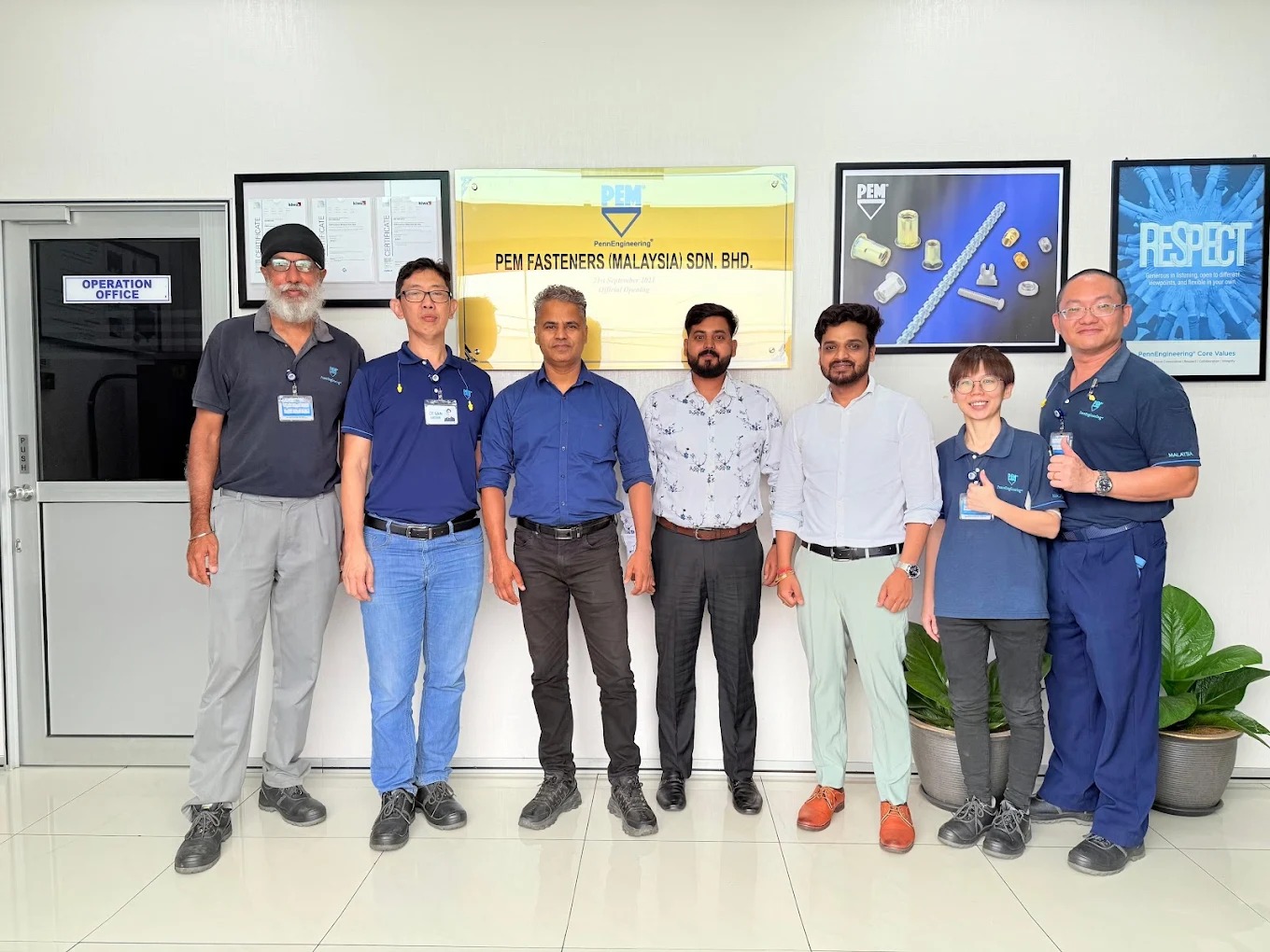
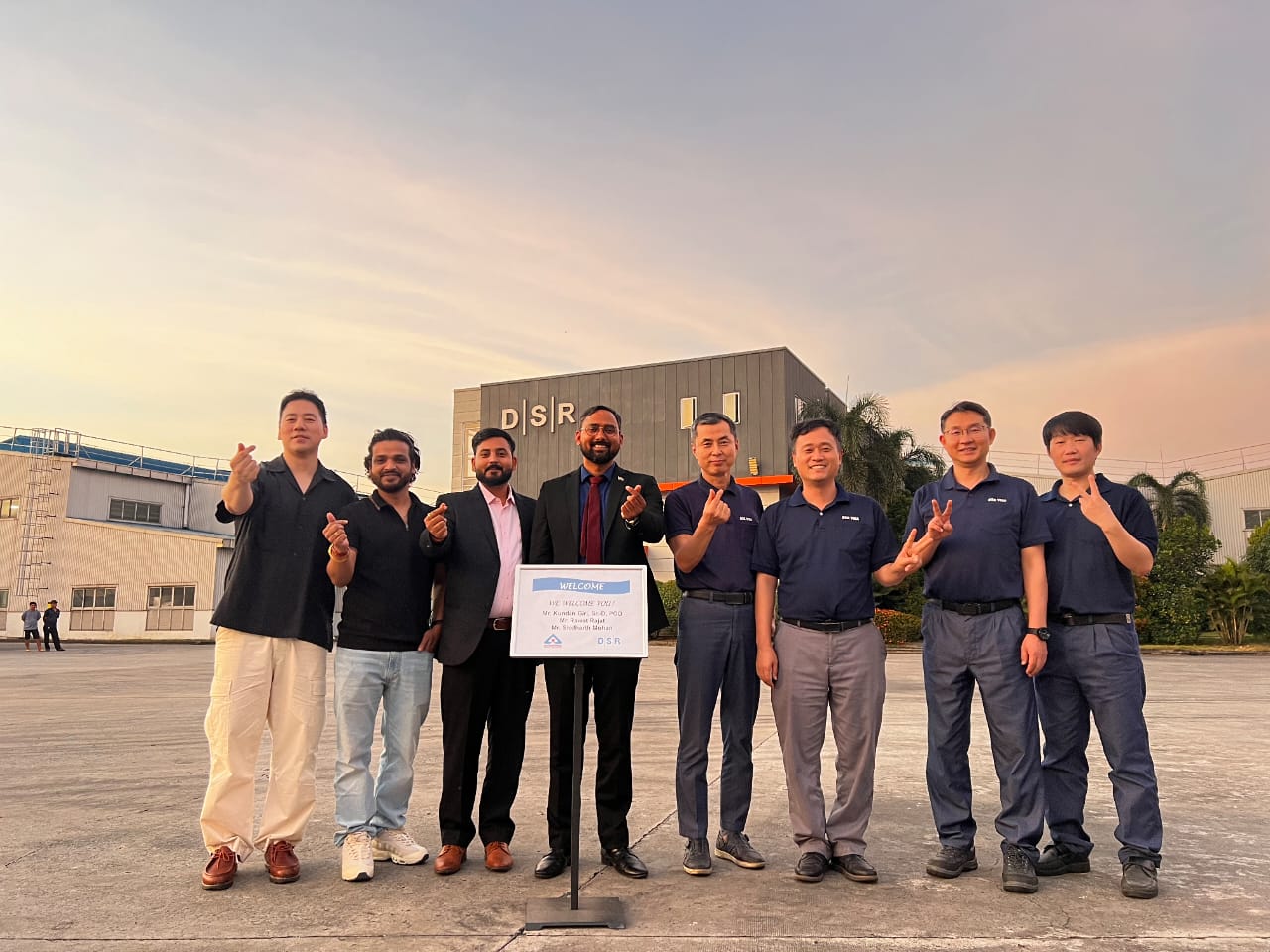
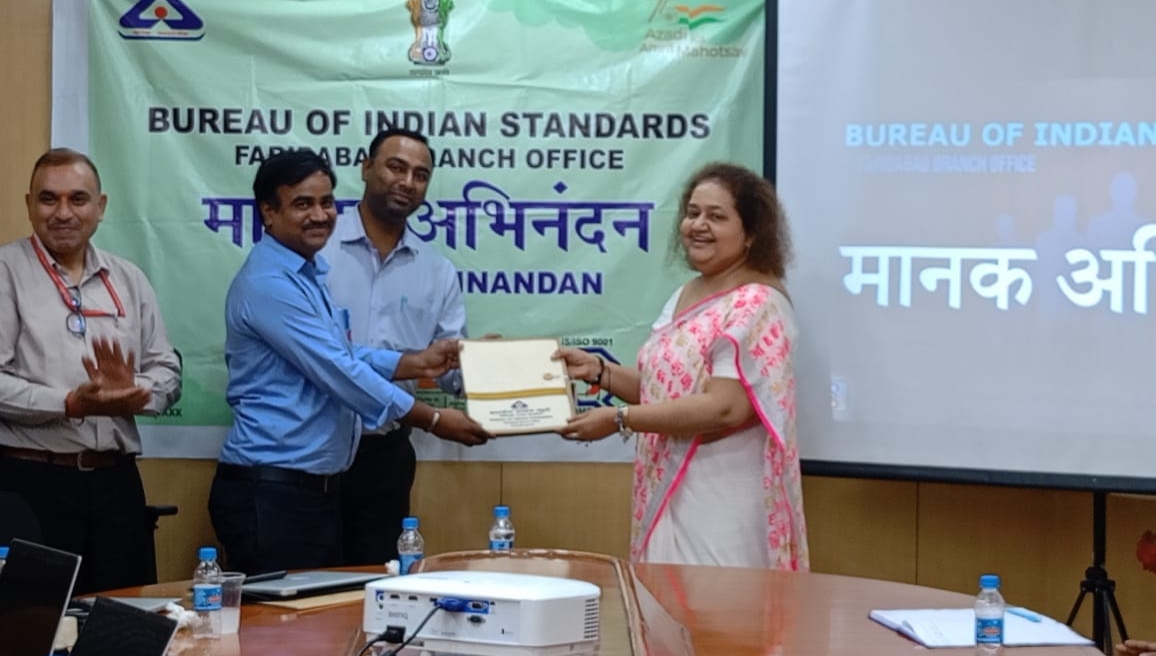
Real sites, real certifications
Our teams work inside factories and plants across India and abroad - inspections, audits and certification milestones spanning BIS, global schemes and the full compliance stack you see on this site.

What our clients say
Reviews and feedback from businesses that have worked with Diligence Certifications.


Explore
Related Global Approvals services
RoHS Certification
Restriction of Hazardous Substances compliance.
View details →UL Certification
UL Certification for North American markets.
View details →KC Certification
Korea Certification for Korean market access.
View details →CE Certification
CE marking for European Union market access.
View details →CB Certification
IECEE CB Scheme certification - global recognition.
View details →SAFTA Certificate
South Asian Free Trade Area certificate of origin.
View details →Ready to get FCC certification?
Talk to our experts for a clear, fixed-scope plan - most clients get a roadmap the same day.