





 BIS Certification
 CDSCO
CDSCO
 PESO
PESO
 CPCB
CPCB
 LMPC
LMPC
 WPC Approval
 Global Approvals
 TEC
TEC
 ARAI
ARAI
 BEE
BEE
 ISO Certification
 DGCA Certification
 NOC For Steel
 APEDA Registration






















 Business Registration
 FSSAI Mark Certification












 (32).jpg)
 Legal Services
 Trademark Registration
 Copyright Registration
 Patent Registration
India's #1 Compliance Partner
Divorce Notice
A divorce notice is the first formal, pre-litigation step where one spouse tells the other, through a lawyer, of the...
25,000+
Clients
200+
Certifications
25+
Years
Pan-India
Presence
Get expert consultation
Trusted by 25,000+ leading enterprises worldwide












Key takeaways
- A divorce notice is a formal pre-litigation communication informing the other spouse of your intention to seek divorce.
- It is the legally prudent first step in Indian divorce proceedings and leaves scope for an out-of-court settlement.
- It is sent by a lawyer on official letterhead and delivered by registered post, speed post or courier, with the acknowledgment slip kept as proof.
- Drafting must be precise: names, addresses, grounds, grievances and a reply timeframe of 15 to 30 days, signed and dated by the advocate.
- It applies across Hindu, Muslim, Christian and Parsi personal laws and to both mutual and contested divorces, tailored to the applicable statute.
- Lawyers often state custody and maintenance claims in the notice so the other spouse knows the demands early.
- A well-crafted notice sets a professional tone, avoids surprises in court and preserves respect even in separation.
Overview
What is a legal notice for divorce?
A Divorce Notice is the first formal step taken when one spouse wishes to end a marriage legally. It is a written communication, sent to the other partner through a lawyer, stating the intention to seek divorce and often outlining the reasons for separation. This notice gives both parties an opportunity to resolve differences before approaching the court, and helps ensure the legal process begins in a transparent and structured way.
Understanding the meaning, format and legal requirements of a divorce notice is important to avoid unnecessary delays or disputes. Whether you draft one yourself or consult a lawyer, the right knowledge makes the process smoother and less stressful.
What the notice is meant to do
- Notify the spouse of the intention to divorce
- Provide the reasons, or complaints, for the divorce
- Encourage response, negotiation or reconciliation within a defined period
- Provide evidence in the event the matter proceeds to court
- Show the court that a fair attempt at resolution was made first
Purpose and importance
Why a divorce notice matters
Before filing a divorce petition in court, either spouse may send a legal notice for divorce. India’s legal system respects its cultural diversity, so divorce law is not uniform and varies by community.
| Purpose | What it achieves |
|---|---|
| Warning | Signals that divorce proceedings may be initiated |
| Opportunity | Lets the other spouse respond or reconcile |
| Evidence | Written proof that resolution was attempted before court |
| Element | Detail |
|---|---|
| Issued by | A family lawyer on official letterhead |
| Reply time | Usually 15 to 30 days |
| Delivery | Registered post, speed post or courier |
What a notice must include
Essentials of a divorce notice
Letterhead
Issued on the official letterhead of the lawyer or law firm handling the case.
Full party details
Name, contact information and address of both the sender and the recipient.
Lawyer’s credentials
The name, contact information and address of the advocate, stated transparently.
Signature and date
The advocate signs and dates the notice to prove its authenticity.
Specific directions
Clear directions on what the recipient should do, within a reasonable timeframe of 15 to 30 days.
Grievances and remedies
The grievances of the aggrieved party and proposed remedies or settlement terms.
Applicable laws
Divorce laws in India
India has a secular law but also recognises the personal laws of various religions. Divorce follows five different statutes to reflect this diversity, with the notice format remaining the same while the law for the eventual petition differs.
- Hindu Marriage Act, 1955 for Hindus, Sikhs, Jains and Buddhists
- Dissolution of Muslim Marriages Act, 1939 and the Muslim Women (Protection of Rights on Marriage) Act, 2019 for Muslims
- Parsi Marriage and Divorce Act, 1936 for Parsis
- Indian Divorce Act, 1869 for Christians
- Special Marriage Act, 1956 for inter-faith and civil marriages
- Foreign Marriage Act, 1969 where one spouse is an Indian national and the other a foreign national
How it works
Procedure to send the notice
The Indian legal framework provides a clear structure for sending a divorce notice and dealing with the reply.
Drafting and serving
Engage a family lawyer
An experienced family lawyer ensures the notice is legally valid, sensitive and fact-based.
Provide complete details
Share names and addresses of both spouses, marriage details, issues in dispute, past reconciliation attempts and the desired outcome on custody, maintenance and property.
Draft the notice
The lawyer drafts on official letterhead with the grounds, specific grievances, a reply timeline of 15 to 30 days, possible settlement terms, signature and date.
Send the notice
The notice is sent by registered post, speed post or courier, and the acknowledgment slip is retained as proof.
After it is served
Mutual resolution
The parties may reconcile or agree on a settlement.
Reply to notice
The spouse may contest the notice or propose a mutual consent divorce.
Negotiate terms
If a reply is received, the parties may negotiate settlement or agree on mutual divorce.
Petition filing
If the notice is ignored or the matter is unresolved, the aggrieved spouse proceeds to file the divorce petition under the relevant law.
Child custody
Custody claims
Child custody is one of the most complex issues in divorce, covering the child’s physical care along with educational, medical and psychological wellbeing. It is determined primarily by the Guardians and Wards Act, 1890 and the personal laws of each religion.
- Hindus: Guardians and Wards Act, 1890 with the Hindu Minority and Guardianship Act, 1956
- Muslims: Guardians and Wards Act, 1890, applying the principles of hizanat
- Christians: Indian Divorce Act, 1869 with the Guardians and Wards Act, 1890
- Parsis: Guardians and Wards Act, 1890, on the best interests of the child
- The welfare of the child is the primary consideration in every decision
Alimony and maintenance
Maintenance framework
- Section 125 of CrPC provides maintenance for a wife, children or parents unable to maintain themselves
- Protection of Women from Domestic Violence Act, 2005 provides residence rights and maintenance
- Hindu Marriage Act, 1955 and Hindu Adoptions and Maintenance Act, 1956 for Hindu spouses
- Dissolution of Muslim Marriages Act, 1939 and Muslim Women (Protection of Rights on Divorce) Act, 1986, including maintenance during the idda period
- Indian Divorce Act, 1869 (Section 36) for interim or permanent alimony for Christians
Considering the next steps? See our Mutual Divorce, Judicial Separation and Divorce Settlement Agreements services.
Why choose us
Talk to a legal expert
Why clients across India trust us
- Family law expertise: knowledge of divorce laws across religions, including the Hindu Marriage Act and Special Marriage Act
- Drafting specific to you: every notice is tailored to your situation, drafted sensitively and in line with Indian law
- Confidential and secure: client information is kept under the strictest confidentiality standards
- Nationwide services: seamless legal services to clients in metro, tier-2 and other cities across India
- Step-by-step support: we draft the notice and stand with you through custody and alimony claims
- Restitution notices: we can also draft a notice seeking restitution of conjugal rights under Section 9 of the Hindu Marriage Act, 1955
Need a divorce notice drafted?
Our legal team drafts a precise, fact-based divorce notice and guides you through reply, settlement, custody and maintenance, end to end.
FAQ
Frequently asked questions
Is sending a divorce notice mandatory before filing?
It is not mandatory, but it is advisable. It shows good faith and an attempt at reconciliation before approaching the court.
How long is the reply period in a divorce notice?
Generally 15 to 30 days. If no reply is received, you may proceed with filing the petition.
What happens if the spouse ignores the notice?
You can file the divorce petition. The non-response becomes part of the case records.
Can a divorce notice be sent online?
Yes, through digital legal platforms with lawyer-verified documents and secure delivery. Courts accept such notices if authenticity is proven.
Can custody and maintenance be mentioned in the notice?
Yes. Lawyers often include custody demands and financial claims upfront to set expectations early and aid settlement.
Does the notice format change with religion?
No, the format remains the same. What differs is the law under which the divorce petition will eventually be filed.
25,000+
Clients served
200+
Certifications
100+
Experts
25+
Years
Why Diligence
Why choose Diligence Certification?
For compliance and credibility, Diligence is much more than a checklist - we give you real confidence in your business. We examine your legal, financial and operational status, so you are not just certified, but trusted.
Stronger risk protection
Spot hidden legal, financial or operational risks early - fix problems before they become threats.
Earn stakeholder trust
From investors to customers, people want to work with businesses that play by the rules.
Stay legally aligned
Compliant not just on products but on labour, environmental and tax laws too.
Enhance brand reputation
Show the world you operate with integrity and transparency.
Stand out from competitors
In a crowded market, credibility is your biggest edge.
24×7 expert support
A 100+ strong service team guiding you at every step, free first consultation.
Real sites, real certifications
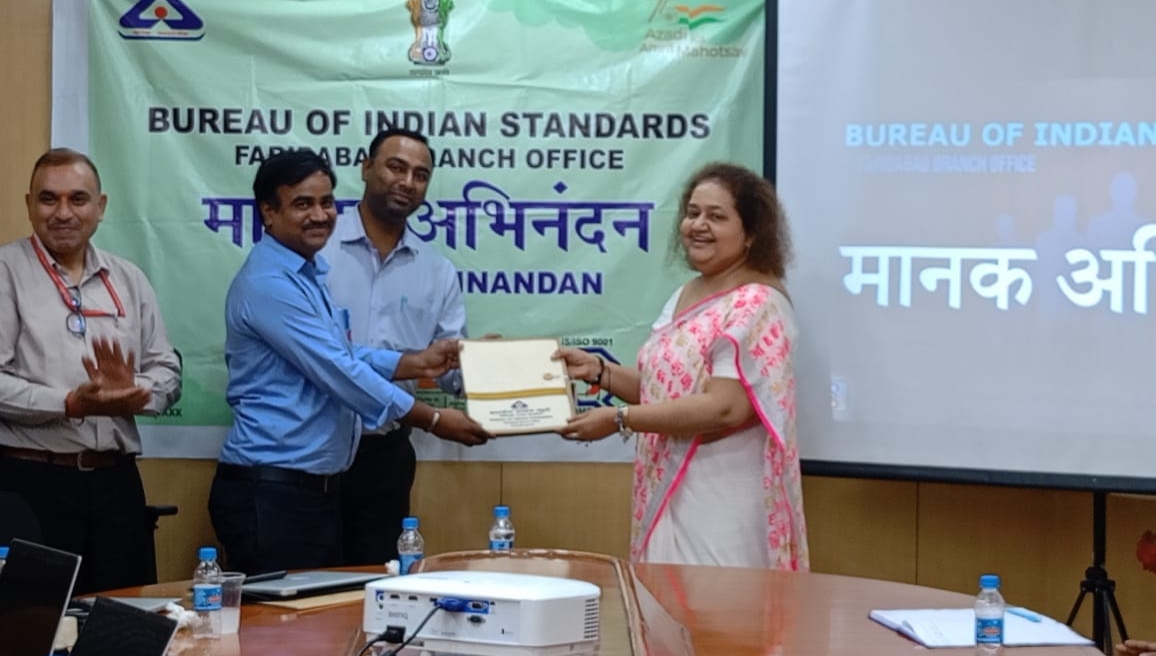
Our teams work inside factories and plants across India and abroad - inspections, audits and certification milestones spanning BIS, global schemes and the full compliance stack you see on this site.






What our clients say
Reviews and feedback from businesses that have worked with Diligence Certifications.










Explore
Related Family Law services
Legal Heir Certificate
Get your Legal Heir Certificate hassle-free.
View details →Succession Certificate
Succession Certificate in India - eligibility & process.
View details →Will Drafting
Professional will drafting - secure your estate.
View details →Will Registration
Secure your will with professional registration.
View details →Mutual Divorce
Mutual divorce - process, requirements, documents.
View details →Divorce Settlement Agreement
Draft divorce settlement agreements - key terms.
View details →Ready to get Divorce Notice?
Talk to our experts for a clear, fixed-scope plan - most clients get a roadmap the same day.