





 BIS Certification
 CDSCO
CDSCO
 PESO
PESO
 CPCB
CPCB
 LMPC
LMPC
 WPC Approval
 Global Approvals
 TEC
TEC
 ARAI
ARAI
 BEE
BEE
 ISO Certification
 DGCA Certification
 NOC For Steel
 APEDA Registration






















 Business Registration
 FSSAI Mark Certification












 (32).jpg)
 Legal Services
 Trademark Registration
 Copyright Registration
 Patent Registration
India's #1 Compliance Partner
Divorce Settlement Agreements
A divorce settlement agreement is a legal contract that records the division of property, child custody and financial obligations between...
25,000+
Clients
200+
Certifications
25+
Years
Pan-India
Presence
Get expert consultation
Trusted by 25,000+ leading enterprises worldwide












Key takeaways
- A divorce settlement agreement is a legal contract that specifies the division of property, child custody arrangements and financial obligations on the separation of spouses.
- By clearly setting out how property and obligations are distributed, it helps prevent later disputes over alimony and child support under Indian matrimonial law.
- Spouses can draft and sign their own settlement in a mutual consent divorce under Section 13B of the Hindu Marriage Act, 1955, which can speed up the separation process.
- The agreement becomes part of the court procedure and specifies the terms the court adopts in the final divorce decree.
- Courts review the document for fairness, completeness and legal sufficiency before it becomes enforceable.
- Simple mutual consent cases may cost between ₹15,000 and ₹50,000 in legal fees; complex cases can reach ₹2 to 5 lakh or higher.
- A poorly drafted agreement can be rejected by the court, forcing couples back into the litigation they hoped to avoid.
Overview
What is a divorce settlement agreement?
A divorce settlement agreement is far more than just a piece of paper. It is the bedrock for your financial and personal security once a marriage is over. The agreement records the division of property, child custody arrangements and financial obligations related to the separation of spouses, transforming oral understandings into enforceable legal obligations.
Modern divorce settlements in India require you to navigate several legal systems, ranging from Section 13B of the Hindu Marriage Act, 1955 to modern property laws covering everything from cryptocurrency holdings to offshore assets. The issues extend well beyond who continues in the family home or how much monthly maintenance will be required.
What the agreement does
- Serves as a contract between the spouses
- Gives the court a clear set of terms for the final decree
- Establishes a framework for resolving future disputes
- Covers short-term concerns such as property, custody and maintenance
- Addresses long-term concerns such as education, health care and inheritance
Main components
Key clauses of the agreement
A complete settlement agreement documents everything at length so that understandings become enforceable. These are the core areas it must address.
| Clause | What it covers |
|---|---|
| Asset division | Individual property, gifts during marriage and jointly acquired marital assets |
| Moveable assets | Itemised bank accounts, fixed deposits, mutual funds, insurance, jewellery and vehicles |
| Real estate | Legal descriptions, market assessments and outstanding mortgage obligations |
| Clause | What it covers |
|---|---|
| Child custody | Physical custody schedules, holidays, vacations and transportation |
| Spousal support | Alimony by lump sum or monthly maintenance based on multiple factors |
| Dispute resolution | Mediation, arbitration and enforcement mechanisms for non-compliance |
What it covers
Areas a settlement addresses
Property distribution
Distinguishes property acquired before marriage, gifts during marriage and jointly acquired marital assets.
Moveable assets
Itemised listing with current market valuations for bank accounts, deposits, funds, jewellery and vehicles.
Child custody
Custody schedules covering regular arrangements, holidays, vacations and special circumstances.
Maintenance
Alimony calibrated to marriage duration, income disparity and future earning potential.
Digital assets
Online businesses, digital currencies, cloud storage and intellectual property created during marriage.
Dispute resolution
Mediation clauses, arbitration procedures and enforcement mechanisms for future disagreements.
Legal basis
Statutory framework
The legal framework that drives these agreements is connected to several statutes. Under Section 13B of the Hindu Marriage Act, 1955, couples in the Hindu, Buddhist, Sikh and Jain communities can obtain a divorce by mutual consent, and the settlement agreement becomes part of this procedure, specifying terms the court will adopt in the final divorce decree.
- Requirements vary by applicable personal law; Hindu, Christian, Muslim and Parsi divorces differ
- Documentation standards include proper witnessing, notarisation and registration
- The agreement must demonstrate voluntary execution without coercion or undue influence
- Courts examine the circumstances of execution to ensure genuine mutual consent
- Different High Courts maintain varying interpretations affecting agreement requirements
How it works
How we draft and finalise
We move from understanding your circumstances to a court-approved agreement. Here is the path we follow.
How we draft
Assess complexity
Review assets, custody and points of disagreement to identify the provisions you need.
Disclose and value
Itemise moveable assets and real estate with current market valuations to avoid hidden assets.
Customise clauses
Tailor the agreement to applicable personal law, asset types and family circumstances.
Draft the agreement
Prepare a complete document covering property, custody, maintenance and dispute resolution.
Court approval
Execute properly
Witness and notarise the agreement to demonstrate voluntary execution without coercion.
File with the court
The settlement is filed as part of the mutual consent procedure under Section 13B.
Judicial review
Judges review the agreement for fairness, completeness and compliance with legal requirements.
Final decree
On approval, the terms are adopted by the court in the final divorce decree.
Documents
What we need
- List of moveable assets with current market valuations
- Real estate descriptions and outstanding mortgage details
- Bank accounts, fixed deposits, mutual funds and insurance policies
- Details of children and proposed custody arrangements
- Income details for calibrating maintenance and alimony
Costs & timeline
What to expect
- Simple mutual consent cases: ₹15,000 to ₹50,000 in legal fees
- Complex cases with substantial assets: ₹2 to 5 lakh or higher
- Administrative expenses such as court and valuation fees: ₹5,000 to ₹25,000
- Timelines depend on court scheduling and both parties’ agreement
Related matters? See our Mutual Divorce, Judicial Separation and Divorce Notice services.
Why professional help matters
Talk to a legal expert
Why couples choose Diligence Certifications
- Early attorney involvement typically reduces overall cost by avoiding expensive corrections later
- We identify potential issues before they become major obstacles
- Neutral mediation helps couples reach agreement more efficiently than adversarial negotiation
- We address high-asset cases, business valuations and international holdings
- We build in modification and dispute resolution procedures to protect the agreement long-term
- We ensure compliance with jurisdiction-specific documentation and language requirements
Need a settlement agreement that protects you?
From mutual consent filings to complex high-asset settlements, our legal team drafts and finalises agreements that stand up to court review.
FAQ
Frequently asked questions
What is a divorce settlement agreement?
In essence, it is a legal document with arrangements concerning the division of property, debts and responsibilities following divorce.
Is the agreement legally binding?
Yes. If it is signed and approved by the court, it becomes enforceable in law.
Can the agreement be changed later?
Only if the two parties agree, or the court permits changes for sound reasons.
Do I need a lawyer to prepare it?
It is not mandatory, but a lawyer will examine your agreement to make sure your rights are preserved.
What does the agreement usually cover?
Division of property and debts, child custody, support and other responsibilities.
How long does court approval take?
It depends on how quickly the court schedules the matter and whether both parties are in agreement. Normally this takes from a few weeks to some months.
25,000+
Clients served
200+
Certifications
100+
Experts
25+
Years
Why Diligence
Why choose Diligence Certification?
For compliance and credibility, Diligence is much more than a checklist - we give you real confidence in your business. We examine your legal, financial and operational status, so you are not just certified, but trusted.
Stronger risk protection
Spot hidden legal, financial or operational risks early - fix problems before they become threats.
Earn stakeholder trust
From investors to customers, people want to work with businesses that play by the rules.
Stay legally aligned
Compliant not just on products but on labour, environmental and tax laws too.
Enhance brand reputation
Show the world you operate with integrity and transparency.
Stand out from competitors
In a crowded market, credibility is your biggest edge.
24×7 expert support
A 100+ strong service team guiding you at every step, free first consultation.
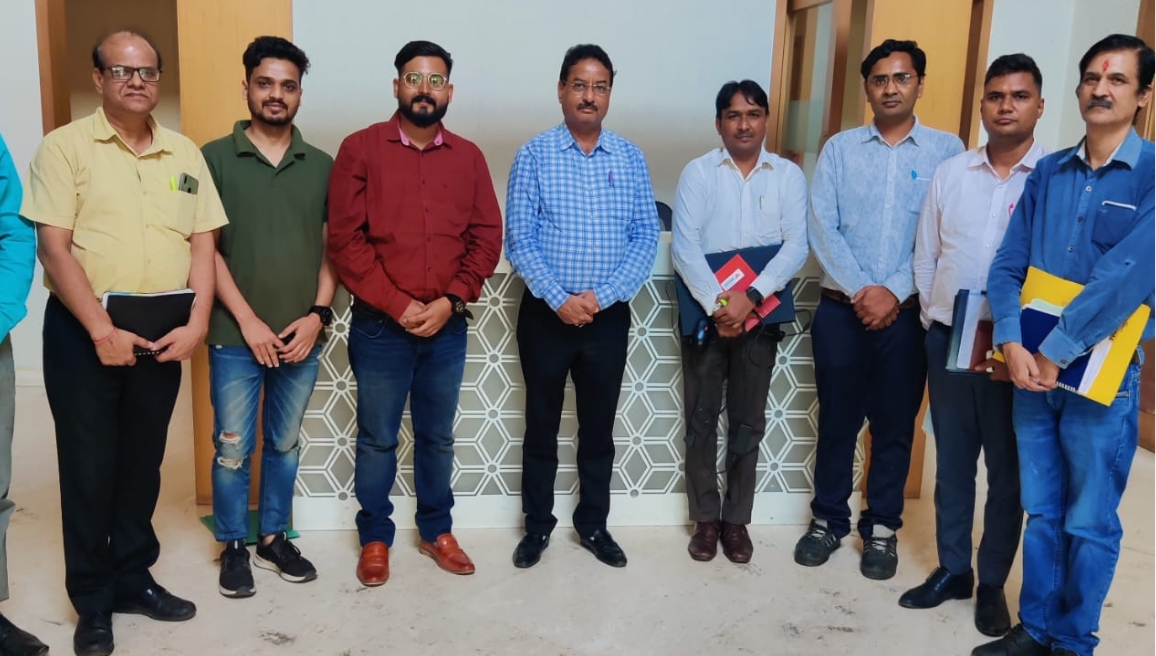
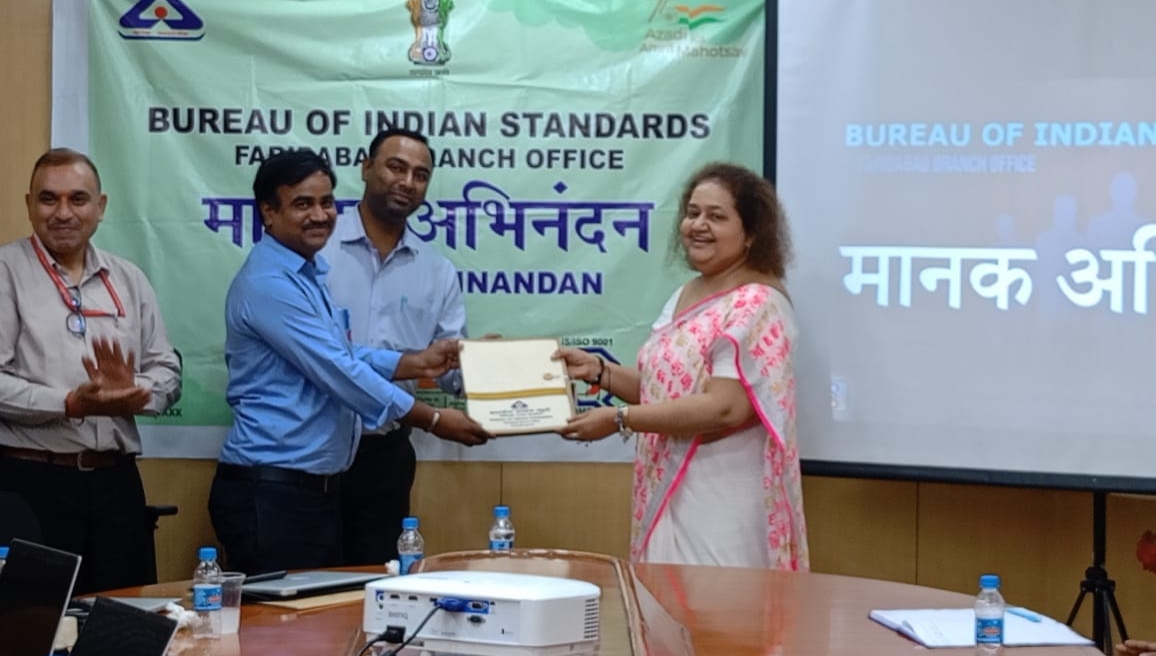
Real sites, real certifications
Our teams work inside factories and plants across India and abroad - inspections, audits and certification milestones spanning BIS, global schemes and the full compliance stack you see on this site.





What our clients say
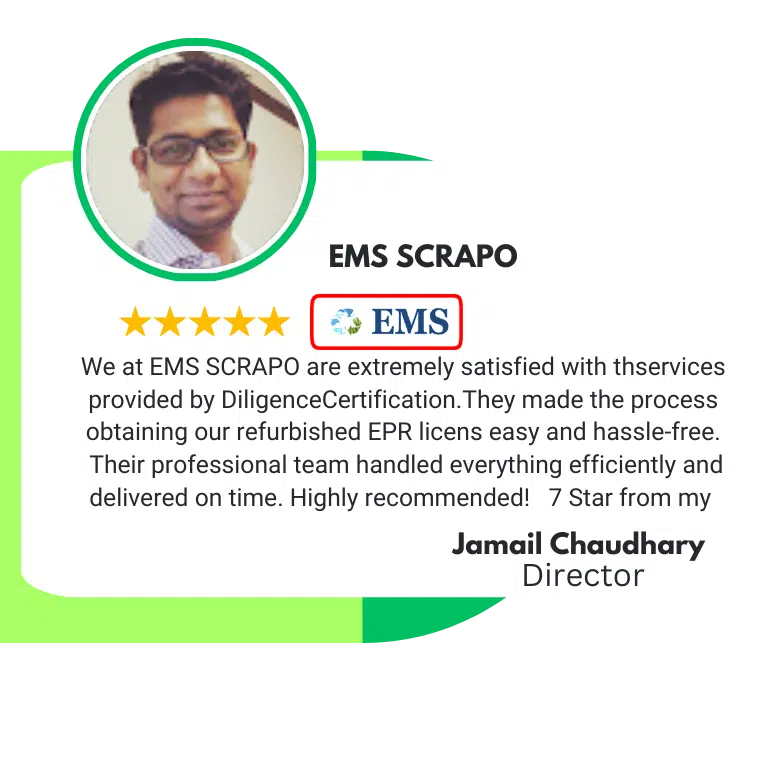
Reviews and feedback from businesses that have worked with Diligence Certifications.









Explore
Related Family Law services
Legal Heir Certificate
Get your Legal Heir Certificate hassle-free.
View details →Succession Certificate
Succession Certificate in India - eligibility & process.
View details →Will Drafting
Professional will drafting - secure your estate.
View details →Will Registration
Secure your will with professional registration.
View details →Mutual Divorce
Mutual divorce - process, requirements, documents.
View details →Divorce Notice
Draft a Divorce Notice in India - step-by-step.
View details →Ready to get Divorce Settlement Agreements?
Talk to our experts for a clear, fixed-scope plan - most clients get a roadmap the same day.