




 BIS Certification
 CDSCO
CDSCO
 PESO
PESO
 CPCB
CPCB
 LMPC
LMPC
 WPC Approval
 Global Approvals
 TEC
TEC
 ARAI
ARAI
 BEE
BEE
 ISO Certification
 DGCA Certification
 NOC For Steel
 APEDA Registration





















 Business Registration
 FSSAI Mark Certification












 (32).jpg)
 Legal Services
 Trademark Registration
 Copyright Registration
 Patent Registration
India's #1 Compliance Partner
Memorandum of Understanding
A Memorandum of Understanding (MoU) records the shared intentions of two or more parties before they enter a binding contract....
25,000+
Clients
200+
Certifications
25+
Years
Pan-India
Presence
Get expert consultation
Trusted by 25,000+ leading enterprises worldwide




Key takeaways
- A Memorandum of Understanding (MoU) records the mutual understanding and intentions of two or more parties before a formal, binding contract is signed.
- An MoU is generally treated as a statement of intent, but specific clauses (such as confidentiality and exclusivity) can be made legally binding.
- Its enforceability is governed by the Indian Contract Act, 1872 - courts look at the parties’ intention and whether the elements of a valid contract are present.
- An MoU is widely used in joint ventures, collaborations, partnerships, property dealings, mergers and government tie-ups.
- To be useful, an MoU must clearly state the parties, purpose, scope, obligations, timelines and what is binding versus non-binding.
- Stamping under the relevant State Stamp Act and proper execution make an MoU stronger as evidence.
Overview
What is a Memorandum of Understanding?
A Memorandum of Understanding, commonly called an MoU, is a written document that captures the broad terms and shared intentions of two or more parties who plan to work together. It sets out what each side expects from the relationship before a detailed, binding contract is drawn up. Think of it as a structured handshake that puts everyone on the same page.
While an MoU is often described as non-binding, that is not an absolute rule. Under Indian law, what matters is the intention of the parties and whether the document satisfies the essentials of a valid contract under the Indian Contract Act, 1872. A carefully drafted MoU can keep the high-level understanding non-binding while making particular obligations - confidentiality, exclusivity, cost-sharing or dispute resolution - fully enforceable.
What a good MoU achieves
- Records the purpose and scope of the proposed relationship
- Clarifies the role and contribution of each party
- Reduces the risk of misunderstanding before the main contract
- Provides a roadmap towards a definitive agreement
- Protects sensitive information shared during discussions
- Serves as useful evidence of intent if a dispute arises
When you need one
Who uses an MoU
An MoU is appropriate whenever parties want to formalise an understanding without immediately committing to a full contract. It is used across business, government and not-for-profit dealings.
| Situation | How an MoU helps |
|---|---|
| Joint ventures & collaborations | Sets out each partner’s contribution, role and share before a binding JV agreement. |
| Mergers & acquisitions | Frames the deal terms and due-diligence understanding before definitive documents. |
| Business partnerships | Captures the intended structure, capital and responsibilities of partners. |
| Situation | How an MoU helps |
|---|---|
| Property transactions | Records the agreed price, schedule and conditions ahead of the sale deed. |
| Vendor & supplier tie-ups | Defines supply terms, pricing intent and exclusivity before the supply contract. |
| Government & institutional deals | Documents cooperation between departments, companies or educational bodies. |
Is it binding?
Binding vs non-binding
The single biggest question with any MoU is whether it can be enforced in court. The answer depends on how the document is written and what the parties intended. An MoU that merely expresses a hope to cooperate, with no clear obligations, is usually treated as non-binding. An MoU that contains definite promises, consideration and an intention to create legal relations can be enforced like a contract.
What makes an MoU enforceable
- Intention to create legal relations expressed in clear language
- Offer and acceptance on definite terms
- Lawful consideration and a lawful object
- Competent parties with authority to sign
- Certainty of terms rather than vague aspirations
- Clear binding clauses ring-fenced from the non-binding parts
Anatomy
Key clauses we draft
A robust MoU is more than a one-page note of intent. We structure it so that the commercial understanding is clear and the legally important parts are watertight.
- Parties & recitals: who is involved and the background to the arrangement
- Purpose & scope: what the parties intend to achieve together
- Roles & obligations: the contribution and responsibility of each side
- Confidentiality: protection of sensitive information shared during talks
- Exclusivity & term: any lock-in period and the duration of the MoU
- Binding clauses: which provisions are intended to be enforceable
- Dispute resolution: governing law, jurisdiction or arbitration
- Termination & next steps: exit terms and the path to a final contract
How it works
Our drafting process
We make the process simple. You tell us the commercial picture; we turn it into a clean, balanced and enforceable document.
Drafting a fresh MoU
Understand the deal
We discuss the parties, the purpose, the contributions and what you want to keep binding or non-binding.
Draft
We prepare a tailored MoU with clear recitals, scope, obligations and protective clauses.
Review & revise
You review the draft and we refine the wording until it reflects the agreed understanding.
Execute & stamp
We guide you on signing, witnessing and stamping the MoU under the relevant State Stamp Act.
Reviewing a received MoU
Read & flag
We examine the document for one-sided terms, hidden binding clauses and ambiguous wording.
Risk note
We explain what is enforceable, what your exposure is and where you should push back.
Mark-up
We propose redrafted clauses that protect your position while keeping the deal alive.
Negotiation support
We help you negotiate the final wording before you sign.
Paperwork
Information & documents required
- Names, addresses and constitution of each party (individual, firm or company)
- Authorised signatory details and proof of authority (board resolution, where a company is involved)
- Purpose and scope of the proposed arrangement
- Commercial terms - contributions, pricing, share or timelines
- Any confidentiality, exclusivity or non-compete expectations
- Preferred governing law, jurisdiction or arbitration seat
- Existing correspondence, term sheets or prior drafts, if any
Lifecycle
Stamping, validity & timeline
- An MoU should be stamped as per the State Stamp Act where it is executed; stamp duty varies by state and by whether binding obligations are created.
- It stays in force for the term stated in the document or until a definitive contract supersedes it.
- Notarisation is optional but strengthens the MoU as evidence.
- A simple MoU can usually be drafted within a few working days once the commercial terms are confirmed.
Why it matters
Benefits of a well-drafted MoU
Clear understanding
Everyone knows the purpose, roles and expectations before money or effort is committed.
Risk control
Confidentiality and exclusivity clauses protect you while the deal is still being shaped.
Roadmap to a contract
An MoU sets the milestones and conditions that lead to a binding final agreement.
Evidence of intent
A documented understanding is far stronger than a verbal one if a dispute arises.
Smoother negotiation
Agreeing the broad terms early keeps the later contract talks focused and fast.
Institutional comfort
Boards, partners and government bodies often need an MoU before they sign off.
Why Diligence Certifications
Talk to a legal expert
Drafting you can rely on
An MoU is only as good as its wording. A loose document can leave you exposed; an overly rigid one can scare off the deal. Our legal team strikes the right balance - capturing the commercial intent while protecting you on the points that matter.
- Drafted by experienced legal professionals, not templates
- Tailored to your industry and the specific deal
- Clear separation of binding and non-binding clauses
- Guidance on stamping, execution and next steps
- Quick turnaround with unlimited reasonable revisions
- Support through negotiation to the final contract
Need an MoU drafted or reviewed?
Tell us about the parties and the deal, and we will prepare a clear, balanced and enforceable MoU that protects your interests.
FAQ
Frequently asked questions
Is a Memorandum of Understanding legally binding in India?
It depends on the wording and the intention of the parties. An MoU that only expresses an intention to cooperate is usually non-binding, but one that contains definite obligations, consideration and an intention to create legal relations can be enforced as a contract under the Indian Contract Act, 1872. We draft your MoU so that the binding and non-binding parts are clearly separated.
What is the difference between an MoU and a contract?
An MoU records a broad understanding and is often a step towards a contract, whereas a contract creates definite, enforceable obligations. In practice the line can blur - a detailed MoU can be as binding as a contract - so the language must be drafted carefully.
Does an MoU need to be stamped or notarised?
An MoU should be stamped under the State Stamp Act of the place where it is executed; the duty varies by state and by whether the document creates binding obligations. Notarisation is not mandatory but strengthens the MoU as evidence in case of a dispute.
How many parties can sign an MoU?
An MoU can be between two or more parties - individuals, firms, companies, institutions or government bodies. We draft multi-party MoUs that clearly set out the role, contribution and obligations of each signatory.
How long does it take to get an MoU drafted?
A straightforward MoU can usually be drafted within a few working days once the commercial terms are confirmed. More complex multi-party or transaction-specific MoUs may take a little longer, depending on the negotiation involved.
Can an MoU be cancelled or terminated?
Yes. A well-drafted MoU includes a term and termination clause that sets out how and when it can be ended, any notice required, and how confidentiality obligations survive termination. We make sure these exit terms are clear before you sign.
25,000+
Clients served
200+
Certifications
100+
Experts
25+
Years
Why Diligence
Why choose Diligence Certification?
For compliance and credibility, Diligence is much more than a checklist - we give you real confidence in your business. We examine your legal, financial and operational status, so you are not just certified, but trusted.
Stronger risk protection
Spot hidden legal, financial or operational risks early - fix problems before they become threats.
Earn stakeholder trust
From investors to customers, people want to work with businesses that play by the rules.
Stay legally aligned
Compliant not just on products but on labour, environmental and tax laws too.
Enhance brand reputation
Show the world you operate with integrity and transparency.
Stand out from competitors
In a crowded market, credibility is your biggest edge.
24×7 expert support
A 100+ strong service team guiding you at every step, free first consultation.
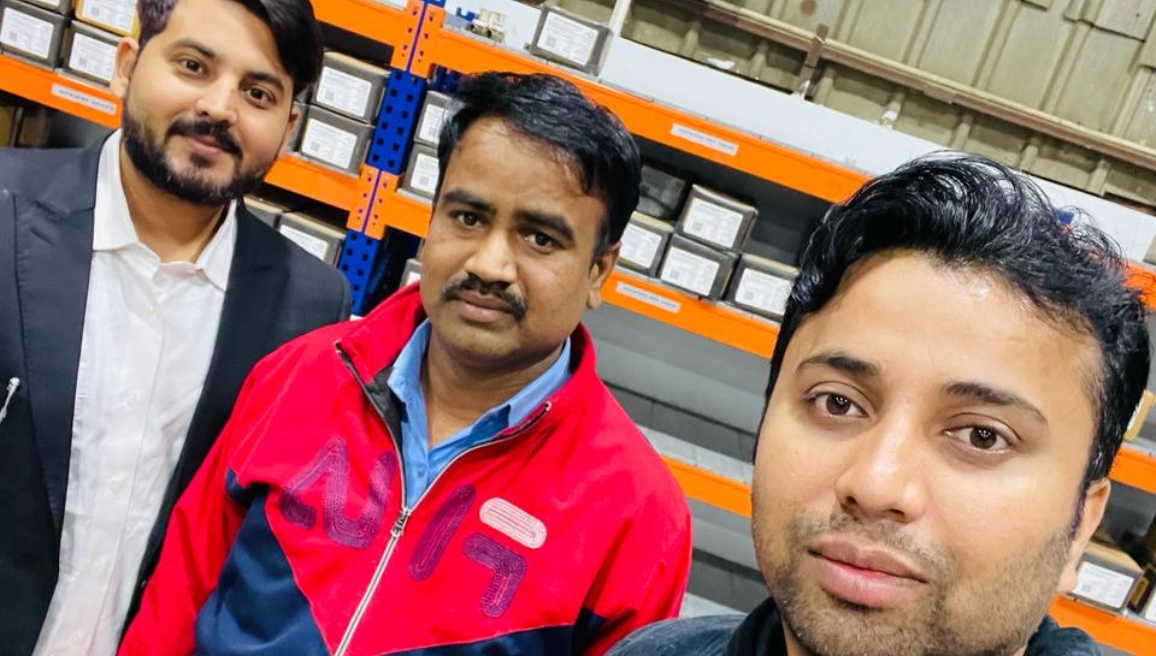
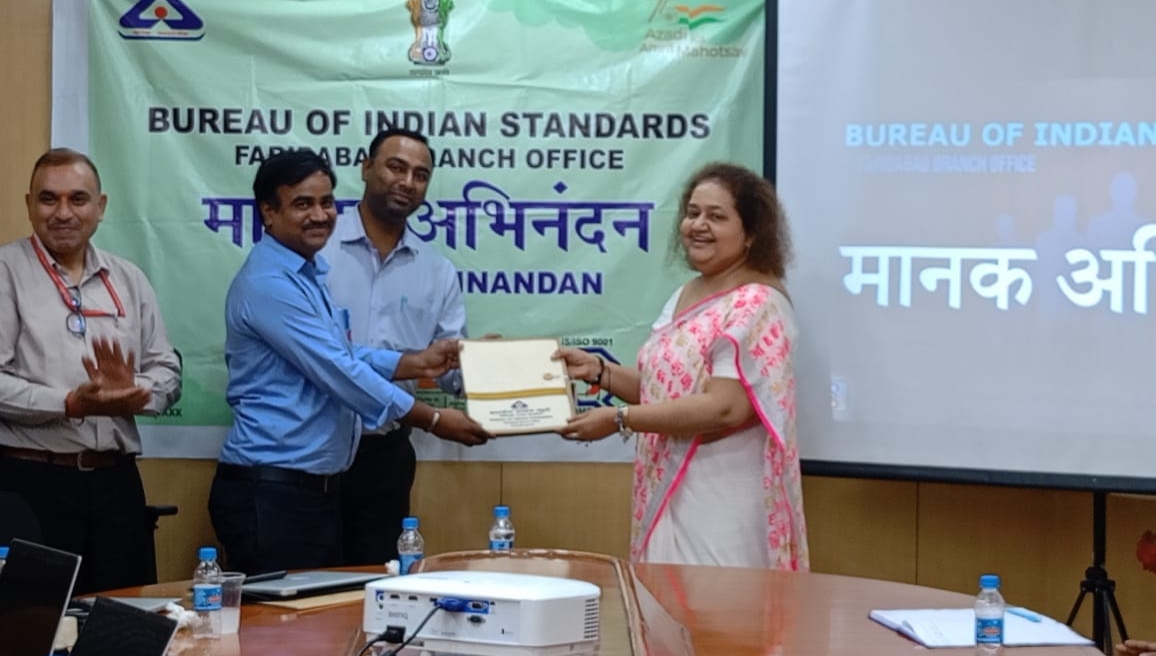
Real sites, real certifications
Our teams work inside factories and plants across India and abroad - inspections, audits and certification milestones spanning BIS, global schemes and the full compliance stack you see on this site.





What our clients say
Reviews and feedback from businesses that have worked with Diligence Certifications.








Explore
Related BIS & Standards services
BIS Certification
Get your products BIS certified to ensure compliance with Indian standards.
View details →ISI Mark Certification
ISI Mark Certification for your products with expert guidance.
View details →CRS Mark Certification
BIS CRS Registration for electronics & IT products.
View details →Hallmarking
BIS Hallmarking Certification for gold & jewellery.
View details →FMCS Mark Certification
For foreign manufacturers entering the Indian market.
View details →ECO Mark Certification
Showcase your eco-friendly products with ECO Mark.
View details →Ready to get Memorandum of Understanding?
Talk to our experts for a clear, fixed-scope plan - most clients get a roadmap the same day.