




 BIS Certification
 CDSCO
CDSCO
 PESO
PESO
 CPCB
CPCB
 LMPC
LMPC
 WPC Approval
 Global Approvals
 TEC
TEC
 ARAI
ARAI
 BEE
BEE
 ISO Certification
 DGCA Certification
 NOC For Steel
 APEDA Registration






















 Business Registration
 FSSAI Mark Certification












 (32).jpg)
 Legal Services
 Trademark Registration
 Copyright Registration
 Patent Registration
India's #1 Compliance Partner
TEC Approval
TEC Approval is the mandatory certification from the Telecommunication Engineering Centre, the technical wing of the Department of Telecommunications, that...
25,000+
Clients
200+
Certifications
25+
Years
Pan-India
Presence
Get expert consultation
Trusted by 25,000+ leading enterprises worldwide









Key takeaways
- TEC Approval certifies that telecom products meet the DoT safety and technical standards required in India.
- It is issued by the Telecommunication Engineering Centre (TEC), the technical wing of the Department of Telecommunications under the Ministry of Communications.
- It is mandatory for telecom and ICT equipment before import, manufacture or sale, under the MTCTE (Mandatory Testing and Certification of Telecom Equipment) scheme.
- Applications are filed and tracked online through the MTCTE portal.
- There are four approval types: Type Approval, Interface Approval, Certificate of Approval (CoA) and Technology Approval.
- Testing is carried out at an accredited or recognised Conformity Assessment Body (CAB); TEC accepts reports from ILAC signatory labs for EMC, safety and environmental parameters.
- Foreign manufacturers must appoint an Authorised Indian Representative (AIR) to handle MTCTE responsibilities.
Overview
What is TEC Approval?
TEC is short for Telecommunication Engineering Centre, the technical body under the Department of Telecommunications (DoT), Ministry of Communications, Government of India. Set up in 1991, it formulates and enforces regulatory standards for the quality, safety and interoperability of telecom equipment and services across the country.
For manufacturers, importers and sellers of telecom equipment in India, TEC certification is now an essential prerequisite. Under the MTCTE scheme, all covered telecom equipment must be certified as compliant with Indian standards before it enters the market, helping build a secure and dependable communication infrastructure for technologies such as 4G, 5G and IoT.
The TEC technical framework
- Generic Requirements (GRs): functional and technical aspects such as performance, environmental durability and safety
- Interface Requirements (IRs): how equipment connects to other systems and networks for compatibility and integration
- Service Requirements (SRs): quality and operational standards for telecom services and user experience
Types of approval
Categories of TEC Approval
The Telecommunication Engineering Centre offers four major types of approval, each serving a purpose depending on the nature of the product and its application.
| Approval type | What it covers |
|---|---|
| Type Approval | Tests and certifies equipment against TEC standards under the Test Schedule and Test Procedure (TSTP), based on the product Generic Requirement (GR). |
| Interface Approval | Certifies compliance with TEC standards governing interface and connectivity, under the TSTP method, based on the product Interface Requirement (IR). |
| Certificate of Approval (CoA) | For telecom products not covered by existing GRs or IRs; certification is based on the technical specifications developed by the manufacturer. |
| Technology Approval | For prototypes or early-stage products from C-DOT or other recognised R&D institutions, checking innovations against applicable standards to make them roll-out ready. |
| Testing basis | Details |
|---|---|
| Where testing happens | At the OEM premises or in a certified laboratory environment, depending on the approval. |
| Accepted test reports | EMC, safety and environmental test reports from laboratories accredited by ILAC signatories. |
| Conformity body | Testing at an accredited or recognised Conformity Assessment Body (CAB) of an MRA partner country. |
Why it matters
Benefits of TEC Approval
Market access
TEC approval is the gateway to the Indian telecom market. Without it, products cannot lawfully be sold or marketed in India.
Trust and reliability
Approved products are seen as reliable and trustworthy by consumers and business associates, building market credibility.
Conformity and standards
The approval process confirms equipment meets prescribed standards, safeguarding overall network quality and safety.
Network safety
Certification helps prevent network interference and ensures smooth, secure communication across the infrastructure.
Interoperability
Standards-based testing assures compatibility and easy integration with national and international communication networks.
Faster market entry
Recognition of ILAC and MRA partner test reports streamlines testing and speeds up entry into the Indian market.
Compliance
Why TEC Approval is mandatory
Under the MTCTE scheme, telecom and ICT equipment must be certified as compliant with Indian standards before import, manufacture or sale. A wide range of products, including routers, modems, mobile devices and network equipment, require TEC approval before being sold in India, with the exact list defined by TEC under the MTCTE framework.
What non-compliance can cost you
- Selling non-certified telecom products in India is illegal.
- Penalties imposed for breach of telecom regulations.
- Product recalls that pull stock from the market.
- Bans and legal consequences for continued non-compliance.
How it works
The approval process, step by step
The process is handled online through the MTCTE portal, from registration through testing to the grant of the certificate.
Registration and application
Register on MTCTE
Applicants register on the MTCTE portal to get login credentials, then fill in the details and upload the required documents. Once submitted, documents cannot be modified.
Verification
TEC scrutinises the documents. If anything is incomplete, the applicant is informed; on receipt of deficiency-free documents, registration is approved.
Apply for testing
Select the product, its variant and interface details, and upload the bill of materials, datasheet and manufacturing location of the telecom or ICT equipment.
Pay the fee
The portal indicates the certification scheme, Essential Requirements and fee payable; the applicant pays the testing fee.
Testing and certification
Test the product
Choose a CAB on the portal. The equipment is tested in an accredited or recognised Conformity Assessment Body of an MRA partner country.
Submit test report
Upload the test reports and a summary of results, and accept the online undertaking confirming the correctness of the uploaded documents.
Report follow-up
The submitted results are reviewed; if the equipment is found compliant, issuance of the certificate follows.
Certificate grant
TEC issues the grant certificate once satisfied that the test reports meet the specified standard, authorising the product for the Indian market.
Paperwork
Documents required
- Company registration document: Certificate of Incorporation, Partnership Deed or Establishment License as applicable
- Authorisation Letter from the company (Indian OEM, or AIR for a foreign OEM) for MTCTE-related responsibilities
- Articles of Association (AoA), duly signed by the Director or Company Secretary
- Memorandum of Association (MoA), duly signed by the Director or Company Secretary
- Latest shareholding pattern showing the board members and shareholders
- MoU or affidavit in the prescribed format between the foreign OEM and the Indian representative (AIR)
- AIR authorisation letter issued by the foreign OEM, stating validity if any
Applicants and lifecycle
Who applies & renewal
- Indian OEMs: companies or firms manufacturing telecom products in India.
- Authorised Indian Representative (AIR): Indian companies or firms importing telecom equipment of a foreign OEM.
- Foreign manufacturers can apply but must appoint an AIR to handle compliance and communication with TEC.
- Certification may need to be renewed or updated for regulatory changes, product modifications or new compliance requirements.
Need related approvals? See our Equipment Type Approval, FCC Certification and CRS Mark Certification services.
Timeline
Get a free assessment
Scope & timeline
The timeline varies with the product type and testing requirements. The typical stages are:
| Stage | Details |
|---|---|
| Document submission | Registration on the MTCTE portal and upload of company and product documents |
| Testing | Conducted at an accredited or recognised CAB; EMC, safety and environmental reports accepted |
| Certification approval | Review of test results and grant of the certificate |
| Overall duration | On average 4 to 12 weeks, depending on product type and testing |
Not sure which TEC approval you need?
Tell us your product, your role as Indian OEM or AIR, and your target market, and we will map the exact approval type, documents and timeline for your equipment.
FAQ
Frequently asked questions
What is TEC Approval?
TEC (Telecommunication Engineering Centre) Approval is a mandatory certification required for telecom equipment in India under the Mandatory Testing and Certification of Telecom Equipment (MTCTE) scheme. It ensures the equipment meets safety, security and technical standards.
Why is TEC certification necessary?
TEC certification is necessary to comply with Indian telecom regulations. It ensures telecom equipment meets quality and safety standards, preventing network interference and ensuring smooth communication.
Which products require TEC approval?
A wide range of telecom products, including routers, modems, mobile devices, network equipment and other communication hardware, require TEC approval before being sold in India. The exact list is defined by TEC under the MTCTE framework.
How long does TEC approval take?
The duration varies with the product type and testing requirements. On average it takes 4 to 12 weeks, including document submission, testing and certification approval.
Can foreign manufacturers apply for TEC certification?
Yes. Foreign manufacturers can apply, but they must appoint an Authorised Indian Representative (AIR) to handle compliance and communication with TEC authorities.
What happens if I sell non-certified telecom products?
Selling non-certified telecom products in India is illegal and can result in penalties, product recalls and bans. Compliance with TEC regulations is mandatory to avoid legal consequences.
25,000+
Clients served
200+
Certifications
100+
Experts
25+
Years
Why Diligence
Why choose Diligence Certification?
For compliance and credibility, Diligence is much more than a checklist - we give you real confidence in your business. We examine your legal, financial and operational status, so you are not just certified, but trusted.
Stronger risk protection
Spot hidden legal, financial or operational risks early - fix problems before they become threats.
Earn stakeholder trust
From investors to customers, people want to work with businesses that play by the rules.
Stay legally aligned
Compliant not just on products but on labour, environmental and tax laws too.
Enhance brand reputation
Show the world you operate with integrity and transparency.
Stand out from competitors
In a crowded market, credibility is your biggest edge.
24×7 expert support
A 100+ strong service team guiding you at every step, free first consultation.
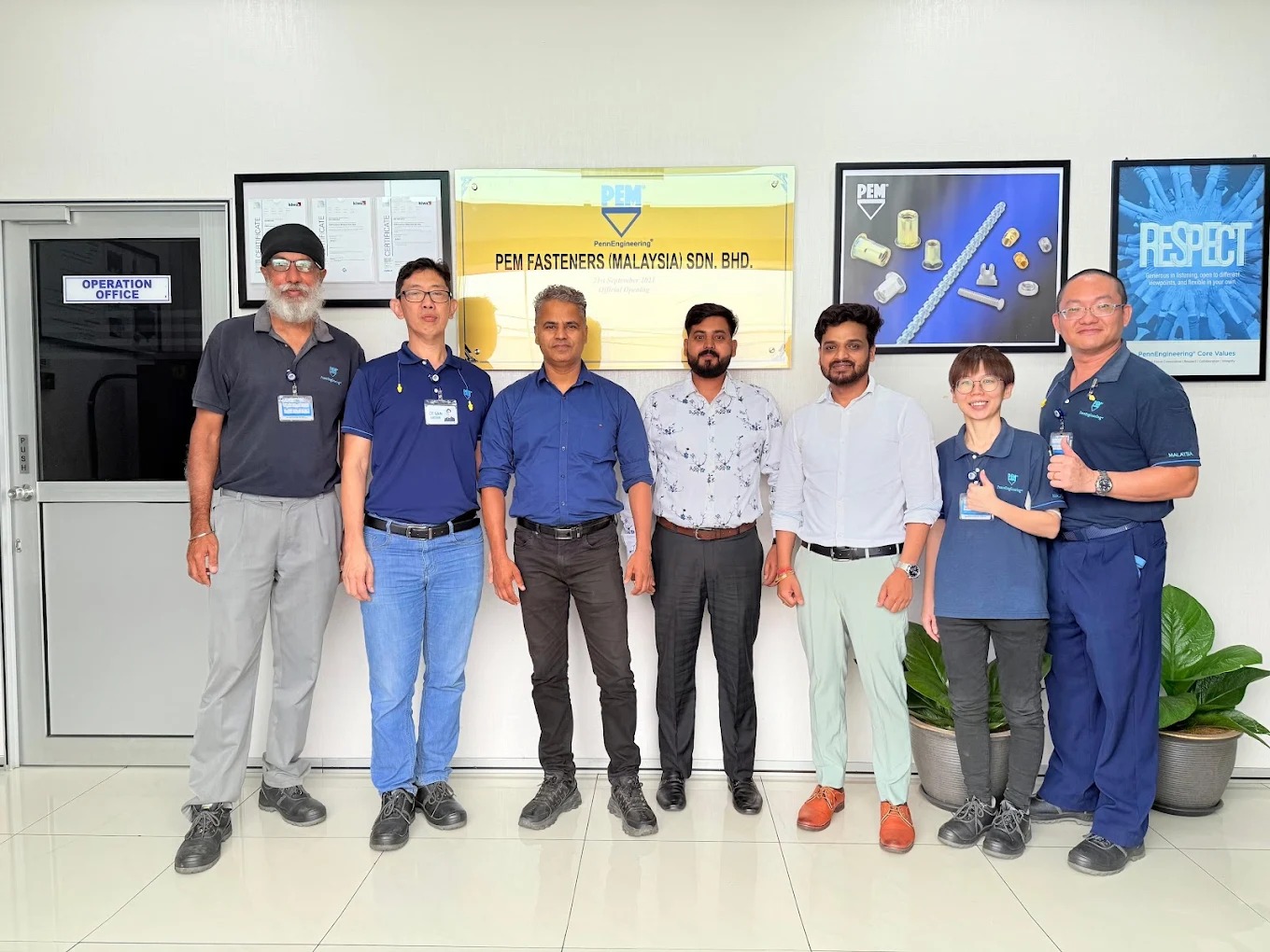
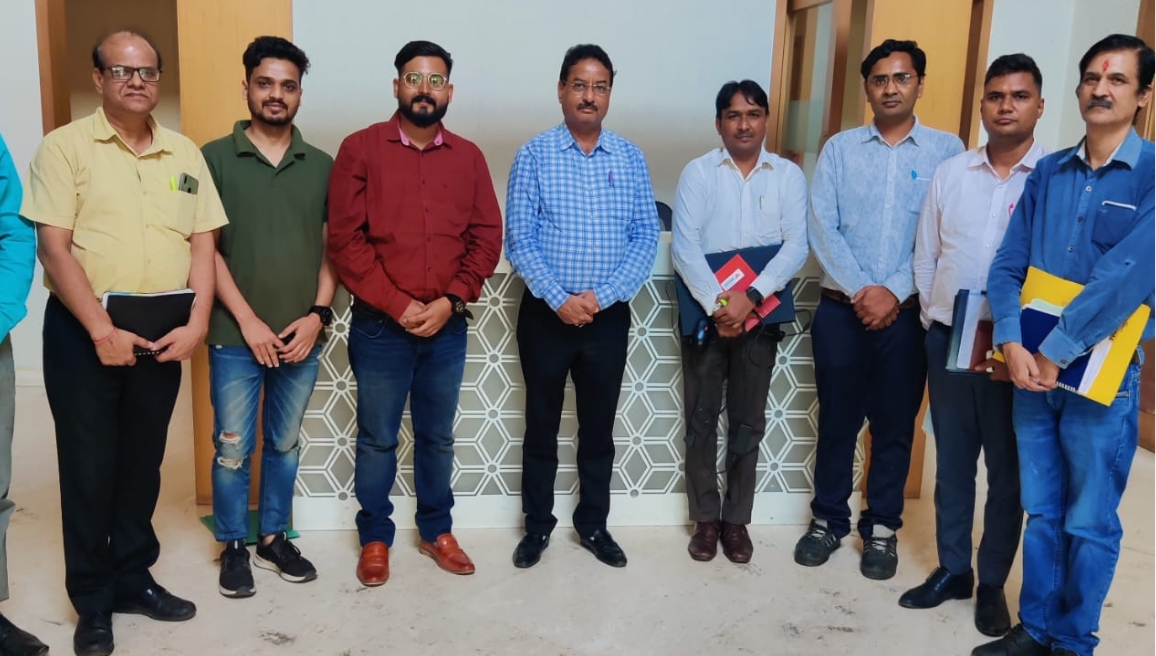
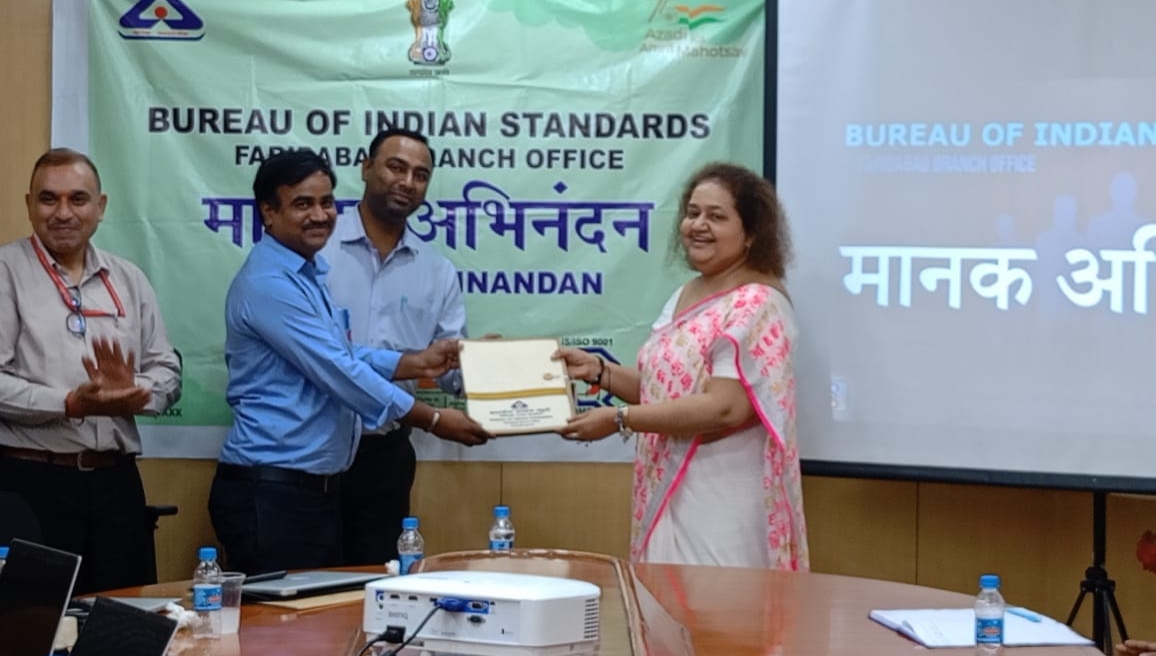
Real sites, real certifications
Our teams work inside factories and plants across India and abroad - inspections, audits and certification milestones spanning BIS, global schemes and the full compliance stack you see on this site.




What our clients say
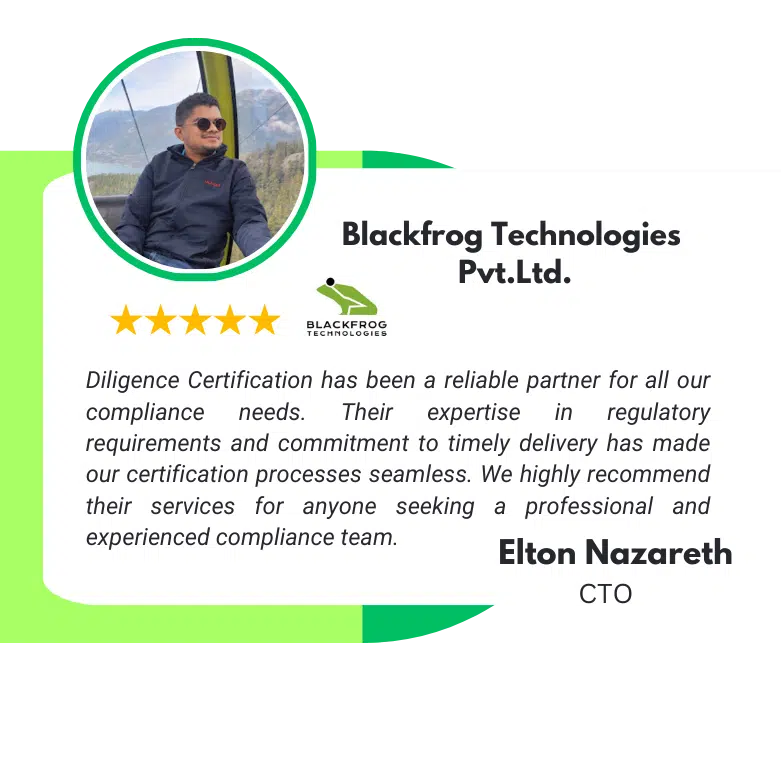
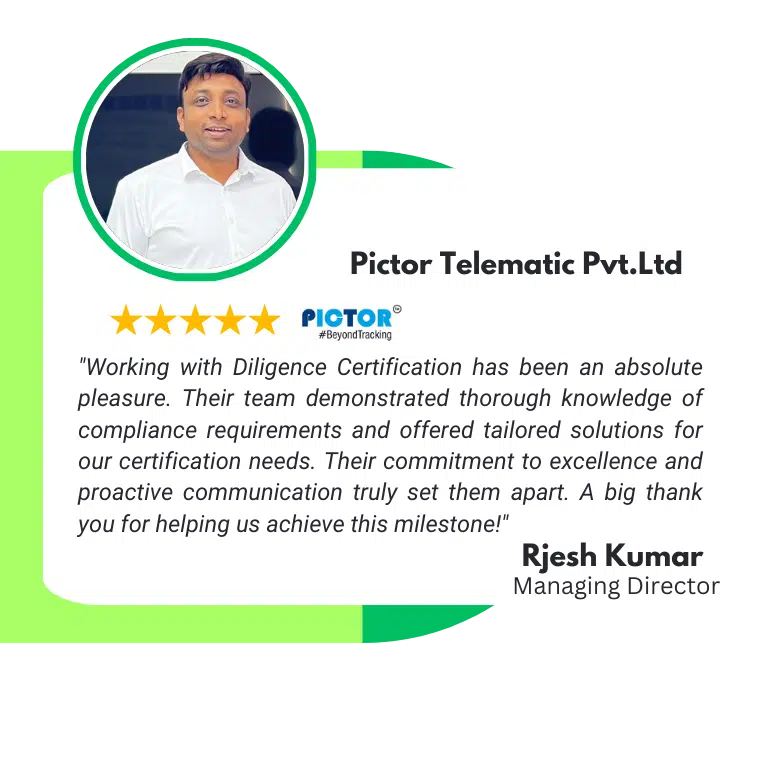
Reviews and feedback from businesses that have worked with Diligence Certifications.







Explore
Related TEC / Telecom services
BIS Certification
Get your products BIS certified to ensure compliance with Indian standards.
View details →ISI Mark Certification
ISI Mark Certification for your products with expert guidance.
View details →CRS Mark Certification
BIS CRS Registration for electronics & IT products.
View details →Hallmarking
BIS Hallmarking Certification for gold & jewellery.
View details →FMCS Mark Certification
For foreign manufacturers entering the Indian market.
View details →ECO Mark Certification
Showcase your eco-friendly products with ECO Mark.
View details →Ready to get TEC Approval?
Talk to our experts for a clear, fixed-scope plan - most clients get a roadmap the same day.