 BIS Certification
 CDSCO
CDSCO
 PESO
PESO
 CPCB
CPCB
 LMPC
LMPC
 WPC Approval
 Global Approvals
 TEC
TEC
 ARAI
ARAI
 BEE
BEE
 ISO Certification
 DGCA Certification
 NOC For Steel
 APEDA Registration























 Business Registration
 FSSAI Mark Certification





 (32).jpg)
 Legal Services
 Trademark Registration
 Copyright Registration
 Patent Registration
Will Drafting
Will drafting creates a legally enforceable document that transfers your property to your heirs in accordance with your wishes after...
Get expert consultation
Trusted by 25,000+ leading enterprises worldwide













Key takeaways
- Will drafting creates a legally enforceable document that transfers your property to your heirs in accordance with your wishes after death.
- In India, the Indian Succession Act, 1925 governs the making and execution of wills, alongside other procedural and registration laws.
- A clear will limits the possibility of conflict among heirs, saves time and avoids agitating litigation.
- Under Section 59, any person over 18 years of age and of sound mind can make a will.
- Registration of a will is optional, but it increases the will’s legitimacy and makes matters easier for the courts.
- Careful execution by witnesses, executor appointment and probate help bring authenticity and enforceability to the will.
What is will drafting?
A will is a legally binding document in which one party, the testator, expresses how their property and possessions are to be distributed once the testator has died. Unlike other documents, a will takes effect only upon the death of the testator, which means the testator retains full control of all property during life.
A will is more than a legal document. It is the voice of the testator and often gives guidance to loved ones long after the testator has passed.
Important characteristics of a will
- It composes the last wishes of the testator and removes confusion after death
- It allows reasoned decisions about distribution rather than compulsory succession laws
- It can be handwritten or typewritten if legible and signed
- It may be changed, revised or revoked at any time during the life of the testator
- Registration is encouraged, not required, but adds to its legitimacy
Types of wills and parties involved
The Indian Succession Act, 1925 categorises wills into two broad types, and a will involves several parties, each with a particular role.
| Type of will | What it means |
|---|---|
| Privileged Will | For soldiers, airmen or mariners in war-like operations or emergencies; less formal and may even be oral |
| Unprivileged Will | All wills that do not qualify as privileged; require signature, witnesses and often probate |
| Party | Role |
|---|---|
| Testator | The person who makes the will and specifies how assets are distributed |
| Beneficiaries | Those who receive the assets, such as family, friends or charities |
| Executor | A trusted person who handles the formalities of executing the will |
| Trustee | Oversees property held in trust, for example for a minor beneficiary |
| Legal Guardian | Appointed to control the property of minor children named as beneficiaries |
What a will can include
Real property
Owned land, houses and flats.
Jewellery
Gold, silver and valuable artefacts.
Bank deposits
Fixed deposits, bonds and mutual funds.
Insurance and benefits
Insurance policies and retirement benefits such as gratuity or pension.
Intellectual property
Patents, copyrights or trademarks.
Collectibles
Paintings, antiques or heirlooms, and even digital property.
Capacity and essentials of a valid will
Under Section 59 of the Indian Succession Act, 1925, any person over the age of 18 years who is of sound mind can make a will. For a will to be valid in India, it must satisfy certain conditions.
- The testator must be over 18 years and of sound mind, comprehending what they are doing
- A mentally ill person may make a will in a lucid moment when they can think clearly
- The will must take effect only after the testator’s death, not before
- It should clearly express the intention of distribution without vague language
- It must be created with free consent, without fraud, coercion or undue influence
- It should be capable of being revoked or altered at any point before death
How we draft and execute a will
Making a will is a structured process. We help you draft a clear document and guide you through execution and, where needed, probate.
Drafting and execution
Drafting
We prepare a clear statement of the testator’s property, beneficiaries and shares.
Witnessing
The will is signed in front of at least two independent witnesses.
Executor
An appropriate executor is appointed to carry out the wishes of the testator.
Registration
Though optional, registration solves any later question of authenticity.
Probate of a will
File the petition
After the testator’s death, the executor files a petition for probate with a list of property, beneficiaries and the will.
Court review
The court reviews the petition and holds a hearing on the validity of the will.
Grant of probate
The court issues probate, which serves as evidence that the will is valid and genuine.
Administration
The executor begins administering the will and distributing the property.
What a will should contain
- Full particulars of the testator including name, age and address
- A statement of sound mind and intention
- The identity of beneficiaries and their relation to the testator
- The name and details of the executor along with their age
- A comprehensive account of the assets and property described
- The specific share given to each beneficiary and appointment of a guardian for a minor
- The testator’s signature with date and location, and attestation by at least two witnesses
Laws that govern wills
- Indian Succession Act, 1925, the primary law on wills, probate and succession
- Code of Civil Procedure, 1908, governing probate petitions and execution
- Indian Registration Act, 1908, setting out optional registration of wills
- Indian Stamp Act, 1899, under which wills are generally excluded from stamp duties
Related matters? See our Will Registration, Succession Certificate and Legal Heir Certificate services.
The role of diligence in drafting a will
- A professional review confirms the will is drafted accurately and legal formalities are observed
- It helps establish that the testator was of sound mind at the time of drafting
- It checks for hidden ambiguities that might cause arguments in future
- It adds weight to the document at the probate stage and helps reduce challenges by heirs
- It is especially valuable where the estate has many properties, large assets or business stakes
Ready to draft your will?
Whether your estate is a home, gold, business shares or digital assets, our legal team will draft a clear, valid will and guide you through execution, registration and probate.
The Indian Succession Act, 1925, which governs wills, is published on India Code.
Frequently asked questions
Is registration of a will compulsory?
No, registration is not compulsory. A registered will has more veracity and is less likely to result in disputes, but an unregistered will is also valid as long as it is executed correctly.
Who can make a will?
Only persons aged 18 years or over and of sound mind can make a will, as set out under Section 59 of the Indian Succession Act, 1925.
Can a will be handwritten?
Yes, a will can be either handwritten or typed. The most important requirements are clarity of intention and the testator’s signature.
What happens if a person dies without a will?
The property is divided according to intestate succession and the law in operation, such as the Hindu Succession Act, 1956 or Shariat law. Personal wishes are not taken into account.
What is probate and how long does it take?
Probate is a court’s confirmation that a will is genuine. In India it normally takes between 6 to 12 months, though complicated property, different jurisdictions or a contest can take longer.
Can a will be revoked or changed?
Yes, a testator can change or revoke a will at any time during their life, provided they are of sound mind, by destruction, a new will, marriage or an express written declaration.
Why choose Diligence Certification?
For compliance and credibility, Diligence is much more than a checklist - we give you real confidence in your business. We examine your legal, financial and operational status, so you are not just certified, but trusted.
Stronger risk protection
Spot hidden legal, financial or operational risks early - fix problems before they become threats.
Earn stakeholder trust
From investors to customers, people want to work with businesses that play by the rules.
Stay legally aligned
Compliant not just on products but on labour, environmental and tax laws too.
Enhance brand reputation
Show the world you operate with integrity and transparency.
Stand out from competitors
In a crowded market, credibility is your biggest edge.
24×7 expert support
A 100+ strong service team guiding you at every step, free first consultation.
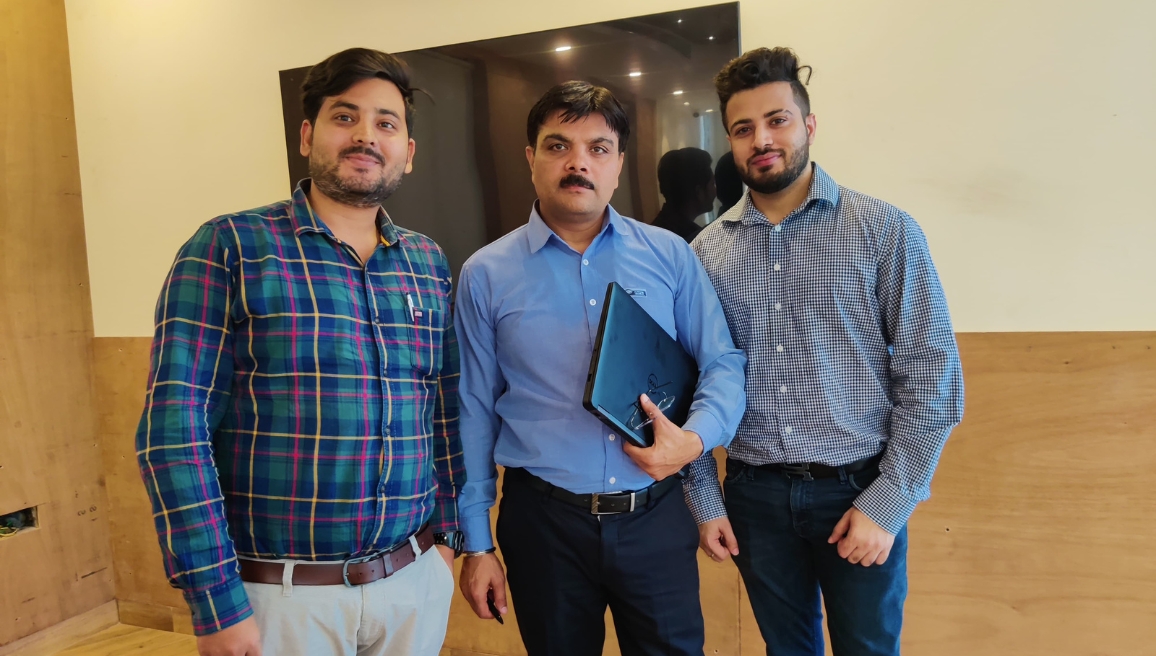
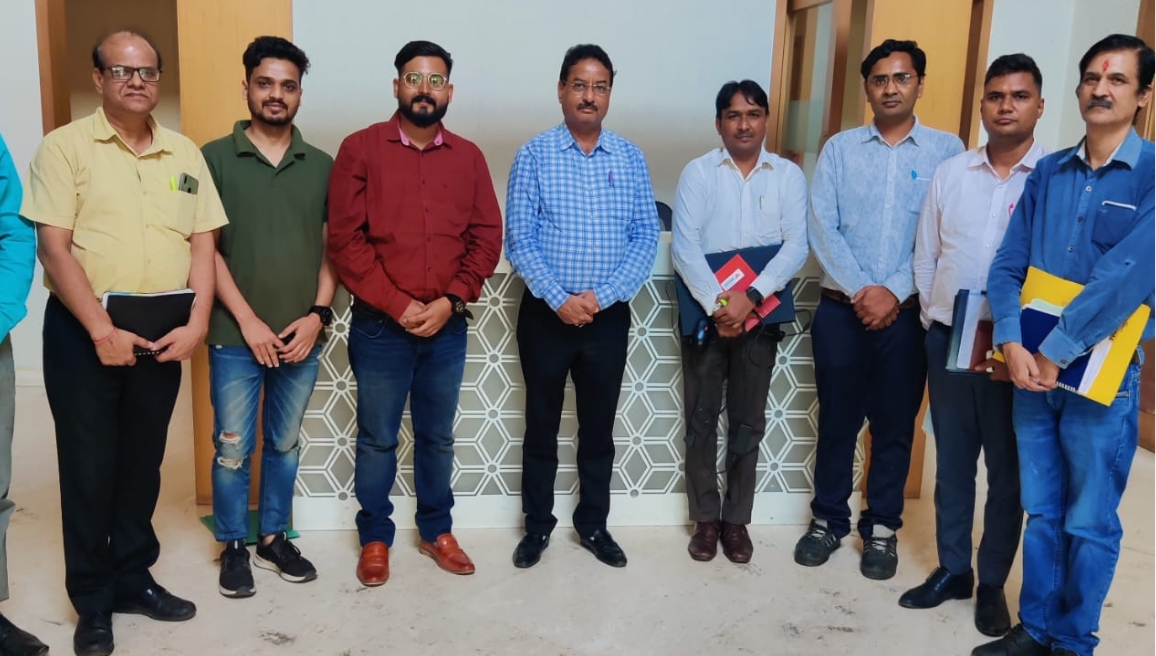
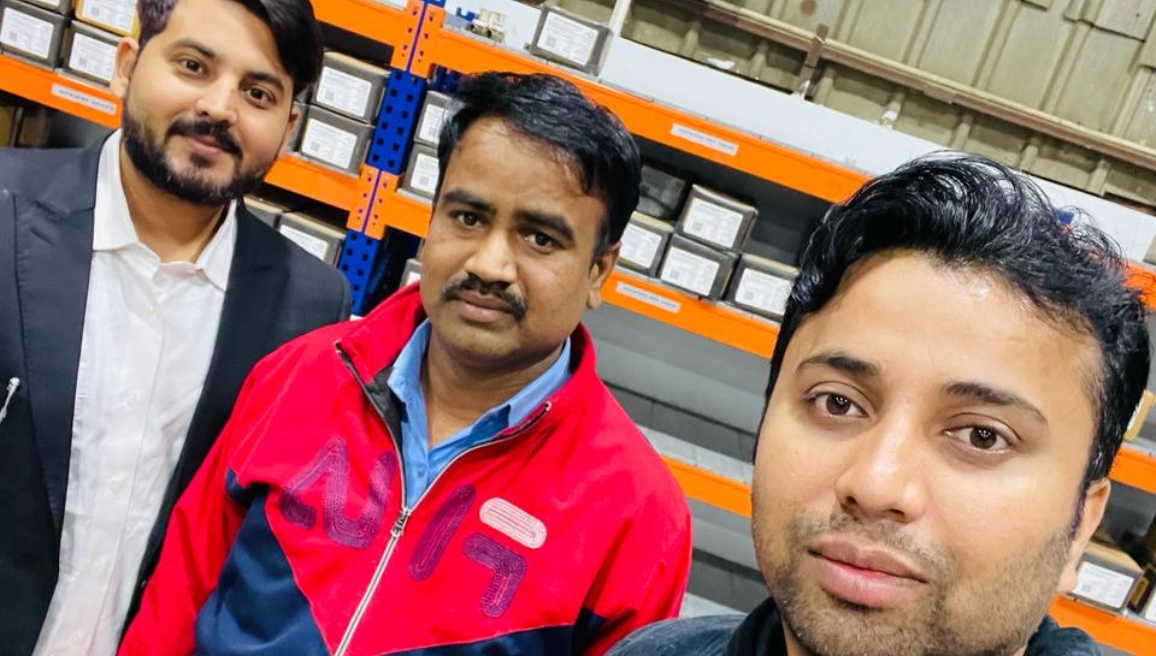
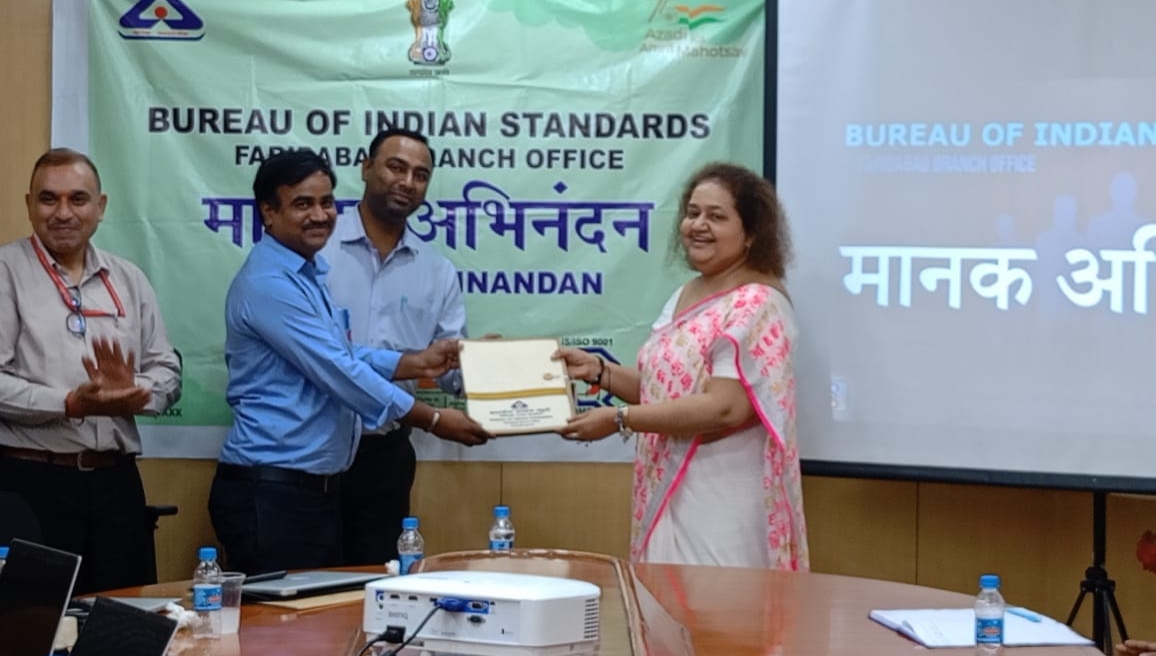
Real sites, real certifications
Our teams work inside factories and plants across India and abroad - inspections, audits and certification milestones spanning BIS, global schemes and the full compliance stack you see on this site.



What our clients say
Reviews and feedback from businesses that have worked with Diligence Certifications.










Related Family Law services
Legal Heir Certificate
Get your Legal Heir Certificate hassle-free.
View details →Succession Certificate
Succession Certificate in India - eligibility & process.
View details →Will Registration
Secure your will with professional registration.
View details →Mutual Divorce
Mutual divorce - process, requirements, documents.
View details →Divorce Notice
Draft a Divorce Notice in India - step-by-step.
View details →Divorce Settlement Agreement
Draft divorce settlement agreements - key terms.
View details →Ready to get Will Drafting?
Talk to our experts for a clear, fixed-scope plan - most clients get a roadmap the same day.