 BIS Certification
 CDSCO
CDSCO
 PESO
PESO
 CPCB
CPCB
 LMPC
LMPC
 WPC Approval
 Global Approvals
 TEC
TEC
 ARAI
ARAI
 BEE
BEE
 ISO Certification
 DGCA Certification
 NOC For Steel
 APEDA Registration























 Business Registration
 FSSAI Mark Certification












 (32).jpg)
 Legal Services
 Trademark Registration
 Copyright Registration
 Patent Registration
Copyright Objection
A copyright objection is raised when the Copyright Office finds a discrepancy in your application or a third party opposes...
Get expert consultation
Trusted by 25,000+ leading enterprises worldwide




Key takeaways
- A copyright objection is raised when the Copyright Office finds a discrepancy in your application or a third party opposes it under the Copyright Act, 1957.
- Objections fall into two types: an examination discrepancy raised by the Registrar, and a third-party objection filed by someone claiming a competing right.
- You normally have 30 days from the notice to file a written reply on the e-filing portal at copyright.gov.in.
- If the objection is not resolved on the papers, the Registrar fixes a hearing before deciding the matter.
- A well-drafted reply with supporting evidence is the single biggest factor in clearing an objection.
- Ignoring the notice can lead to the application being abandoned or refused.
What is a copyright objection?
A copyright objection is a formal communication from the Copyright Office, or a representation from a third party, questioning whether your work should be registered. Copyright in India is administered by the Registrar of Copyrights under the Copyright Act, 1957 and the Copyright Rules, 2013, and every application is examined before a registration entry is made in the Register of Copyrights.
During examination the office may spot a defect in the form, the documents or the claim itself, or a person who believes the registration would harm their rights may file an objection. In either case the application is put on hold until the objection is answered. It is not a rejection. It is an opportunity to clarify, correct and defend your claim before the Registrar takes a final decision.
Works that commonly face objections
- Literary works: books, manuscripts, software code
- Artistic works: logos, labels, illustrations, designs
- Musical works and sound recordings
- Cinematograph films and audio-visual content
- Dramatic works and choreography
- Website content and digital creative assets
The two kinds of copyright objection
Understanding which type you have received decides the whole strategy. The reply, the evidence and the forum differ for each.
| Type | What it means |
|---|---|
| Examination discrepancy | The Registrar raises a defect in the application, such as missing documents, an incomplete form or an unclear claim of ownership. |
| Third-party objection | An external party files a representation claiming the work copies their own, or disputing your authorship or ownership. |
| Aspect | How it is handled |
|---|---|
| Reply | A written response with clarifications and supporting evidence, filed online. |
| Hearing | If unresolved on the papers, the Registrar fixes a hearing for both sides. |
| Decision | The Registrar may register the work, ask for amendments, or refuse the application. |
Common grounds for an objection
Similarity to existing work
The work appears identical or deceptively similar to a work already on record.
Disputed ownership
The claim to authorship or ownership is unclear, or a no-objection from the author or employer is missing.
Incomplete documents
A required power of attorney, statement of particulars or copy of the work is missing or defective.
Wrong category or class
The work has been filed under the wrong class, such as artistic instead of literary.
Trademark overlap
A logo or label filed as an artistic work clashes with an existing or pending trademark.
Discrepancy in particulars
Names, dates of publication or the nature of the work do not match across the documents.
When you need an objection reply
If you have filed a copyright application and received a discrepancy letter, an examination report or a notice of a third-party objection from the Copyright Office, you must respond within the time allowed. The reply protects the application you have already invested in and keeps your priority date intact.
- Authors, artists and creators whose application has been put on hold
- Startups and brands registering logos, labels and packaging artwork
- Software companies and publishers protecting code and content
- Music labels, studios and producers registering recordings and films
- Anyone whose copyright registration is being opposed by a third party
The resolution process, step by step
The route depends on whether your objection is an examination discrepancy or a third-party objection. We handle both end to end on the copyright e-filing portal.
Examination discrepancy
Review the notice
We study the discrepancy letter and identify exactly what the Registrar wants corrected or clarified.
Draft the reply
We prepare a point-by-point written reply, attach the missing documents and address each objection.
File online
The reply is submitted through the copyright e-filing portal within the time allowed.
Hearing if needed
Where the Registrar fixes a hearing, we represent you and argue the matter.
Third-party objection
Analyse the claim
We examine the objector’s representation and compare it against your authorship and timeline.
Build the defence
We assemble evidence of original creation, ownership and prior use to rebut the claim.
File the counter
A reasoned counter-statement is filed with the Registrar within the prescribed period.
Attend the hearing
Both sides are heard, and we present your case before the Registrar decides.
Documents required
- Copy of the copyright objection or discrepancy notice
- The original application and acknowledgement (diary number)
- A copy of the work for which registration is sought
- Proof of authorship and date of creation or first publication
- No-objection certificate from the author or employer, where relevant
- Power of attorney authorising us to act on your behalf
- Any assignment, licence or employment agreement establishing ownership
- Supporting evidence to rebut a third-party claim, if applicable
Fees & timeline
- The reply must usually be filed within 30 days of the objection notice.
- Government fees follow the schedule in the Copyright Rules, 2013, and depend on the type of work.
- Professional fees depend on the complexity of the objection and whether a hearing is involved.
- Resolution timelines vary with the office workload and whether a hearing is fixed.
Protecting a brand asset too? See our Trademark Registration service.
Benefits of a strong objection reply
Protect your application
A timely, well-argued reply saves the application you have already filed and paid for.
Preserve your priority
Responding on time keeps your original filing date and the priority that comes with it.
Secure enforceable rights
A registered copyright is strong evidence of ownership in any future dispute.
Expert representation
Skilled drafting and advocacy give you the best chance of clearing the objection.
Avoid abandonment
Acting before the deadline prevents the application from being treated as abandoned.
Confident at hearings
If a hearing is fixed, you have an experienced team arguing your case before the Registrar.
Why choose us
Copyright objections are won on the quality of the reply and the evidence behind it. Our team combines intellectual-property expertise with hands-on experience of the Copyright Office to give your application the strongest possible defence.
- End-to-end handling from reviewing the notice to attending the hearing
- Precise, evidence-led drafting that answers every point raised
- On-time filing so you never lose the application to a missed deadline
- Clear communication with honest advice on the strengths of your case
- Transparent pricing with no hidden charges
Received a copyright objection?
Send us the notice and we will assess it, explain your options and draft a reply that protects your work, all before the deadline.
Copyright objections are dealt with by the Copyright Office, Government of India.
Frequently asked questions
What is a copyright objection?
It is a formal communication from the Copyright Office, or a representation from a third party, questioning whether your work should be registered. The application is held until you reply, but it is not a final rejection.
How long do I have to respond?
You normally have 30 days from the date of the objection notice to file a written reply on the copyright e-filing portal. Acting promptly is essential to avoid the application being treated as abandoned.
What is the difference between a discrepancy and a third-party objection?
A discrepancy is raised by the Registrar over a defect in your application, such as missing documents. A third-party objection is filed by an external party who claims a competing right or disputes your ownership.
Will there be a hearing?
If the objection cannot be resolved on the papers, the Registrar of Copyrights fixes a hearing where both sides present their case before a decision is taken.
What happens if I ignore the objection?
If you do not reply within the time allowed, the Copyright Office can treat the application as abandoned or refuse it, and you would have to start the process again.
Can you handle the entire process for me?
Yes. We review the notice, draft and file the reply, assemble supporting evidence and represent you at any hearing, managing the matter from start to finish.
Why choose Diligence Certification?
For compliance and credibility, Diligence is much more than a checklist - we give you real confidence in your business. We examine your legal, financial and operational status, so you are not just certified, but trusted.
Stronger risk protection
Spot hidden legal, financial or operational risks early - fix problems before they become threats.
Earn stakeholder trust
From investors to customers, people want to work with businesses that play by the rules.
Stay legally aligned
Compliant not just on products but on labour, environmental and tax laws too.
Enhance brand reputation
Show the world you operate with integrity and transparency.
Stand out from competitors
In a crowded market, credibility is your biggest edge.
24×7 expert support
A 100+ strong service team guiding you at every step, free first consultation.
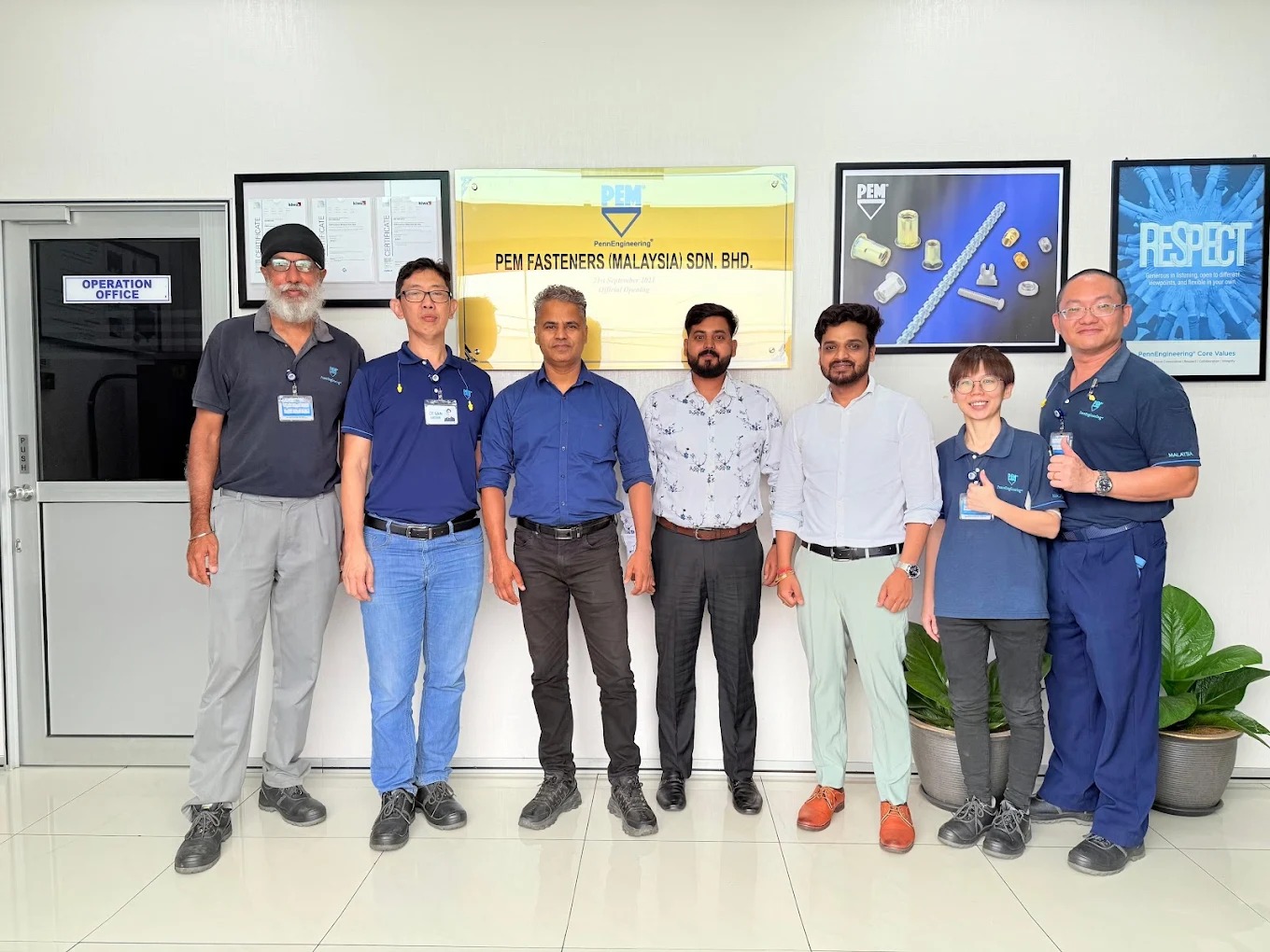
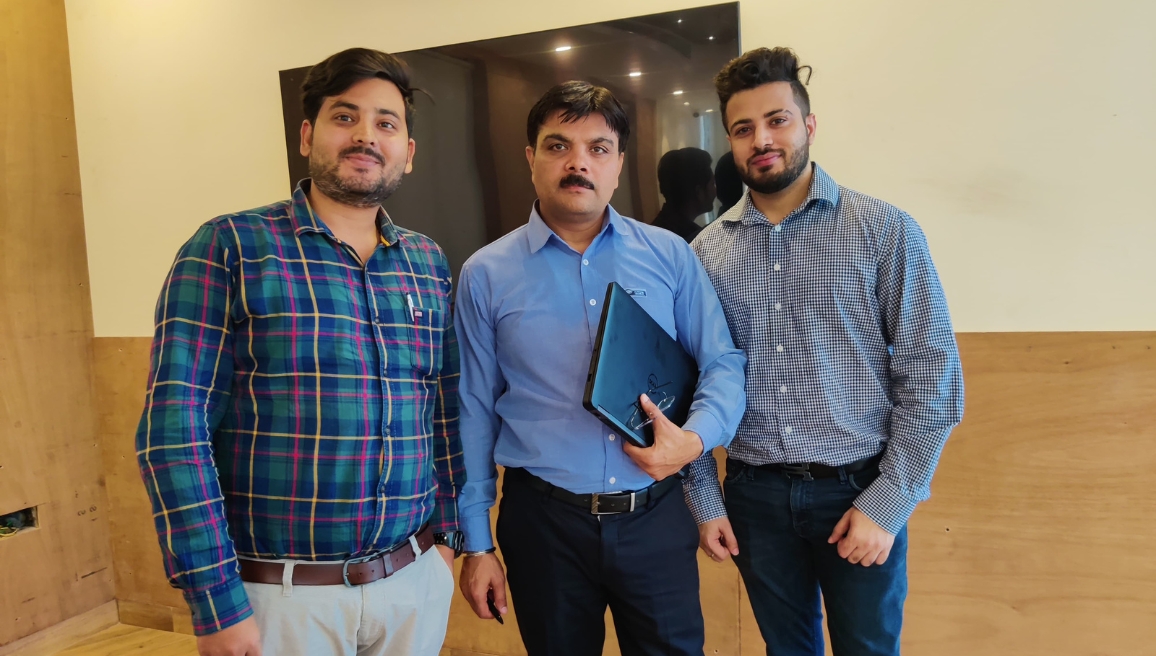
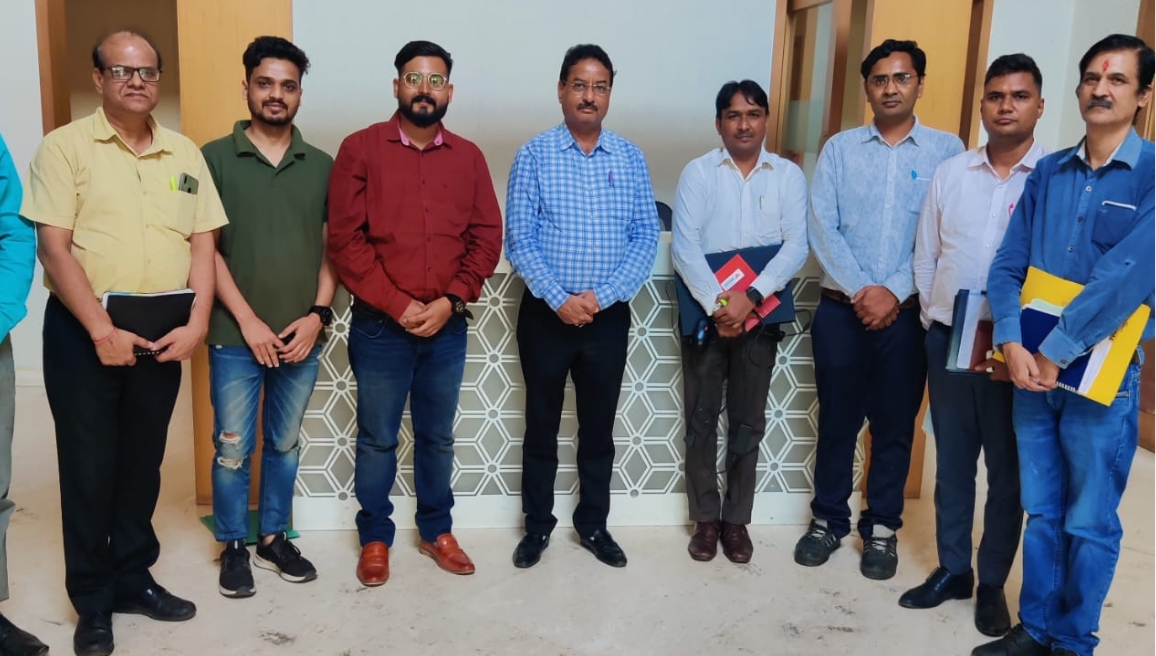
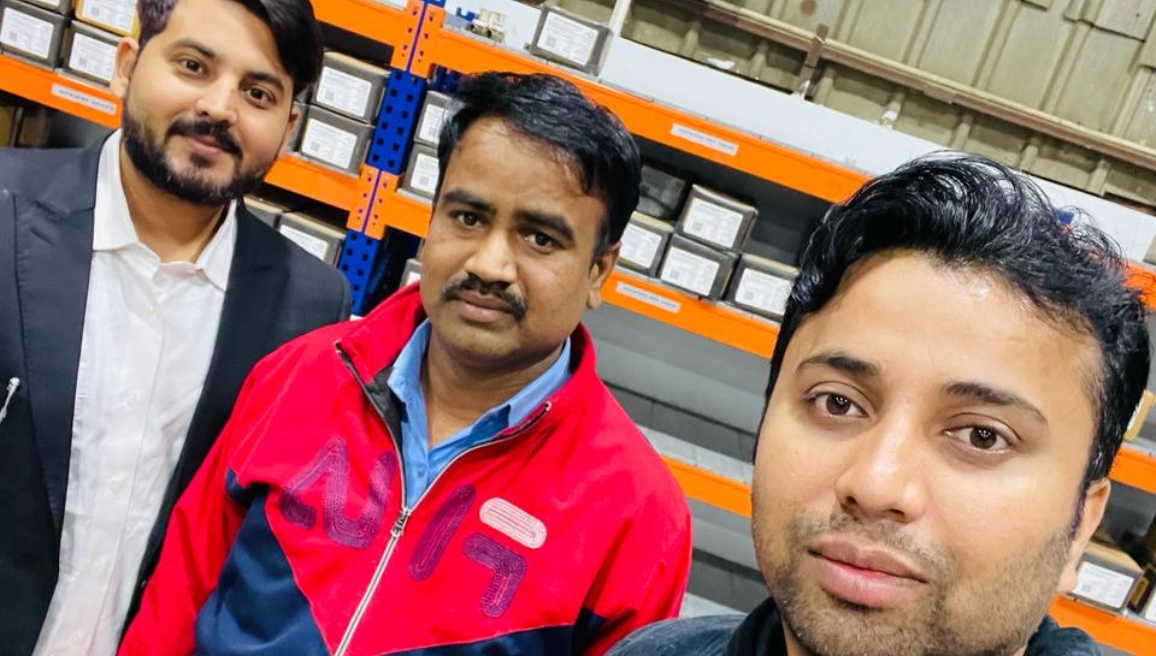
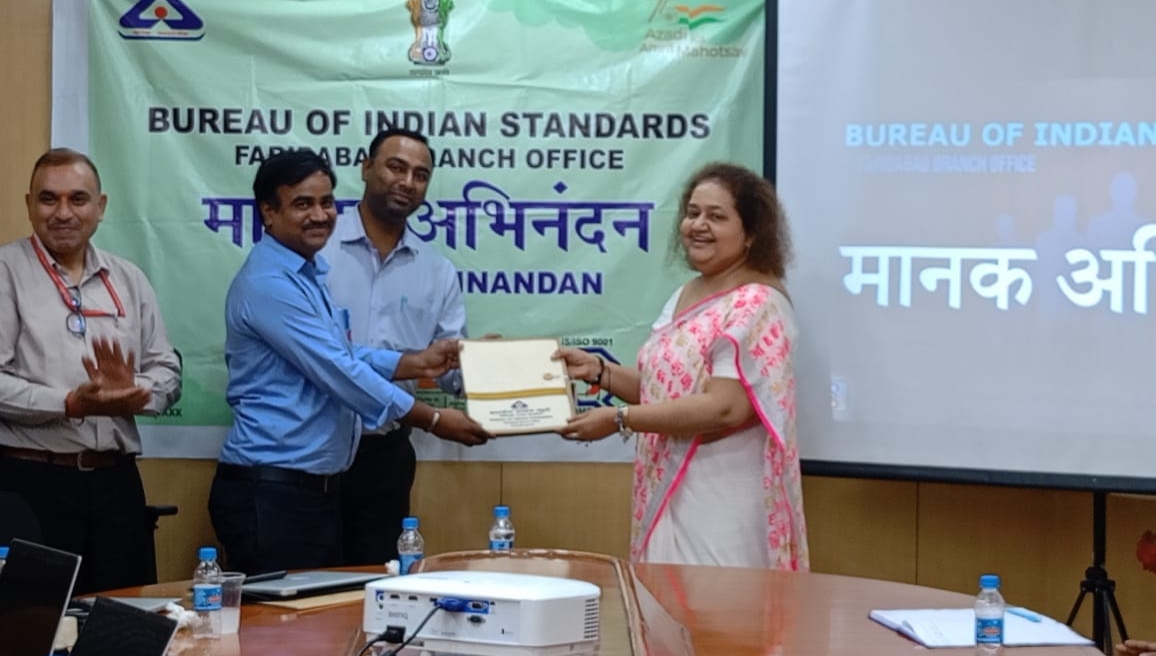
Real sites, real certifications
Our teams work inside factories and plants across India and abroad - inspections, audits and certification milestones spanning BIS, global schemes and the full compliance stack you see on this site.


What our clients say
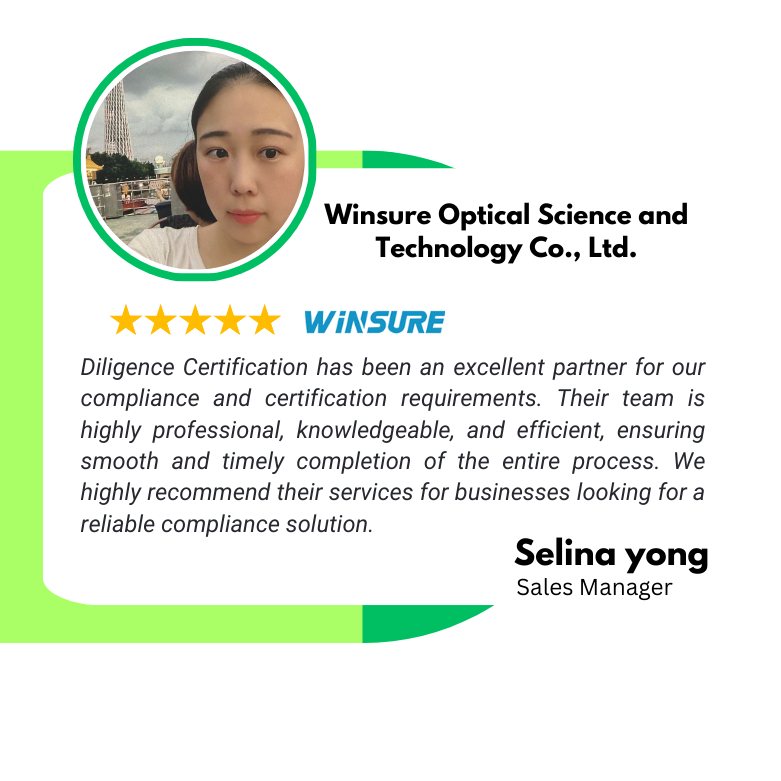
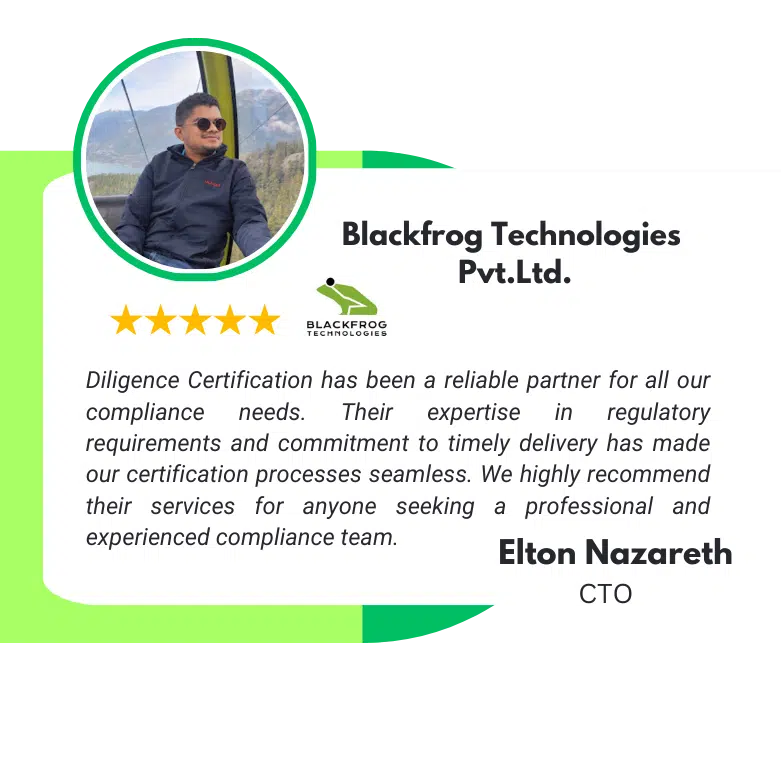
Reviews and feedback from businesses that have worked with Diligence Certifications.



Related IP & Licensing services
Trademark Registration
Protect your brand - trademark registration.
View details →PSARA License
Private Security Agency license under PSARA.
View details →Brand Name Registration
Register your brand name as a trademark under the Trade Marks Act, 1999.
View details →Copyright Assignment
A clear guide to Copyright Assignment under the Copyright Act, 1957: what it is, Sections.
View details →Copyright Licensing
A guide to copyright licensing in India under the Copyright Act, 1957: voluntary, compulsory.
View details →Copyright Registration
A complete guide to Copyright Registration in India: Copyright Act 1957, who needs it, process.
View details →Ready to get Copyright Objection?
Talk to our experts for a clear, fixed-scope plan - most clients get a roadmap the same day.