 BIS Certification
 CDSCO
CDSCO
 PESO
PESO
 CPCB
CPCB
 LMPC
LMPC
 WPC Approval
 Global Approvals
 TEC
TEC
 ARAI
ARAI
 BEE
BEE
 ISO Certification
 DGCA Certification
 NOC For Steel
 APEDA Registration























 Business Registration
 FSSAI Mark Certification












 (32).jpg)
 Legal Services
 Trademark Registration
 Copyright Registration
 Patent Registration
Patent Registration
Patent registration secures your exclusive right over a new invention in India under the Patents Act, 1970. We handle patentability...
Get expert consultation
Trusted by 25,000+ leading enterprises worldwide













Key takeaways
- A patent is an exclusive right granted for a new, inventive and industrially applicable invention under the Patents Act, 1970.
- It is granted by the Indian Patent Office (CGPDTM), with branches at Delhi, Mumbai, Chennai and Kolkata.
- Applications are filed online through the IPO e-filing portal.
- A patent is valid for 20 years from the date of filing, subject to annual renewal fees.
- Examination is not automatic, a Request for Examination (RFE) must be filed within 31 months.
- Startups, small entities and educational institutions enjoy reduced official fees and expedited examination.
What is patent registration?
Patent registration is the legal process of obtaining an exclusive, time-bound monopoly over an invention. Once granted, a patent gives the holder the right to prevent others from making, using, selling or importing the patented invention in India without consent, for the term of the patent.
Patents are granted by the Indian Patent Office under the Patents Act, 1970 and the Patents Rules, 2003. An invention qualifies only if it is genuinely new (novel), involves an inventive step that is not obvious to a person skilled in the field, and is capable of industrial application.
Three tests every invention must pass
- Novelty: the invention has not been disclosed anywhere in the world before the filing date
- Inventive step: a technical advance or economic significance that is not obvious
- Industrial application: the invention can be made or used in an industry
- Patentable subject matter: it does not fall under the exclusions in Sections 3 and 4
Who can apply and what cannot be patented
An application may be filed by the true and first inventor, an assignee, or a legal representative of a deceased inventor. Some subject matter, however, is expressly excluded from patentability under Sections 3 and 4 of the Act.
| Who can apply | Basis |
|---|---|
| True and first inventor | The person who actually devised the invention |
| Assignee | A person or company to whom the right has been assigned |
| Legal representative | Of a deceased person entitled to apply |
| Not patentable | Examples |
|---|---|
| Mere discoveries | A scientific principle or naturally occurring substance |
| Abstract methods | Mathematical methods, business methods, algorithms |
| Contrary to public order | Inventions harmful to public health or morality |
| Agriculture & atomic energy | Methods of agriculture and inventions under Section 4 |
The registration process, step by step
Patent registration is a structured, multi-stage process before the Indian Patent Office. We manage every stage so you never miss a statutory deadline.
Search and filing
Patentability search
We run a prior-art search to confirm the invention is novel and worth pursuing.
Draft the specification
We prepare the provisional or complete specification with claims, description and drawings.
File the application
The application is filed on the IPO e-filing portal in the prescribed form with the specification.
Publication
The application is published in the official journal, ordinarily 18 months after filing.
Examination and grant
Request for examination
An RFE is filed within 31 months so the application is taken up for examination.
Respond to objections
We answer the First Examination Report (FER) and any hearing requirements.
Grant
Once objections are cleared, the patent is granted and entered in the register.
Renewal
Annual renewal fees keep the patent in force for its full 20-year term.
Provisional vs complete specification
India lets you secure an early priority date with a provisional application while you continue to develop the invention, or file directly with a complete specification when the invention is fully ready.
Provisional application
- Locks in an early priority date
- Useful when the invention is still being refined
- A complete specification must follow within 12 months
- Lower upfront effort and cost
Complete specification
- Filed when the invention is fully developed
- Contains the full description, claims and drawings
- Defines the scope of the legal protection sought
- Can be filed directly without a provisional
Documents required
- Application for grant of patent (Form 1)
- Provisional or complete specification (Form 2)
- Statement and undertaking on foreign filings (Form 3)
- Declaration of inventorship (Form 5, with a complete specification)
- Drawings, diagrams or flowcharts of the invention, where applicable
- Proof of right to file, where the applicant is not the inventor
- Power of authority (Form 26) for the patent agent
- Form 28 for startup or small-entity status, to claim reduced fees
Validity & renewal
- A patent is valid for 20 years from the date of filing.
- Renewal fees are payable annually from the third year to keep it in force.
- The term cannot be extended beyond 20 years under the current law.
- On expiry, the invention falls into the public domain for anyone to use.
Protecting other intellectual property? See our Trademark Registration and Copyright Registration services.
Fees & timeline
Official fees depend on the applicant category, the natural person or startup and small entity, or a large entity, and on the number of claims and pages. Professional charges cover the search, drafting and prosecution work.
| Cost factor | Details |
|---|---|
| Filing fee | Government fee on filing, lower for individuals, startups and small entities |
| Request for examination | Separate official fee, payable within 31 months |
| Excess claims and pages | Additional fee beyond the prescribed limits |
| Professional charges | Patentability search, drafting and prosecution |
| Renewal fees | Payable annually from the third year of the term |
An ordinary patent often takes a few years from filing to grant. Startups and small entities can opt for expedited examination, which can shorten the timeline considerably.
Not sure if your idea is patentable?
Tell us about your invention and we will run a patentability search and map the exact route, documents and fees for your case.
Benefits of patent registration
Exclusive rights
Stop others from making, using or selling your invention without permission for 20 years.
Monetise the IP
License, assign or sell the patent to create a steady revenue stream.
Market advantage
A protected invention gives you a clear edge over competitors.
Investor confidence
A patent portfolio strengthens valuation and appeals to investors.
Legal recourse
Take enforcement action against infringers in court.
Global springboard
An Indian filing supports a PCT route into protection across other countries.
Your patent partner from idea to grant
Patent prosecution is technical and deadline-driven, a missed RFE or a weak claim set can cost you the protection entirely. Our patent professionals combine technical understanding with drafting craft to give your invention the strongest, broadest protection the law allows.
- Thorough prior-art and patentability searches before you spend on filing
- Carefully drafted specifications and claims that maximise scope
- End-to-end prosecution, from filing through FER responses to grant
- Proactive docketing so renewal and examination deadlines are never missed
- Guidance on startup and small-entity fee concessions and expedited examination
- Support for international protection through the PCT route
Patents in India are granted by Intellectual Property India.
Frequently asked questions
What can be patented in India?
Any invention that is new, involves an inventive step and is capable of industrial application can be patented, provided it does not fall under the exclusions listed in Sections 3 and 4 of the Patents Act, 1970.
Who grants patents in India?
Patents are granted by the Indian Patent Office, under the Controller General of Patents, Designs and Trade Marks (CGPDTM), through its branches at Delhi, Mumbai, Chennai and Kolkata.
How long is a patent valid?
A patent is valid for 20 years from the date of filing, subject to payment of annual renewal fees. It cannot be extended beyond this term under the current law.
What is a Request for Examination?
Examination is not automatic in India. You must file a Request for Examination (RFE) within 31 months of the priority or filing date, otherwise the application is treated as withdrawn.
What is the difference between a provisional and a complete specification?
A provisional specification secures an early priority date while the invention is still being developed, and must be followed by a complete specification within 12 months. A complete specification contains the full description and claims and can be filed directly.
Do startups get any benefit in patent filing?
Yes. Startups, small entities and individuals pay reduced official fees and can opt for expedited examination, which can significantly shorten the time to grant.
Why choose Diligence Certification?
For compliance and credibility, Diligence is much more than a checklist - we give you real confidence in your business. We examine your legal, financial and operational status, so you are not just certified, but trusted.
Stronger risk protection
Spot hidden legal, financial or operational risks early - fix problems before they become threats.
Earn stakeholder trust
From investors to customers, people want to work with businesses that play by the rules.
Stay legally aligned
Compliant not just on products but on labour, environmental and tax laws too.
Enhance brand reputation
Show the world you operate with integrity and transparency.
Stand out from competitors
In a crowded market, credibility is your biggest edge.
24×7 expert support
A 100+ strong service team guiding you at every step, free first consultation.
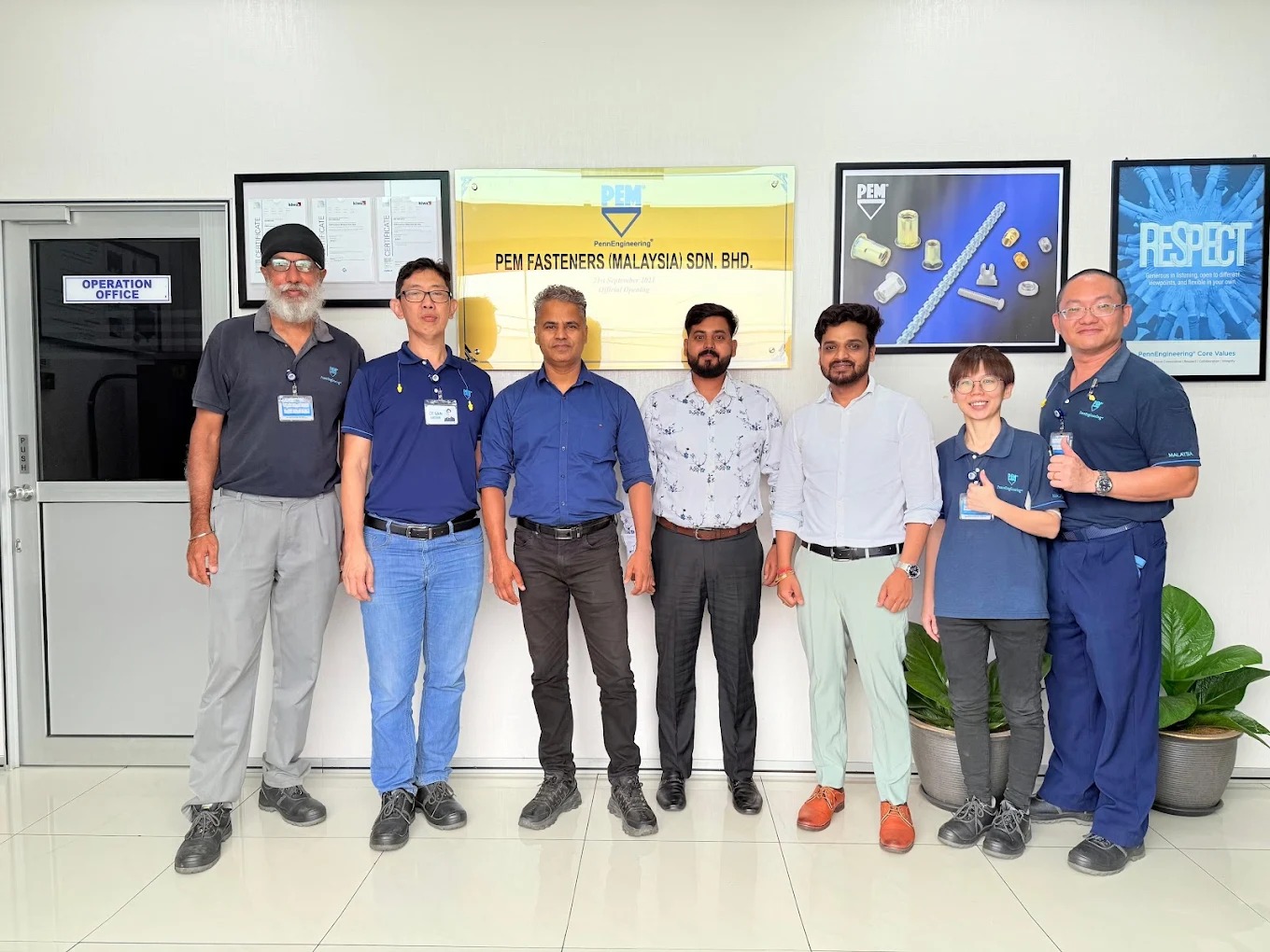
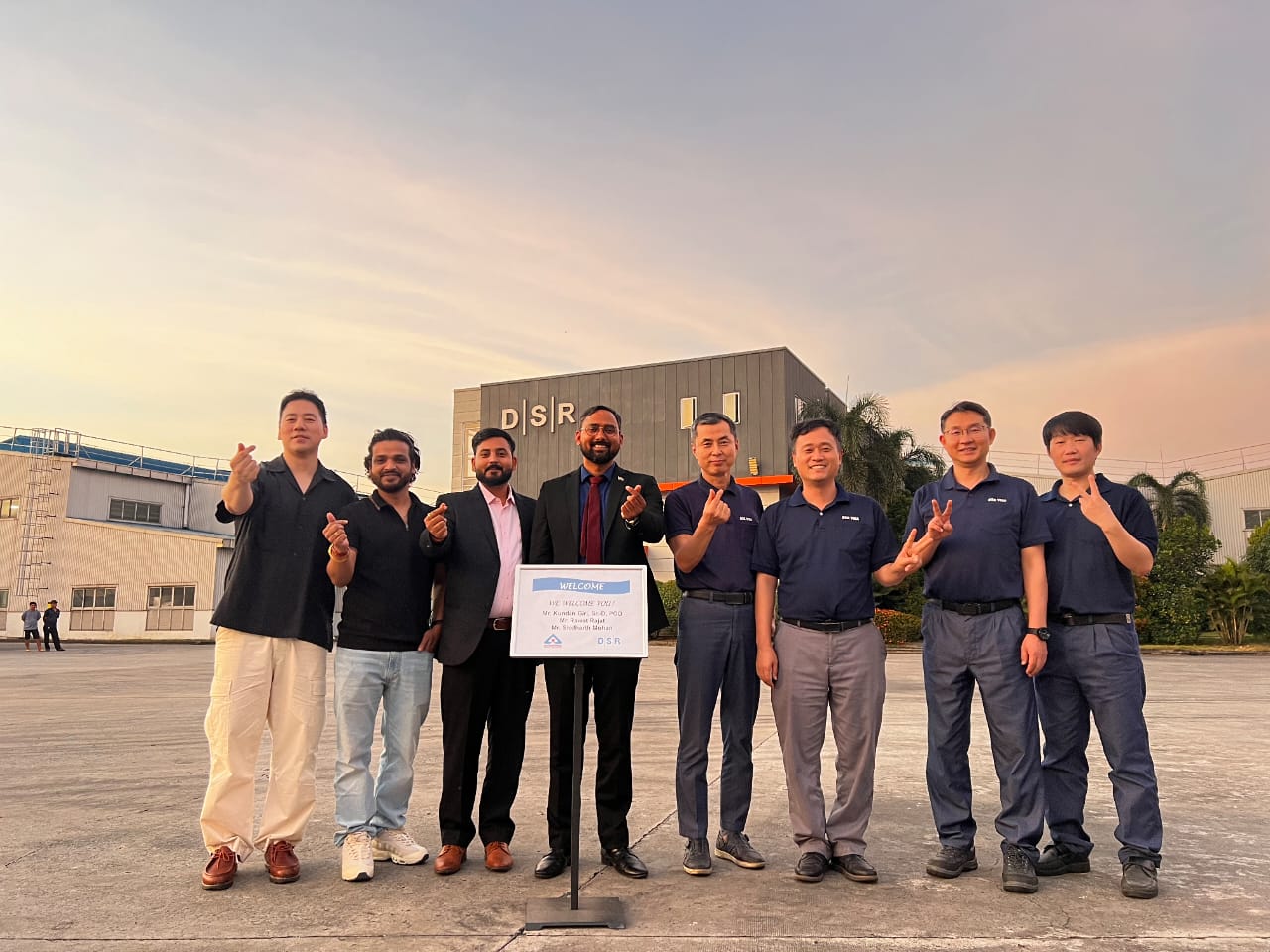
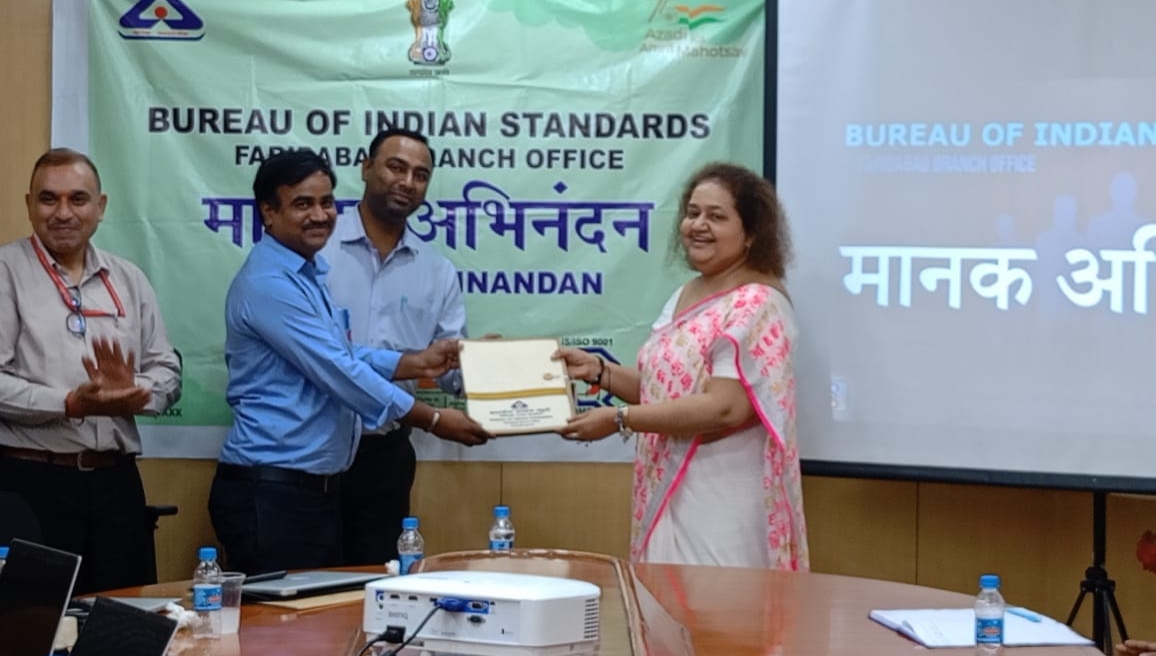
Real sites, real certifications
Our teams work inside factories and plants across India and abroad - inspections, audits and certification milestones spanning BIS, global schemes and the full compliance stack you see on this site.


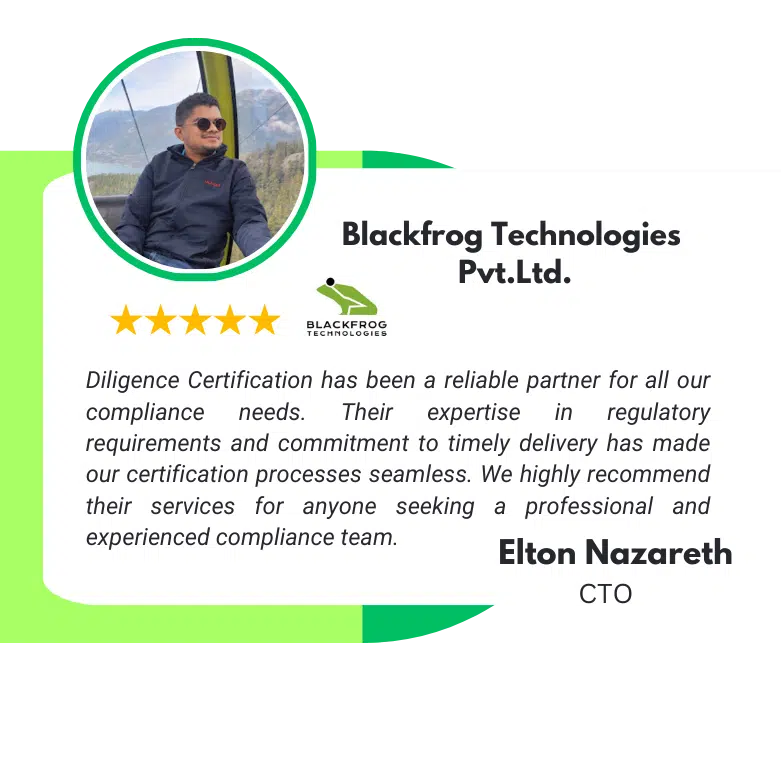
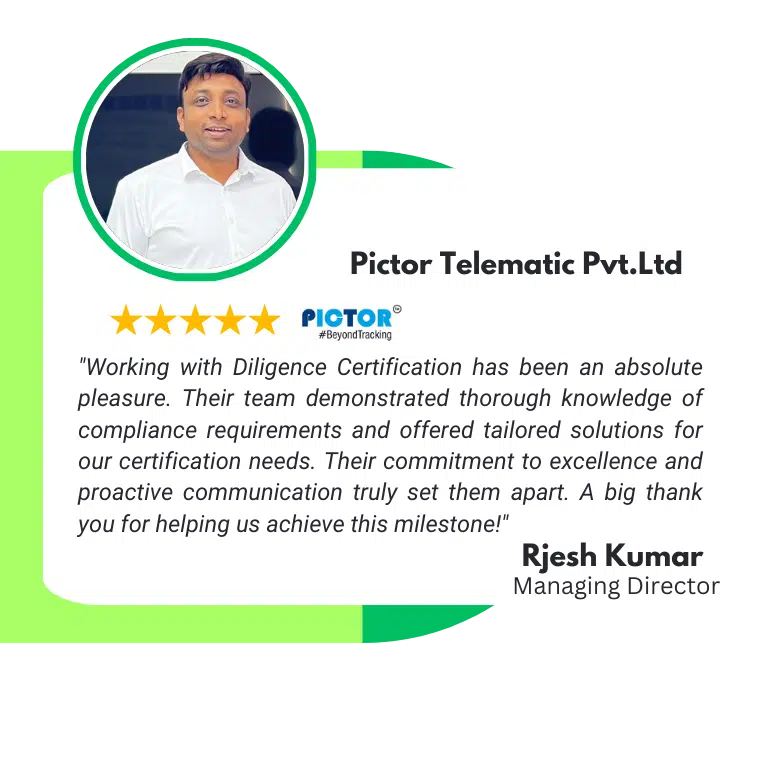
What our clients say
Reviews and feedback from businesses that have worked with Diligence Certifications.








Related IP & Licensing services
Trademark Registration
Protect your brand - trademark registration.
View details →PSARA License
Private Security Agency license under PSARA.
View details →Brand Name Registration
Register your brand name as a trademark under the Trade Marks Act, 1999.
View details →Copyright Assignment
A clear guide to Copyright Assignment under the Copyright Act, 1957: what it is, Sections.
View details →Copyright Licensing
A guide to copyright licensing in India under the Copyright Act, 1957: voluntary, compulsory.
View details →Copyright Objection
Received a copyright objection or discrepancy notice?
View details →Ready to get Patent Registration?
Talk to our experts for a clear, fixed-scope plan - most clients get a roadmap the same day.