 BIS Certification
 CDSCO
CDSCO
 PESO
PESO
 CPCB
CPCB
 LMPC
LMPC
 WPC Approval
 Global Approvals
 TEC
TEC
 ARAI
ARAI
 BEE
BEE
 ISO Certification
 DGCA Certification
 NOC For Steel
 APEDA Registration























 Business Registration
 FSSAI Mark Certification












 (32).jpg)
 Legal Services
 Trademark Registration
 Copyright Registration
 Patent Registration
Trademark Assignment
Trademark assignment is the legal transfer of ownership of a registered or applied-for trademark from one party to another under...
Get expert consultation
Trusted by 25,000+ leading enterprises worldwide













Key takeaways
- A trademark assignment is the transfer of ownership of a trademark from the assignor to the assignee under the Trade Marks Act, 1999.
- It can be made with or without the goodwill of the business, and may be complete or partial.
- The transfer is effected through a written, stamped assignment deed signed by both parties.
- The change must be recorded with the Trade Marks Registry by filing Form TM-P.
- Applications are filed online through the IP India (CGPDTM) e-filing portal.
- An assignment without goodwill requires advertisement and the Registrar’s direction before it can be recorded.
- Once recorded, the assignee becomes the registered proprietor with full rights over the mark.
What is a trademark assignment?
A trademark assignment is the legal transfer of the ownership of a trademark, or the rights attached to it, from its current owner (the assignor) to another person or entity (the assignee). It applies to both registered trademarks and pending applications, and is governed by the Trade Marks Act, 1999 and the Trade Marks Rules, 2017.
Unlike a licence, which only grants permission to use a mark for a limited time, an assignment permanently transfers ownership. To be valid, the transfer must be in writing through an assignment deed, and the change of proprietorship should be recorded with the Trade Marks Registry so the public register reflects the new owner.
When a trademark assignment is used
- Sale or acquisition of a brand or product line
- Mergers, demergers and business restructuring
- Transfer of a mark to a group or holding company
- Transfer between partners, family members or franchisees
- Monetising an unused or dormant trademark
- Settlement of disputes over brand ownership
Categories of trademark assignment
The Trade Marks Act recognises different forms of assignment depending on whether the underlying business goodwill moves with the mark and how much of the mark is transferred.
| Type | What it means |
|---|---|
| Complete assignment | All rights in the trademark, including the right to further transfer, royalties and earnings, pass to the assignee. |
| Partial assignment | Ownership is transferred only for specific goods or services, while the assignor retains the rest. |
| Assignment with goodwill | The mark is transferred along with the goodwill of the business, letting the assignee use it for the same goods or services. |
| Assignment without goodwill | Only the mark is transferred, restricted from the goods or services already in use by the assignor. |
| Concept | Detail |
|---|---|
| Assignor | The existing owner who transfers the trademark. |
| Assignee | The person or entity that receives ownership of the mark. |
| Assignment deed | The written, stamped contract that records the terms of the transfer. |
| Form TM-P | The Registry form used to record the change of proprietorship. |
Assignment vs licensing
Both let another party benefit from a trademark, but they are fundamentally different in what passes to the other side.
- Ownership: assignment transfers ownership permanently; a licence only grants permission to use.
- Duration: an assignment is final, whereas a licence runs for an agreed term.
- Control: after assignment the assignor loses control; under a licence the owner retains control and quality oversight.
- Recording: assignment is recorded as a change of proprietor; a licence can be recorded as a registered user.
Who needs a trademark assignment
Any owner who wishes to transfer rights in a trademark, and any party acquiring those rights, should formalise the transfer through an assignment deed and record it with the Registry. Recording the change protects the assignee’s title and keeps the public register accurate.
Common situations
- Business sale: a buyer acquiring a brand along with the business.
- Restructuring: moving marks between group or holding companies.
- Investment or M&A: consolidating intellectual property under one entity.
- Succession: transferring a family-owned brand to successors.
- Monetisation: selling a mark that is no longer in active use.
The assignment process, step by step
The transfer is recorded online through the IP India e-filing portal. The path differs slightly depending on whether the assignment carries the goodwill of the business.
Standard assignment
Draft the deed
Prepare an assignment deed setting out the parties, the mark, the consideration and whether goodwill is included.
Execute and stamp
Both parties sign the deed, which is stamped as per the applicable state stamp duty.
File Form TM-P
File Form TM-P online with the deed to request recording of the change of proprietorship.
Registry review
The Registrar examines the application and supporting documents for completeness.
Record and update
The change is recorded and the assignee is entered as the registered proprietor.
Assignment without goodwill
Seek direction
Apply to the Registrar for directions on advertising the proposed assignment, as required for transfers without goodwill.
Advertise
Advertise the assignment in the manner and within the time the Registrar directs.
File the application
File Form TM-P with the deed and proof of advertisement and direction.
Record
Once satisfied, the Registrar records the change of proprietorship.
Documents required
- Duly executed and stamped assignment deed
- Trademark registration certificate or application details
- Trademark number, class and details of the mark
- Identity and address proof of the assignor and assignee
- No-objection certificate from the assignor, where applicable
- Power of attorney (Form TM-M / TM-48) authorising the agent
- For assignment without goodwill: the Registrar’s direction and proof of advertisement
Recording & timeline
- An application to record an assignment should generally be filed within 6 months of acquiring the title, with extensions possible on payment of additional fees.
- Processing usually takes a few weeks to a few months, depending on Registry workload and objections.
- The trademark’s own validity remains 10 years from registration and is unaffected by the change of owner.
- Once recorded, the assignee holds full rights and can renew, license or further assign the mark.
Related services: Trademark Registration, Logo Registration and Copyright Assignment.
Cost factors
The overall cost depends on the type of assignment, the value of the deal and the state in which the deed is stamped. The typical components are:
| Cost factor | Details |
|---|---|
| Government fee | Statutory fee payable on Form TM-P for recording the change of proprietorship. |
| Stamp duty | Levied on the assignment deed as per the applicable state schedule, often linked to the consideration. |
| Professional fee | Drafting the deed, advising on goodwill and managing the Registry filing. |
| Advertisement cost | Applies where the assignment is without goodwill and must be advertised on the Registrar’s direction. |
Transferring a brand?
Tell us whether the assignment is with or without goodwill and we will draft a watertight deed and record the change with the Registry for you.
Benefits of recording an assignment
Clear legal title
The assignee becomes the registered proprietor, with rights enforceable against third parties.
Brand monetisation
Owners can realise the value of a mark by selling it outright instead of leaving it idle.
Smooth deals
A recorded assignment supports clean due diligence in acquisitions, mergers and investment.
Accurate register
The public register reflects the true owner, avoiding confusion and ownership disputes.
Full control
The new owner can renew, license or further assign the mark without restriction.
Dispute prevention
A written, recorded transfer reduces the risk of future challenges to ownership.
Your trademark transfer partner
Assignments fail most often on a poorly drafted deed or an incomplete Registry filing. We handle both, so your title is clean and properly recorded.
- Deeds drafted by experienced IP professionals, tailored to with- or without-goodwill transfers
- Guidance on stamp duty and correct execution to keep the deed valid
- End-to-end Form TM-P filing on the IP India portal and follow-up with the Registry
- Handling of advertisement and Registrar directions for assignments without goodwill
- Verification of the existing registration, class and status before transfer
- Transparent timelines and a single point of contact throughout
Trade mark assignments are recorded by Intellectual Property India.
Frequently asked questions
What is a trademark assignment?
A trademark assignment is the legal transfer of ownership of a trademark from one party (the assignor) to another (the assignee) under the Trade Marks Act, 1999. It applies to both registered marks and pending applications and is made through a written assignment deed.
What is the difference between an assignment with and without goodwill?
An assignment with goodwill transfers the mark together with the business goodwill, allowing the assignee to use it for the same goods or services. An assignment without goodwill transfers only the mark, restricted from the goods or services already in use by the assignor, and must be advertised on the Registrar’s direction before it is recorded.
How is a trademark assignment recorded in India?
The parties execute a stamped assignment deed and file Form TM-P online through the IP India (CGPDTM) e-filing portal, requesting that the Trade Marks Registry record the change of proprietorship. Once recorded, the assignee is entered as the registered proprietor.
Can a trademark application that is still pending be assigned?
Yes. Rights in a pending trademark application can be assigned in the same way as a registered mark, with the change of applicant recorded with the Registry.
Is stamp duty payable on a trademark assignment deed?
Yes. The assignment deed attracts stamp duty as per the applicable state schedule, often linked to the consideration. Proper stamping is essential for the deed to be valid and admissible.
How is an assignment different from a trademark licence?
An assignment permanently transfers ownership of the mark to the assignee, whereas a licence only grants permission to use the mark for an agreed period while the owner retains ownership and control.
Why choose Diligence Certification?
For compliance and credibility, Diligence is much more than a checklist - we give you real confidence in your business. We examine your legal, financial and operational status, so you are not just certified, but trusted.
Stronger risk protection
Spot hidden legal, financial or operational risks early - fix problems before they become threats.
Earn stakeholder trust
From investors to customers, people want to work with businesses that play by the rules.
Stay legally aligned
Compliant not just on products but on labour, environmental and tax laws too.
Enhance brand reputation
Show the world you operate with integrity and transparency.
Stand out from competitors
In a crowded market, credibility is your biggest edge.
24×7 expert support
A 100+ strong service team guiding you at every step, free first consultation.
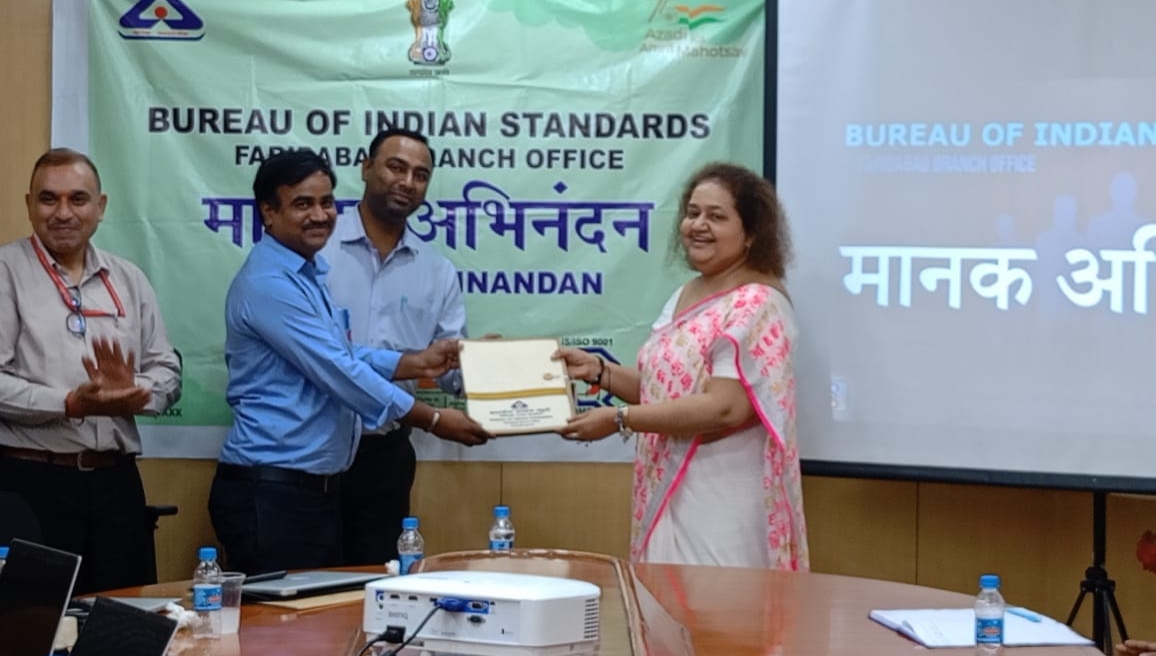
Real sites, real certifications
Our teams work inside factories and plants across India and abroad - inspections, audits and certification milestones spanning BIS, global schemes and the full compliance stack you see on this site.






What our clients say
Reviews and feedback from businesses that have worked with Diligence Certifications.










Related IP & Licensing services
Trademark Registration
Protect your brand - trademark registration.
View details →PSARA License
Private Security Agency license under PSARA.
View details →Brand Name Registration
Register your brand name as a trademark under the Trade Marks Act, 1999.
View details →Copyright Assignment
A clear guide to Copyright Assignment under the Copyright Act, 1957: what it is, Sections.
View details →Copyright Licensing
A guide to copyright licensing in India under the Copyright Act, 1957: voluntary, compulsory.
View details →Copyright Objection
Received a copyright objection or discrepancy notice?
View details →Ready to get Trademark Assignment?
Talk to our experts for a clear, fixed-scope plan - most clients get a roadmap the same day.