 BIS Certification
 CDSCO
CDSCO
 PESO
PESO
 CPCB
CPCB
 LMPC
LMPC
 WPC Approval
 Global Approvals
 TEC
TEC
 ARAI
ARAI
 BEE
BEE
 ISO Certification
 DGCA Certification
 NOC For Steel
 APEDA Registration























 Business Registration
 FSSAI Mark Certification












 (32).jpg)
 Legal Services
 Trademark Registration
 Copyright Registration
 Patent Registration
Recognized Packhouses
APEDA recognition of a packhouse is the approval that lets exporters pack, treat and certify fresh fruits and vegetables for...
Get expert consultation
Trusted by 25,000+ leading enterprises worldwide












Key takeaways
- A recognised packhouse is a facility approved by APEDA to pack, grade and treat fresh fruits and vegetables for export.
- Recognition is essential for exporting to markets with strict phytosanitary rules, especially the European Union.
- APEDA functions under the Ministry of Commerce & Industry and operates under the APEDA Act, 1985.
- The facility must meet defined standards for layout, hygiene, pest control and traceability before inspection.
- A recognised packhouse links directly to phytosanitary certification issued by the NPPO of India.
- Recognition supports traceability from farm to consignment, a core buyer and regulatory requirement.
- The recognition is granted for a defined period and must be renewed to keep export operations running.
What is a recognised packhouse?
A recognised packhouse is a dedicated facility, approved by the Agricultural and Processed Food Products Export Development Authority (APEDA), where fresh fruits and vegetables are received, washed, graded, treated and packed for export. Recognition confirms that the facility meets the hygiene, infrastructure and traceability standards expected by importing countries.
For high-value horticulture exports, particularly to the European Union, consignments must pass through a recognised packhouse and be backed by a phytosanitary certificate. Recognition is therefore the gateway that turns a packing unit into an export-ready facility trusted by buyers and accepted by foreign plant-protection authorities.
Produce handled through recognised packhouses
- Grapes, pomegranates and mangoes
- Bananas, citrus and other fresh fruits
- Okra, chillies and green vegetables
- Onions, potatoes and root vegetables
- Curry leaves and fresh culinary herbs
- Other notified fresh horticultural produce
Who needs a recognised packhouse
Recognition is for any business that prepares fresh fruits and vegetables for export and must satisfy the importing country’s plant-health and traceability rules.
| Who applies | Why |
|---|---|
| Exporters of fresh produce | Required to pack and certify consignments for the EU and other regulated markets. |
| Farmer producer organisations | To aggregate, pack and export members’ produce under a recognised facility. |
| Packing and logistics units | To offer recognised packing services to multiple exporters. |
| Linked requirement | Purpose |
|---|---|
| APEDA registration (RCMC) | Establishes the exporter’s standing with APEDA. |
| Phytosanitary certificate | Issued by the NPPO confirming the consignment is pest-free. |
| Traceability system | Tracks produce from registered farm to packed consignment. |
New to exports? Start with our APEDA Registration and APEDA RCMC Certificate services.
Facility standards a packhouse must meet
Before APEDA recognition is granted, the facility is assessed against infrastructure, hygiene and process standards designed to protect produce quality and plant health.
Dedicated layout
Separate areas for receiving, washing, grading, treatment and packing to prevent cross-contamination.
Hygiene controls
Washable surfaces, clean water supply, waste management and staff hygiene protocols.
Pest management
Insect-proofing, monitoring and approved treatment to keep consignments pest-free.
Cold chain
Pre-cooling and cold storage to maintain freshness through the export journey.
Traceability
Records linking each lot to registered farms, with lot coding and documentation.
Trained staff
Personnel trained in food safety, handling and packing standards.
Why recognition is essential
Importing countries with strict plant-health regimes will not accept fresh produce unless it has been packed in a facility their authorities trust and certified as pest-free. APEDA recognition, together with phytosanitary certification by the National Plant Protection Organization (NPPO) of India, is what makes a consignment eligible for these markets.
What you risk without a recognised packhouse
- Rejected consignments at the port of entry abroad.
- Lost contracts with buyers who insist on recognised packing.
- No phytosanitary certificate for regulated destinations.
- Reputational damage from interceptions and non-compliance notices.
The recognition process, step by step
Recognition is coordinated through APEDA, with the facility assessed against the prescribed standards before approval.
Prepare the facility
Design and build
Set up the packhouse with the required zones, hygiene infrastructure and cold-chain equipment.
Put systems in place
Establish traceability records, pest-control measures and standard operating procedures.
Compile documents
Assemble layout plans, ownership and registration papers and process records.
Apply and get recognised
Submit application
Apply to APEDA with facility details and supporting documents.
Inspection
APEDA, with the plant-protection authority, inspects the facility against the standards.
Recognition granted
On a satisfactory assessment, the packhouse is recognised for export operations.
Documents required
- Constitution documents of the firm or company
- Identity and address proof of the applicant
- Proof of ownership or lease of the premises
- Detailed layout plan of the packhouse
- List of equipment and cold-chain infrastructure
- Traceability and pest-management records
- APEDA registration / RCMC details
- Details of trained handling staff
Validity & renewal
- Recognition is granted for a defined period set by APEDA.
- It must be renewed before expiry to continue export operations.
- The facility may be re-inspected to confirm continued compliance.
- Recognition can be withdrawn for breaches of the prescribed standards.
For food-safety approvals, see our FSSAI Central License service.
Benefits of a recognised packhouse
Access to top markets
Meet the entry conditions for the EU and other markets with strict phytosanitary rules.
Phytosanitary eligibility
Enable phytosanitary certificates for consignments handled at the facility.
Buyer confidence
Assure overseas buyers that produce is packed to recognised standards.
Full traceability
Track produce from registered farms to the packed consignment.
Reduced rejections
Lower the risk of interceptions and consignment returns at destination.
Stronger export value
Command better prices for produce packed to internationally accepted standards.
Why choose Diligence Certifications
Packhouse recognition sits at the intersection of infrastructure, food safety and export regulation. We bring all three together so your facility passes inspection the first time and stays compliant through every season.
- End-to-end handling, from facility readiness to final recognition
- Guidance on layout, hygiene and traceability to meet APEDA standards
- Coordination across APEDA, phytosanitary and food-safety requirements
- Document preparation and inspection support to avoid delays
- Renewal reminders and ongoing compliance assistance
Planning to export fresh produce?
Tell us about your facility and target markets, and we will map the standards, documents and timeline to get your packhouse recognised.
Frequently asked questions
What is a recognised packhouse?
It is a facility approved by APEDA to receive, grade, treat and pack fresh fruits and vegetables for export, meeting defined standards for hygiene, infrastructure and traceability.
Who grants packhouse recognition in India?
Recognition is granted by the Agricultural and Processed Food Products Export Development Authority (APEDA), which functions under the Ministry of Commerce and Industry.
Why is a recognised packhouse important for EU exports?
The European Union and other regulated markets require fresh produce to be packed in a recognised facility and certified as pest-free through a phytosanitary certificate before it can enter.
How is a recognised packhouse linked to phytosanitary certification?
Produce packed at a recognised facility can be certified by the National Plant Protection Organization (NPPO) of India, which issues the phytosanitary certificate accompanying the consignment.
Do I need APEDA registration before applying?
Exporters of fresh fruits and vegetables generally register with APEDA and hold the relevant RCMC, which establishes their standing and supports the packhouse recognition process.
How long does recognition remain valid?
Recognition is granted for a defined period set by APEDA and must be renewed before it expires, with the facility liable to re-inspection to confirm continued compliance.
Why choose Diligence Certification?
For compliance and credibility, Diligence is much more than a checklist - we give you real confidence in your business. We examine your legal, financial and operational status, so you are not just certified, but trusted.
Stronger risk protection
Spot hidden legal, financial or operational risks early - fix problems before they become threats.
Earn stakeholder trust
From investors to customers, people want to work with businesses that play by the rules.
Stay legally aligned
Compliant not just on products but on labour, environmental and tax laws too.
Enhance brand reputation
Show the world you operate with integrity and transparency.
Stand out from competitors
In a crowded market, credibility is your biggest edge.
24×7 expert support
A 100+ strong service team guiding you at every step, free first consultation.
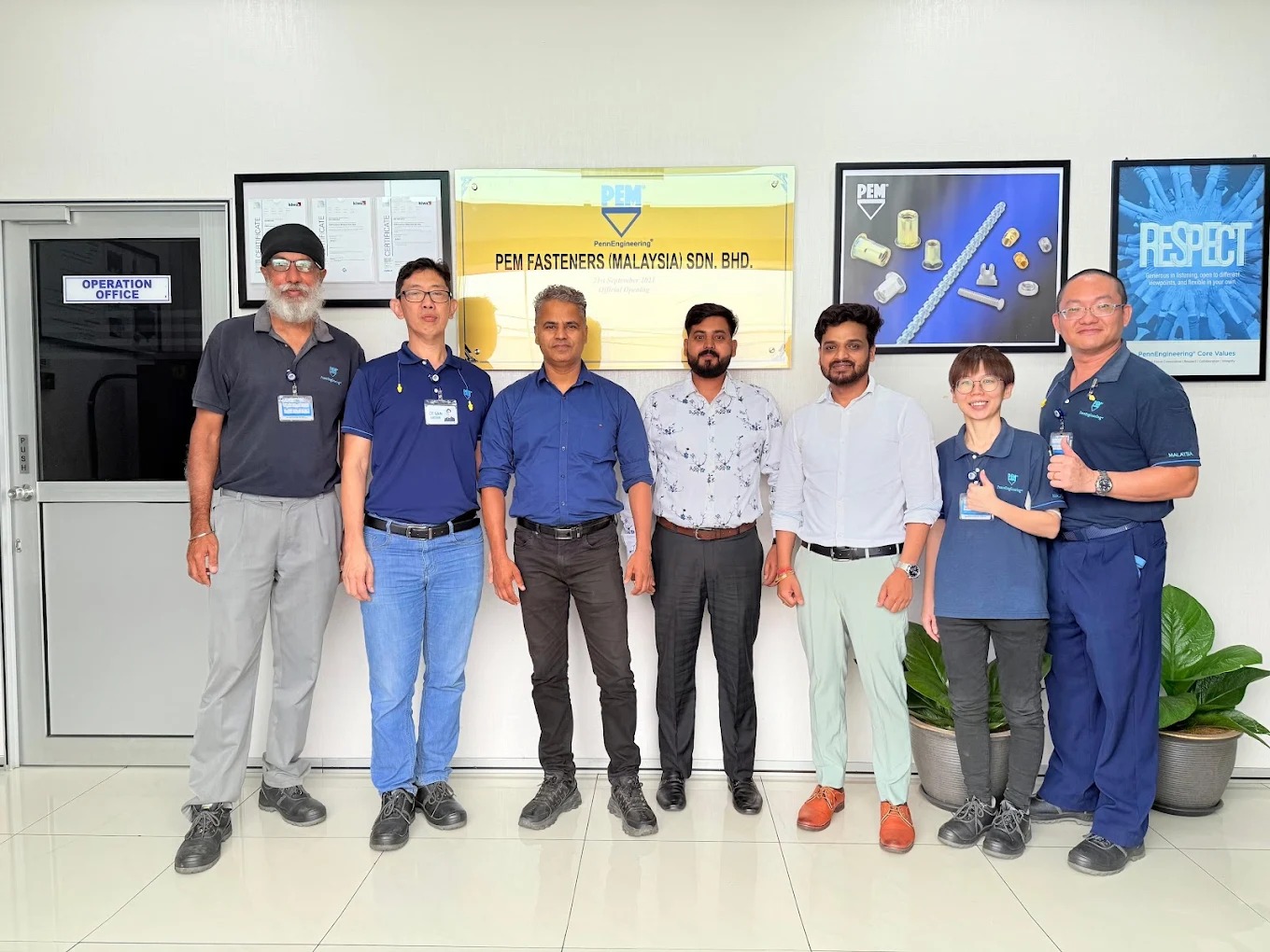
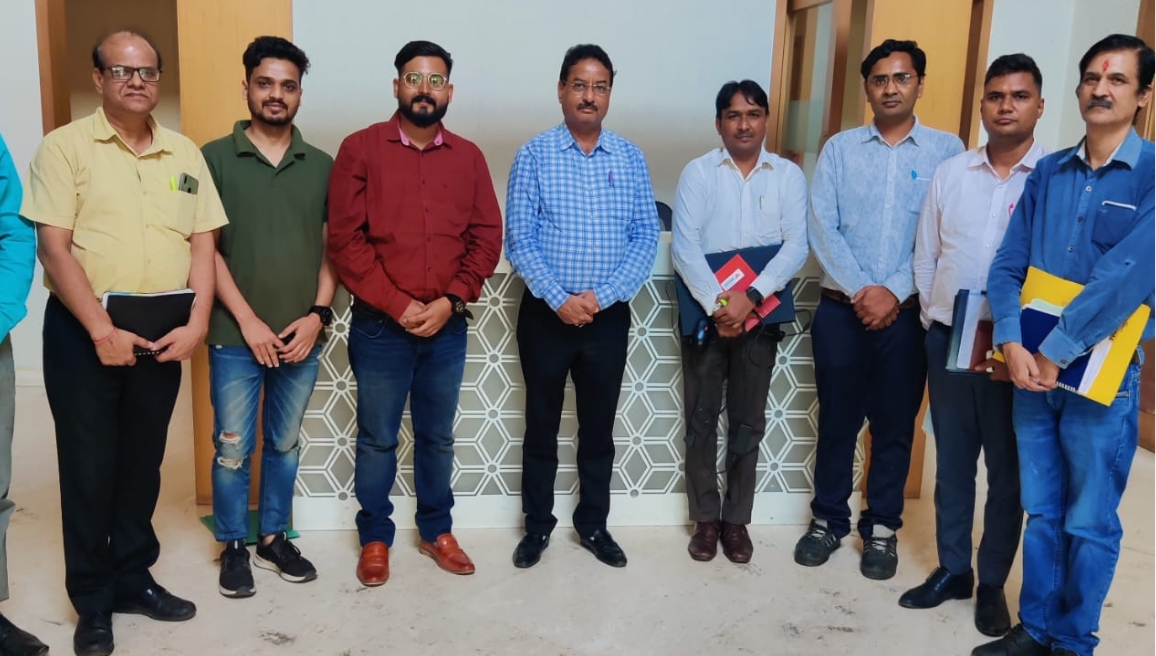
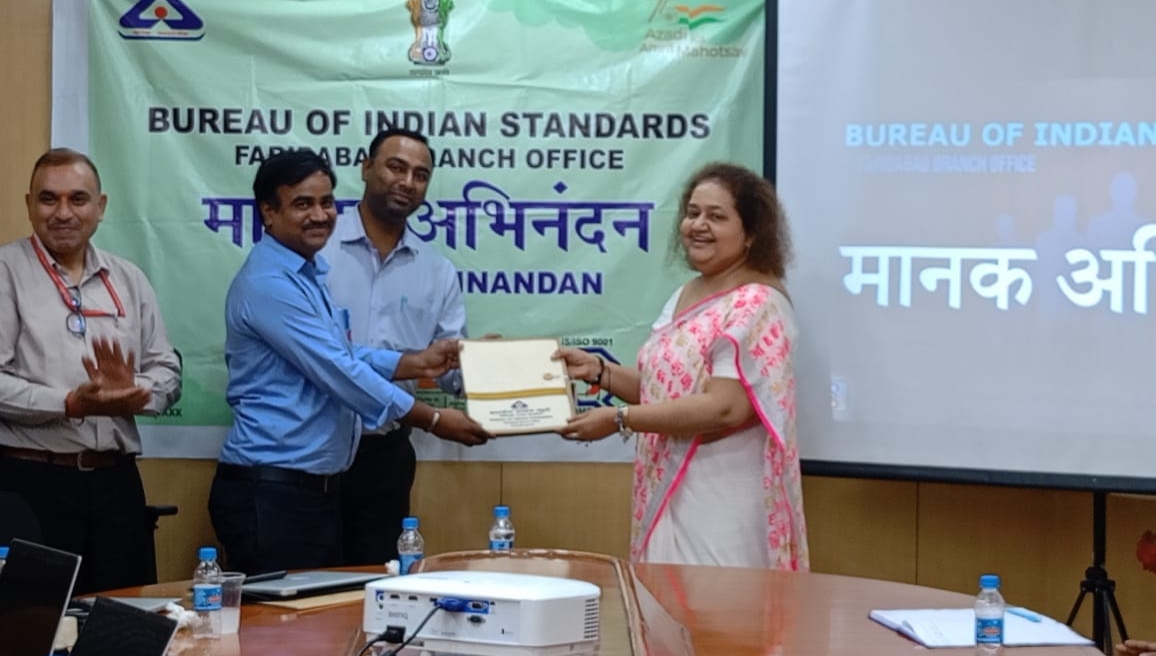
Real sites, real certifications
Our teams work inside factories and plants across India and abroad - inspections, audits and certification milestones spanning BIS, global schemes and the full compliance stack you see on this site.




What our clients say
Reviews and feedback from businesses that have worked with Diligence Certifications.










Related APEDA / Agri-Export services
APEDA Registration
APEDA registration & agri-exporter benefits.
View details →RCMC Registration
Registration-Cum-Membership Certificate.
View details →NPOP Certification
National Programme for Organic Production.
View details →RCMC Certificate
Get your APEDA RCMC certificate to export scheduled agri and processed food products.
View details →APEDA Registration
Complete guide to APEDA Registration (RCMC) for exporters of scheduled agri and processed food.
View details →Recognised Packhouse Registration
Get your packhouse recognised by APEDA for fruit and vegetable exports.
View details →Ready to get Recognized Packhouses?
Talk to our experts for a clear, fixed-scope plan - most clients get a roadmap the same day.