BIS Certification
 CDSCO
CDSCO
 PESO
PESO
 CPCB
CPCB
 LMPC
LMPC
 WPC Approval
 Global Approvals
 TEC
TEC
 ARAI
ARAI
 BEE
BEE
 ISO Certification
 DGCA Certification
 NOC For Steel
 APEDA Registration























 Business Registration
 FSSAI Mark Certification












 (32).jpg)
 Legal Services
 Trademark Registration
 Copyright Registration
 Patent Registration
 By
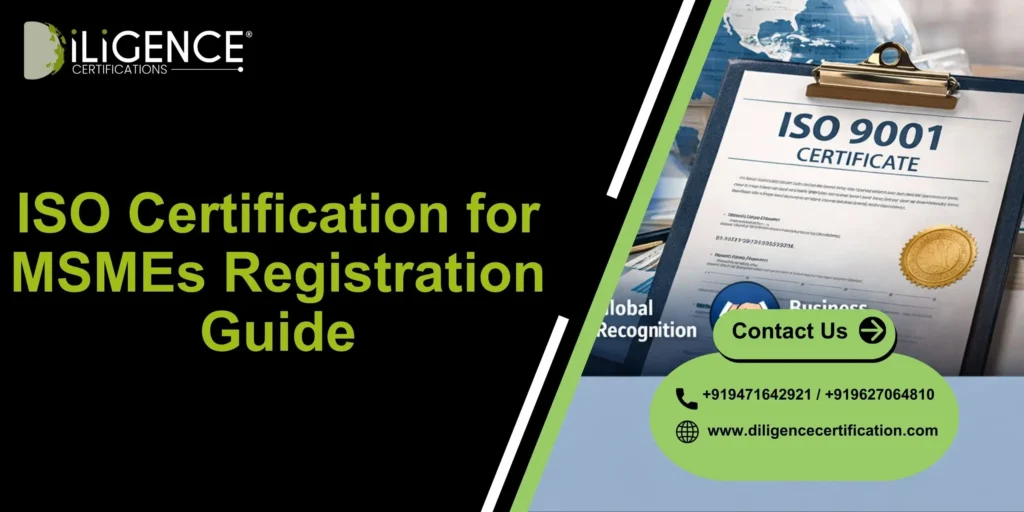
By - Improves Business Integrity - ISO Certification for MSMEs enhances the integrity of MSMEs among customers, suppliers, and government institutions.
- Improved Quality Management - Enables MSMEs to attain a certain level of quality in their products and services.
- Increases Business Opportunities - ISO certification of MSMEs enhances their business opportunities in tenders, exports, and business growth globally.
- Helps in Legal Compliance - ISO certification ensures that MSMEs comply with national and international standards.
- Improves Customer Satisfaction - ISO certification enables MSMEs to function in a more efficient manner, thereby improving customer satisfaction.
Introduction | MSME Registration
MSMEs play a major role in economic development, employment creation, and development of industries. To compete in today’s competitive market, MSMEs need to follow quality standards and efficiency in their operations.ISO (International Organization for Standardization) certification can prove to be really helpful for MSMEs in getting recognition, streamlining their internal operations, and maintaining quality in their products and services. ISO certification for MSMEs is not mandatory for registration, but there are many advantages that can be enjoyed by MSMEs from getting ISO certification.
What is ISO Certification?
ISO Certification is a recognition for a business to have complied with international standards set by the International Organization for Standardization. It ensures quality, safety, efficiency, and reliability for the business.The process for obtaining ISO certification ensures a business is conducted through a proper process of management systems based on international standards. It is applicable to all types of businesses, including MSMEs.
Points:
- International Recognition - Certification is given on the basis of standards set by the International Organization for Standardization.
- Quality Assurance - Ensures that the business delivers the same level of quality in its products and services.
- Process Standardization - This certification requires businesses to adhere to a set process.
- Third-Party Verification - Certification is given after an audit conducted by a third-party organization.
- Applicable to All Industries - This certification can be applied to MSMEs as well as large corporations in the manufacturing industry, IT industry, healthcare industry, etc.
Types of ISO Certifications
- ISO 9001 - Quality Management System (QMS)
Focuses on improving the quality of products/services and customer satisfaction.
- ISO 14001 - Environmental Management System (EMS)
Helps in managing the environmental responsibility of the organization.
- ISO 45001 - Occupational Health & Safety (OH&S)
Ensures the safety of the employees in the organization.
- ISO 27001 - Information Security Management System (ISMS)
Ensures the security of the data in the organization.
- ISO 22000 - Food Safety Management System (FSMS)
Ensures the safety of the food products in the supply chain.
- ISO 13485 - Medical Devices Quality Management
Establishes the quality standards for the manufacturing of medical devices.
- ISO 50001 - Energy Management System (EnMS)
Helps the organization in improving the efficiency of the energy used in the organization.
Why is ISO Certification mandatory
Although ISO certification is not a necessity for all businesses to attain from a legal perspective, it can become a necessity for many industries to penetrate the market and fulfill government tender requirements. Many clients, corporate buyers, and export partners require ISO certification as a minimum qualification to ensure standards for quality, safety, and compliance are met.For MSMEs, ISO certification can be a useful tool for establishing credibility, management systems, and compliance to standards set by the International Organization for Standardization. ISO certification can be a necessary evil for many industries to fulfill business trust.
Points:
- Required for Government Tenders - In many government and PSU tenders, ISO certification is a required qualification for tendering.
- Essential for Export Business - It is always advantageous to have ISO certification, as many export customers require ISO certification.
- Regulatory Compliance - It helps in regulatory compliance of industry-specific legal and safety regulations.
- Builds Business Credibility - It ensures that the business adheres to the highest standards set by the International Organization for Standardization, applicable all over the world.
- Competitive Market Requirement - In many markets, it is considered a requirement to have ISO certification to compete with existing players.
Importance and Benefits of ISO Certification
| Importance | Benefits |
| Improves Business Credibility - It helps create trust among customers, investors, and government entities. | Increased Customer Satisfaction - Better quality control results in better customer satisfaction. |
| Improves Process Efficiency - Standardized processes make the business process efficient with minimal error rates. | Higher Business Opportunities - Eligibility to tender for government contracts and international deals. |
| Ensures Quality Consistency - It ensures quality consistency of the products and/or services delivered. | Better Risk Management - Manages operational risks effectively. |
| Supports Regulatory Compliance - It helps with regulatory compliance. | Better Brand Reputation - Certification improves brand image and reliability. |
| Strengthens Market Position - It gives MSMEs a competitive edge in the market. | Sustainable Business Growth - Creates a base for sustainable and successful business growth. |
ISO Certification Process (Step-by-Step)
- Select the Relevant ISO Standard
Identify the appropriate standard (e.g., ISO 9001, ISO 14001, ISO 27001) based on your business activities and objectives. All standards are developed by the International Organization for Standardization. - Gap Analysis
Conduct a gap analysis to compare your current processes with ISO standard requirements and identify areas for improvement. - Documentation & Implementation
Prepare required policies, procedures, manuals, and records. Implement the management system across the organization. - Employee Training & Awareness
Train employees to ensure they understand ISO requirements and follow standardized processes. - Internal Audit
Perform an internal audit to evaluate compliance and identify non-conformities before the external audit. - Management Review
Top management reviews audit findings, system performance, and improvement actions. - Certification Audit (Stage 1 & Stage 2)
An accredited certification body conducts:
- Stage 1 Audit: Documentation review
- Stage 2 Audit: On-site verification of implementation
- Stage 1 Audit: Documentation review
- Issuance of ISO Certificate
If the organization meets all requirements, the certification body issues the ISO Certificate (generally valid for 3 years). - Surveillance Audits
Periodic audits (usually annually) ensure continued compliance and system effectiveness.
Documents Required for ISO Certification
| Category | Documents Required |
| Company Registration Certificate | Legal proof of business existence |
| Quality Policy & Objectives | Shows commitment to quality and improvement |
| ISO Manual / Management System Manual | Defines structure of the management system |
| Internal Audit Report | Confirms compliance before certification audit |
| Corrective & Preventive Action (CAPA) Records | Tracks non-conformities and improvements |
Timelines, Costs, Validity & Renewal
- Timelines : Certification process usually takes 1-6 months depending on business size.
- Costs:Cost depends on ISO standard type (ISO 9001, ISO 14001, ISO 27001, etc.)
- Validity : ISO Certificate is generally valid for 3 years.
- Renewal : Renewal required after 3 years through re-certification audit.
Why Choose Diligence Certifications
Diligence Certifications is a professional consultancy firm that offers complete support for ISO certification and MSME compliance services. The company is focused on providing reliable, transparent, and efficient certification services to the needs of startups, MSMEs, and growing businesses.With the guidance, documentation support, and complete support for the audit, Diligence Certifications offers hassle-free ISO certification services to businesses. The company’s focus on quality, affordable pricing, and customer support makes it a trusted partner for businesses seeking ISO certification services.
Conclusion
ISO Certification is an important factor in enhancing MSMEs by ensuring quality and credibility. ISO Certification enables MSMEs to work in a systematic way and be compliant with all the rules and regulations.Obtaining ISO Certification will enable MSMEs to compete effectively in the market and will also help them to grow in a sustainable manner. ISO Certification is an important investment for MSMEs to ensure success and credibility in the market.
Frequently Asked Questions (FAQs)
What is ISO Certification?
It is a certification that ensures a business is following international quality standards.
Is ISO Certification Mandatory for MSMEs?
It is not mandatory but is mandatory for tenders, exports, and authenticity.
Who Provides ISO Certification?
It is provided by a certification agency following guidelines from the International Organization for Standardization.
How Long Does It Take to Get ISO Certification?
It takes 7 to 30 days to get ISO Certification depending on the level of preparedness.
What is the Validity Period of ISO Certification?
It is valid for a period of 3 years.
What ISO Standard is best suited for MSMEs?
ISO 9001 is the most widely used ISO Standard for Quality Management System.
What documents are required for ISO Certification?
Company documents, quality manual, details of processes, and compliance documents.
Can Startups apply for ISO Certification?
Yes, startups and MSMEs of any size can apply.
Does ISO Certification open more business opportunities?
Yes, ISO Certification increases trust, value, and eligibility.
Can ISO Certification be renewed?
Yes, ISO Certification can be renewed after 3 years through re-certification audit.