 BIS Certification
 CDSCO
CDSCO
 PESO
PESO
 CPCB
CPCB
 LMPC
LMPC
 WPC Approval
 Global Approvals
 TEC
TEC
 ARAI
ARAI
 BEE
BEE
 ISO Certification
 DGCA Certification
 NOC For Steel
 APEDA Registration























 Business Registration
 FSSAI Mark Certification












 (32).jpg)
 Legal Services
 Trademark Registration
 Copyright Registration
 Patent Registration
BEE Certification Consultants
BEE Certification Consultants help manufacturers and importers register products, arrange lab testing and obtain the Bureau of Energy Efficiency star...
Get expert consultation
Trusted by 25,000+ leading enterprises worldwide







Key takeaways
- BEE certification is granted by the Bureau of Energy Efficiency (BEE), an agency under the Ministry of Power, established under the Energy Conservation Act, 2001.
- The Standards & Labelling (S&L) programme rates an appliance’s energy efficiency on a 1 to 5 star scale displayed on the BEE star label.
- Certain appliances carry a mandatory rating, while others may adopt the label voluntarily for market credibility.
- Every model is registered online through the BEE Standards & Labelling portal on the basis of an accredited lab test report.
- Testing must be done at an NABL-accredited or ILAC-MRA laboratory, with the report typically valid within a defined window of registration.
- As experienced BEE Certification Consultants, we handle registration, testing co-ordination, label artwork and renewals so your products reach the market without delay.
What does a BEE Certification Consultant do?
A BEE Certification Consultant guides manufacturers, importers and brand owners through the Bureau of Energy Efficiency’s Standards & Labelling programme, from the first eligibility check to the grant of the star label. The aim is simple: get your product its correct energy-efficiency star rating, displayed legally on the BEE label, with the least friction.
The Bureau of Energy Efficiency was constituted on 1 March 2002 under the Energy Conservation Act, 2001 and works under the Ministry of Power. Its labelling scheme helps buyers compare appliances on running cost and energy use, and pushes manufacturers towards more efficient designs. Navigating the registration, lab testing and documentation correctly is where specialist consultants add real value.
Where consultants make the difference
- Confirming whether a product falls under mandatory or voluntary labelling
- Mapping the correct product category and applicable BEE schedule
- Co-ordinating testing with NABL-accredited laboratories
- Preparing accurate model registration data and declarations
- Designing compliant star-label artwork for packaging
- Managing renewals, re-tests and label revisions
Who needs BEE certification?
Any business that manufactures or imports an appliance covered by the Standards & Labelling scheme must obtain the star rating before that model can carry the BEE label. Categories are notified by BEE and expand over time, so an eligibility check is the sensible first step.
| Who applies | Why it applies |
|---|---|
| Domestic manufacturers | Each appliance model must be registered and rated before sale. |
| Importers | Imported models need a BEE rating to be sold and labelled in India. |
| Brand owners and OEM marketers | Products sold under your brand must carry a valid star label. |
| Common product groups | Examples |
|---|---|
| Cooling and refrigeration | Air conditioners, refrigerators, deep freezers |
| Lighting and fans | LED lamps, ceiling fans, tubular fluorescent lamps |
| Heating and motors | Storage water heaters, distribution transformers, induction motors |
| Other notified appliances | Colour televisions, washing machines and further notified categories |
The exact list of mandatory and voluntary categories is notified by BEE and updated periodically. We confirm the current status for your specific product before you commit to testing.
The BEE certification process, step by step
Model registration is handled online through the BEE Standards & Labelling portal and rests on a valid laboratory test report. As your consultants, we run the full path on your behalf.
Preparation and testing
Eligibility check
We confirm the product category, applicable schedule and whether the rating is mandatory or voluntary.
Sample testing
A representative sample is tested at an NABL-accredited or ILAC-MRA laboratory against the prescribed standard.
Compile the dossier
We assemble the test report, technical specifications, company documents and declarations.
Registration and grant
Online registration
The model is registered on the BEE Standards & Labelling portal with the test data and supporting documents.
Review
BEE examines the application and the energy-performance data submitted.
Label grant
The star rating is assigned and the label, carrying a unique registration number, may be displayed on the product.
Documents required
- Company incorporation or registration proof
- GST registration and PAN of the applicant
- Trademark or brand registration details, where applicable
- Technical specifications and datasheet of the model
- Test report from an NABL-accredited or ILAC-MRA laboratory
- Manufacturing or import details of the product
- Authorised signatory and declaration documents
- Proposed star-label artwork for the packaging
Validity & renewal
- A BEE label is granted for a defined period and must be renewed before it lapses.
- Star-rating thresholds are revised periodically, which can change the rating on renewal.
- Each appliance model requires its own registration and label.
- Re-testing may be needed when standards tighten or specifications change.
Related services? See our BEE Star Rating Certification and ISO 50001 Energy Management support.
Cost factors
The overall cost depends on the product, the number of models and the testing involved rather than a single fixed figure. The usual components are:
| Cost factor | Details |
|---|---|
| BEE registration fee | Government fee payable per model on the Standards & Labelling portal |
| Laboratory testing | Charges levied by the accredited lab, varying by product type |
| Documentation and filing | Preparation of the dossier and online submission |
| Label artwork and renewal | Compliant label design and periodic renewal of the registration |
Not sure if your product needs a BEE label?
Tell us the appliance and we will confirm whether the rating is mandatory or voluntary, and map the testing, documents and timeline for you.
Benefits of BEE certification
Legal compliance
Sell notified appliances legally and avoid the risk of penalties or stop-sale action.
Market access
Retailers, e-commerce platforms and tenders increasingly expect a valid star label.
Stronger brand trust
A recognised star rating signals quality and efficiency to buyers.
Lower running costs
Higher-rated products appeal to cost-conscious, energy-aware customers.
Sustainability edge
Demonstrate alignment with India’s energy-conservation goals.
Export readiness
Documented efficiency data supports entry into demanding markets.
Why choose Diligence Certifications
BEE certification turns on accurate categorisation, the right lab and a clean dossier. We bring all three together so your label is granted without avoidable back-and-forth.
- End-to-end handling: from eligibility check to label grant and renewal
- Lab co-ordination: testing arranged with NABL-accredited laboratories
- Accurate filings: correct schedule, data and declarations the first time
- Label compliance: star-label artwork that meets BEE requirements
- Portfolio support: multiple models and categories managed together
- Single point of contact: one team across testing, filing and follow-up
Frequently asked questions
What is BEE certification?
BEE certification is the star rating granted under the Bureau of Energy Efficiency’s Standards & Labelling programme. It rates an appliance’s energy efficiency from 1 to 5 stars and is displayed on the BEE label, issued under the Energy Conservation Act, 2001.
Who issues BEE certification in India?
It is issued by the Bureau of Energy Efficiency (BEE), a statutory agency under the Ministry of Power, set up under the Energy Conservation Act, 2001.
Is BEE certification mandatory?
It is mandatory for appliance categories notified by BEE under the mandatory scheme. Other categories may carry the label voluntarily. We confirm the current status for your specific product.
Why use a BEE Certification Consultant?
A consultant confirms the correct category, co-ordinates accredited lab testing, prepares the registration dossier and manages renewals, reducing rejections and the time taken to obtain the label.
Where is the model registered?
Each model is registered online through the BEE Standards & Labelling portal, supported by a test report from an NABL-accredited or ILAC-MRA laboratory.
Does each product model need its own label?
Yes. The star rating is model-specific, so every model must be registered and rated separately, and the label renewed before it lapses.
Why choose Diligence Certification?
For compliance and credibility, Diligence is much more than a checklist - we give you real confidence in your business. We examine your legal, financial and operational status, so you are not just certified, but trusted.
Stronger risk protection
Spot hidden legal, financial or operational risks early - fix problems before they become threats.
Earn stakeholder trust
From investors to customers, people want to work with businesses that play by the rules.
Stay legally aligned
Compliant not just on products but on labour, environmental and tax laws too.
Enhance brand reputation
Show the world you operate with integrity and transparency.
Stand out from competitors
In a crowded market, credibility is your biggest edge.
24×7 expert support
A 100+ strong service team guiding you at every step, free first consultation.
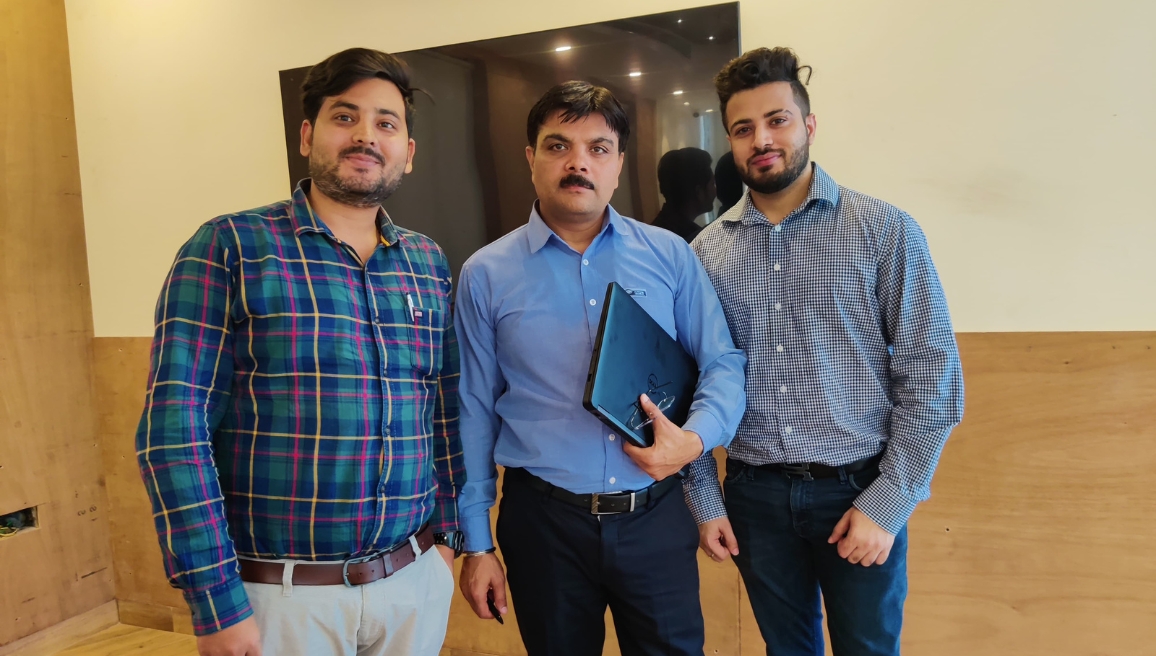
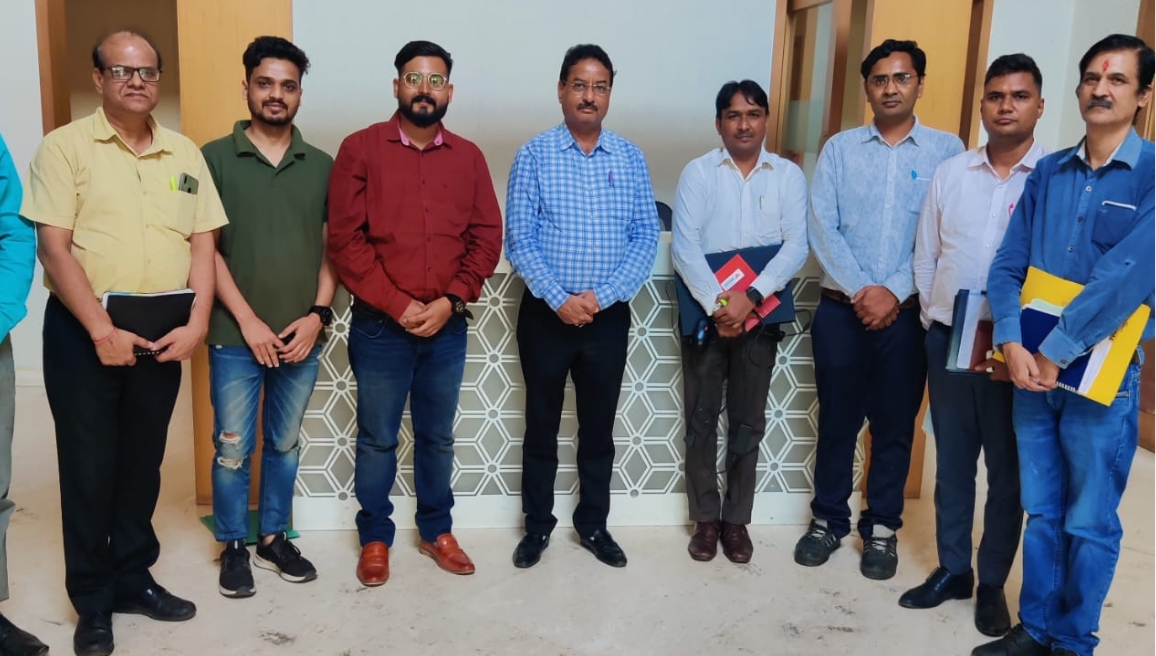
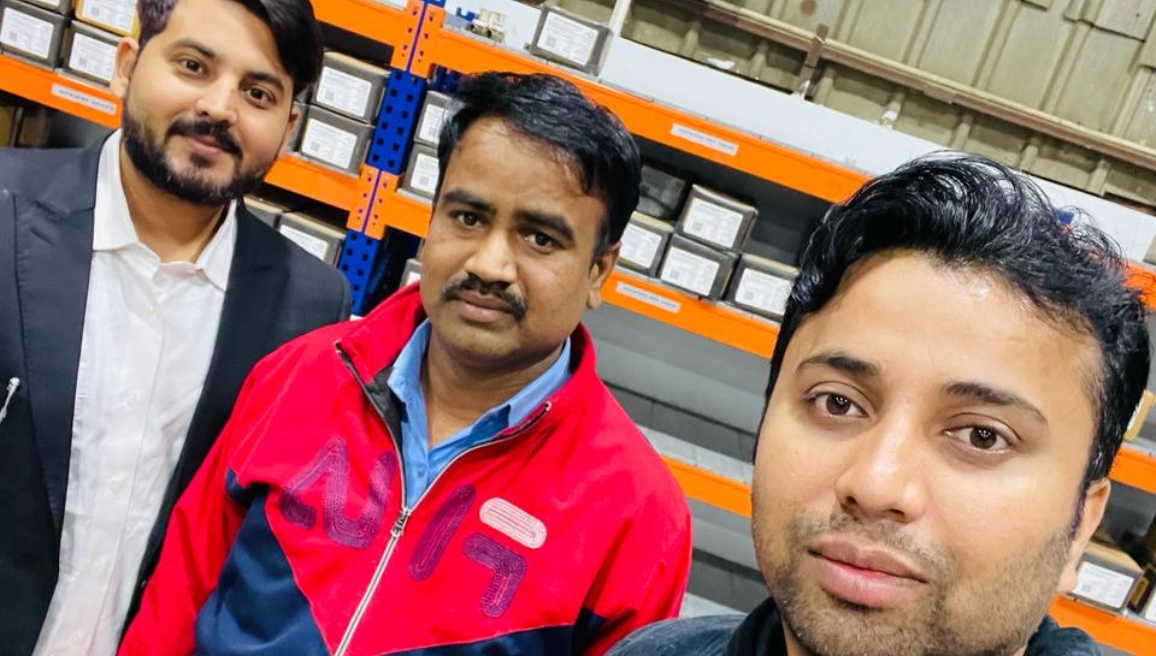
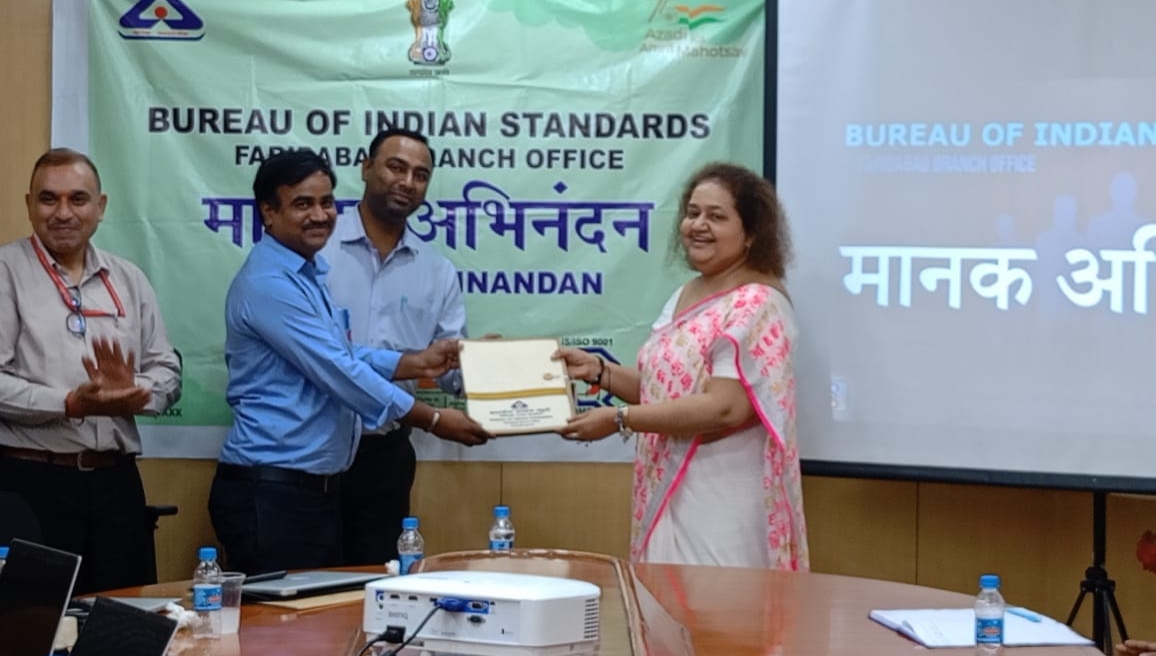
Real sites, real certifications
Our teams work inside factories and plants across India and abroad - inspections, audits and certification milestones spanning BIS, global schemes and the full compliance stack you see on this site.



What our clients say
Reviews and feedback from businesses that have worked with Diligence Certifications.




Related BEE / Energy services
Ready to get BEE Certification Consultants?
Talk to our experts for a clear, fixed-scope plan - most clients get a roadmap the same day.