 BIS Certification
 CDSCO
CDSCO
 PESO
PESO
 CPCB
CPCB
 LMPC
LMPC
 WPC Approval
 Global Approvals
 TEC
TEC
 ARAI
ARAI
 BEE
BEE
 ISO Certification
 DGCA Certification
 NOC For Steel
 APEDA Registration























 Business Registration
 FSSAI Mark Certification












 (32).jpg)
 Legal Services
 Trademark Registration
 Copyright Registration
 Patent Registration
SCoC Certificate
The Shipment Certificate of Conformity (SCoC) is an official document required when exporting regulated products to Saudi Arabia.
Get expert consultation
Trusted by 25,000+ leading enterprises worldwide







Key takeaways
- The SCoC (Shipment Certificate of Conformity) is a mandatory, per-shipment document for exporting regulated products to Saudi Arabia.
- It is issued electronically through the SABER platform and confirms that goods meet Saudi safety, quality and technical standards.
- For regulated products, a valid Product Certificate of Conformity (PCoC) must be in place before an SCoC can be issued.
- The SCoC is required for customs clearance; without it, shipments face delays, storage costs and rejection risk.
- It is valid for a single shipment only, expires after customs clearance, and cannot be reused or transferred.
- The certificate is verified automatically by Saudi Customs through FASAH integration at the port.
- The Saudi Standards, Metrology and Quality Organization (SASO) governs the conformity system behind SABER.
What is an SCoC Certificate?
The Shipment Certificate of Conformity (SCoC) is an official document required when exporting regulated products to Saudi Arabia. Issued per shipment through the SABER platform, it confirms that the goods being transported conform to Saudi regulations and standards before they reach customs.
Consider a common scenario. An exporter of low-voltage switchgear dispatches a consignment to Dammam that is already sold, partly paid for, and booked against fixed delivery dates. At Saudi customs the shipment is held, not for a quality fault, but for missing documentation, specifically the SCoC. Weeks pass in port storage, demurrage charges mount, and the buyer starts to question the exporter’s reliability. The exporter had assumed that ISO compliance was enough. It is a common misconception: the SCoC is a mandatory document under the Saudi conformity system, and no amount of other certification replaces it.
In practice, the SCoC acts as the guarantee that clears customs, because it confirms three things: the product matches Saudi regulatory requirements, the shipment has been verified by an approved conformity body, and the goods are safe for import and distribution in the Saudi market. It is typically issued only after a valid Product Certificate of Conformity (PCoC) is already in place.
Why the SCoC is critical for exporters
Saudi Arabia enforces strict product-compliance rules through its regulatory body to keep low-quality or hazardous products out of the market. Because of this, the SCoC is not an optional formality. For exporters, ignoring SCoC requirements is not merely a documentation gap, it is a direct business risk that can stall shipments and damage buyer relationships.
Why the SCoC is mandatory
- A mandatory document for customs clearance of regulated goods.
- Confirms that products comply with Saudi regulations and technical standards.
- Prevents the risk of shipments being rejected or re-exported.
- Builds buyer confidence and regulatory transparency.
How it supports Saudi market access
- Faster customs clearance by reducing document verification time.
- Fewer inspection delays, as products are pre-verified for compliance.
- Higher shipment acceptance rate due to reduced non-compliance risk.
- Improved importer trust, leading to stronger business relationships.
Who needs an SCoC Certificate?
The Shipment Certificate of Conformity is required for every consignment bound for Saudi Arabia through the SABER platform, whether the products are regulated or unregulated. Three parties play a role in obtaining it.
Importers to Saudi Arabia
The primary party responsible for applying for the SCoC. Importers must secure the certificate before the shipment arrives at Saudi ports, as it is required to clear goods through the Saudi Standards, Metrology and Quality Organization.
Exporters shipping to Saudi Arabia
Accountable for supplying correct documentation to importers, ensuring products meet Saudi technical requirements, and helping obtain the PCoC before shipping regulated goods.
Freight forwarders and logistics providers
They do not issue the SCoC directly, but are heavily involved in the process, making sure the shipment documentation matches the SABER records.
Documents required for SCoC
To obtain SCoC clearance in the SABER system, the following documents are typically required.
- Commercial invoice with full details of the goods.
- Packing list covering the shipment packaging.
- Bill of lading or air waybill as the transport document.
- Product HS code for customs classification.
- Batch or serial number for product traceability.
- Certificate of origin, where required under the regulation.
- Test reports, in the case of technical regulation.
- PCoC reference number, required for regulated products.
Step-by-step SCoC registration on SABER
The SCoC application process is fully digital and managed through the SABER platform. The steps run in sequence from login to customs clearance.
Log in to the SABER platform
The importer logs into the SABER account and opens the shipment certification module.
Select the shipment request module
Create a new shipment application and choose the SCoC request option.
Enter product classification
Add the HS code and product category, and identify whether the product is regulated or non-regulated.
Upload shipment documents
Attach the invoice, packing list and shipping documents, making sure the data matches the shipment details exactly.
Add product details
Enter the quantity of goods, the country of origin, and the declared value and product specifications.
Submit for conformity review
The application is reviewed by a conformity assessment body, with technical verification performed where required.
Approval and issuance
Once approved, the SCoC is generated electronically and linked to the shipment ID in SABER.
Customs clearance integration
The SCoC is verified automatically by the Saudi Customs system through FASAH integration, and the shipment is cleared for entry if compliant. Any mismatch can result in delay or rejection.
Products covered under the SCoC Certificate
The SCoC is not applied universally to every export. It is restricted to regulated product categories that fall under Saudi Arabia’s technical regulations, ensuring imported goods meet safety, performance and quality standards before entering the Saudi market.
Electrical and electronic products
One of the most strictly regulated categories, covering switches, sockets and wiring devices, home electronics such as TVs, chargers and adapters, industrial electrical equipment, and lighting products including LEDs, lamps and fixtures.
Automotive components and spare parts
Both OEM and aftermarket parts, including brake systems and pads, air, oil and fuel filters, batteries, engine components, and tyres and wheels. Checks focus on road safety, material durability and compatibility with Saudi vehicle regulations.
Construction materials
Heavily regulated for infrastructure quality, covering cement and concrete products, steel and reinforcement bars, tiles, ceramics and marble, and adhesives and sealants.
Household appliances
Common retail imports such as refrigerators, air conditioners, washing machines and kitchen appliances, assessed for energy efficiency, electrical safety and product durability.
Industrial machinery
Manufacturing equipment, packaging machines, heavy-duty mechanical systems and hydraulic and pneumatic machines, evaluated for machine safety, operational stability and technical specification matching.
Key benefits of the SCoC Certificate
Generated through the SABER platform under SASO regulation, the SCoC has a direct, positive impact on the import process into Saudi Arabia.
Faster customs clearance
Because goods are verified before arrival, Saudi customs can clear them more quickly once they reach port.
Regulatory compliance
Guarantees that the imported goods satisfy the relevant Saudi regulations.
Rejection prevention
Decreases the risk of goods being held or rejected at the border.
Product traceability
Links each shipment to verified documentation, improving tracking and audit readiness.
Alignment with Vision 2030
Supports Saudi Arabia’s import-safety goals around product safety, quality control and market transparency.
Validity, expiry and common challenges
| Rule | Explanation |
|---|---|
| Valid only for a single shipment | The SCoC is issued for one specific consignment and is linked to a particular shipment. It cannot be applied to multiple or future shipments. |
| Automatically expires after customs clearance | Once the shipment is cleared by Saudi Customs through the SABER platform, the SCoC becomes inactive and is no longer valid. |
| Cannot be reused or transferred | The certificate is strictly non-transferable. It cannot be reused for another shipment, even if the product details remain the same. |
Common challenges in SCoC approval
Despite a structured process, SCoC issuance can face delays or rejection due to compliance gaps within the SABER workflow.
- Missing PCoC before shipment. For regulated goods, the absence of a valid Product Certificate of Conformity leads to automatic rejection of the SCoC application.
- Incorrect HS codes. Wrong product classification can trigger a compliance mismatch and delay approval.
- Incomplete invoice data. Missing or inconsistent commercial-invoice details create verification issues during review.
- Product mismatch between documents and shipment. Differences between the declared and the actual goods can raise non-compliance flags.
- Delayed submission in SABER. A late application can cause clearance delays at customs or a shipment hold at port.
Why exporters choose Diligence Certifications
Choosing the right compliance partner minimises risk during customs clearance, documentation and regulatory approval for Saudi imports through the SABER platform. Our team manages SCoC and PCoC certification end to end, handling every detail in line with SASO requirements.
- Comprehensive documentation so every file the SCoC process needs, from the invoice and packing list to HS codes, is prepared to SABER requirements.
- Lower compliance risk, minimising rejection from data mismatch, wrong classification or missing certificates.
- A more efficient process, with careful application handling that reduces delays in approval and customs clearance.
- SASO and SABER expertise, applying in-depth knowledge of Saudi technical requirements for consistent approvals.
- Coordinated PCoC and SCoC handling across both product and shipment certification.
- Less burden on your team, taking the pressure of compliance management off exporters and importers.
Because the SCoC and PCoC together certify both the shipment and the products under the SASO system, correct documentation and classification are essential for trading with Saudi partners. Talk to our compliance team to map the exact steps for your next consignment.
Shipping to Saudi Arabia soon?
Tell us about your products, HS codes and target ports, and we will map the PCoC and SCoC steps, documentation and SABER filing your shipment needs.
Frequently asked questions
What is an SCoC certificate in Saudi Arabia?
The SCoC, or Shipment Certificate of Conformity, is a document generated electronically through the SABER system that confirms a particular shipment conforms to Saudi Arabia’s technical regulations.
Who issues the SCoC certificate?
The SCoC is generated through the SABER platform after verification by an approved conformity assessment body under the Saudi Standards, Metrology and Quality Organization. It is not issued manually outside the system.
Is the SCoC mandatory for all shipments?
Yes. The SCoC is mandatory for all shipments entering Saudi Arabia, whether the products are regulated or non-regulated. Regulated products additionally require a valid PCoC before the SCoC can be issued.
What is the difference between PCoC and SCoC?
The PCoC verifies the product during its design and manufacture and is valid for one year, while the SCoC verifies a specific shipment. Both are part of SASO’s Saudi compliance programme.
Which documents are required for the SCoC?
Key documents include the commercial invoice, packing list, bill of lading or air waybill, HS code information, country of origin, batch or serial number, test reports where applicable, and the PCoC reference number for regulated goods.
How long is the SCoC valid?
The SCoC is valid for a single shipment only. Once the shipment is cleared by Saudi Customs, the certificate expires and cannot be reused.
Can an SCoC be issued without a PCoC?
No. For regulated products, a valid PCoC is mandatory before applying for an SCoC. Without a PCoC, the SCoC application is rejected in SABER.
What causes delays in SCoC approval?
Common causes include incorrect HS codes, missing documentation, late uploading of documents in SABER, and inconsistencies between the declarations and the shipment documents.
What happens if the SCoC is not issued before the shipment arrives at a Saudi port?
Without an SCoC in place before arrival, the shipment risks delay or rejection at Saudi ports and can incur storage costs.
Why is obtaining the SCoC important for Saudi imports?
Obtaining the SCoC is essential because it confirms that imported products comply with Saudi safety and technical requirements, enabling smooth customs clearance.
Why choose Diligence Certification?
For compliance and credibility, Diligence is much more than a checklist - we give you real confidence in your business. We examine your legal, financial and operational status, so you are not just certified, but trusted.
Stronger risk protection
Spot hidden legal, financial or operational risks early - fix problems before they become threats.
Earn stakeholder trust
From investors to customers, people want to work with businesses that play by the rules.
Stay legally aligned
Compliant not just on products but on labour, environmental and tax laws too.
Enhance brand reputation
Show the world you operate with integrity and transparency.
Stand out from competitors
In a crowded market, credibility is your biggest edge.
24×7 expert support
A 100+ strong service team guiding you at every step, free first consultation.
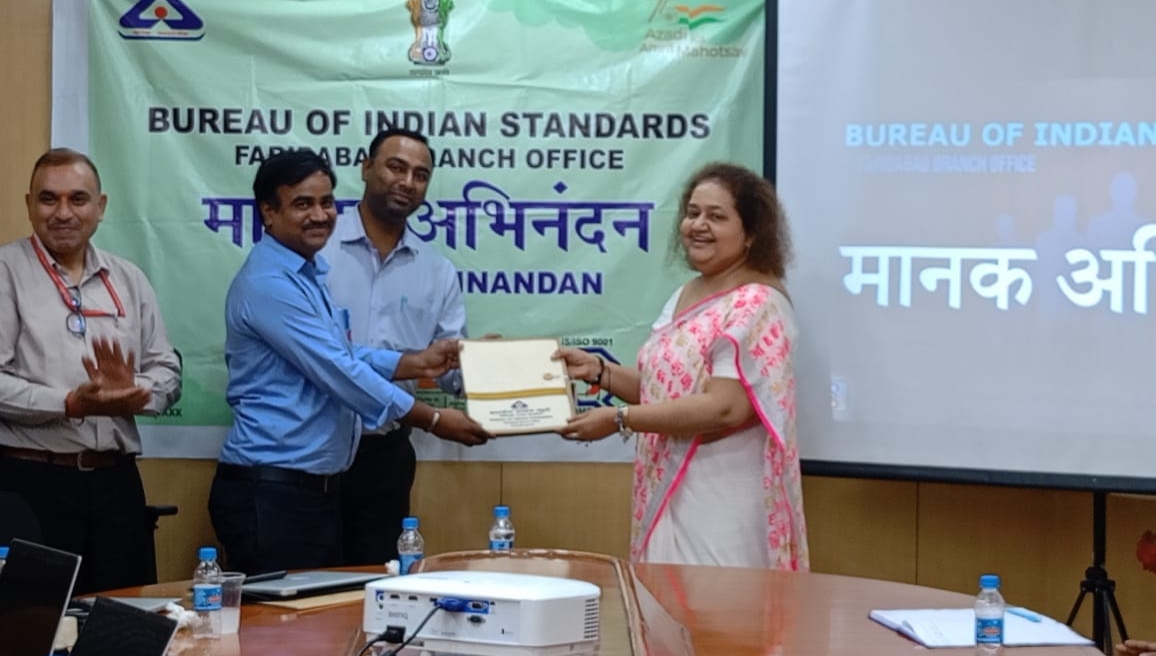
Real sites, real certifications
Our teams work inside factories and plants across India and abroad - inspections, audits and certification milestones spanning BIS, global schemes and the full compliance stack you see on this site.






What our clients say
Reviews and feedback from businesses that have worked with Diligence Certifications.







Related BIS & Standards services
BIS Certification
Get your products BIS certified to ensure compliance with Indian standards.
View details →ISI Mark Certification
ISI Mark Certification for your products with expert guidance.
View details →CRS Mark Certification
BIS CRS Registration for electronics & IT products.
View details →Hallmarking
BIS Hallmarking Certification for gold & jewellery.
View details →FMCS Mark Certification
For foreign manufacturers entering the Indian market.
View details →ECO Mark Certification
Showcase your eco-friendly products with ECO Mark.
View details →Ready to get SCoC Certificate?
Talk to our experts for a clear, fixed-scope plan - most clients get a roadmap the same day.