 BIS Certification
 CDSCO
CDSCO
 PESO
PESO
 CPCB
CPCB
 LMPC
LMPC
 WPC Approval
 Global Approvals
 TEC
TEC
 ARAI
ARAI
 BEE
BEE
 ISO Certification
 DGCA Certification
 NOC For Steel
 APEDA Registration























 Business Registration
 FSSAI Mark Certification












 (32).jpg)
 Legal Services
 Trademark Registration
 Copyright Registration
 Patent Registration
Water Efficiency Label
A water efficiency label is a standardised mark that shows how much water a product consumes in normal use.
Get expert consultation
Trusted by 25,000+ leading enterprises worldwide


Key takeaways
- A water efficiency label tells buyers how much water a tap, flush system, urinal or water appliance uses, usually as an easy-to-read star rating plus the measured consumption figure.
- More stars mean lower water use for the same performance, so the label lets buyers compare products at a glance.
- Consumption is expressed in practical units: litres per minute for taps and showers, litres per flush for cisterns and urinals, and litres per cycle for washing machines and dishwashers.
- In India, star-rating and efficiency labelling is coordinated through the Bureau of Energy Efficiency (BEE), with product standards and test methods set by the Bureau of Indian Standards (BIS).
- Water-efficiency labelling for plumbing fixtures is an emerging and largely voluntary area in India, drawing on established global schemes such as WaterSense and WELS.
- Ratings are earned only after a product is tested for flow and consumption in an accredited laboratory.
- A credible water label supports green-building goals, brand trust and long-term savings on water and energy bills.
What is a water efficiency label?
A water efficiency label is a standardised mark that shows how much water a product consumes in normal use. It is most often presented as a star rating, where a higher number of stars indicates a more water-efficient product, alongside the actual measured consumption so buyers can see the numbers behind the rating.
The idea mirrors the familiar energy star label. Instead of rating electricity use, a water label rates the volume of water a plumbing fixture or appliance draws for the same task. It applies to everyday products such as taps and faucets, showers, flush systems and cisterns, urinals, washing machines and dishwashers.
In India the framework for efficiency star ratings is coordinated by the Bureau of Energy Efficiency, with product standards and test methods issued by the Bureau of Indian Standards. Water-efficiency labelling of plumbing fixtures is still an emerging area here and remains largely voluntary, taking cues from well-established international programmes.
What the label typically shows
- The star rating, commonly on a 1 to 5 scale, for quick comparison.
- The measured water consumption, such as litres per minute or litres per flush.
- The product category and model to which the rating applies.
- The brand or manufacturer name for accountability.
- The reference to the test standard or scheme under which it was rated.
Why water efficiency labelling matters
Water is a finite and increasingly stressed resource, and buildings account for a large share of daily consumption. A clear label turns an invisible quality, how much water a product wastes, into a visible number that shapes better buying decisions. Its value goes well beyond a sticker on the box.
- Informed choice: buyers can compare two products on water use, not just price and looks.
- Lower running costs: efficient fixtures cut water bills and, for hot water, energy bills too.
- Conservation: widespread use of rated products reduces pressure on municipal supply and groundwater.
- Green-building support: water-efficient fittings help projects meet sustainable-building targets.
- Market differentiation: a strong rating signals quality and responsibility to specifiers and homeowners.
- Future readiness: voluntary labelling today prepares manufacturers for tighter norms tomorrow.
How water star ratings work
A water rating is not a marketing claim. It is derived from measured performance under a defined test method, so that every product in a category is judged on the same basis. The product is tested for the water it uses to do its job, and the result is mapped to a star band and a consumption figure printed on the label.
| Product | How water use is measured |
|---|---|
| Taps and faucets | Flow rate in litres per minute (LPM) at a stated supply pressure. |
| Showers | Flow rate in litres per minute (LPM), lower flow at good spray quality rates higher. |
| Flush systems and cisterns | Litres per flush (LPF), often measured for both full and reduced (dual) flush. |
| Urinals | Litres per flush (LPF); waterless designs represent the most efficient end. |
| Washing machines and dishwashers | Water consumption per cycle or per wash under a standard programme. |
| Rating principle | What it means |
|---|---|
| More stars | Lower water use for the same task, so a higher rating is better. |
| Same-category basis | Products are compared only within their own category and test method. |
| Performance held constant | A good rating must not come at the cost of usability, such as poor spray or weak flush. |
| Independent testing | The figures come from accredited laboratory measurement, not self-declaration alone. |
Because the rating is tied to a test method, a label carries weight only when the underlying testing is credible. International schemes such as the United States EPA WaterSense programme and the Water Efficiency Labelling and Standards (WELS) scheme in Australia have shown how a trusted rating can shift entire markets towards lower-water products.
Products commonly covered
- Taps and faucets for kitchens and washbasins
- Showers and shower heads
- Flush systems, water closets and cisterns, including dual-flush
- Urinals, including low-water and waterless designs
- Washing machines
- Dishwashers
- Water heaters, coolers and dispensers where a scheme applies
- Other water-using appliances added as labelling programmes expand
Who should seek a label
- Manufacturers of plumbing fixtures and water appliances
- Importers and distributors bringing such products to the Indian market
- Brand owners and private-label suppliers
- OEM firms producing fittings for other brands
- Developers and specifiers pursuing green-building goals
Not sure whether your product line qualifies or which route fits best? Our team can map it for you, see all certification services.
The water-efficiency labelling process
While the exact steps vary by product and scheme, a credible water label follows a consistent path from sample preparation to marking. The aim is to make sure the rating on the box reflects tested reality.
Scope and category check
Confirm the product category, identify the applicable test method and consumption metric, and decide whether to pursue a voluntary rating or a scheme mark.
Sample preparation
Prepare representative production samples and gather technical details such as design flow, model variants and intended supply pressure.
Laboratory testing
Submit samples to an accredited laboratory for measurement of flow rate, litres per flush or per-cycle consumption under the defined conditions.
Test report and rating
The lab issues a report with the measured figures, which are mapped to a star band or efficiency level for the product.
Documentation and application
Compile the technical file, test report and product information and apply under the relevant labelling scheme or declaration route.
Review and approval
The rating and supporting evidence are reviewed for consistency with the standard before the label is authorised.
Labelling and market use
Apply the approved label to the product and packaging, keeping records so the claim can be verified and renewed when the design changes.
What a strong water label delivers
A water efficiency label is not just a compliance formality. For the right product it becomes a lasting commercial and environmental asset, saving water for the end user and building trust in your brand. In a market that is steadily moving towards resource-conscious buying, a tested rating is a genuine advantage.
Water savings
Rated fixtures use measurably less water for the same task, lowering consumption across every unit sold.
Lower bills
Less water, and less energy to heat it, means reduced running costs for households and facilities.
Sustainability
Efficient products ease pressure on stressed supply and support conservation goals.
Green-building fit
Water-efficient fittings help projects meet sustainable-design and green-rating targets.
Buyer trust
An independently tested rating signals quality and responsibility to specifiers and consumers.
Market edge
A visible rating differentiates your product on the shelf and prepares you for tighter future norms.
Support for your water efficiency label
Water-efficiency labelling sits at the meeting point of product testing, standards and market strategy. Our compliance team guides manufacturers, importers and brand owners through it end to end, so the rating on your product stands up to scrutiny.
- Category guidance to identify the right metric, test method and labelling route for your product.
- Testing coordination with accredited laboratories for flow and consumption measurement.
- Documentation support to build a clean technical file and application.
- Honest advice on what is voluntary, what is emerging and how to position your rating.
- End-to-end management from first assessment to labelling and renewal.
- Transparent pricing with no hidden costs and clear timelines.
Ready to rate and label your products?
Tell us about your product range and target markets, and we will map the exact testing, documentation and labelling steps for your firm.
Frequently asked questions
What is a water efficiency label?
It is a standardised mark that shows how much water a product uses, usually as a star rating with the measured consumption figure. A higher number of stars means the product uses less water for the same task, so buyers can compare products at a glance.
How is water use measured for the rating?
It depends on the product. Taps and showers are rated on flow rate in litres per minute, flush systems and urinals on litres per flush, and washing machines and dishwashers on water used per cycle or per wash. Each is measured under a defined test method so ratings are comparable within a category.
Which products can carry a water efficiency label?
Common examples include taps and faucets, showers, flush systems and cisterns, urinals, washing machines and dishwashers. Other water-using appliances may be added as labelling programmes expand.
Is water efficiency labelling mandatory in India?
For plumbing fixtures it is still an emerging and largely voluntary area in India, coordinated through the Bureau of Energy Efficiency with standards and test methods from the Bureau of Indian Standards. Many manufacturers adopt it voluntarily to gain a market edge and to prepare for tighter norms in future. We can advise on the current position for your specific product.
Do the products need to be tested in a laboratory?
Yes. A credible rating is based on measured performance, so products are tested for flow and consumption in an accredited laboratory. The lab issues a report, and those figures determine the star band and consumption value shown on the label.
Why should a manufacturer bother with a voluntary label?
A tested water label lowers water and energy bills for the end user, supports green-building goals, builds buyer trust and differentiates the product on the shelf. It also prepares the business for stricter efficiency requirements that are likely to follow, making early adoption a practical advantage.
Why choose Diligence Certification?
For compliance and credibility, Diligence is much more than a checklist - we give you real confidence in your business. We examine your legal, financial and operational status, so you are not just certified, but trusted.
Stronger risk protection
Spot hidden legal, financial or operational risks early - fix problems before they become threats.
Earn stakeholder trust
From investors to customers, people want to work with businesses that play by the rules.
Stay legally aligned
Compliant not just on products but on labour, environmental and tax laws too.
Enhance brand reputation
Show the world you operate with integrity and transparency.
Stand out from competitors
In a crowded market, credibility is your biggest edge.
24×7 expert support
A 100+ strong service team guiding you at every step, free first consultation.
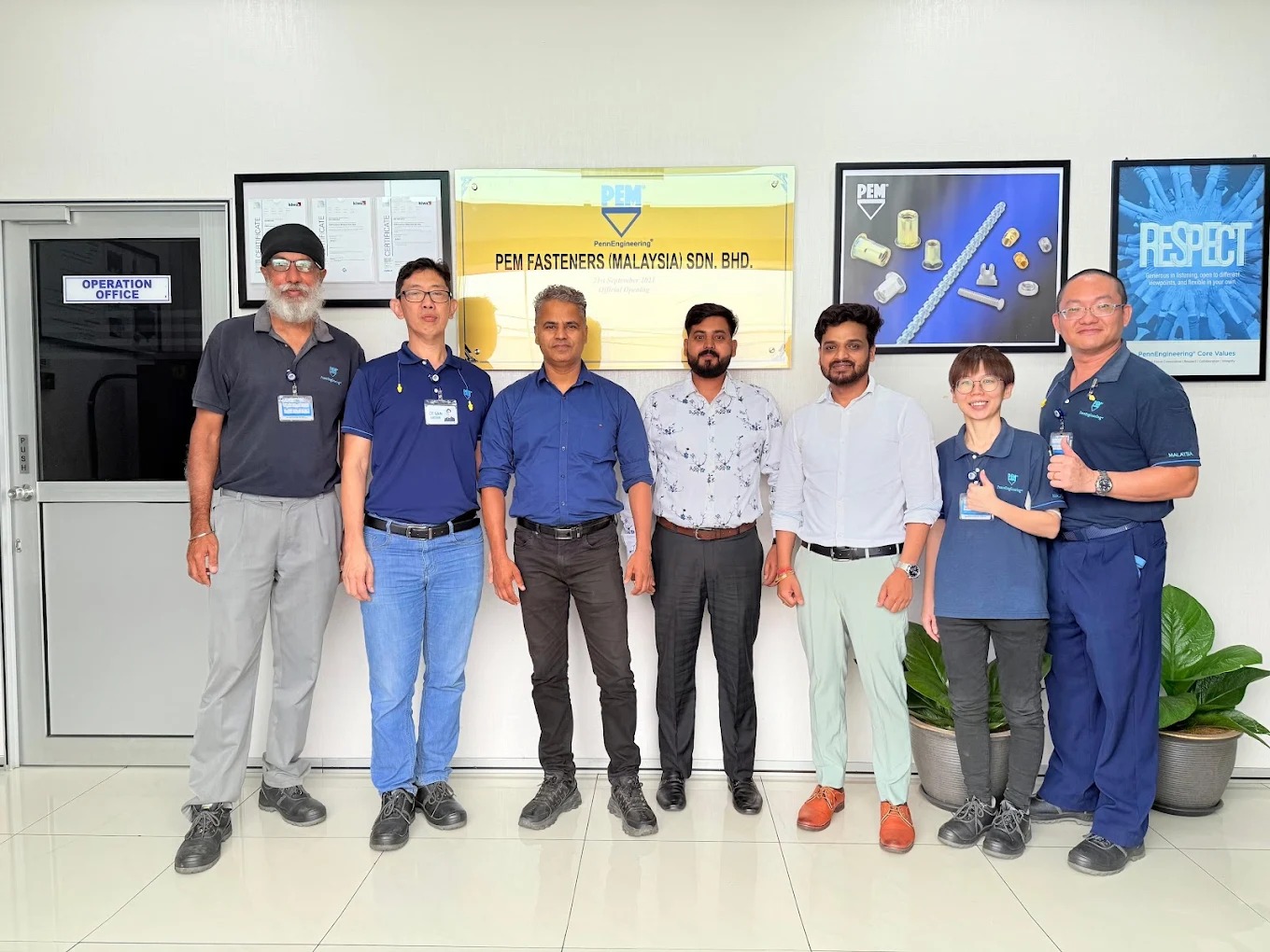
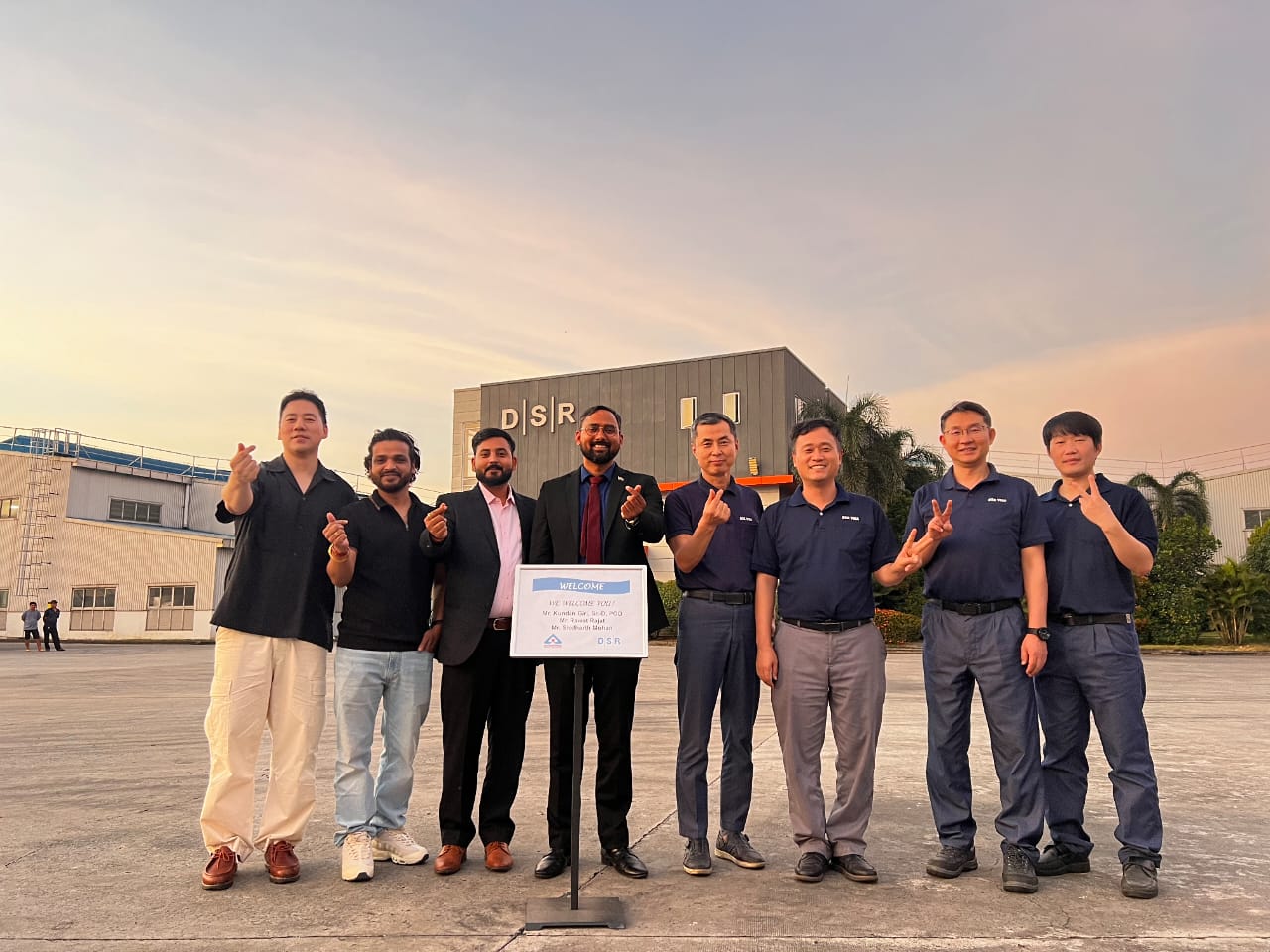
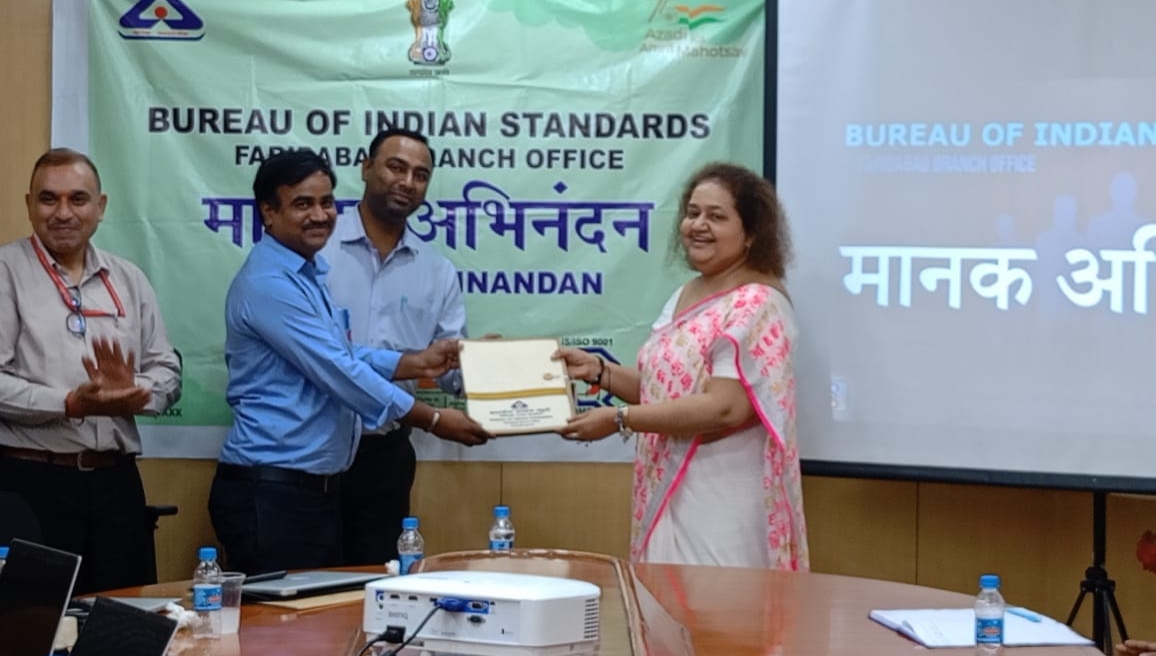
Real sites, real certifications
Our teams work inside factories and plants across India and abroad - inspections, audits and certification milestones spanning BIS, global schemes and the full compliance stack you see on this site.

What our clients say
Reviews and feedback from businesses that have worked with Diligence Certifications.

Related BEE / Energy services
BEE Star Rating
Bureau of Energy Efficiency Star Rating Certification.
View details →BEE Certification Consultants
Expert BEE Certification Consultants for star rating registration, lab testing, model approval.
View details →Energy Efficiency Label
Apply for the SASO Energy Efficiency Label with Diligence Certifications.
View details →Ready to get Water Efficiency Label?
Talk to our experts for a clear, fixed-scope plan - most clients get a roadmap the same day.