 BIS Certification
 CDSCO
CDSCO
 PESO
PESO
 CPCB
CPCB
 LMPC
LMPC
 WPC Approval
 Global Approvals
 TEC
TEC
 ARAI
ARAI
 BEE
BEE
 ISO Certification
 DGCA Certification
 NOC For Steel
 APEDA Registration























 Business Registration
 FSSAI Mark Certification












 (32).jpg)
 Legal Services
 Trademark Registration
 Copyright Registration
 Patent Registration
BIS Certification for Import
BIS Certification for Import is the mandatory Bureau of Indian Standards approval an importer must hold before bringing notified products...
Get expert consultation
Trusted by 25,000+ leading enterprises worldwide








Key takeaways
- BIS Certification is mandatory for importing any product covered by a Quality Control Order (QCO) issued under the BIS Act, 2016.
- Certification is granted by the Bureau of Indian Standards (BIS), the national standards body under the Ministry of Consumer Affairs.
- There are two main import routes: the ISI Mark licence under FMCS for foreign manufacturers, and CRS registration for notified electronics and IT goods.
- A foreign manufacturer without an Indian office must appoint an Authorized Indian Representative (AIR).
- Applications are filed online on the BIS Manak Online portal, with product samples tested in BIS-recognised laboratories.
- Indian Customs can detain or reject consignments of notified goods that do not carry a valid BIS licence or registration.
- The licence or registration must be renewed before expiry to keep imports flowing without interruption.
What is BIS Certification for Import?
BIS Certification for Import is the conformity approval that an importer or foreign manufacturer must obtain from the Bureau of Indian Standards before a notified product can be sold in India. The Government of India issues Quality Control Orders (QCOs) that make compliance with a relevant Indian Standard compulsory for specified goods, whether they are made in India or imported. For those products, a valid BIS licence or registration is a precondition for legal import, sale and customs clearance.
Importers often assume that a foreign certification or an international standard is enough. It is not. Once a product appears in a QCO, only a BIS licence or registration recognised in India makes it lawful to import, and the certified product must carry the prescribed BIS marking. Getting the route right at the outset saves months of delay and avoids consignments being held at the port.
Common imported products that need BIS
- Electronics and IT: laptops, monitors, power adaptors, LED lighting
- Household appliances and electricals
- Steel and other metal products
- Toys and children’s products
- Footwear, textiles and selected chemicals
- Any item listed in a current Quality Control Order
Which BIS scheme applies to your import
The correct route depends on the product category. Picking the wrong scheme is the most common reason for rejected applications and stranded stock, so this is the first thing we confirm.
| Scheme | When it applies |
|---|---|
| FMCS (Scheme-I, ISI Mark) | Foreign manufacturers of notified products such as steel, electricals, appliances and chemicals who must affix the ISI Mark. |
| CRS (Compulsory Registration Scheme) | Notified electronics and IT goods registered through self-declaration of conformity with the Standard Mark. |
| Foreign manufacturer registration | Overseas factories applying for either route, supported by an Authorized Indian Representative. |
| Feature | FMCS / ISI | CRS |
|---|---|---|
| Factory audit | Yes, on-site audit | No routine audit |
| Sample testing | Required | Required |
| Marking | ISI Mark | BIS Standard Mark with R-number |
| AIR required | Yes, for foreign units | Yes, for foreign units |
Who needs BIS Certification for Import
BIS certification obligations apply to anyone placing a notified imported product on the Indian market. Because the licence is tied to the manufacturer, the product and the standard, the responsibility usually sits with the overseas factory, supported in India by an Authorized Indian Representative.
Parties typically involved
- Foreign manufacturers exporting notified goods to India
- Indian importers and distributors sourcing regulated products from abroad
- Authorized Indian Representatives (AIR) resident in India who hold responsibility for compliance
- E-commerce sellers and brand owners listing notified imported products
- Multinationals consolidating supply from several overseas plants, each needing its own licence
Why it is mandatory for importers
India operates a strict quality control regime to keep substandard and unsafe goods out of the market. When a product is brought under a Quality Control Order, importing it without a valid BIS licence or registration is an offence under the BIS Act, 2016. The certified product must carry the prescribed marking, and Customs officers are empowered to check compliance at the port of entry.
What non-compliance can cost you
- Customs detention: consignments of notified goods can be held, sent back or destroyed.
- Penalties and prosecution: fines and action under the BIS Act for selling uncertified goods.
- Market rejection: retailers, marketplaces and distributors will not stock non-compliant products.
- Stranded capital: blocked stock and demurrage charges while approvals are sorted out.
The certification process, step by step
Applications are filed online on the BIS Manak Online portal. A separate application is required for each product, Indian Standard and factory location. The path differs for the ISI Mark route and the CRS route.
ISI Mark via FMCS
Prepare and appoint AIR
Identify the applicable Indian Standard, compile the dossier and appoint an Authorized Indian Representative for the foreign factory.
Apply on the portal
File the FMCS application on BIS Manak Online with product, factory and quality documentation.
Factory audit and testing
A BIS officer audits the overseas factory and seals samples, which are tested in a BIS-recognised laboratory.
Grant of licence
On a satisfactory audit and test report, the BIS licence is granted and the ISI Mark may be affixed.
CRS registration
Confirm notification
Check that the electronic or IT product is notified under the Compulsory Registration Scheme.
Lab testing
Test the product in a BIS-recognised laboratory in India against the relevant Indian Standard.
Online application
Submit the test report and documents on the portal, with an AIR where the manufacturer is overseas.
Registration and R-number
BIS issues the registration and a unique R-number, which must appear with the Standard Mark on the product.
Documents required
- Business registration or factory licence of the manufacturer, with an English translation where needed
- Authorized Indian Representative appointment and undertaking (prepared by us)
- Manufacturing process flow chart and product or component drawings
- Quality manual, quality plan and in-house test formats
- List of raw materials, manufacturing machinery and test equipment
- Product test reports against the applicable Indian Standard
- Trademark or brand authorisation, where applicable
- Plant layout and factory location details
Validity & renewal
- An FMCS / ISI Mark licence is typically valid for 1 to 2 years and is renewable.
- A CRS registration is generally valid for 2 years and is renewable on continued conformity.
- Renewal requires fresh test reports and, for ISI, may involve a follow-up audit.
- Any change in factory, brand, model or standard needs a fresh application.
- BIS conducts surveillance and may collect market samples at any time.
Choosing a route? See our ISI Mark Certification, FMCS Mark Certification and CRS Certification services, or our overview of BIS Certification.
Fees, timeline & cost factors
Exact cost and timeline depend on the scheme, the product, the chosen laboratory and the country of origin. The typical components are:
| Cost factor | Details |
|---|---|
| Application and processing fee | BIS fee per product and standard |
| Sample testing | As per the BIS-recognised laboratory selected |
| Factory audit (ISI route) | Audit and travel cost, varies with country and location |
| Licence or registration fee | Marking or registration fee on grant |
| Renewal | Payable before expiry, with fresh testing |
As a guide, CRS registration is usually faster, often a few weeks once testing is complete, while an ISI Mark licence under FMCS involves an overseas audit and commonly takes several months from a complete application.
Not sure which BIS route your import needs?
Tell us the product, its standard and the country of origin, and we will confirm whether you need an ISI Mark licence or CRS registration and map the documents, testing and timeline.
Benefits of getting BIS certified
Smooth customs clearance
Valid certification keeps consignments of notified goods moving through Indian ports without detention.
Legal market entry
BIS certification is the lawful gateway to selling regulated imported products in India.
Consumer trust
Indian buyers recognise the ISI Mark and the BIS Standard Mark as signals of quality and safety.
Distributor confidence
A valid licence enables tie-ups with major retailers, marketplaces and distributors.
Market access
Compliance opens India’s large and demanding market to global manufacturers.
Protection from penalties
Staying compliant avoids fines, prosecution and the loss of blocked stock.
Why Diligence Certifications
BIS import certification is detail-heavy: the right standard, the right scheme, an audit-ready factory and a reliable Authorized Indian Representative all have to line up. We handle that complexity for you, so your products reach the Indian market on time and stay compliant.
- Accurate route assessment, ISI Mark under FMCS or CRS, before you spend on testing
- End-to-end filing on the BIS Manak Online portal and liaison with BIS officers
- AIR support and a complete, audit-ready document set drafted for you
- Coordination of sample testing with BIS-recognised laboratories
- Renewals, surveillance support and help with model or factory changes
- Transparent timelines and a single point of contact throughout
Frequently asked questions
What is BIS Certification for Import?
It is the approval from the Bureau of Indian Standards that an importer or foreign manufacturer must hold before bringing a notified product into India. For products covered by a Quality Control Order, a valid BIS licence or registration is a precondition for legal import, sale and customs clearance.
Which BIS scheme do I need for my imported product?
It depends on the product. Notified electronics and IT goods are registered under the Compulsory Registration Scheme (CRS), while other notified products, such as steel, electricals and appliances, require an ISI Mark licence under the Foreign Manufacturer Certification Scheme (FMCS). We confirm the correct route before you begin.
Do I need an Authorized Indian Representative (AIR)?
Yes. A foreign manufacturer without a branch office in India must appoint an AIR who is resident in India and takes responsibility for compliance under the BIS Act and rules. The AIR is named in the licence or registration.
How long does BIS certification for import take?
CRS registration is usually faster, often a few weeks once laboratory testing is complete. An ISI Mark licence under FMCS involves an overseas factory audit and commonly takes several months from a complete application. Delays in testing, queries or audit scheduling can extend the timeline.
Can my consignment be held at customs without BIS certification?
Yes. For products covered by a Quality Control Order, Indian Customs can detain, reject or return consignments that do not carry valid BIS certification and the prescribed marking. Securing certification before shipping avoids costly detention and demurrage.
Is a foreign or international certification enough to import into India?
No. For notified products you need a BIS licence or registration recognised in India. Foreign certifications and international standards do not substitute for BIS approval, and the certified product must carry the ISI Mark or the BIS Standard Mark with the R-number as applicable.
Why choose Diligence Certification?
For compliance and credibility, Diligence is much more than a checklist - we give you real confidence in your business. We examine your legal, financial and operational status, so you are not just certified, but trusted.
Stronger risk protection
Spot hidden legal, financial or operational risks early - fix problems before they become threats.
Earn stakeholder trust
From investors to customers, people want to work with businesses that play by the rules.
Stay legally aligned
Compliant not just on products but on labour, environmental and tax laws too.
Enhance brand reputation
Show the world you operate with integrity and transparency.
Stand out from competitors
In a crowded market, credibility is your biggest edge.
24×7 expert support
A 100+ strong service team guiding you at every step, free first consultation.
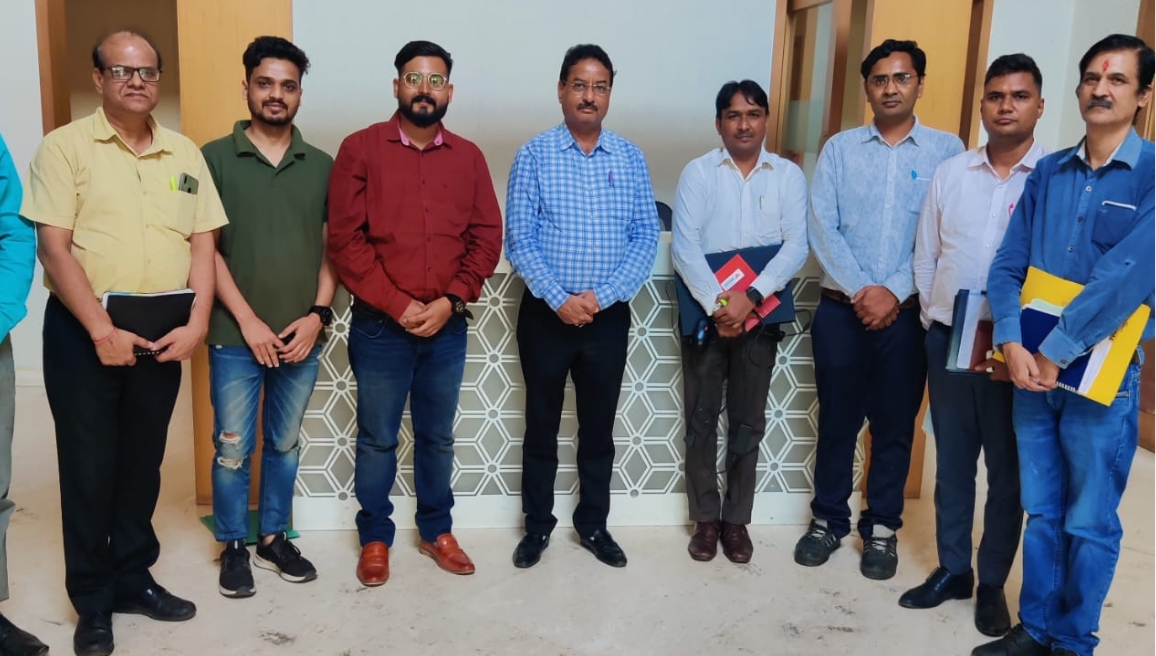
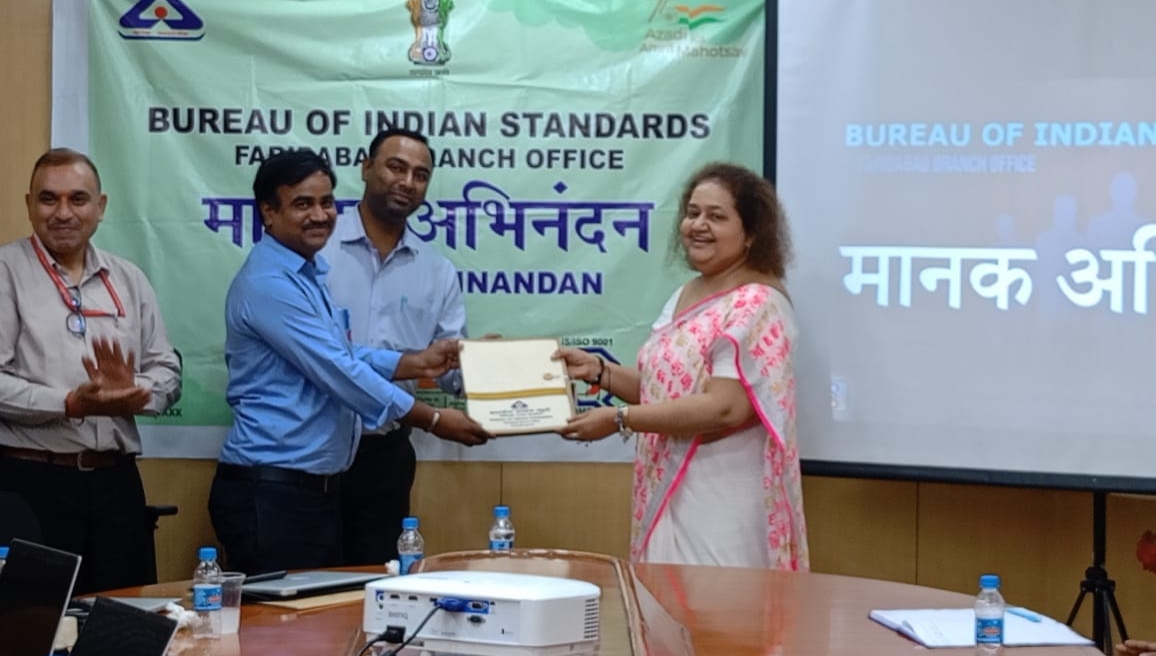
Real sites, real certifications
Our teams work inside factories and plants across India and abroad - inspections, audits and certification milestones spanning BIS, global schemes and the full compliance stack you see on this site.





What our clients say
Reviews and feedback from businesses that have worked with Diligence Certifications.






Related BIS & Standards services
BIS Certification
Get your products BIS certified to ensure compliance with Indian standards.
View details →ISI Mark Certification
ISI Mark Certification for your products with expert guidance.
View details →CRS Mark Certification
BIS CRS Registration for electronics & IT products.
View details →Hallmarking
BIS Hallmarking Certification for gold & jewellery.
View details →FMCS Mark Certification
For foreign manufacturers entering the Indian market.
View details →ECO Mark Certification
Showcase your eco-friendly products with ECO Mark.
View details →Ready to get BIS Certification for Import?
Talk to our experts for a clear, fixed-scope plan - most clients get a roadmap the same day.