 BIS Certification
 CDSCO
CDSCO
 PESO
PESO
 CPCB
CPCB
 LMPC
LMPC
 WPC Approval
 Global Approvals
 TEC
TEC
 ARAI
ARAI
 BEE
BEE
 ISO Certification
 DGCA Certification
 NOC For Steel
 APEDA Registration























 Business Registration
 FSSAI Mark Certification












 (32).jpg)
 Legal Services
 Trademark Registration
 Copyright Registration
 Patent Registration
BIS For Non-Ferrous Refined Metals
BIS certification is now mandatory for refined non-ferrous metals such as refined zinc, refined nickel, tin ingot and primary lead...
Get expert consultation
Trusted by 25,000+ leading enterprises worldwide







Key takeaways
- BIS certification is now mandatory for several refined non-ferrous metals under Quality Control Orders (QCOs) notified by the Ministry of Mines.
- The four metals first brought under compulsory certification are refined zinc, refined nickel, tin ingot and primary lead.
- Licences are issued by the Bureau of Indian Standards (BIS) under the BIS Act, 2016, and certified products must carry the ISI mark (Standard Mark).
- Certification follows Scheme-I of Schedule-II of the BIS (Conformity Assessment) Regulations, 2018.
- Indian producers apply under the domestic scheme; foreign manufacturers apply through the Foreign Manufacturers Certification Scheme (FMCS) and appoint an Authorized Indian Representative (AIR).
- The QCOs took effect from 17 October 2025; uncertified metal cannot be sold or imported into India.
- The licence is typically valid for up to 2 years and renewable, subject to BIS conditions.
What is BIS certification for non-ferrous refined metals?
BIS certification for non-ferrous refined metals is a mandatory product certification that confirms refined metal complies with the relevant Indian Standard before it can be sold, stocked or imported into India. It is granted by the Bureau of Indian Standards under the BIS Act, 2016, and entitles the producer to apply the ISI mark (the BIS Standard Mark) to certified output.
The requirement flows from Quality Control Orders issued by the Ministry of Mines, which bring named non-ferrous metals under compulsory certification. Once a metal is covered by a QCO, no person may manufacture, import, distribute, sell or store that metal for sale unless it bears a valid BIS Standard Mark. The aim is to keep sub-standard and adulterated refined metal out of the Indian supply chain and to give downstream industries assured purity and quality.
Metals currently brought under compulsory certification
- Refined zinc (zinc ingots and slabs)
- Refined nickel (nickel cathodes and ingots)
- Tin ingot (refined tin)
- Primary lead (refined lead)
Metals, standards and the QCO framework
Each metal is certified against a specific Indian Standard. The QCO names the standard, and the BIS licence is issued against that standard. The list below reflects the first tranche of non-ferrous metals notified by the Ministry of Mines; further metals may be added by later orders.
| Metal | Indian Standard |
|---|---|
| Refined zinc | IS 209 |
| Refined nickel | IS 2782 |
| Tin ingot | IS 26 |
| Primary lead | IS 27 |
| Framework element | Detail |
|---|---|
| Governing law | Bureau of Indian Standards Act, 2016 |
| Notified by | Ministry of Mines (Quality Control Orders) |
| Certification scheme | Scheme-I, Schedule-II, BIS (Conformity Assessment) Regulations, 2018 |
| Mark applied | ISI mark (BIS Standard Mark) with the licence number |
For the general product-certification route and the mark itself, see our BIS Certification and ISI Mark Certification services.
Who needs this certification
The QCOs apply equally to domestic and foreign producers placing covered refined metal on the Indian market. If your metal falls under a notified standard and is intended for sale in India, the BIS Standard Mark is compulsory.
- Indian smelters and refiners producing refined zinc, nickel, tin or lead for the domestic market
- Foreign manufacturers exporting covered refined metals to India
- Importers and traders who stock or sell these metals in India
- Recyclers and secondary refiners whose output meets a notified Indian Standard and is sold as refined metal
What is outside the order
- Metal produced solely for export (export-oriented output is generally exempt)
- Grades or products not covered by a notified Indian Standard
- Any specific exemptions stated within the relevant QCO
Why the BIS mark is now mandatory
Once a metal is covered by a Quality Control Order, selling, importing or storing it for sale without a valid BIS Standard Mark is an offence under the BIS Act, 2016. The order applies to Indian and overseas producers alike, and customs clearance can be withheld for uncertified consignments.
What non-compliance can cost you
- Penalties and prosecution under the BIS Act, 2016, including fines and imprisonment for repeated breaches.
- Seizure of stock and rejection of consignments at the port of entry.
- Loss of market access, as buyers and tenders increasingly require the ISI mark.
- Reputational damage and disruption to long-term supply contracts.
The certification process, step by step
The route depends on where the metal is produced. Both paths involve testing against the Indian Standard, a factory audit and the grant of a licence to use the Standard Mark.
Indian manufacturers
Prepare
Identify the applicable Indian Standard, confirm in-house testing capability and align production records with BIS requirements.
Apply on the BIS portal
File the application against the relevant standard and upload firm, factory and test-facility details.
Factory audit & sampling
A BIS officer inspects the works, verifies the quality-control set-up and draws samples for independent testing.
Grant of licence
On satisfactory test reports and audit, BIS grants the licence to use the ISI mark on the metal.
Foreign manufacturers (FMCS)
Appoint an AIR
Nominate an Authorized Indian Representative resident in India to liaise with BIS on your behalf.
File under FMCS
Submit the application on the BIS portal under the Foreign Manufacturers Certification Scheme with factory and product data.
Overseas audit & testing
BIS audits the overseas facility and samples are tested in a BIS-recognised laboratory against the Indian Standard.
Grant of licence
Once compliant, the licence is issued, allowing the ISI mark to be applied before export to India.
Documents required
- Business registration or incorporation documents of the manufacturer
- Factory address proof and manufacturing process flow chart
- List of plant, machinery and in-house test equipment
- Details of the applicable Indian Standard and product grades
- Quality-control and test records, including raw-material control
- Test reports of metal samples against the Indian Standard
- Authorisation of the signatory and, where applicable, a trademark/logo declaration
- For foreign manufacturers: appointment of the Authorized Indian Representative (AIR)
Validity & renewal
- A BIS product licence is generally granted for up to 2 years and is renewable.
- Renewal should be filed before expiry to keep the ISI mark in continuous use.
- BIS conducts periodic surveillance and market sampling during the licence term.
- A licence can be suspended or cancelled for non-conformity or misuse of the mark.
Foreign producers should plan early, as overseas audits and Indian-lab testing add time to the FMCS route.
Fees, validity & timeline
Costs vary with the scheme (domestic or FMCS), the number of standards and grades, sample-testing charges and, for foreign factories, audit and travel costs. The structure below shows the typical components; exact figures are set by the BIS fee schedule in force.
| Component | Details |
|---|---|
| Application & licence fees | BIS application, grant and annual marking fees as per the prevailing schedule |
| Testing charges | Cost of testing samples against the Indian Standard in a recognised laboratory |
| Audit charges | Factory inspection fees, plus travel for overseas audits under FMCS |
| Validity | Typically up to 2 years, renewable before expiry |
| Timeline | Several weeks to a few months, depending on audit scheduling and test turnaround |
Need to certify a refined metal for the Indian market?
Tell us the metal, grade and where it is produced, and we will map the exact standard, scheme, documents and timeline for your BIS licence.
Benefits of BIS certification
Legal market access
Sell, stock and import covered refined metals in India without the risk of seizure or prosecution.
Assured quality
The ISI mark certifies the metal meets the Indian Standard for purity and composition.
Smoother imports
Certified consignments clear customs without quality-related hold-ups.
Buyer confidence
OEMs, smelters and tenders increasingly require the BIS mark from their suppliers.
Level playing field
Common standards for domestic and foreign producers keep competition fair.
Supply-chain integrity
Certification keeps adulterated and sub-standard metal out of downstream industries.
Why work with Diligence Certifications
BIS certification for refined metals is document-heavy and audit-driven, and the FMCS route adds the complexity of overseas inspection and Indian-lab testing. We run the entire mandate so you can focus on production and supply.
- Standard mapping: we confirm the exact Indian Standard and QCO applicable to your metal and grades.
- Application & portal handling: end-to-end filing on the BIS portal for domestic and FMCS routes.
- Audit readiness: we prepare your quality-control system and records so the factory audit goes smoothly.
- AIR support: guidance on appointing and working with an Authorized Indian Representative for foreign factories.
- Testing co-ordination: sample drawing and testing arranged in BIS-recognised laboratories.
- Renewals & surveillance: we track validity and manage renewals and surveillance so the mark stays live.
Frequently asked questions
Which non-ferrous metals now need BIS certification?
The first tranche of refined non-ferrous metals brought under compulsory certification by the Ministry of Mines covers refined zinc, refined nickel, tin ingot and primary lead. Each is certified against its own Indian Standard, and further metals may be added by later Quality Control Orders.
Who issues the certification and under which law?
The Bureau of Indian Standards (BIS) issues the licence under the BIS Act, 2016, against Quality Control Orders notified by the Ministry of Mines. Certified metal carries the ISI mark (the BIS Standard Mark) with the licence number.
Do foreign manufacturers also need a BIS licence?
Yes. Foreign producers exporting covered refined metals to India must obtain a licence through the Foreign Manufacturers Certification Scheme (FMCS), which requires appointing an Authorized Indian Representative (AIR), an audit of the overseas facility and testing of samples in a BIS-recognised laboratory in India.
When did the orders take effect?
The Quality Control Orders for these four metals took effect from 17 October 2025. From that date, the covered metals cannot be manufactured for sale, imported, stocked or sold in India without a valid BIS Standard Mark.
Is metal made only for export covered?
Export-oriented production is generally outside the scope of these orders, which target metal placed on the Indian market. You should always check the exact exemption wording in the relevant QCO for your product.
How long does certification take and how long is it valid?
Timelines usually run from several weeks to a few months, driven by audit scheduling and test turnaround; the FMCS route takes longer because of overseas audits. A BIS product licence is generally granted for up to 2 years and is renewable before expiry, subject to surveillance during the term.
Why choose Diligence Certification?
For compliance and credibility, Diligence is much more than a checklist - we give you real confidence in your business. We examine your legal, financial and operational status, so you are not just certified, but trusted.
Stronger risk protection
Spot hidden legal, financial or operational risks early - fix problems before they become threats.
Earn stakeholder trust
From investors to customers, people want to work with businesses that play by the rules.
Stay legally aligned
Compliant not just on products but on labour, environmental and tax laws too.
Enhance brand reputation
Show the world you operate with integrity and transparency.
Stand out from competitors
In a crowded market, credibility is your biggest edge.
24×7 expert support
A 100+ strong service team guiding you at every step, free first consultation.
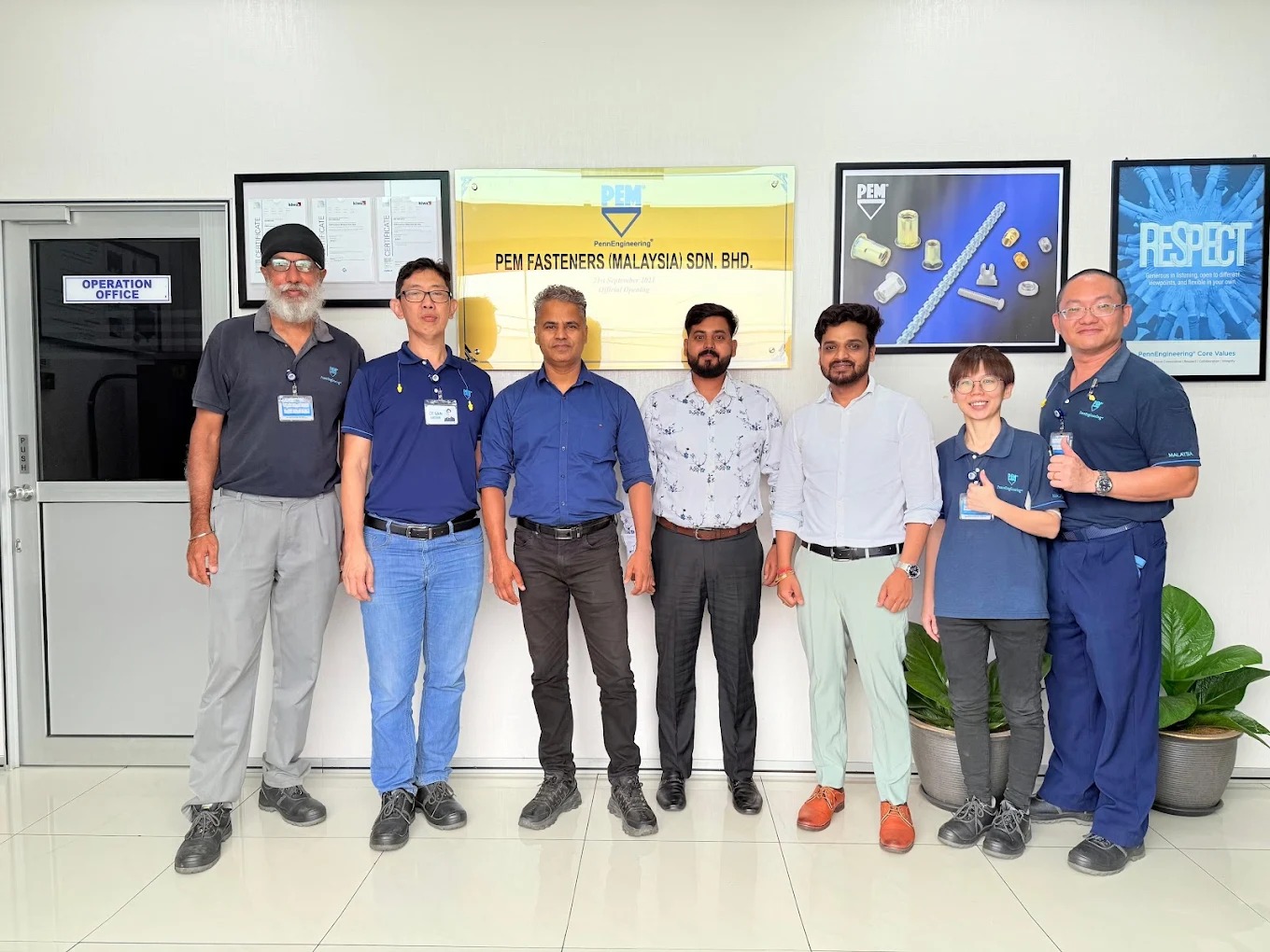
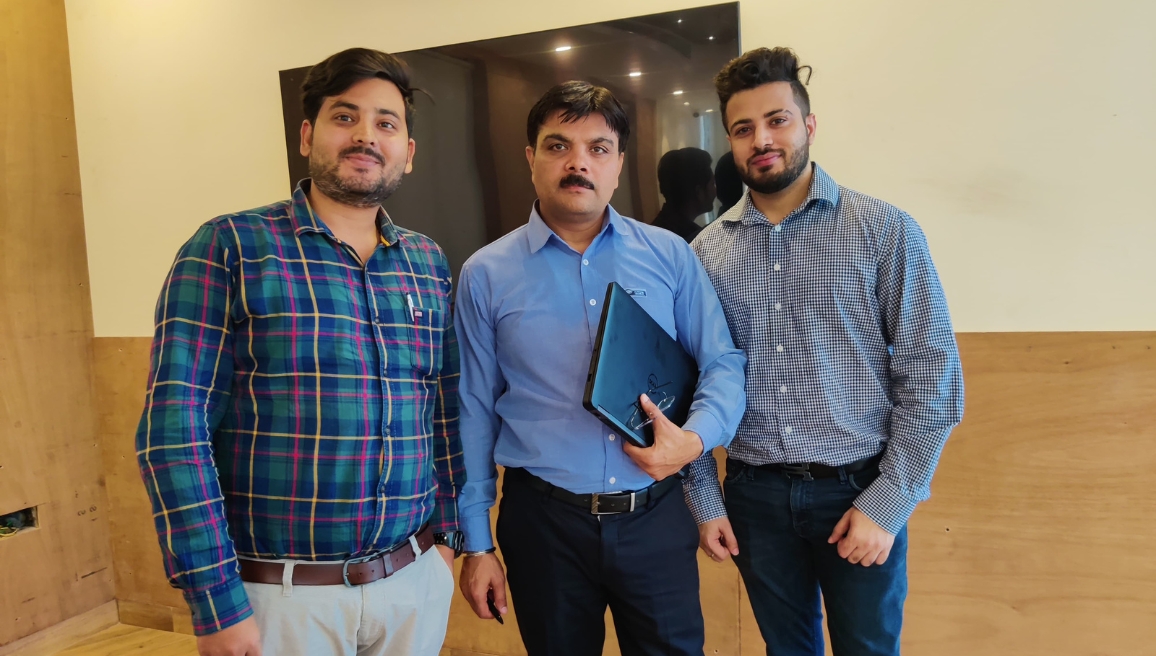
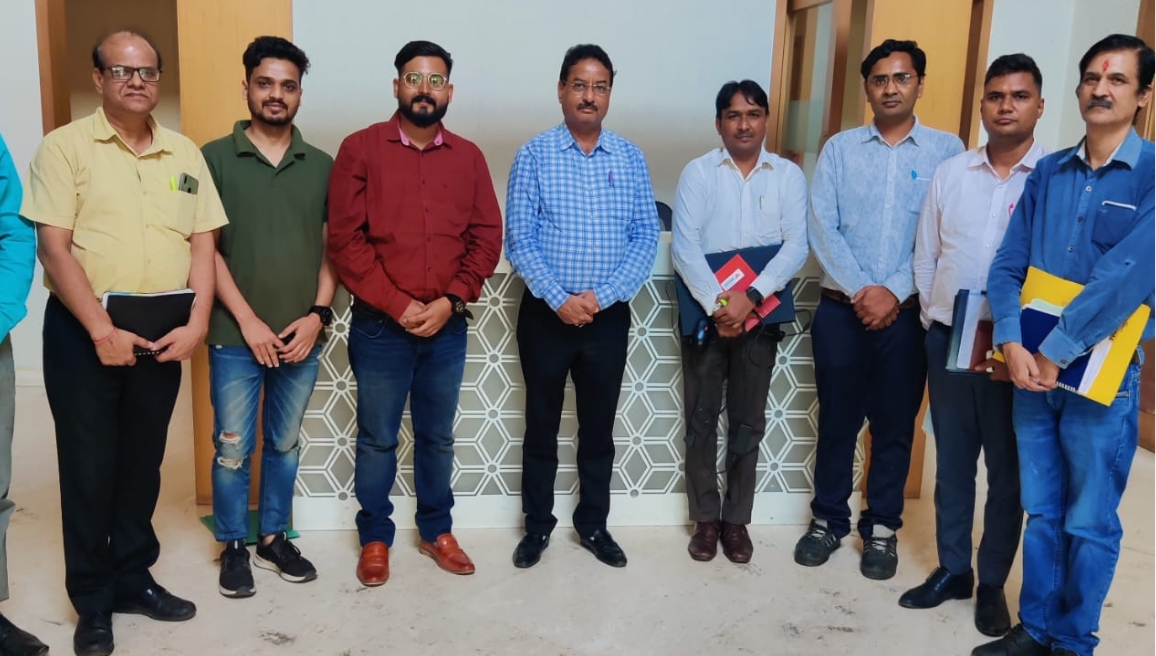
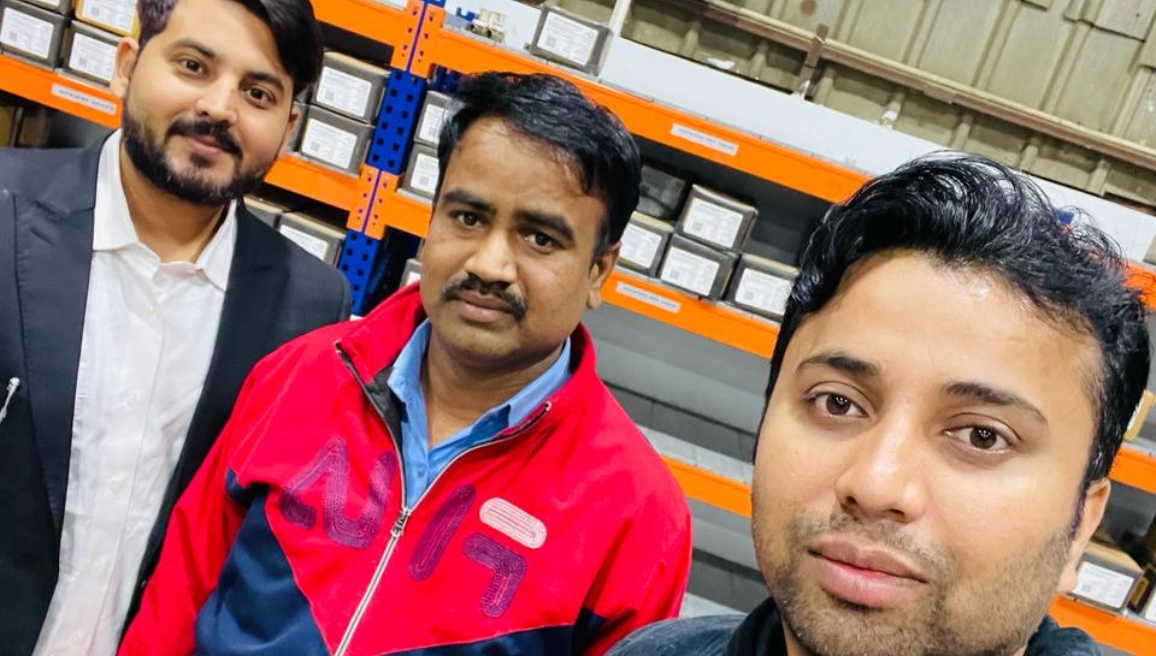
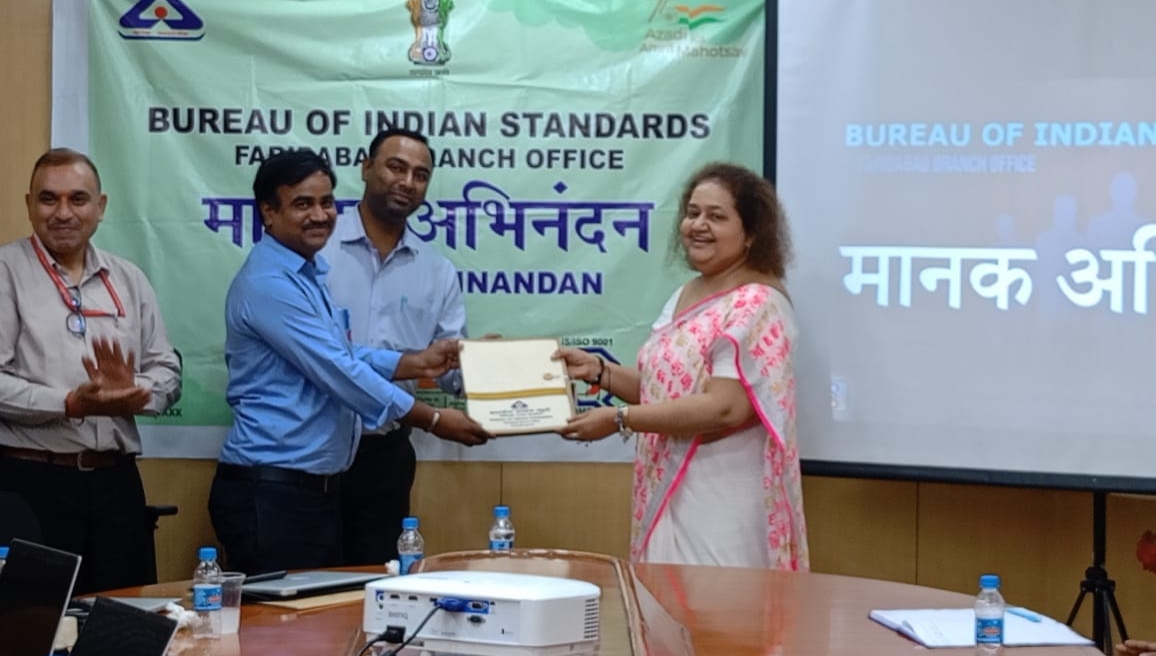
Real sites, real certifications
Our teams work inside factories and plants across India and abroad - inspections, audits and certification milestones spanning BIS, global schemes and the full compliance stack you see on this site.


What our clients say
Reviews and feedback from businesses that have worked with Diligence Certifications.






Related BIS & Standards services
BIS Certification
Get your products BIS certified to ensure compliance with Indian standards.
View details →ISI Mark Certification
ISI Mark Certification for your products with expert guidance.
View details →CRS Mark Certification
BIS CRS Registration for electronics & IT products.
View details →Hallmarking
BIS Hallmarking Certification for gold & jewellery.
View details →FMCS Mark Certification
For foreign manufacturers entering the Indian market.
View details →ECO Mark Certification
Showcase your eco-friendly products with ECO Mark.
View details →Ready to get BIS For Non-Ferrous Refined Metals?
Talk to our experts for a clear, fixed-scope plan - most clients get a roadmap the same day.