 BIS Certification
 CDSCO
CDSCO
 PESO
PESO
 CPCB
CPCB
 LMPC
LMPC
 WPC Approval
 Global Approvals
 TEC
TEC
 ARAI
ARAI
 BEE
BEE
 ISO Certification
 DGCA Certification
 NOC For Steel
 APEDA Registration























 Business Registration
 FSSAI Mark Certification












 (32).jpg)
 Legal Services
 Trademark Registration
 Copyright Registration
 Patent Registration
Cheque Bounce Notice
A cheque bounce notice is the mandatory legal demand you must send under Section 138 of the Negotiable Instruments Act,...
Get expert consultation
Trusted by 25,000+ leading enterprises worldwide










Key takeaways
- A cheque bounce notice is the statutory demand sent under Section 138 of the Negotiable Instruments Act, 1881 when a cheque is dishonoured.
- The notice must be sent within 30 days of receiving the bank’s cheque return memo.
- The drawer (cheque issuer) then gets 15 days to pay before a criminal complaint can be filed.
- A complaint must be filed within 30 days of the expiry of that 15-day window.
- Dishonour of a cheque is a criminal offence punishable with imprisonment up to two years, a fine up to twice the cheque amount, or both.
- The case is tried by a Judicial Magistrate, and the notice is the essential first step before any complaint.
What is a cheque bounce notice?
A cheque bounce notice is a formal legal demand sent to the person who issued a cheque (the drawer) after that cheque is returned unpaid by the bank. It is the mandatory first step before any legal action can be taken under Section 138 of the Negotiable Instruments Act, 1881, which makes the dishonour of a cheque a punishable offence.
Cheques bounce for several reasons, most commonly insufficient funds, but also signature mismatch, a stopped payment, an overwriting, or an expired cheque. Whatever the reason, the law gives the payee a clear remedy: send a properly drafted notice demanding payment, and if it is ignored, pursue a criminal complaint to recover the amount.
Common reasons a cheque is dishonoured
- Insufficient funds in the drawer’s account
- Signature does not match bank records
- Payment stopped by the drawer
- Overwriting or alteration on the cheque
- Cheque presented after it has expired (stale)
- Mismatch in the amount in words and figures
When should you send a notice?
If you have received a cheque that the bank has returned unpaid, you should act quickly. The right to prosecute under Section 138 depends entirely on sending a valid notice within the prescribed time.
| Situation | Why a notice matters |
|---|---|
| Business payment dishonoured | Recover dues from a client or vendor against goods or services supplied. |
| Loan repayment cheque bounced | Enforce repayment of a friendly or commercial loan. |
| Rent or EMI cheque returned | Pursue arrears against tenants or borrowers. |
| Security or post-dated cheque | Act where a cheque issued to discharge a liability is dishonoured. |
| Essential condition | Requirement |
|---|---|
| Legally enforceable debt | The cheque must be towards a genuine debt or liability. |
| Presented in time | Within its validity period (three months from the date on the cheque). |
| Return memo | A bank dishonour memo stating the reason is required. |
| Notice in time | Demand notice issued within 30 days of the return memo. |
The Section 138 process, step by step
Cheque bounce matters run on strict timelines. Missing a deadline can extinguish your right to prosecute, so the sequence below must be followed carefully.
The demand notice
Dishonour
The bank returns the cheque unpaid and issues a return memo stating the reason for dishonour.
Draft the notice
Within 30 days of the memo, a legal notice is drafted demanding payment of the cheque amount.
Dispatch
The notice is sent to the drawer by registered post or speed post, with proof of dispatch retained.
Wait 15 days
The drawer has 15 days from receipt to make the payment and settle the matter.
The criminal complaint
Cause of action
If payment is not made within 15 days, a cause of action arises to prosecute the drawer.
File the complaint
A complaint is filed before the Judicial Magistrate within 30 days of the 15-day period ending.
Summons and trial
The court issues summons, records evidence and conducts a summary trial.
Judgment
The court may order payment of compensation and impose a fine or imprisonment.
The deadlines that make or break your case
Section 138 of the Negotiable Instruments Act, 1881 lays down a precise timeline. Each clock starts on a specific event, and a delay at any stage can defeat an otherwise strong claim. We track these dates for you so nothing lapses.
- 3 months: the window within which the cheque must be presented to the bank from its date.
- 30 days: time to send the demand notice from the date of the bank return memo.
- 15 days: the period the drawer is given to make payment after receiving the notice.
- 30 days: time to file the criminal complaint after the 15-day payment period ends.
Contents of a valid notice
A notice that misses a required element can be challenged in court. A properly drafted cheque bounce notice should clearly set out the following.
Cheque details
The cheque number, date, amount and the drawee bank.
Underlying transaction
The debt or liability the cheque was issued to discharge.
Dishonour facts
The date of presentation, return and the reason stated in the memo.
Demand for payment
A clear demand for the cheque amount within 15 days of receipt.
Legal consequences
A statement that prosecution under Section 138 will follow on default.
Authorised signature
Signed by the payee or an advocate duly instructed on their behalf.
Documents required
- Original dishonoured cheque
- Bank cheque return memo stating the reason for dishonour
- Proof of the underlying debt or transaction (invoice, agreement, ledger)
- Identity and address details of the drawer and the payee
- Bank statement showing the cheque was presented
- Any earlier correspondence or reminders for payment
How we help
- Assess your case and confirm the cause of action
- Draft a precise, legally sound demand notice
- Dispatch by registered and speed post with proof retained
- Track the 15-day window and advise on next steps
- Prepare and file the complaint before the Magistrate if needed
- Represent you through the trial to recover your money
Need related help? See our Legal Notice and Consumer Complaint services.
Benefits of sending a proper notice
Quick settlement
Most drawers pay once a formal notice arrives, settling the matter without litigation.
Preserves your rights
A timely notice keeps your right to prosecute under Section 138 intact.
Documented record
It creates clear, dated evidence of demand that strengthens any later complaint.
Recovery with compensation
Courts can award compensation up to twice the cheque amount.
Negotiating leverage
The threat of criminal prosecution often brings the other side to the table.
Avoids delay traps
Professional handling ensures every statutory deadline is met on time.
What the law provides
Section 138 treats the dishonour of a cheque as a criminal offence, not merely a civil default. On conviction, the court can impose:
| Remedy | Details |
|---|---|
| Imprisonment | For a term that may extend up to two years. |
| Fine | Up to twice the amount of the dishonoured cheque. |
| Compensation | The court may direct the convicted drawer to compensate the complainant. |
| Interim compensation | The court may order interim compensation during the pendency of the trial. |
Has a cheque bounced on you?
Send us the cheque and the return memo, and we will confirm your deadlines, draft the notice and start recovery without delay.
Recovery handled end to end
- Experienced advocates who handle Section 138 matters routinely
- Notices drafted to withstand technical challenges in court
- Strict diary management so no statutory deadline is ever missed
- Transparent updates from notice through to final hearing
- Representation across courts wherever your matter is filed
- A single point of contact for the entire recovery process
Frequently asked questions
What is a cheque bounce notice?
It is a formal legal demand sent to the person who issued a dishonoured cheque, under Section 138 of the Negotiable Instruments Act, 1881. It demands payment of the cheque amount and is the mandatory first step before filing a criminal complaint.
Within how many days must the notice be sent?
The notice must be sent within 30 days of receiving the bank’s cheque return memo. The drawer then has 15 days from receipt of the notice to make the payment.
What happens if the drawer ignores the notice?
If the cheque amount is not paid within 15 days of receiving the notice, you can file a criminal complaint before the Judicial Magistrate within the next 30 days to prosecute the drawer.
What is the punishment for a bounced cheque?
On conviction under Section 138, the drawer can face imprisonment of up to two years, a fine of up to twice the cheque amount, or both, along with compensation to the complainant.
Can the matter be settled without going to court?
Yes. In most cases the drawer pays the amount once a formal notice is received, and the dispute is settled. The criminal complaint is only filed if payment is not made within the 15-day period.
Within what time must the cheque be presented to the bank?
A cheque must be presented within its validity period, which is three months from the date written on the cheque. A cheque presented after this period is stale and cannot be the basis of a Section 138 complaint.
Why choose Diligence Certification?
For compliance and credibility, Diligence is much more than a checklist - we give you real confidence in your business. We examine your legal, financial and operational status, so you are not just certified, but trusted.
Stronger risk protection
Spot hidden legal, financial or operational risks early - fix problems before they become threats.
Earn stakeholder trust
From investors to customers, people want to work with businesses that play by the rules.
Stay legally aligned
Compliant not just on products but on labour, environmental and tax laws too.
Enhance brand reputation
Show the world you operate with integrity and transparency.
Stand out from competitors
In a crowded market, credibility is your biggest edge.
24×7 expert support
A 100+ strong service team guiding you at every step, free first consultation.
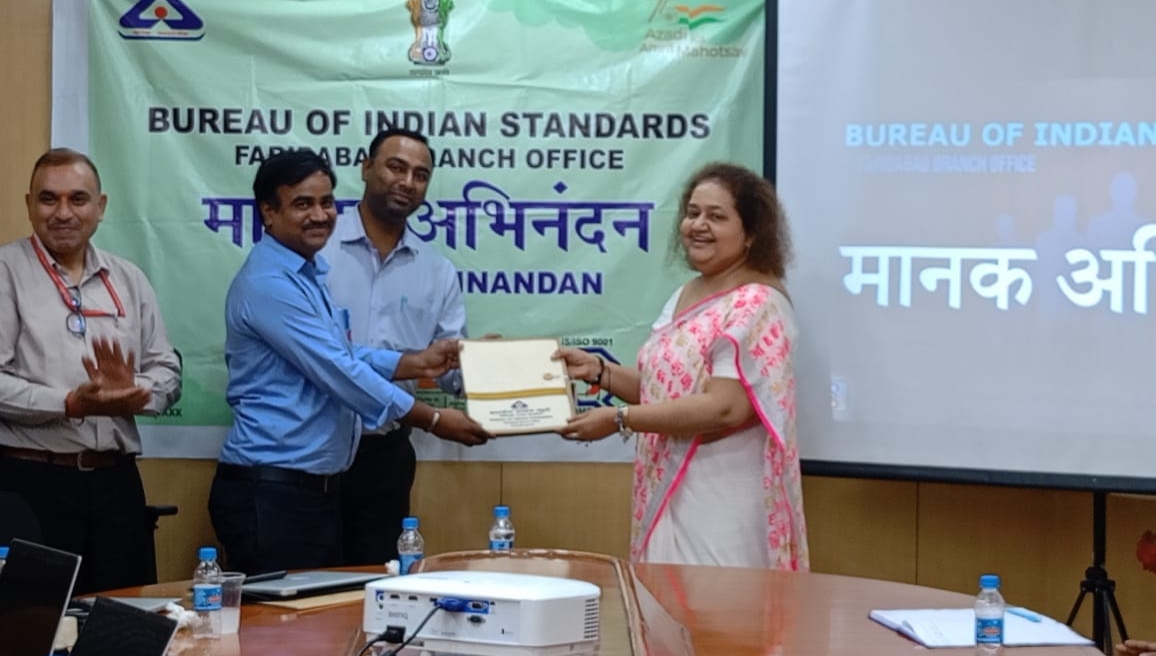
Real sites, real certifications
Our teams work inside factories and plants across India and abroad - inspections, audits and certification milestones spanning BIS, global schemes and the full compliance stack you see on this site.






What our clients say
Reviews and feedback from businesses that have worked with Diligence Certifications.










Related BIS & Standards services
BIS Certification
Get your products BIS certified to ensure compliance with Indian standards.
View details →ISI Mark Certification
ISI Mark Certification for your products with expert guidance.
View details →CRS Mark Certification
BIS CRS Registration for electronics & IT products.
View details →Hallmarking
BIS Hallmarking Certification for gold & jewellery.
View details →FMCS Mark Certification
For foreign manufacturers entering the Indian market.
View details →ECO Mark Certification
Showcase your eco-friendly products with ECO Mark.
View details →Ready to get Cheque Bounce Notice?
Talk to our experts for a clear, fixed-scope plan - most clients get a roadmap the same day.