



 BIS Certification
 CDSCO
CDSCO
 CPCB
CPCB
 LMPC
LMPC
 WPC Approval
 Global Approvals
 TEC
TEC
 ARAI
ARAI
 BEE
BEE
 ISO Certification
 DGCA Certification
 NOC For Steel
 APEDA Registration













 Business Registration
 FSSAI Mark Certification









 Legal Services
 Trademark Registration
 Copyright Registration
 Patent Registration
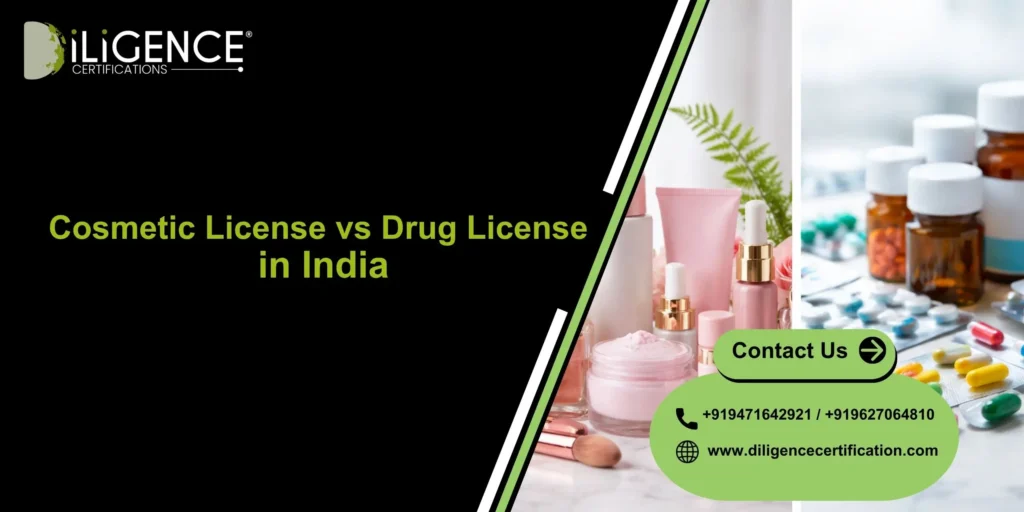
- A cosmetic license is required for products like skincare, haircare, and beauty items, while a drug license is mandatory for medicines and pharmaceutical products.
- Cosmetic License vs Drug License licenses are governed under the Drugs and Cosmetics Act, 1940 but have different compliance requirements and authorities.
- Drug licenses require stricter regulations, qualified personnel, and storage conditions compared to cosmetic licenses.
- Cosmetics focus on safety and labeling, whereas drugs focus on safety, efficacy, and therapeutic claims.
- Non-compliance in either license can lead to heavy penalties, business closure, or legal action.
Introduction | Cosmetic License vs Drug License
In India, regulatory compliance plays a crucial role in ensuring the safety and quality of products available in the market. Businesses dealing with cosmetics or pharmaceutical products must obtain proper licenses before manufacturing, selling, or distributing their goods. Two of the most important licenses in this sector are the cosmetic license and the drug license.
Although both fall under the same legal framework, they serve very different purposes and involve distinct compliance requirements. Many business owners often get confused between the two, which can lead to delays, penalties, or rejection of applications.
This blog provides a complete and easy-to-understand comparison between cosmetic licenses and drug licenses in India, including their definitions, importance, benefits, processes, and challenges.
What is a Cosmetic License?
A cosmetic license is an official approval granted to businesses involved in the manufacturing, importing, or selling of cosmetic products. Cosmetics include items used for cleansing, beautifying, or altering appearance without affecting the body’s internal functions.
Examples of Cosmetic Products:
- Face creams and lotions
- Shampoos and conditioners
- Lipsticks and makeup products
- Perfumes and deodorants
Types of Cosmetic Licenses:
- Manufacturing License
- Import License
- Sale License
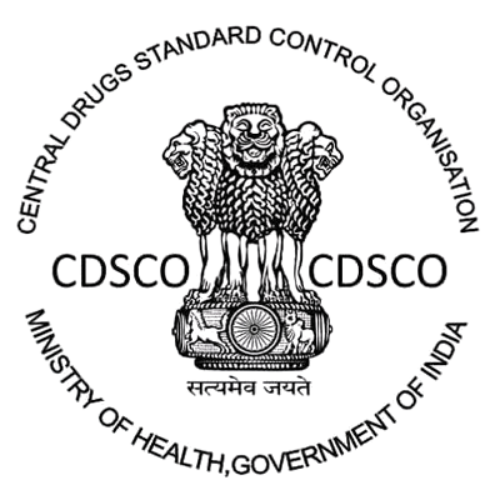
These licenses are regulated by the State Drug Control Department and the Central Drugs Standard Control Organization (CDSCO) for imports Cosmetic License vs Drug License.
What is a Drug License?
A drug license is a mandatory approval required for businesses dealing with pharmaceutical products, including medicines and medical devices. These products are intended for diagnosis, treatment, mitigation, or prevention of diseases.
Examples of Drug Products:
- Tablets and capsules
- Syrups and injections
- Vaccines
- Medical devices
Types of Drug Licenses:
- Retail Drug License
- Wholesale Drug License
- Manufacturing Drug License
Drug licenses are issued by the State Drug Control Authority and regulated at the central level by CDSCO.
Why These Cosmetic License vs Drug Licenses Are Important
Obtaining the correct Cosmetic License vs Drug License is not just a legal requirement but also essential for maintaining product quality, consumer trust, and business credibility.
Key Reasons:
- Ensures consumer safety
- Builds trust in the market
- Prevents legal penalties
- Enhances business credibility
- Enables smooth market operations
Cosmetic License – Why It Matters:
- Ensures products are safe for external use
- Maintains labeling and ingredient transparency
- Prevents harmful substances in cosmetics
Drug License – Why It Matters:
- Ensures medicines are safe and effective
- Requires qualified pharmacists or experts
- Maintains strict storage and distribution standards
Important Differences and Benefits Cosmetic License vs Drug License
| Aspect | Cosmetic License | Drug License |
| Purpose | For beauty and personal care products | For medicines and healthcare products |
| Governing Law | Drugs and Cosmetics Act, 1940 | Drugs and Cosmetics Act, 1940 |
| Regulatory Authority | State Authority / CDSCO | State Authority / CDSCO |
| Product Type | External use products | Internal or therapeutic use products |
| Safety Requirement | Basic safety compliance | High-level safety and efficacy standards |
| Technical Staff | Not always mandatory | Qualified pharmacist required |
| Storage Conditions | General storage | Strict temperature and safety conditions |
| Testing Requirements | Basic testing | Advanced clinical/testing requirements |
| Risk Level | Low risk | High risk |
| Business Impact | Easier entry | Highly regulated |
Benefits of Cosmetic License:
- Easy market entry for beauty businesses
- Lower compliance burden
- Growing demand in personal care industry
Benefits of Drug License:
- High credibility and trust
- Access to pharmaceutical market
- Long-term business sustainability
Process to Obtain Cosmetic License vs Drug License
Cosmetic License Process:
- Identify license type (manufacturing, sale, or import)
- Prepare required documents (ID proof, premises details, product list)
- Apply through the State Drug Control Department or CDSCO portal
- Inspection of premises (if applicable)
- Approval and issuance of license
Drug License Process:
- Determine license type (retail, wholesale, or manufacturing)
- Ensure availability of qualified pharmacist
- Prepare documents (qualification certificates, premises proof, storage details)
- Submit application to State Drug Authority
- Inspection by drug inspector
- License approval and issuance
Challenges of Getting This Certification Without a Consultant
While it is possible to apply for these Cosmetic License vs Drug License licenses independently, many businesses face several challenges during the process.
Common Challenges:
- Lack of knowledge about regulatory requirements
- Incorrect documentation leading to rejection
- Difficulty in understanding compliance standards
- Delays due to procedural errors
- Failure in inspection due to non-compliance
Specific Challenges in Cosmetic License:
- Incorrect product categorization
- Labeling compliance issues
- Import documentation complexities
Specific Challenges in Drug License:
- Requirement of qualified personnel
- Strict infrastructure norms
- Complex regulatory approvals
Why Choose Diligence Certification for This Certification
Choosing the right consultant can make a significant difference in obtaining your license quickly and efficiently Diligence Certification.
Reasons to Choose Diligence Certification:
- Expert knowledge of regulatory frameworks
- End-to-end documentation support
- Faster approval process
- Assistance in inspection preparation
- Affordable and transparent pricing
- Dedicated support team
Diligence Certification helps businesses avoid costly mistakes and ensures smooth approval by handling the entire process professionally.
Conclusion
Understanding the difference between a Cosmetic License vs Drug License is essential for any business operating in the beauty or pharmaceutical sector. While both licenses fall under the same law, their requirements, compliance levels, and processes differ significantly.
Cosmetic License vs Drug License are relatively simpler and focus on external-use products, while drug licenses involve strict regulations due to the sensitive nature of medicines. Choosing the right license not only ensures legal compliance but also builds trust and credibility in the market.
For businesses looking to simplify the process and avoid complications, professional guidance can be highly beneficial.
Frequently Asked Questions (FAQs)
What is the main difference between a cosmetic license and a drug license?
Cosmetic license is for beauty products, while drug license is for medicines and healthcare products.
Is a cosmetic license mandatory in India?
Yes, it is mandatory to manufacture, sell, or import cosmetic products legally.
Who issues drug licenses in India?
Drug licenses are issued by the State Drug Control Authority.
Can the same license be used for both cosmetics and drugs?
No, separate licenses are required for cosmetics and drugs.
Is a pharmacist required for a cosmetic license?
No, a pharmacist is generally not required for cosmetic licenses.
Is a pharmacist mandatory for a drug license?
Yes, a qualified pharmacist is required for drug licenses.
How long does it take to get a cosmetic license?
It usually takes a few weeks to a couple of months depending on the application.
What happens if I operate without a drug license?
You may face penalties, legal action, or business closure.
Can I apply for these licenses online?
Yes, applications can be submitted through online government portals.
Why should I hire a consultant for these licenses?
A consultant helps avoid errors, speeds up approval, and ensures compliance.