


 BIS Certification
 CDSCO
CDSCO
 CPCB
CPCB
 LMPC
LMPC
 WPC Approval
 Global Approvals
 TEC
TEC
 ARAI
ARAI
 BEE
BEE
 ISO Certification
 DGCA Certification
 NOC For Steel
 APEDA Registration













 Business Registration
 FSSAI Mark Certification











 Legal Services
 Trademark Registration
 Copyright Registration
 Patent Registration
- FMCS Certification for Chinese Exporters to India is obligatory for numerous products manufactured outside India and exported to the Indian request.
- Chinese manufacturers must misbehave with Indian norms( IS) and BIS regulations before dealing in India.
- Plant examination and product testing are conducted under the supervision of BIS- honored laboratories.
- Non-compliance can lead to payload rejection, penalties, or import bans in India.
- A professional adviser simplifies attestation, collaboration, and blessing timelines under the FMCS scheme.
Introduction | FMCS Certification for Chinese Exporters to India
India is one of the world’s fastest-growing consumer and industrial markets, making it a highly attractive destination for Chinese manufacturers. However, entering the Indian market is not just about competitive pricing or high production capacity—it is also about regulatory compliance. One of the most critical regulatory requirements for foreign manufacturers is the FMCS Mark Certification issued by the Bureau of Indian Standards.
For Chinese manufacturers exporting electrical, electronic, mechanical, construction, or consumer products to India, the FMCS instrument is n’t voluntary it is fairly obligatory for products notified under the mandatory instrument. This blog explains what FMCS Mark Certification is, why it’s needed, its benefits, challenges without an adviser , and why choosing an Diligence Certification makes a difference, specifically from the perspective of Chinese manufacturers exporting to India.
What is FMCS Mark Certification?
FMCS stands for Foreign Manufacturers Certification Scheme. It’s an instrument system introduced by BIS to ensure that products manufactured outside India meet Indian norms( IS) before they’re imported and vended in India.
- Applicable to foreign manufacturers, including Chinese manufacturers.
- Ensures product safety, quality, and performance as per Indian norms.
- Requires product testing in BIS- honored laboratories.
- Involves on- point plant examination by BIS officers.
- Instrument is granted to the manufacturing unit, not the dealer or exporter.
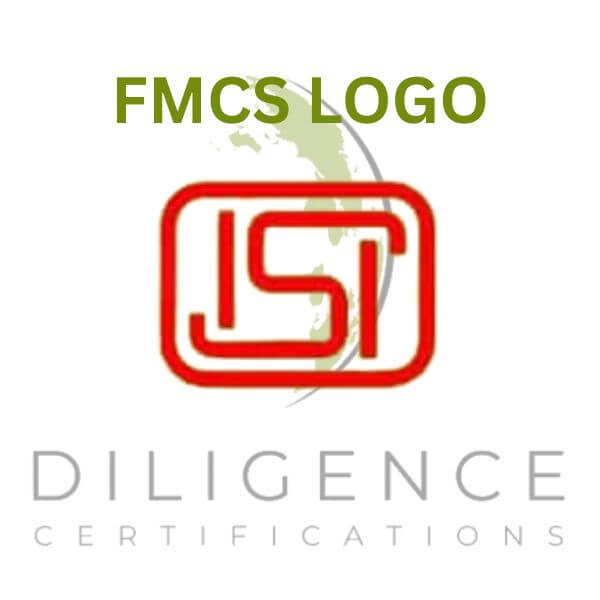
Under FMCS, formerly an instrument is granted, the manufacturer is authorized to use the Standard Mark( ISI Mark) on pukka products exported to India.
Why FMCS Mark Certification is Required
1. Legal demand for significance into India The Indian government has notified several products under the mandatory BIS instrument. Importing these products without FMCS blessing is illegal.
2. Consumer Safety and Quality Assurance FMCS ensures that Chinese-cultivated products meet Indian safety morals, reducing pitfalls related to electrical hazards, fire, or unacceptable accoutrements .
3. Market Access to India Without FMCS instruments, Chinese manufacturers can not fairly vend or distribute their products in India.
4. Customs Clearance Indian customs authorities demand valid BIS/ FMCS instruments at the time of import concurrence.
5. Brand Credibility FMCS- certified products gain advanced acceptance among Indian buyers, government tenders, and large distributors.
Important Aspects and Benefits of FMCS Mark Certification
| Aspect | Details for Chinese Manufacturers |
| Regulatory Compliance | Meets Indian legal and safety requirements |
| Market Entry | Enables smooth entry into the Indian market |
| Product Quality | Confirms adherence to Indian Standards (IS) |
| Factory Evaluation | BIS verifies manufacturing capability |
| Risk Reduction | Avoids rejection, penalties, and recalls |
Challenges of Getting FMCS Certification Without a Consultant
Although the FMCS instrument is salutary, the process is complex, especially for Chinese manufacturers who are unfamiliar with Indian regulations.
1. Complex Attestation FMCS requires expansive attestation, including plant details, quality primers, test reports, and compliance affirmations all aligned with BIS formats.
2. Language and Communication walls Collaboration with BIS officers, laboratories, and Indian authorities can be delicate due to specialized and procedural communication gaps.
3. Laboratory Coordination Issues opting the correct BIS- honored lab and icing samples meet Indian testing norms is frequently confusing.
4. Plant examination Challenges BIS officers conduct physical examinations in China, and anynon-conformity can delay or reject an instrument.
5. Time Detainments and Cost Overruns miscalculations in operation or testing can lead to repeated cessions, adding cost and delaying request entry.
Why Choose Diligence Certification for FMCS Mark Certification?
Choosing the right adviser is pivotal for a successful and timely FMCS instrument. Diligence Certification is a trusted name in BIS and FMCS consulting services.
1. End- to- End FMCS Support From operation form to final BIS license allocation, Diligence Certification manages the entire process.
2.Chinese Manufacturers They understand the functional structure, attestation practices, and import challenges of Chinese manufactories.
3. Faster Turnaround Time With structured planning and expert collaboration, gratuitous detainments are minimized.
4. BIS & Lab Coordination They liaise directly with BIS officers and honored laboratories, reducing miscommunication.
5. Factory Inspection Preparation The Diligence Certification prepares manufacturers for BIS checkups, icing compliance during examinations.
6. Transparent Pricing & Guidance No retired costs manufacturers admit clear timelines and compliance roadmaps.
Conclusion
For Chinese manufacturers exporting to India, FMCS Mark Certification is n’t just a nonsupervisory formality, it is a strategic business demand. It ensures legal request access, builds trust with Indian buyers, and safeguards long- term trade durability. While the FMCS process can be challenging due to attestation, examinations, and collaboration, partnering with an educated adviser like industriousness instrument transforms a complex procedure into a smooth, predictable trip.
In an increasingly regulated global trade terrain, FMCS instrument is your gateway to sustainable success in the Indian request.
Frequently Asked Questions (FAQs)
Is FMCS Mark Certification mandatory for Chinese manufacturers exporting to India?
Yes, FMCS certification is mandatoFMCS Mark Certification
Who issues FMCS Mark Certification in India?
FMCS certification is issued by the Bureau of Indian Standards (BIS).
Can a trader apply for FMCS certification on behalf of a Chinese factory?
No, FMCS certification is granted only to the manufacturer, not traders or importers.
How long does FMCS certification take for Chinese manufacturers?
Typically, it takes 4–6 months, depending on documentation, testing, and factory inspection readiness.
Is factory inspection in China compulsory under FMCS?
Yes, BIS conducts on-site factory inspections before granting certification.
Can one FMCS license cover multiple products?
No, each product and Indian Standard requires a separate FMCS license.
What happens if products are exported without FMCS certification?
Such shipments may be rejected, confiscated, or penalized by Indian customs authorities.
Are BIS-recognized labs available in China?
Yes, BIS has recognized laboratories in China for product testing.
How long is FMCS certification valid?
FMCS licenses are generally valid for one year and must be renewed periodically.
Why should Chinese manufacturers hire a consultant for FMCS certification?
A consultant reduces errors, saves time, ensures compliance, and improves approval success rates.