 BIS Certification
 CDSCO
CDSCO
 PESO
PESO
 CPCB
CPCB
 LMPC
LMPC
 WPC Approval
 Global Approvals
 TEC
TEC
 ARAI
ARAI
 BEE
BEE
 ISO Certification
 DGCA Certification
 NOC For Steel
 APEDA Registration























 Business Registration
 FSSAI Mark Certification












 (32).jpg)
 Legal Services
 Trademark Registration
 Copyright Registration
 Patent Registration
video editor intern
A Technical Sales Agreement is an enforceable contract for selling technical products, equipment, software or technology together with installation, support...
Get expert consultation
Trusted by 25,000+ leading enterprises worldwide





Key takeaways
- A Technical Sales Agreement is a written contract for the sale of technical goods, equipment, software or technology, usually bundled with installation, commissioning, training and support.
- It is governed mainly by the Indian Contract Act, 1872 and the Sale of Goods Act, 1930, with the GST Act, 2017 applying to tax treatment.
- The clauses that do most of the work are scope of supply, acceptance testing, warranties, intellectual property, liability and termination.
- It separates the sale of goods from the provision of services so that risk, title and tax are allocated cleanly.
- The Information Technology Act, 2000 validates electronic execution and digital signatures used to sign the agreement.
- A well drafted agreement reduces disputes over defects, delays, performance shortfalls and ownership of customised technology.
What is a Technical Sales Agreement?
A Technical Sales Agreement is a legally binding contract under which a seller supplies technical products, machinery, equipment, instruments, software or technology to a buyer, usually along with related services such as installation, commissioning, configuration, training and after-sales support. It records what is being sold, on what terms and what each party must do.
Unlike a simple sale invoice, this agreement deals with the technical realities of the transaction: performance specifications, acceptance testing, spare parts, maintenance, intellectual property in the underlying technology, and liability if the equipment or solution does not perform as promised. It is widely used by equipment manufacturers, technology vendors, systems integrators, OEM suppliers and B2B distributors across India.
Because the transaction blends the sale of goods with the supply of services, the agreement must allocate risk, title, warranties and tax precisely. A clear contract protects both sides, fixes expectations and gives a documented basis for resolving any dispute that arises later.
- Defines the technical scope, specifications and quality standards
- Fixes pricing, payment milestones and delivery timelines
- Sets acceptance testing and performance benchmarks
- Allocates intellectual property, warranty and liability
Laws that govern a technical sales agreement
A technical sales agreement draws its force from a handful of statutes. These decide its validity, enforceability and tax treatment.
| Statute | What it governs |
|---|---|
| Indian Contract Act, 1872 | Formation, free consent, lawful consideration, competent parties and remedies for breach of the agreement |
| Sale of Goods Act, 1930 | Transfer of title, conditions and warranties, and passing of risk for the goods sold |
| Statute | What it governs |
|---|---|
| Goods and Services Tax Act, 2017 | GST treatment of goods versus services and the place of supply for the transaction |
| Information Technology Act, 2000 | Validity of electronic contracts and digital or electronic signatures used to execute the agreement |
Where customised technology or branding is involved, the Copyright Act, 1957, the Patents Act, 1970 and the Trade Marks Act, 1999 may also apply to the intellectual property dealt with under the agreement.
Who should use a technical sales agreement
Any business that sells technical products or technology with a service element should put the deal in writing. It is especially important where the value is high, the specification is complex, or performance has to be guaranteed.
Equipment manufacturers
Supplying machinery, instruments or plant that must be installed and commissioned on site.
Technology vendors
Selling software, hardware, IoT systems or embedded solutions bundled with support.
Systems integrators
Delivering multi-component projects with design, supply, integration and testing.
OEM and distributors
Reselling or white-labelling technical products through structured B2B channels.
Engineering and R&D firms
Transferring know-how, designs or prototypes alongside a sale of deliverables.
Exporters and importers
Cross-border supply where Incoterms, taxes and acceptance need to be pinned down.
Essential clauses we include
A robust technical sales agreement is built clause by clause. These are the provisions we make sure are watertight before the contract is signed.
| Clause | What it covers |
|---|---|
| Scope of supply | Exact goods, technical specifications, services and deliverables |
| Price and payment | Consideration, milestones, taxes, currency and retention amounts |
| Delivery and risk | Timelines, place of delivery, Incoterms and when title and risk pass |
| Acceptance testing | Performance benchmarks, inspection and sign-off criteria |
| Clause | What it covers |
|---|---|
| Warranty and support | Warranty period, defect liability, spares, AMC and service levels |
| Intellectual property | Ownership and licensing of technology, software and customisation |
| Liability and indemnity | Liability caps, exclusions and indemnities for third-party claims |
| Termination and disputes | Termination triggers, governing law, jurisdiction and arbitration |
Why the split matters
A technical sale almost always mixes the sale of goods with the supply of services. Treating them as one undivided lump leads to confusion over warranties, when risk passes and how GST applies. We separate the two so each is governed by the right rules.
- Goods component: governed by the Sale of Goods Act, 1930 for title, conditions and risk
- Services component: installation, commissioning, training and support handled as a service obligation
- Tax clarity: correct GST classification and place of supply for goods and services
- Warranty alignment: product warranties kept distinct from service-level commitments
- Acceptance: separate sign-off for delivered goods and for completed services
Our drafting process, step by step
We move from understanding the deal to a signed, enforceable contract. The path differs slightly depending on whether we draft from scratch or review your existing draft.
Drafting from scratch
Understand the deal
We map the products, services, commercials and the technical specifications involved.
Draft
We prepare a tailored agreement with scope, payment, warranty, IP and dispute clauses.
Review and revise
You and the counterparty review; we refine until the terms are agreed.
Execute
The agreement is signed, stamped where required, and formally executed.
Reviewing your draft
Read and assess
We study your existing draft against the commercial intent and the law.
Flag the risks
We mark gaps, one-sided terms and missing protections in plain language.
Redline
We propose precise amendments and negotiate the wording with the other side.
Finalise
We deliver a clean, balanced and enforceable version ready to sign.
Information & documents needed
- Details of both parties (name, address, constitution, signatory)
- Description and technical specifications of the goods or technology
- Scope of services: installation, commissioning, training, support
- Commercial terms: price, payment milestones, taxes and delivery
- Warranty period, performance benchmarks and acceptance criteria
- Intellectual property and confidentiality requirements
- Any existing purchase order, quotation or term sheet
Validity & stamping
- The agreement stays in force for the term and warranty period agreed by the parties.
- It should be executed on stamp paper of the value prescribed by the relevant state Stamp Act.
- It can be executed electronically with valid digital or electronic signatures.
- Amendments are made through a signed addendum referencing the original contract.
Related drafting? See our Vendor Agreement, Master Service Agreement and Non-Disclosure Agreement services.
Benefits of a well drafted agreement
Legal certainty
Clear obligations and remedies that hold up if a dispute reaches a court or tribunal.
Defined performance
Acceptance tests and benchmarks so both sides know when the deal is complete.
Risk control
Liability caps, indemnities and warranty limits that protect your business.
Protected IP
Clear ownership and licensing of technology, software and customisation.
Fewer disputes
Unambiguous terms reduce the friction that leads to delays and litigation.
Tax clarity
Correct GST treatment of goods and services avoids costly classification errors.
Why work with us
We draft commercial and technical contracts for manufacturers, technology vendors and integrators across India. Our agreements are precise, balanced and built around how your transaction actually works, not boilerplate pulled off a shelf.
- Contracts tailored to your products, services and commercial intent
- Lawyers and compliance specialists who understand technical transactions
- Clear allocation of risk, IP, warranty and tax in every clause
- Negotiation support to get the agreement signed without surprises
Need a technical sales agreement drafted?
Tell us what you are selling and to whom, and we will draft, review or negotiate the contract end to end.
Frequently asked questions
What is a technical sales agreement?
It is a written contract for the sale of technical products, equipment, software or technology, usually together with services such as installation, commissioning, training and support. It records the scope, price, warranties, intellectual property and the obligations of both parties.
How is it different from a normal sale invoice?
An invoice only records what was sold and the amount due. A technical sales agreement covers the full relationship: technical specifications, acceptance testing, warranties, support, intellectual property, liability and dispute resolution, so both sides are protected if something goes wrong.
Which laws govern the agreement in India?
It is governed mainly by the Indian Contract Act, 1872 and the Sale of Goods Act, 1930, with the GST Act, 2017 covering tax and the Information Technology Act, 2000 validating electronic signatures. Intellectual property statutes may apply where technology or branding is transferred.
Does the agreement need to be on stamp paper?
Yes. To be properly enforceable it should be executed on stamp paper of the value prescribed by the relevant state Stamp Act. The exact stamp duty depends on the state in which the agreement is executed.
Who owns the intellectual property in customised technology?
That depends on what the parties agree. The agreement should clearly state whether the seller retains ownership and grants a licence, or whether IP in any customisation is assigned to the buyer. We make this explicit to avoid later disputes.
Can the agreement be signed electronically?
Yes. The Information Technology Act, 2000 recognises electronic contracts and digital or electronic signatures, so the agreement can be executed online provided valid signatures are used.
Why choose Diligence Certification?
For compliance and credibility, Diligence is much more than a checklist - we give you real confidence in your business. We examine your legal, financial and operational status, so you are not just certified, but trusted.
Stronger risk protection
Spot hidden legal, financial or operational risks early - fix problems before they become threats.
Earn stakeholder trust
From investors to customers, people want to work with businesses that play by the rules.
Stay legally aligned
Compliant not just on products but on labour, environmental and tax laws too.
Enhance brand reputation
Show the world you operate with integrity and transparency.
Stand out from competitors
In a crowded market, credibility is your biggest edge.
24×7 expert support
A 100+ strong service team guiding you at every step, free first consultation.
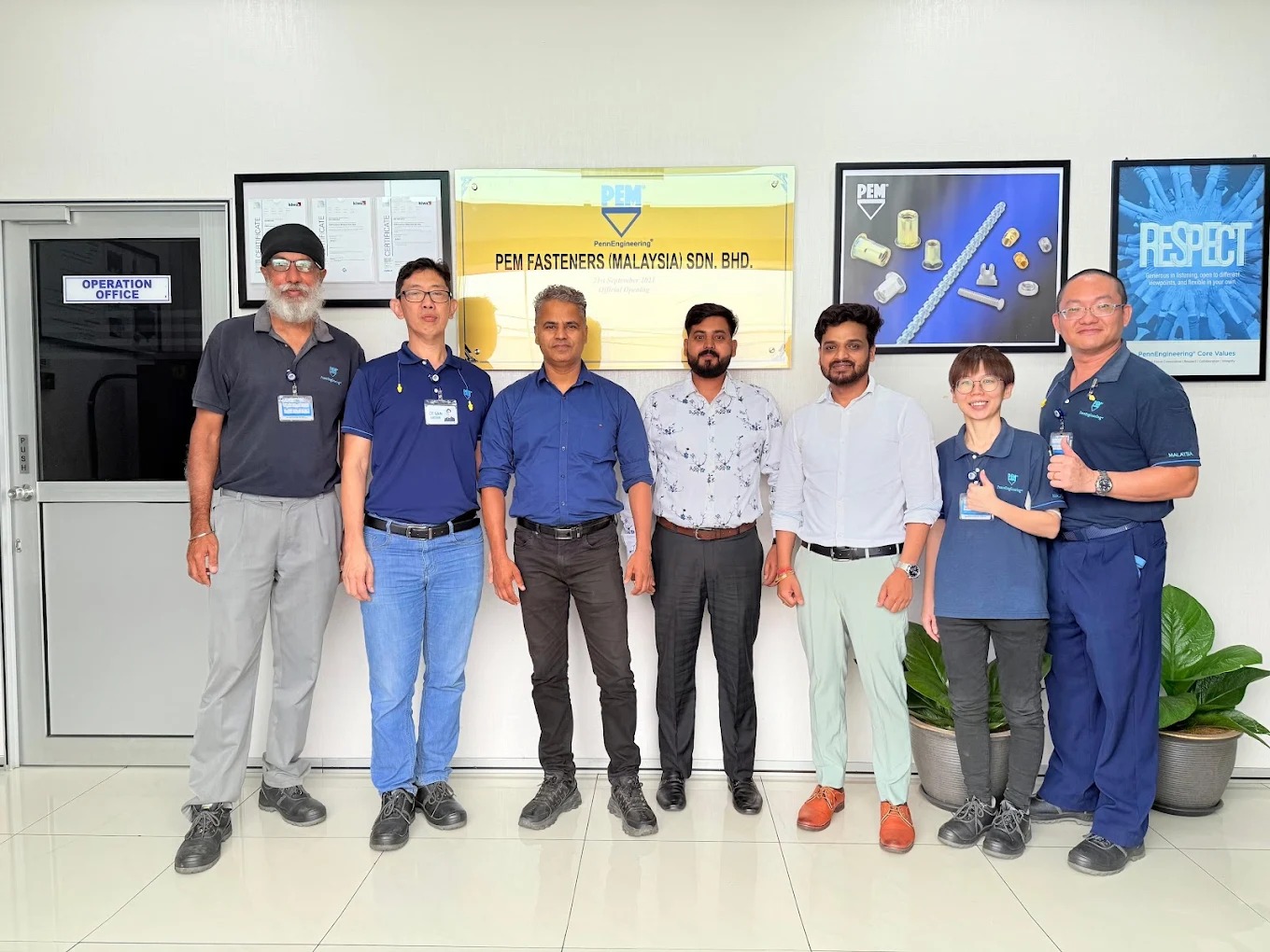
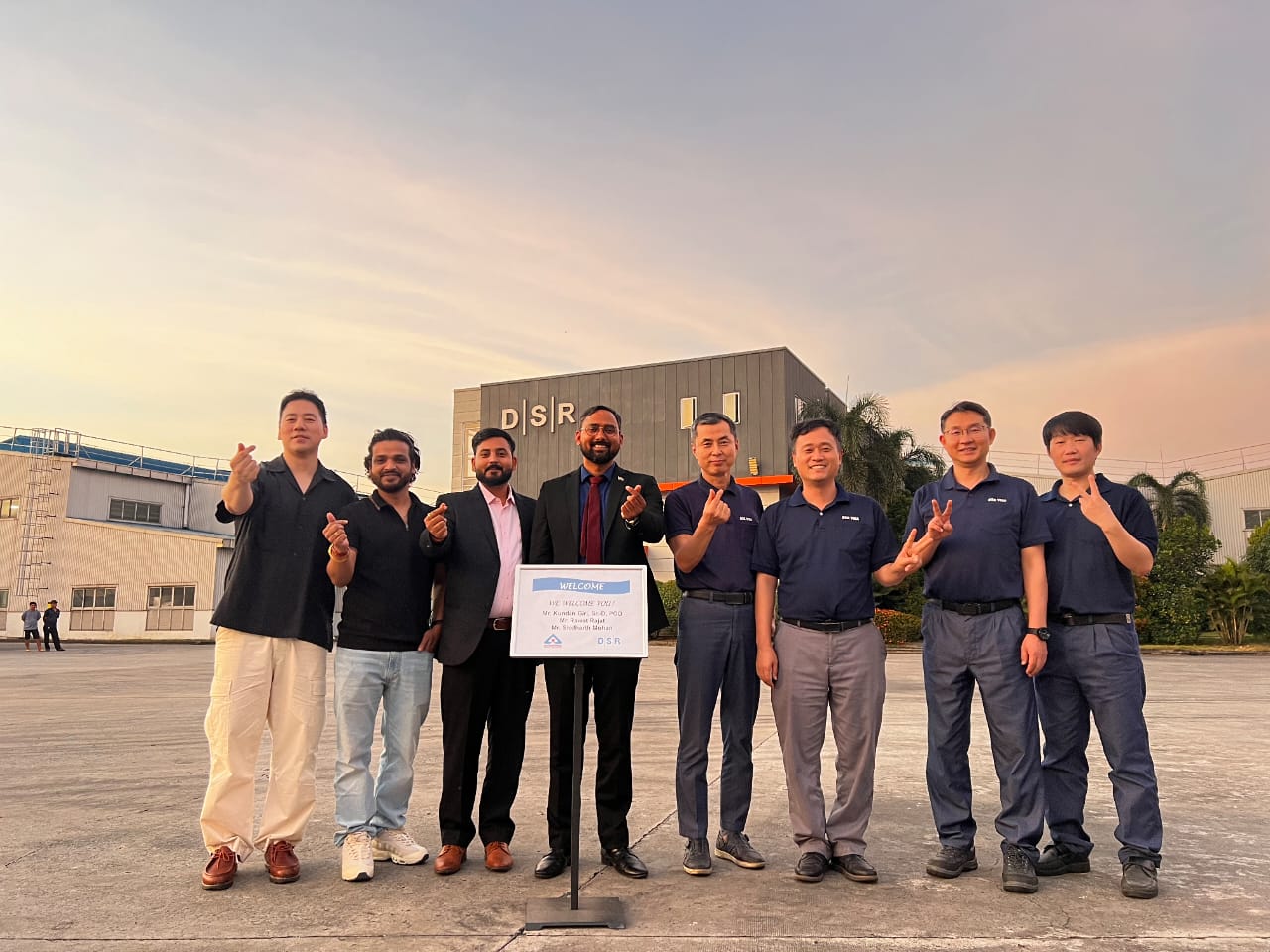
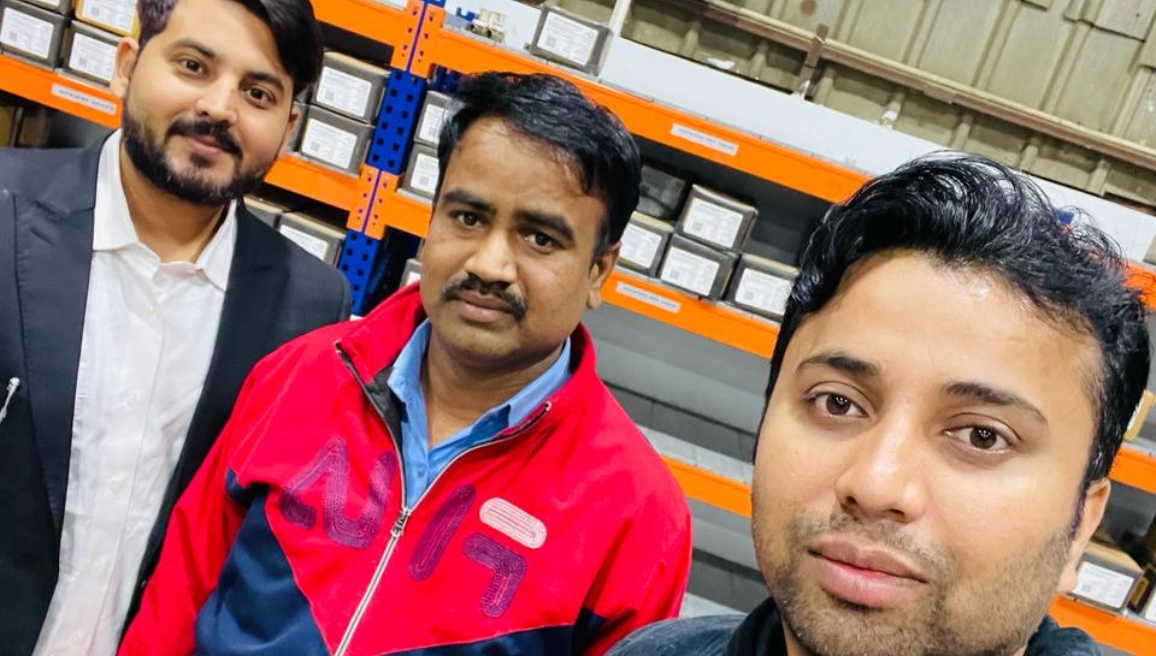
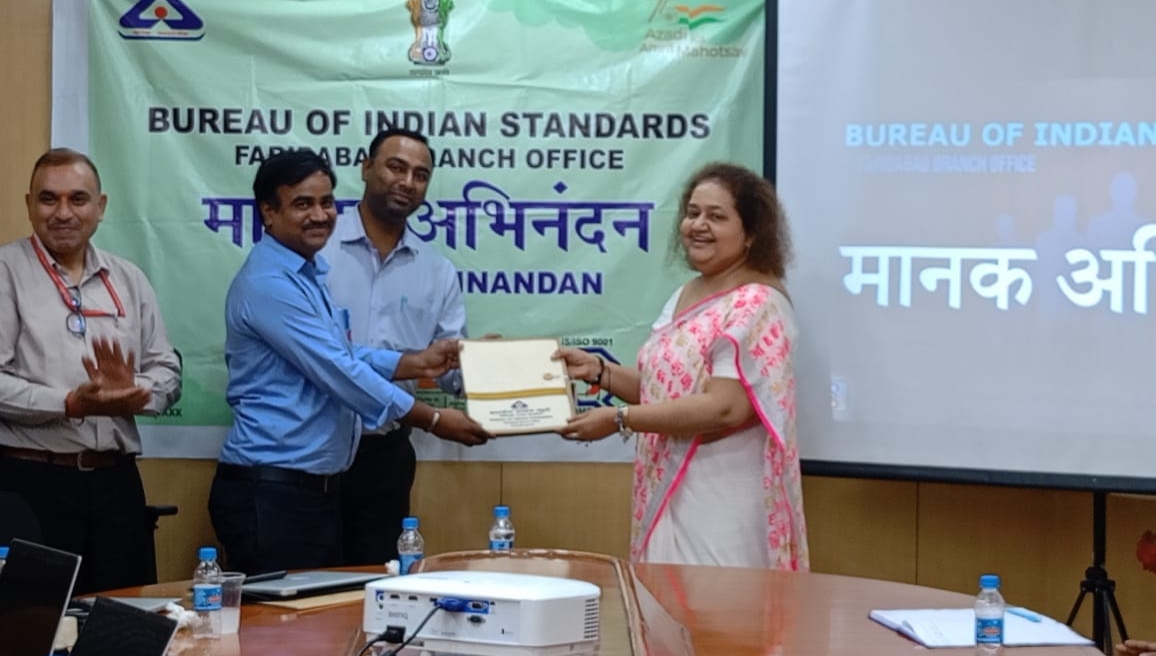
Real sites, real certifications
Our teams work inside factories and plants across India and abroad - inspections, audits and certification milestones spanning BIS, global schemes and the full compliance stack you see on this site.

What our clients say
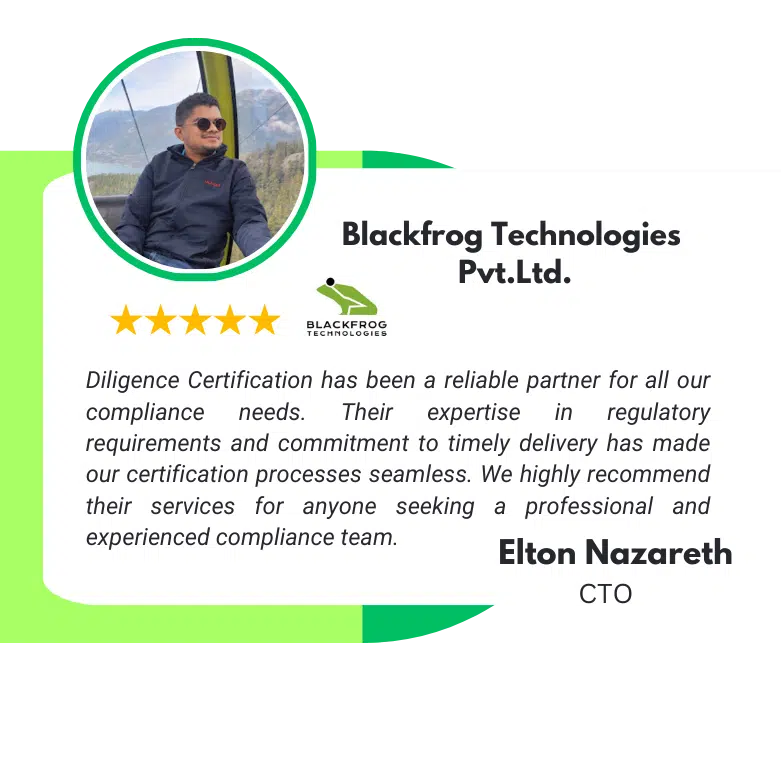
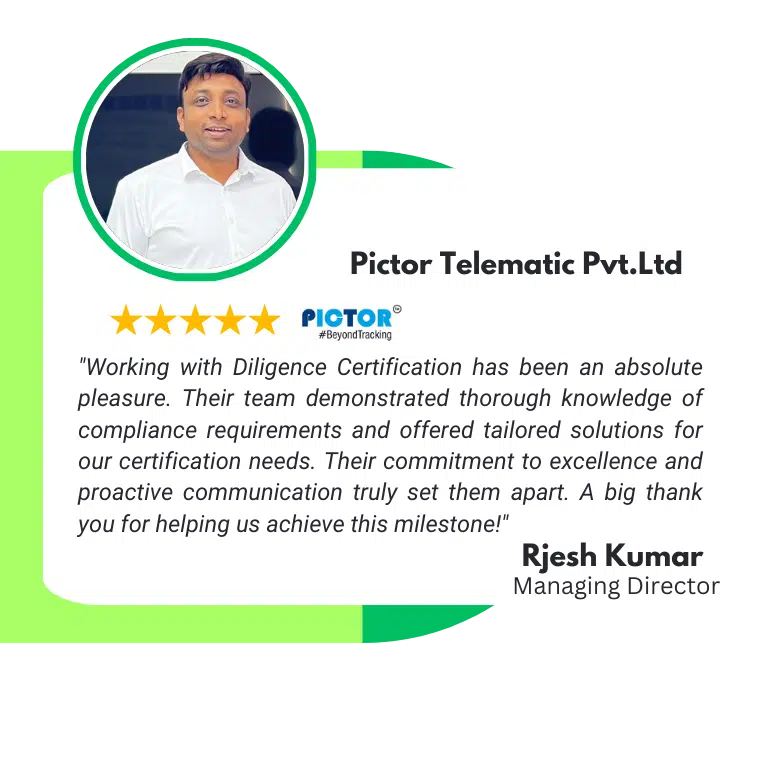
Reviews and feedback from businesses that have worked with Diligence Certifications.




Related BIS & Standards services
BIS Certification
Get your products BIS certified to ensure compliance with Indian standards.
View details →ISI Mark Certification
ISI Mark Certification for your products with expert guidance.
View details →CRS Mark Certification
BIS CRS Registration for electronics & IT products.
View details →Hallmarking
BIS Hallmarking Certification for gold & jewellery.
View details →FMCS Mark Certification
For foreign manufacturers entering the Indian market.
View details →ECO Mark Certification
Showcase your eco-friendly products with ECO Mark.
View details →Ready to get video editor intern?
Talk to our experts for a clear, fixed-scope plan - most clients get a roadmap the same day.