 BIS Certification
 CDSCO
CDSCO
 PESO
PESO
 CPCB
CPCB
 LMPC
LMPC
 WPC Approval
 Global Approvals
 TEC
TEC
 ARAI
ARAI
 BEE
BEE
 ISO Certification
 DGCA Certification
 NOC For Steel
 APEDA Registration























 Business Registration
 FSSAI Mark Certification












 (32).jpg)
 Legal Services
 Trademark Registration
 Copyright Registration
 Patent Registration
QCVN Certification
QCVN Certification confirms that your product meets Vietnam's National Technical Regulations (Quy Chuẩn Kỹ Thuật Quốc Gia) so it can...
Get expert consultation
Trusted by 25,000+ leading enterprises worldwide


Key takeaways
- QCVN stands for Quy Chuẩn Kỹ Thuật Quốc Gia - Vietnam’s mandatory National Technical Regulations for products and equipment.
- Conformity is shown through the CR mark (Conformity Regulation), which is compulsory before a regulated product can enter the Vietnamese market.
- The framework sits under the Law on Standards and Technical Regulations and the Law on Product and Goods Quality.
- Regulations are administered by STAMEQ under the Ministry of Science and Technology (MOST), with sector ministries such as MIC, MOIT and MOT overseeing specific product groups.
- Compliance is established through certification of conformity or a Declaration of Conformity (DoC), depending on the product and risk category.
- Product testing must generally be carried out by a designated, ISO/IEC 17025-accredited laboratory recognised in Vietnam.
- Indian exporters need QCVN compliance to clear customs and supply telecom, IT, electrical and many consumer products in Vietnam.
What is QCVN Certification?
QCVN Certification is the conformity assessment that proves a product meets the relevant Vietnamese National Technical Regulation (QCVN). These regulations set the mandatory safety, quality and performance requirements that a product must satisfy before it can be lawfully imported, distributed or sold in Vietnam.
Where a national standard (TCVN) is voluntary guidance, a QCVN is binding law. Once a product type is covered by a QCVN, demonstrating conformity is not optional: the product must be tested, assessed and labelled with the CR mark before it reaches the Vietnamese market. For Indian manufacturers and exporters, QCVN is the gateway to one of South-East Asia’s fastest-growing economies.
Common product groups covered by QCVN
- Telecom and radio equipment: routers, modems, transmitters
- Information technology equipment and IP cameras
- Electrical and electronic consumer products
- Toys, helmets and child-safety goods
- Building materials, steel and construction inputs
- Fuels, lubricants and chemical products
Authorities behind QCVN
QCVN is not run by a single body. The overarching framework is set centrally, while individual regulations are issued and enforced by the ministry responsible for that product sector. Knowing which ministry owns your QCVN is the first step to a clean approval.
| Authority | Role |
|---|---|
| MOST / STAMEQ | Sets the standards-and-regulations framework and accredits conformity bodies |
| MIC | Telecom, radio and IT equipment regulations and labelling |
| MOIT | Industrial, electrical and chemical products, fuels and energy goods |
| MOT | Vehicles, automotive components and transport equipment |
| Instrument | What it does |
|---|---|
| Law on Standards & Technical Regulations | Establishes the QCVN and TCVN system |
| Law on Product & Goods Quality | Governs quality control of products and imports |
| QCVN (e.g. QCVN 132, QCVN 135) | The specific technical regulation for a product type |
| CR mark | The conformity label affixed to compliant products |
Who needs QCVN Certification?
Any business that places a regulated product on the Vietnamese market is responsible for its conformity. For imports, the obligation typically falls on the importer of record, but exporting manufacturers must supply the test reports and technical documentation that make conformity possible.
- Indian manufacturers exporting regulated goods to Vietnam
- Importers and trading companies bringing products into Vietnam
- Distributors and authorised representatives placing goods on the market
- OEM and contract manufacturers supplying Vietnamese buyers
- E-commerce sellers shipping regulated products into Vietnam
- Brand owners seeking long-term market access and tender eligibility
Certification vs Declaration of Conformity
Vietnam allows conformity to be demonstrated in two ways. The route depends on the product, its risk category and the specific QCVN. Choosing the correct route at the outset avoids rework and customs delays.
| Route | When it applies |
|---|---|
| Certification of Conformity (CoC) | Higher-risk products requiring assessment by a designated certification body |
| Declaration of Conformity (DoC) | Products where a self-declaration based on accredited test results is permitted |
| Element | Detail |
|---|---|
| Testing | Carried out by an ISO/IEC 17025-accredited laboratory recognised in Vietnam |
| Registration | The certificate or declaration is registered with the competent authority |
| Labelling | The CR mark is applied to the product or packaging |
| Import clearance | Quality inspection completed during the import procedure |
The certification process, step by step
We manage the full journey from identifying the right QCVN through to a registered certificate and the CR mark on your product. The path adapts depending on whether your product follows the certification or declaration route.
Assessment & testing
Identify the QCVN
Determine the exact National Technical Regulation that applies to your product and the ministry that owns it.
Compile the dossier
Gather product specifications, datasheets, circuit and safety information and existing test reports.
Laboratory testing
Test the product against the QCVN at an ISO/IEC 17025-accredited, Vietnam-recognised laboratory.
Conformity & market entry
Conformity assessment
Obtain a Certificate of Conformity or prepare a Declaration of Conformity, as required for the product.
Registration
Register the certificate or declaration with the competent Vietnamese authority.
CR mark & clearance
Apply the CR mark and complete quality inspection during import for legal sale in Vietnam.
Documents required
- Business registration of the manufacturer and importer
- Product technical specifications and datasheets
- Bill of materials and component details
- Circuit diagrams and block diagrams, where relevant
- User manual and product labelling artwork
- Existing international test reports (CB, FCC, CE) if available
- Product samples for laboratory testing
- Letter of authorisation for the local representative, where required
Validity, fees & timeline
- Certificate validity is commonly set for a multi-year term, subject to surveillance and the specific QCVN.
- Costs depend on the product, the applicable QCVN and the volume of testing required.
- Typical timelines run from a few weeks to a few months, driven mainly by laboratory testing.
- Renewal and periodic surveillance keep the certificate and CR mark valid.
Exporting to other markets too? See our CB Certification, FCC Certification and SASO Certificate services.
Benefits of QCVN Certification
Legal market access
Clear Vietnamese customs and sell regulated products without the risk of seizure or rejection.
Faster clearance
Pre-arranged conformity smooths the import quality-inspection step and avoids costly hold-ups.
Buyer confidence
The CR mark assures Vietnamese distributors and buyers that your product is compliant.
Export growth
Tap a fast-growing ASEAN market with rising demand for telecom, IT and electrical goods.
Tender eligibility
Many institutional and government buyers in Vietnam require proof of QCVN conformity.
Reduced compliance risk
Avoid penalties, recalls and reputational damage from non-compliant products.
Your partner for Vietnam market entry
QCVN compliance involves overseas testing, the right conformity route, document translation and coordination with Vietnamese authorities and importers. Managing this from India without experienced support often leads to rejected samples, repeated testing and shipments stuck at customs.
- End-to-end handling from QCVN mapping to CR-marked, market-ready product
- Accredited lab coordination so your samples are tested correctly the first time
- Right-route advice on certification versus declaration of conformity
- Documentation support for dossiers, labelling and authority registration
- Single point of contact across testing, importers and authorities
- Cross-market expertise spanning CB, FCC, CE, SASO and BIS approvals
Planning to export to Vietnam?
Tell us your product and target buyers, and we will identify the applicable QCVN, the conformity route and the exact testing, documents and timeline you need.
Frequently asked questions
What is QCVN Certification?
QCVN Certification is the conformity assessment proving that a product meets Vietnam’s relevant National Technical Regulation (Quy Chuẩn Kỹ Thuật Quốc Gia). It is mandatory for regulated products before they can be imported, distributed or sold in Vietnam.
What is the difference between QCVN and TCVN?
QCVN are mandatory National Technical Regulations that products must comply with by law, whereas TCVN are voluntary national standards used as guidance. Conformity with the applicable QCVN is compulsory for regulated goods.
Who issues and oversees QCVN in Vietnam?
The framework sits under STAMEQ and the Ministry of Science and Technology (MOST), while sector ministries such as MIC for telecom and IT, MOIT for industrial and electrical goods, and MOT for transport equipment own the regulations for their product groups.
What is the CR mark?
The CR (Conformity Regulation) mark is the label applied to a product to show it has met the applicable QCVN. Only products that are certified or declared compliant and carry the CR mark may be lawfully sold in Vietnam.
Does testing have to be done in Vietnam?
Testing must generally be carried out by an ISO/IEC 17025-accredited laboratory that is designated or recognised in Vietnam. In some cases existing international test reports can support the dossier, but acceptance depends on the specific QCVN.
How long does QCVN Certification take?
Timelines typically range from a few weeks to a few months, driven mainly by laboratory testing, the conformity route and how complete the technical documentation is. We help streamline each step to avoid delays.
Why choose Diligence Certification?
For compliance and credibility, Diligence is much more than a checklist - we give you real confidence in your business. We examine your legal, financial and operational status, so you are not just certified, but trusted.
Stronger risk protection
Spot hidden legal, financial or operational risks early - fix problems before they become threats.
Earn stakeholder trust
From investors to customers, people want to work with businesses that play by the rules.
Stay legally aligned
Compliant not just on products but on labour, environmental and tax laws too.
Enhance brand reputation
Show the world you operate with integrity and transparency.
Stand out from competitors
In a crowded market, credibility is your biggest edge.
24×7 expert support
A 100+ strong service team guiding you at every step, free first consultation.
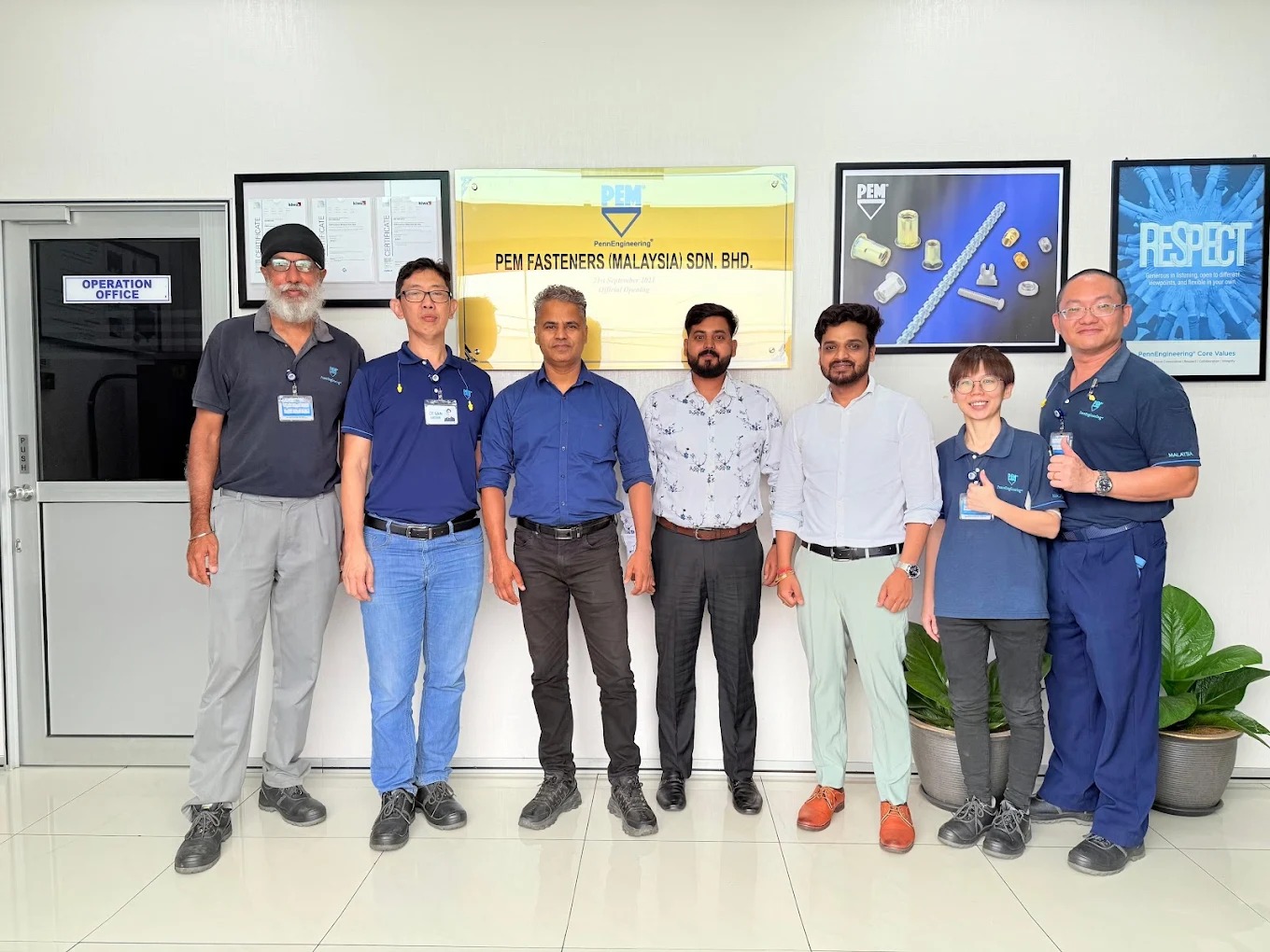
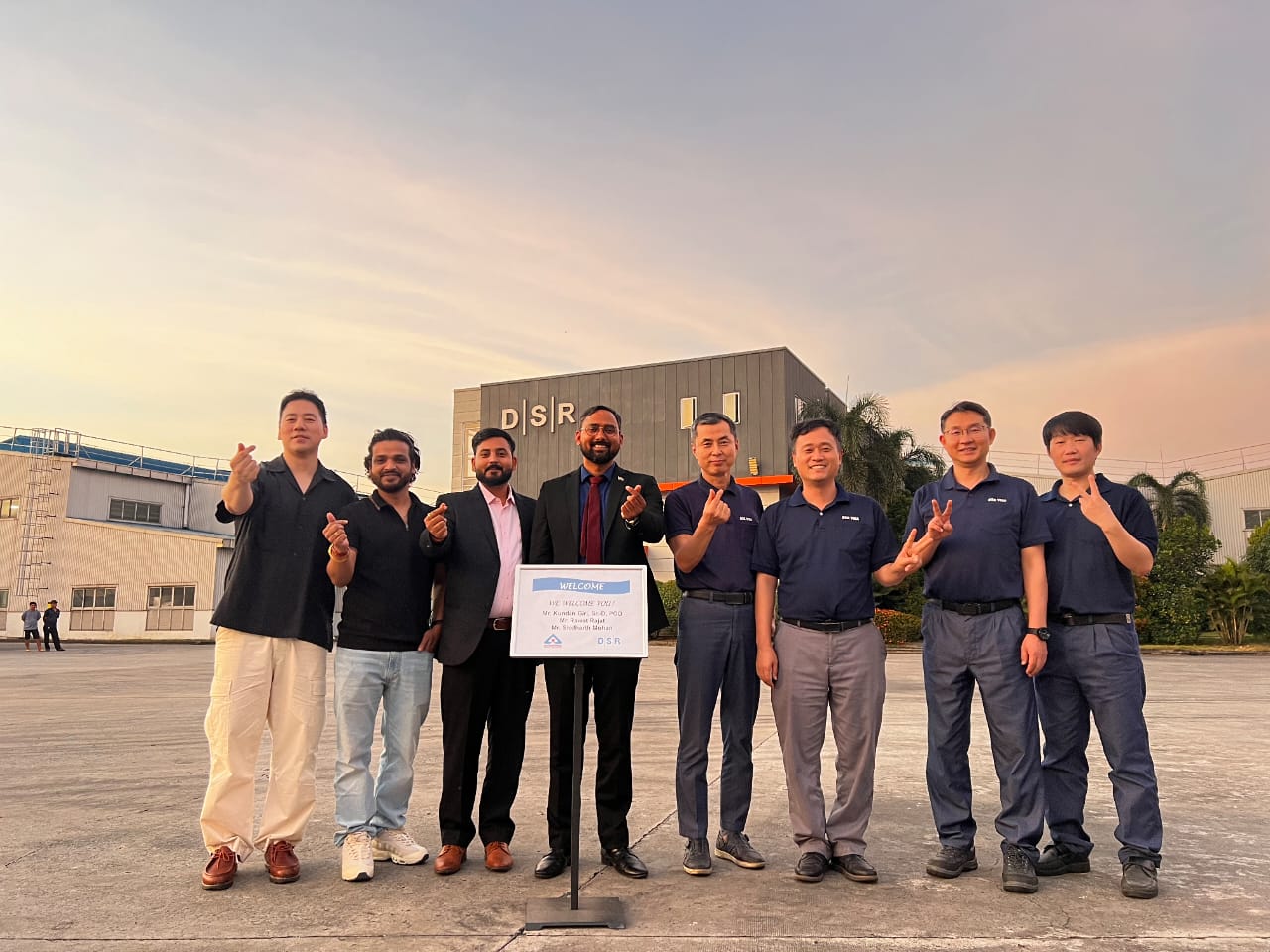
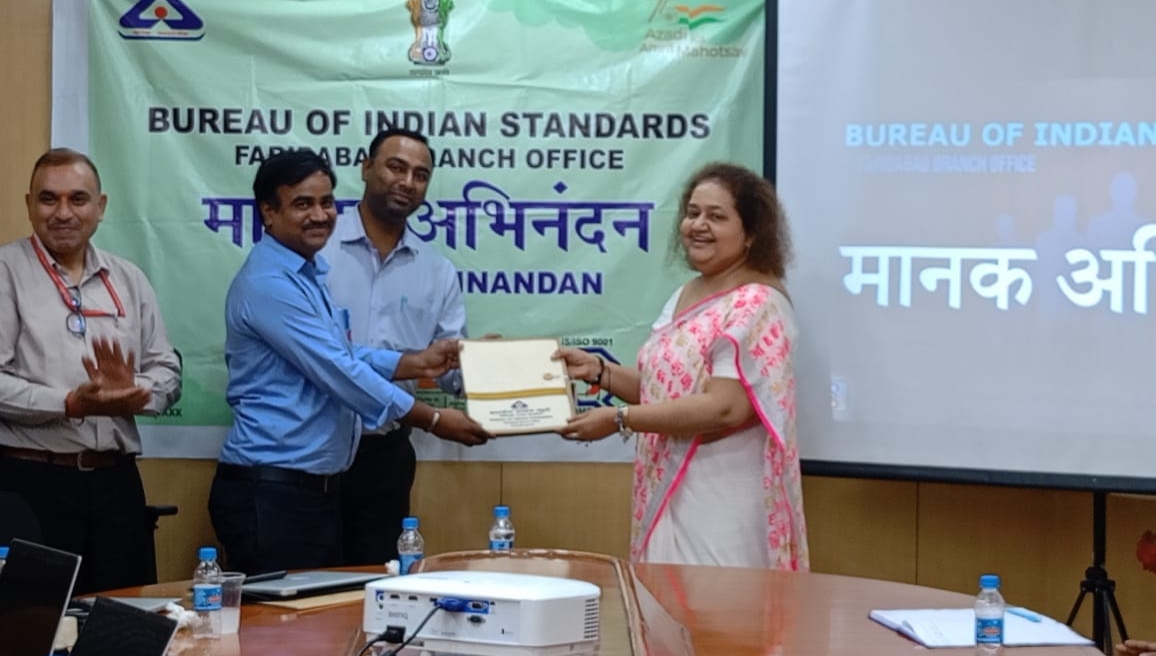
Real sites, real certifications
Our teams work inside factories and plants across India and abroad - inspections, audits and certification milestones spanning BIS, global schemes and the full compliance stack you see on this site.



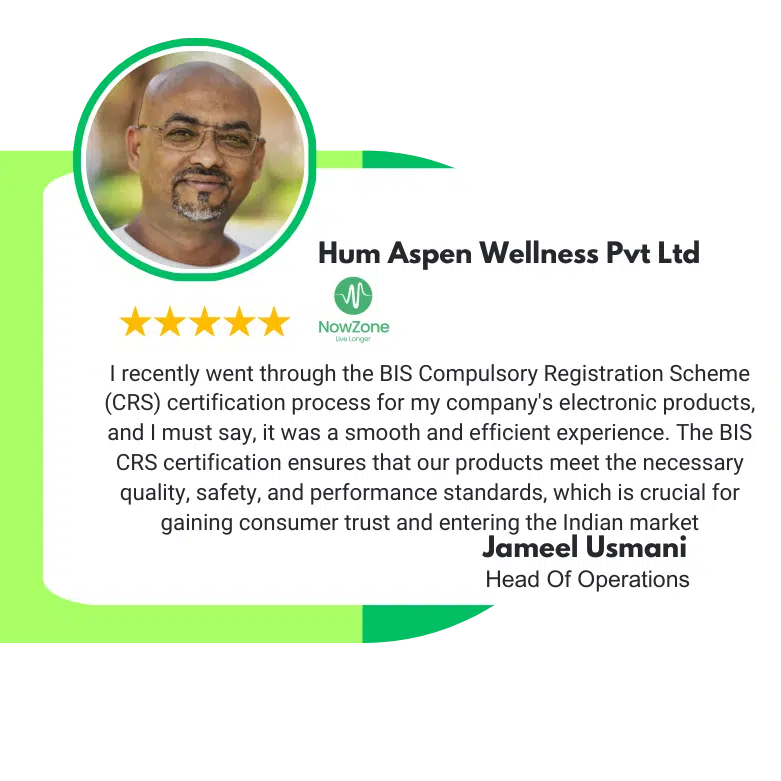
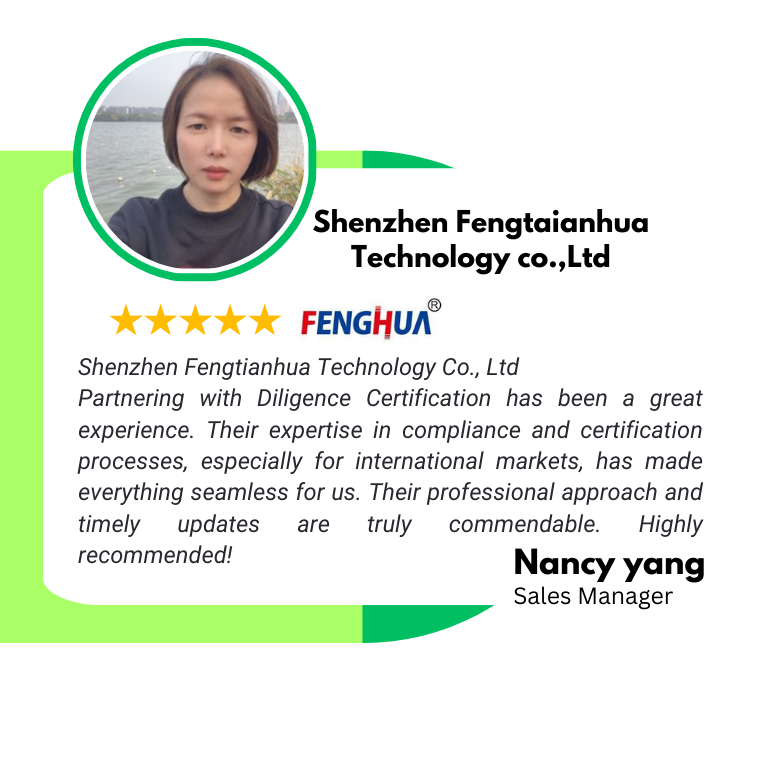
What our clients say
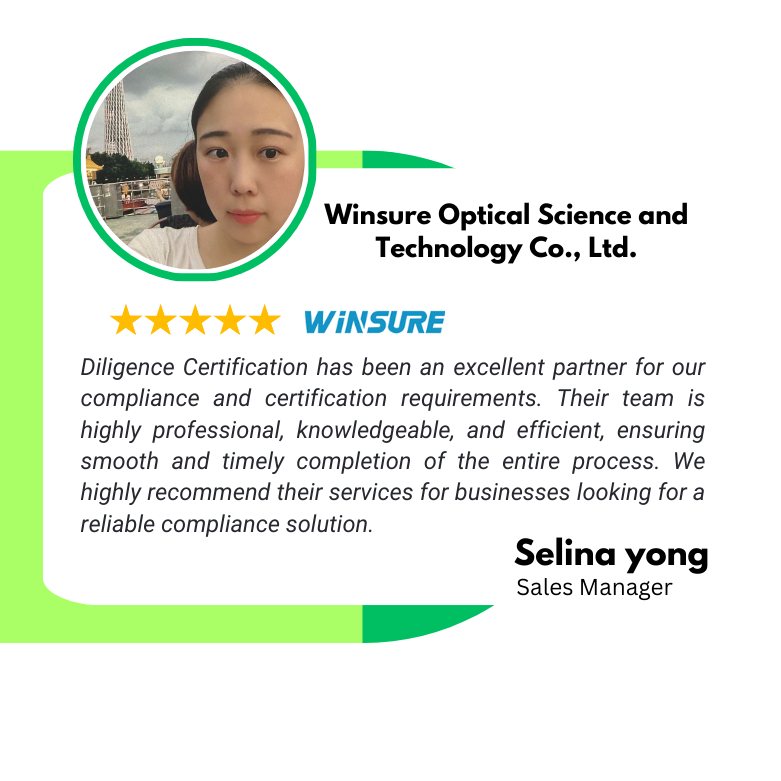
Reviews and feedback from businesses that have worked with Diligence Certifications.



Related Global Approvals services
RoHS Certification
Restriction of Hazardous Substances compliance.
View details →UL Certification
UL Certification for North American markets.
View details →KC Certification
Korea Certification for Korean market access.
View details →FCC Certification
FCC certification for US market entry.
View details →CE Certification
CE marking for European Union market access.
View details →CB Certification
IECEE CB Scheme certification - global recognition.
View details →Ready to get QCVN Certification?
Talk to our experts for a clear, fixed-scope plan - most clients get a roadmap the same day.