BIS Certification
 CDSCO
CDSCO
 PESO
PESO
 CPCB
CPCB
 LMPC
LMPC
 WPC Approval
 Global Approvals
 TEC
TEC
 ARAI
ARAI
 BEE
BEE
 ISO Certification
 DGCA Certification
 NOC For Steel
 APEDA Registration























 Business Registration
 FSSAI Mark Certification












 (32).jpg)
 Legal Services
 Trademark Registration
 Copyright Registration
 Patent Registration
 By
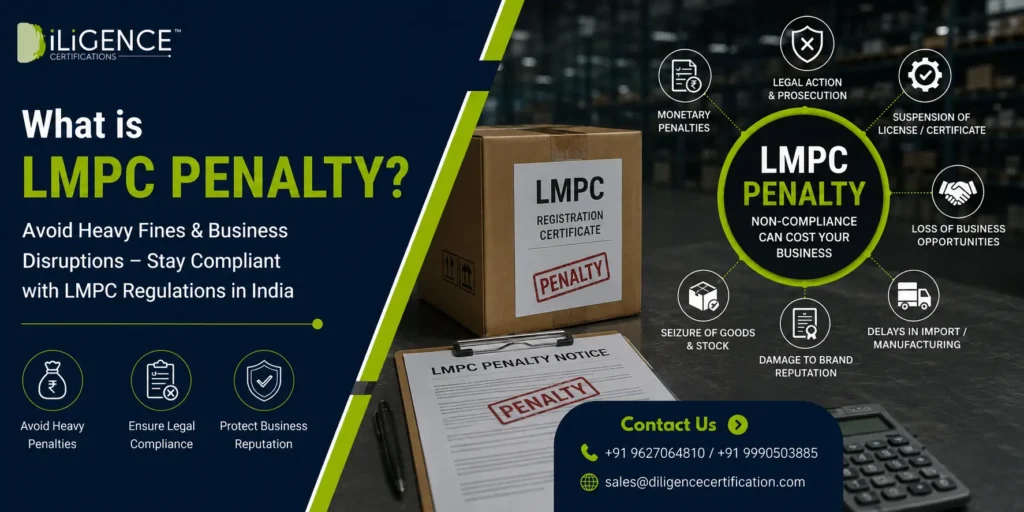
By - When people who import or make things in India do not follow the rules they have to pay a penalty. This is called the LMPC Penalty. The LMPC Penalty happens when importers, manufacturers or packers sell or bring into India things that are packaged in a way that is not allowed by the Legal Metrology (Packaged Commodities) Rules.
- If someone breaks these rules they might have to pay a fine, give up their products or even go to court. The LMPC Penalty can also cause delays when their products are coming into the country. It can disrupt their business.
- To avoid getting the LMPC Penalty businesses should make sure to register for the LMPC on time, put the information on their products and regularly check to make sure they are following all the rules.
Introduction
A shipment worth a lot of money arrived at a port after waiting for weeks. The person who imported it thought it would be cleared by customs in a day.. The products in the shipment got stuck because they did not meet the rules of Legal Metrology. The labels on the products were not complete. The importer did not get the required LMPC registration. The authorities would not clear the products until this issue was fixed.
This small mistake caused a lot of problems. The importer had to pay charges for keeping the products at the port.The deliveries were delayed, the distributors were unhappy and the importer had to pay more money for legal help.This kind of situation happens more often than people think.
Getting a penalty from LMPC is not about paying a fine to the government. It can cause problems in your supply chain, increase your costs, make your customers lose trust in you and even stop your business from running. If you import things like electronics, cosmetics, food, medical devices, toys or household items you need to understand what LMPC compliance is.
In this guide we will tell you everything that manufacturers and importers need to know about LMPC Penalty. We will explain the laws behind it, the common mistakes people make, tips to follow the rules and how getting help from an expert can save your business from losing money unnecessarily.
What is LMPC Penalty?
An LMPC Penalty means the consequences that businesses face when they don’t follow the Legal Metrology Act, 2009 and the Legal Metrology (Packaged Commodities) Rules, 2011.
The law says that every importer, manufacturer and packer who sells -packaged items in India must meet certain rules about how the products are packaged and labelled before they go on the market.
Not following these rules can lead to:
- Monetary fines
- Product seizure
- Delays in customs clearance
- Legal cases
- Damage to business reputation
- Prosecution for repeated mistakes
How serious the penalty is depends on things like what kind of rule was broken if the business has followed rules before and which parts of the Legal Metrology Act apply.For companies that bring products into India, getting LMPC Registration before importing is usually the way to avoid problems with the rules.
Why LMPC Compliance Matters More Than Ever
A lot of people who import things think that filling out customs forms is all they need to do.
Following the rules is a lot more work than just sending in invoices and Bills of Entry.
The people in charge also check if the things being imported are labeled correctly and comply with the rules about what information must be on the labels, such as:
- Name and address of importer
- Country of origin
- quantity
- Month and year of import or manufacture
- Maximum Retail Price (MRP)
- Customer care details where applicable
If any of this information is missing the authorities may take action.
As technology gets better and the customs people work closely with the Legal Metrology departments it is getting harder for businesses to fix mistakes after the goods have arrived.
So the best thing to do is to make sure customs documentation and Legal Metrology requirements for imported packaged commodities are done correctly before the things are shipped.This way businesses can prevent problems with customs documentation and Legal Metrology requirements, for imported packaged commodities before they even happen.
Understanding the Rules Behind LMPC Penalty
The Legal Metrology Act of 2009 is a law that sets standards for weights, measures and packaged commodities sold in India.
This law is very important because it helps to make sure that people who buy things know what they are getting.The Legal Metrology Rules of 2011 say that companies have to put information on the packages before they sell them.
This information includes things like how something weighs, how much it costs, who made it and where it came from.These rules help to protect people who buy things by making sure that companies are honest about what they’re selling.
For businesses following these rules is good because it helps to make sure that everyone is playing by the rules and it also helps to make people trust them more.When companies do not follow these rules the authorities can take action against them.
This can happen when companies:
- Bring products into the country without registering them
- Sell products that are not labelled correctly
- Put information on the labels
- Say that something weighs more or less than it really does
- Do not fix problems when they are told to
- Keep breaking the rules even after they have been warned
The goal of these rules is not just to punish companies but to make sure that everyone is playing fair in India’s distribution system.
Who Can Get an LMPC Penalty?
A lot of companies think that only companies that bring products into the country can get in trouble.Really many different types of businesses have to follow these rules.
These include:
Importers
Every company that brings packaged commodities into the country has to make sure that they follow the rules before they can sell them in India.If they do not register their products or label them correctly they can get in trouble.
Manufacturers
Companies that make packaged goods in India also have to make sure that they follow the rules.If their labels are wrong they can get. Fined.
Packers
Companies that put products in packages with their own brand name also have to follow the rules.They have to make sure that their packages still meet the requirements of the Legal Metrology Rules.
Brand Owners
Even if a company does not make its products but instead hires someone else to make them they still have to make sure that the products meet the rules.They cannot just sign a contract. Say that someone else is responsible for following the rules.
Common Reasons Businesses Face LMPC Penalty
When people check if businesses are following the rules they often find the same mistakes happening over and over in industries.One of these mistakes is Importing Without LMPC Registration.This is a reason why businesses have problems with customs and get delayed.
Businesses that import things often think that if they have an IEC registration it covers everything they need to do to follow the Legal Metrology rules.That is not true.They might need to get a LMPC registration depending on what kind of products they are importing.
- Another mistake is Incorrect Product Labels.
The people in charge often find that labels are missing information like
Importers address
Country of origin
MRP
Net quantity
- Customer support information
businesses that are trying to do the right thing can get in trouble if their labels do not have all the information that the law says they need to have.
- Incorrect Quantity Declaration is also a problem.
If businesses sell products with the amount of something it can be considered misleading.This happens whether it is on purpose or because of a mistake when packaging the products.
- Using Non-Standard Units is another issue.
If businesses use units of measurement that are not allowed under Indian Legal Metrology standards they can get in trouble with the law.This often happens when businesses import products from different countries and forget about this rule.
- False or Misleading Declarations are taken seriously by the authorities.
If labels have information about things like how much something costs, where it was made or what it is made of the authorities can take strong action against the business.This can lead to penalties for the business so it is very important to make sure everything is correct and honest, on the labels of LMPC products.
Industries Frequently Affected by LMPC Penalty
Every sector that deals with packaged consumer goods needs to check if they are following the rules of Legal Metrology compliance.
Common examples include:
- Consumer electronics
- Accessories
- Kitchen appliances
- Cosmetics
- Personal care products
- Packaged food items
- Medical devices
- Household products
- Toys
- Fitness equipment
- Industrial packaged products
- Imported retail goods
Many growing e-commerce brands also forget about Legal Metrology Packaged Commodities rules when they buy products from other countries.
What are the penalties if a company does not follow Legal Metrology Packaged Commodities rules?
The penalty for not following Legal Metrology Packaged Commodities rules depends on what the company did wrong if they have done it before and what the Legal Metrology Act of 2009 says. The people in charge look at each case one by one. They think about how bad the mistake was and how it affects the people who buy the products.
Companies should know that they will not just have to pay money if they do not follow the rules. The government can also stop their work, make them miss deadlines and check their work for a time.
Some of the things that can happen include:
- The company has to pay a fine as per the Legal Metrology Act.
- The government can take away the products that do not follow the rules.
- There can be delays when the products are being cleared at customs.
- The company has to change the labels on their products before they can sell them.
- In cases the government can stop the company from working or even cancel their license.
- The company can be taken to court if they break the rules on purpose or many times.
For companies that import products even a short delay at customs can mean they have to pay money to store their products. They miss their delivery dates and their distributors are not happy with them.
How is an LMPC penalty imposed on a business?
A lot of businesses think that they will get a penalty away if they do something wrong.That is not how it works.The people in charge usually follow steps to make sure everything is okay.
Here is what they do:
Step 1: Inspection
Officers from Legal Metrology go to warehouses, stores, factories or check the goods that come into the country.
Step 2: Verification
The officer checks if the goods that are packaged are following the rules of Legal Metrology.They make sure that the goods have all the information on them and that the business is registered.
Step 3: Notice
If the business is not following the rules they might get a notice that says they need to explain what is going on or fix the problem.
Step 4: Investigation
The authorities look at papers, registrations, invoices and labels on the goods to decide what to do.
Step 5: Penalty or Corrective Measures
Depending on what they find out the authorities might give the business a penalty, tell them to put labels on the goods, take the goods away or go to court if they need to.Businesses that work with the authorities and fix their mistakes right away usually have an easier time following the rules than businesses that ignore the notices from the authorities.
How to Avoid an LMPC Penalty
Avoiding an LMPC Penalty is much easier and less costly than handling one after your products are stopped at customs or taken off the market. A planned approach to compliance helps companies protect income, keep the flow of goods running smoothly and gain confidence from officials.
Get LMPC Registration Before Importing
If your products are covered by the Legal Metrology (Packaged Commodities) Rules get the needed LMPC Registration before bringing goods into India.
- Check Product Labels
- Make sure every package has all the information, including:
- Name and address of the importer or manufacturer
- Country of origin
- Net quantity
- Maximum Retail Price (MRP)
- Month and year of manufacture or import
- Customer service information if needed
Do Compliance Audits
Regular internal checks help spot issues with labels or documents before products are sent or brought in.
Teach Your Team
People involved in buying, moving, packing and making sure things are correct should know Legal Metrology rules. Knowledge helps prevent mistakes that can be avoided.
Talk to Compliance Experts
Laws change from time to time. Working with specialists keeps your business up to date. Following the rules without using your own staff for that work.
Why To Choose Diligence Certifications?
Diligence Certifications is a place where we help people who make things, people who bring things into the country and people who own brands. We help them figure out what they need to do to follow the rules of Legal Metrology.
Our team does a lot of things to help. These things are:
- LMPC Registration assistance
- We check to make sure product labels are correct
- We help with paperwork
- We give advice on how to follow the rules
- We take care of the process of applying for things
- We teach people about what they need to do for Legal Metrology
If you are bringing one thing into the country or if you have a lot of things you are selling, Diligence Certifications helps make it easier to follow the rules and reduces the chance of getting in trouble with the law..
Conclusion
An LMPC Penalty is a problem. It is not a fine. It can also delay shipments. Increase costs. This can disrupt the promises you make to your customers.. It can get you into legal trouble that you could have avoided.
The people who make and import things need to make sure they are doing everything right. They have to follow the rules, under the Legal Metrology framework. This is not something they should do later. It is something they should do now.
There are things you can do to protect your business from getting an LMPC Penalty. You can get the LMPC Registration. You can make sure your product labels are correct. You can also check regularly to make sure you are doing everything
If you want to import packaged goods or if you want to check your process Diligence Certifications can help you. They can help you understand what you need to do and ake sure you are doing it correctly.