BIS Certification
 CDSCO
CDSCO
 PESO
PESO
 CPCB
CPCB
 LMPC
LMPC
 WPC Approval
 Global Approvals
 TEC
TEC
 ARAI
ARAI
 BEE
BEE
 ISO Certification
 DGCA Certification
 NOC For Steel
 APEDA Registration























 Business Registration
 FSSAI Mark Certification












 (32).jpg)
 Legal Services
 Trademark Registration
 Copyright Registration
 Patent Registration
 By
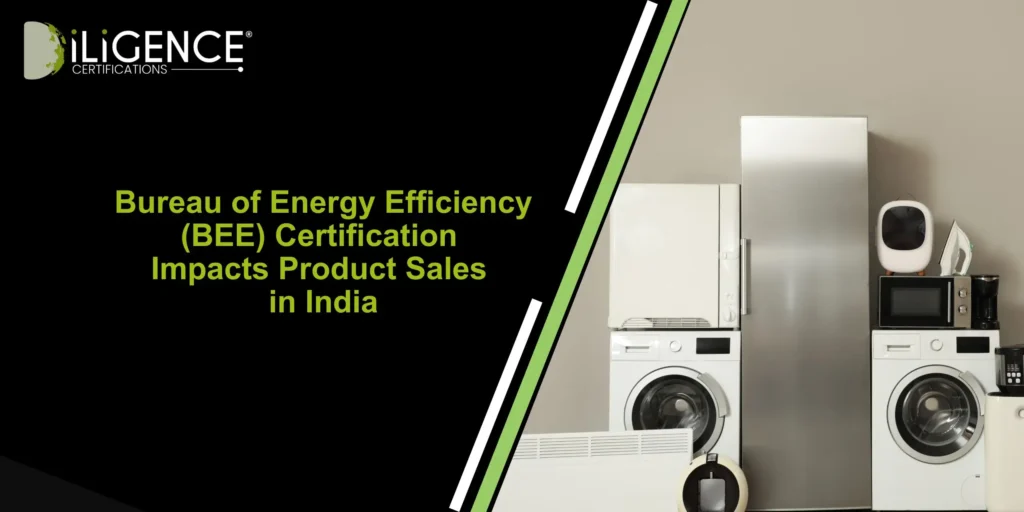
By - BEE Certification Impact on Product Sales Higher BEE star ratings increase product demand and conversion rates
- Certified products build stronger customer trust and credibility
- Mandatory compliance enables legal selling in regulated categories
- Energy-efficient products attract cost-conscious Indian buyers
- Retailers and e-commerce platforms prioritize BEE-labeled products
Introduction | BEE Certification Impact on Product Sales
In the Indian market, energy efficiency is no longer optional-it directly influences buying decisions. Consumers are becoming more aware of electricity consumption, long-term savings, and environmental impact. This shift has made BEE certification a critical factor for manufacturers, importers, and sellers.
Products without BEE ratings often struggle to compete, especially in categories like air conditioners, refrigerators, LED lights, and electrical appliances. On the other hand, BEE-certified products gain higher visibility, trust, and ultimately better sales performance.
This blog explains how BEE certification impacts product sales in India, covering its importance, benefits, process, and challenges.
What is BEE Certification?
The BEE (Bureau of Energy Efficiency) certification is an obligatory or voluntary energy label scheme introduced by the Indian government. The product’s energy efficiency is measured using a scale ranging from 1 Star (least efficient) to 5 Stars (most efficient).
Important Features:
- Energy consumption of products is measured under standardized conditions
- Stars represent energy savings
- Obligatory for certain items, including ACs, refrigerators, and geysers
- Optional for other devices, such as ceiling fans and domestic appliances
- Simplifies consumer comparisons of products
Why BEE Certification Impact on Product Sales Matters
1. Consumer Purchasing Decision is based on Electricity ConsumptionContemporary buyers consider electricity consumption along with price. The most expensive 5-star rating item will pay back over time with lower electric bills.
Implications: Products with a high rating will be bought quicker compared to items without a rating or having low ratings.
2. Certifications Become Mandatory for Entry into the Market For many items, BEE certification has become an important criterion to enter the market legally in India.
Implications: Lack of certification will result in inability to participate in the market.
3. Build More Trust and Credibility Customers find government-endorsed certifications reliable. BEE becomes a benchmark for quality and performance.
Implications: Increase in conversion.
4. Competitive Edge If there is competition between brands in terms of similar products, BEE ratings will become crucial.
Implications: High-rated items win.
5. Increased Number of Sales Online and Offline BEE rating plays an important role in marketing campaigns both online and in physical stores.
Implications: Visibility increases the number of clicks and therefore, number of sales.
Benefits of BEE Certification Impact on Product Sales
| Aspect | Without BEE Certification | With BEE Certification |
| Market Access | Restricted | Fully compliant |
| Customer Trust | Low | High |
| Sales Conversion | Slow | Faster |
| Brand Image | Weak | Strong |
| Retail Acceptance | Limited | Preferred |
| Electricity Savings | Not assured | Clearly defined |
| Government Support | No | Yes |
| Product Differentiation | Difficult | Easy |
Process of Getting BEE Certification
Step 1: Product Identification
Identify whether your product falls under mandatory or voluntary BEE categories.
Step 2: Testing in Approved Lab
Get the product tested in a NABL-accredited laboratory as per BEE standards.
Step 3: Documentation Preparation
Prepare technical documents, test reports, and manufacturer details.
Step 4: Online Registration
Register on the BEE portal and submit your application.
Step 5: Fee Payment
Pay applicable government fees based on product category.
Step 6: Label Approval
BEE reviews your application and approves the star rating.
Step 7: Label Affixing
Print and affix BEE labels on your product before selling.
Challenges of Getting BEE Certification Without a Consultant
1. Difficult Documentation Applicants often fail because their documentation is faulty.
Truth: Even a minor mistake can result in disqualification.
2. Testing Delays Wrong laboratory choices and poor comprehension of testing guidelines might cause delays.
3. Energy Performance Standards Knowledge about energy performance standards is technically complicated.
4. BEE Portal Mistakes and Nonconformity Problems Filing mistakes made in the BEE portal could cause the application to be rejected.
5. Wasted Time For the uninitiated, the procedure can consume months rather than weeks.
Why Choose Diligence Certification
Choosing the right compliance partner directly affects approval time, rejection risk, and overall cost. For certifications like Bureau of Energy Efficiency (BEE), execution quality matters more than just documentation.
1. End-to-End Assistance Systematic processing from documentation till final approval.
2. Quicker Turnaround Less waiting time as a result of expert intervention and proper submission.
3. Technical Know-how Knowledge of testing requirements guarantees compliance.
4. Accurate Documentation Eliminates the possibility of rejection.
5. Industry Insight Expert understanding of regulatory laws through various certifications.
Additional Important Factors Affecting BEE Certification Impact on Product Sales
1. Government Policies and Incentives BEE Certification Impact on Product Sales Subsidies may be provided to energy efficient goods at times.
2. High Electricity Costs in India High electricity costs make people opt for high rated products.
3. Business Customers’ Choice Businesses have a preference for energy efficient products.
4. Export Market BEE certified products enhance their chances of export.
What to Do (Actionable Strategy)
- Prioritize obtaining a minimum of 4 stars to gain competitive edge.
- Promote your company’s BEE rating through product packaging and advertising.
- Inform consumers about energy cost savings.
- Leverage BEE accreditation as a unique selling point in listings and advertisements.
- Maintain compliance and renew certifications regularly.
What NOT to Do
- Do not apply without appropriate testing reports.
- Do not seek minimum compliance (1-2 stars) when your competitors have more.
- Do not overlook label requirements.
- Do not put off certification; it affects sales.
- Do not make false energy claims.
Conclusion
BEE Certification Impact on Product Sales is not just a regulatory requirement-it is a direct sales driver in the Indian market. Products with higher energy ratings consistently outperform others due to better trust, visibility, and long-term cost benefits for consumers.
If your product is not BEE Certification Impact on Product Sales you are not just missing compliance-you are losing market share. On the other hand, a well-planned BEE Certification Impact on Product Sales strategy can significantly boost product demand, improve brand positioning, and increase revenue.
Frequently Asked Questions (FAQs)
Is BEE certification mandatory for all products?
No, it is mandatory only for specific categories like ACs and refrigerators.
How does BEE rating affect sales?
Higher ratings increase customer trust and purchase decisions.
What is the validity of BEE certification?
Typically valid for a specific period, after which renewal is required.
Can imported products get BEE certification?
Yes, importers must also comply with BEE requirements.
What happens if I sell products without BEE certification?
You may face legal penalties and product bans.
How long does the certification process take?
Usually 4-8 weeks, depending on documentation and testing.
What is the cost of BEE certification?
It varies based on product category and testing requirements.
Can I upgrade my product rating later?
Yes, after improving energy efficiency and re-testing.
Does BEE certification help in exports?
Indirectly yes, as it improves product credibility.
Is BEE certification required for e-commerce selling?
Yes, if your product falls under mandatory categories.