





 BIS Certification
 CDSCO
CDSCO
 PESO
PESO
 CPCB
CPCB
 LMPC
LMPC
 WPC Approval
 Global Approvals
 TEC
TEC
 ARAI
ARAI
 BEE
BEE
 ISO Certification
 DGCA Certification
 NOC For Steel
 APEDA Registration























 Business Registration
 FSSAI Mark Certification












 (32).jpg)
 Legal Services
 Trademark Registration
 Copyright Registration
 Patent Registration
India's #1 Compliance Partner
BIS Certification for Feeding Bottles
Feeding bottles are notified under a mandatory BIS Quality Control Order, so they cannot be manufactured, imported or sold in...
25,000+
Clients
200+
Certifications
25+
Years
Pan-India
Presence
Get expert consultation
Trusted by 25,000+ leading enterprises worldwide








Key takeaways
- Feeding bottles are notified for mandatory ISI certification, so they cannot legally be manufactured, imported or sold in India without a BIS licence and the ISI mark.
- The certification is issued by the Bureau of Indian Standards (BIS) under the BIS Act, 2016 and the BIS (Conformity Assessment) Regulations, 2018.
- Feeding bottles are certified to Indian Standard IS 14625; teats and soothers carry their own related standards.
- The licence is granted under Scheme I (the ISI Mark scheme) and applied for through the BIS Manakonline portal.
- The product must be tested at a BIS-recognised laboratory and the factory must pass an on-site assessment.
- Overseas manufacturers apply under the Foreign Manufacturers Certification Scheme (FMCS) and must appoint an Authorised Indian Representative (AIR).
- A BIS licence is typically valid for up to 2 years and can be renewed thereafter.
Overview
What is BIS ISI certification for feeding bottles?
BIS ISI certification for feeding bottles is a product licence from the Bureau of Indian Standards that confirms a feeding bottle conforms to the applicable Indian Standard and is safe for infant use. Feeding bottles are a notified product, which means the ISI mark is mandatory and not optional.
Because feeding bottles come into direct contact with milk and feed for babies, they are treated as a high-risk product. The licence covers material safety, capacity markings, leak-proof design, the safety of teats and closures, and the absence of harmful substances. Once granted, the manufacturer may apply the ISI mark, along with the standard mark licence number, to each conforming bottle.
Products covered in this category
- Plastic feeding bottles for infants
- Glass feeding bottles
- Silicone and BPA-free feeding bottles
- Teats, nipples and soothers (separate related standards)
- Feeding bottle caps, sealing discs and closures
- Anti-colic and wide-neck feeding bottles
Applicability
Who needs this certification?
Anyone placing feeding bottles in the Indian market is in scope. Because the product is notified, the requirement applies regardless of the size of the business or the channel of sale.
| Who applies | Scheme |
|---|---|
| Domestic manufacturers | Scheme I (ISI Mark) for each factory and product variety |
| Overseas manufacturers | Foreign Manufacturers Certification Scheme (FMCS) with an Authorised Indian Representative |
| Importers | Can import only ISI-marked bottles from a licensed manufacturer |
| Traders and e-commerce sellers | May sell only ISI-marked, licensed products |
| Standard | What it covers |
|---|---|
| IS 14625 | Feeding bottles - specification and safety requirements |
| Related teat standards | Teats, nipples and soothers used with the bottle |
| Quality Control Order | The order that makes ISI marking mandatory for the product |
How it works
The certification process, step by step
Applications are filed online through the BIS Manakonline portal. The route differs slightly for Indian and overseas manufacturers, but the core stages are the same.
Domestic manufacturer (Scheme I)
Prepare
Confirm the bottle meets IS 14625, set up in-house testing capability and compile factory and product details.
Apply on Manakonline
Register on the BIS portal and submit the application with the product range, process flow and supporting documents.
Factory assessment
A BIS officer inspects the manufacturing unit, quality control and test facilities, and draws samples.
Testing
Samples are tested at a BIS-recognised laboratory against the standard.
Grant of licence
On satisfactory assessment and test reports, BIS grants the licence and you may use the ISI mark.
Overseas manufacturer (FMCS)
Appoint an AIR
Nominate an Authorised Indian Representative to liaise with BIS on your behalf.
File the application
Submit the FMCS application on Manakonline with factory, product and representative details.
Assessment and audit
BIS audits the overseas factory and verifies the quality and testing systems.
Testing
Samples are tested for conformity to the Indian Standard.
Grant of licence
The licence is granted, allowing legal import and sale of ISI-marked bottles.
Paperwork
Documents required
- Business registration or incorporation documents
- Identity and address proof of the proprietor, partners or directors
- Factory address proof and manufacturing layout
- List of manufacturing machinery and test equipment
- Process flow chart for the feeding bottles
- Details of the technical and quality control staff
- In-house test reports and calibration records
- Trademark or brand registration, where applicable
- For overseas units: AIR authorisation and the country-of-origin details
Testing
What is tested
- Material safety and freedom from harmful substances
- Capacity, graduation markings and dimensional accuracy
- Leak-proof and spillage performance
- Resistance to heat, sterilisation and repeated use
- Safety of teats, closures and small detachable parts
- Durability and finish of the bottle and cap
Looking at the wider mark? See our ISI Mark Certification and BIS Certification services.
Fees, validity & timeline
Get a free assessment
Cost factors and licence lifecycle
BIS fees comprise an application fee, an audit or assessment charge, testing charges and an annual marking fee linked to production. Exact figures depend on the product range and the number of factories, so we map them to your case before you commit.
| Component | Details |
|---|---|
| Application fee | Payable to BIS when the application is filed |
| Audit / assessment charge | Cost of the factory inspection by a BIS officer |
| Testing charges | Laboratory testing of samples against IS 14625 |
| Marking fee | Annual fee linked to the value of marked production |
| Validity | Licence is typically valid for up to 2 years, renewable thereafter |
Not sure which standard applies to your bottle?
Tell us your product range and where you manufacture, and we will confirm the standard, the documents and a realistic timeline.
Why it matters
Benefits of ISI certification
Legal to sell
Meet the mandatory requirement and sell feeding bottles without the risk of seizure or penalty.
Infant safety
Independent testing confirms the bottle is safe for direct use with infant feed.
Market access
Retail chains and e-commerce platforms list only ISI-marked, licensed products.
Brand trust
The ISI mark is a recognised signal of quality and safety to parents and buyers.
Smooth imports
Licensed overseas units clear customs and distribution without compliance hold-ups.
Protection from counterfeits
A licence number tied to the mark helps keep unsafe, copycat products out of the market.
Compliance
Why the ISI mark is mandatory
Feeding bottles are notified under a Quality Control Order issued by the Government of India, which brings them under compulsory BIS certification. Manufacturing, importing, storing for sale or selling a feeding bottle without a valid BIS licence and the ISI mark is an offence under the BIS Act, 2016.
What non-compliance can cost you
- Penalties and prosecution under the BIS Act, 2016.
- Seizure and recall of non-conforming stock from the market.
- Removal of listings by marketplaces and retailers.
- Reputational damage and loss of consumer trust.
Why Diligence Certifications
Talk to a BIS expert
Your certification partner
BIS product licensing is documentation-heavy and the factory assessment leaves little room for error. We manage the entire licence so you can focus on production.
- End-to-end handling on the BIS Manakonline portal
- Pre-assessment of your factory and test setup before the BIS audit
- Coordination with BIS-recognised laboratories for sample testing
- Support for both domestic Scheme I and overseas FMCS applications
- Drafting and review of the complete document set
- Renewal reminders and ongoing compliance support
Ready to certify your feeding bottles?
Share your product details and we will map the standard, documents, testing and a clear timeline to the ISI mark.
FAQ
Frequently asked questions
Is BIS ISI certification mandatory for feeding bottles?
Yes. Feeding bottles are notified under a Quality Control Order, so the ISI mark is compulsory. They cannot be manufactured, imported or sold in India without a valid BIS licence.
Which standard applies to feeding bottles?
Feeding bottles are certified to Indian Standard IS 14625. Teats, nipples and soothers used with the bottle carry their own related standards.
Who issues the certification?
The Bureau of Indian Standards (BIS) issues the licence under the BIS Act, 2016 and the BIS (Conformity Assessment) Regulations, 2018, through the ISI Mark scheme (Scheme I).
How do overseas manufacturers get certified?
Foreign manufacturers apply under the Foreign Manufacturers Certification Scheme (FMCS) and must appoint an Authorised Indian Representative (AIR) to liaise with BIS.
How long is the BIS licence valid?
A BIS licence for the ISI mark is typically valid for up to two years and can be renewed before it expires to keep the mark in use.
What happens during the factory assessment?
A BIS officer inspects the manufacturing unit, quality control system and in-house test facilities, and draws samples that are then tested at a BIS-recognised laboratory against the standard.
25,000+
Clients served
200+
Certifications
100+
Experts
25+
Years
Why Diligence
Why choose Diligence Certification?
For compliance and credibility, Diligence is much more than a checklist - we give you real confidence in your business. We examine your legal, financial and operational status, so you are not just certified, but trusted.
Stronger risk protection
Spot hidden legal, financial or operational risks early - fix problems before they become threats.
Earn stakeholder trust
From investors to customers, people want to work with businesses that play by the rules.
Stay legally aligned
Compliant not just on products but on labour, environmental and tax laws too.
Enhance brand reputation
Show the world you operate with integrity and transparency.
Stand out from competitors
In a crowded market, credibility is your biggest edge.
24×7 expert support
A 100+ strong service team guiding you at every step, free first consultation.
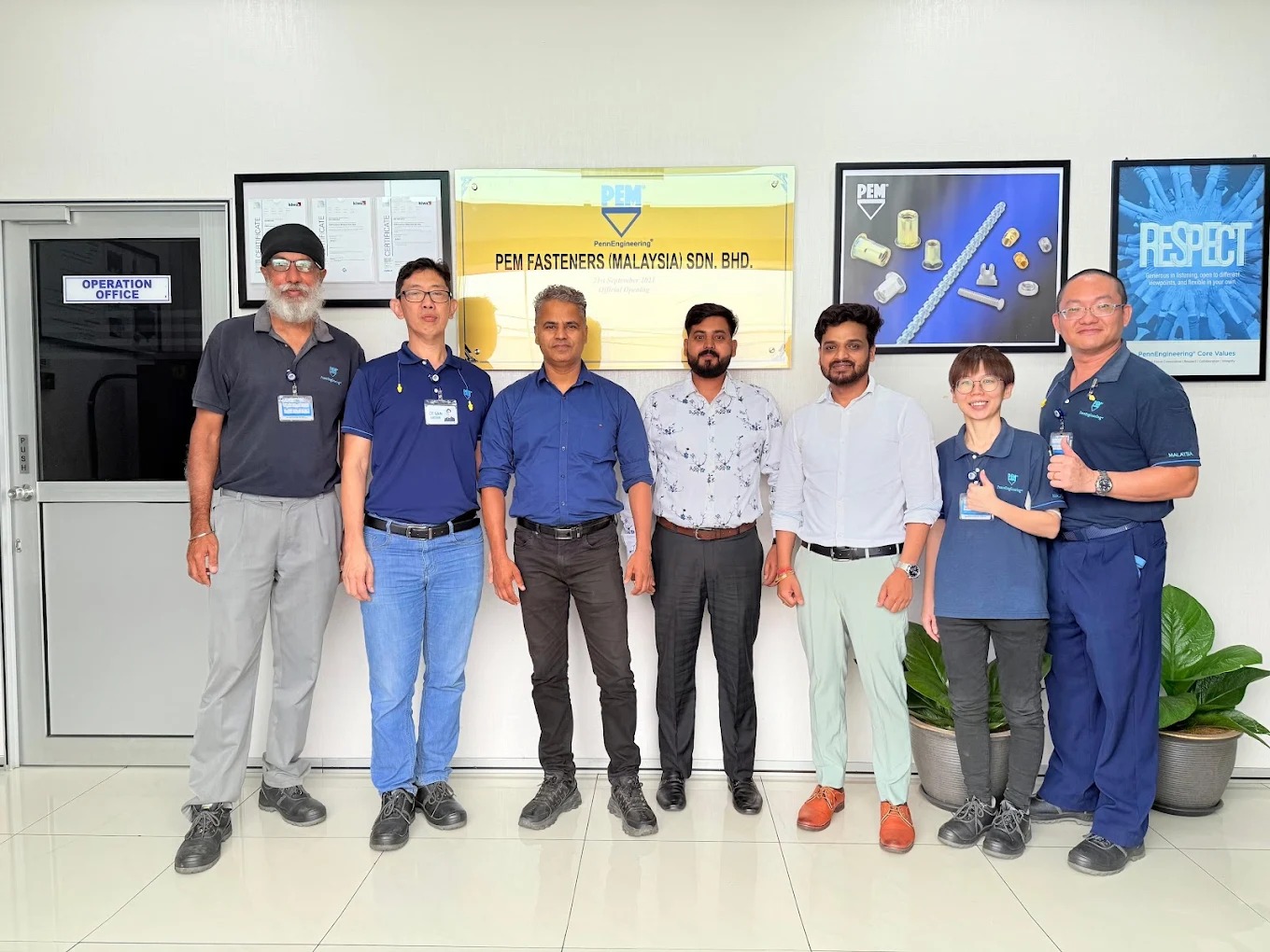
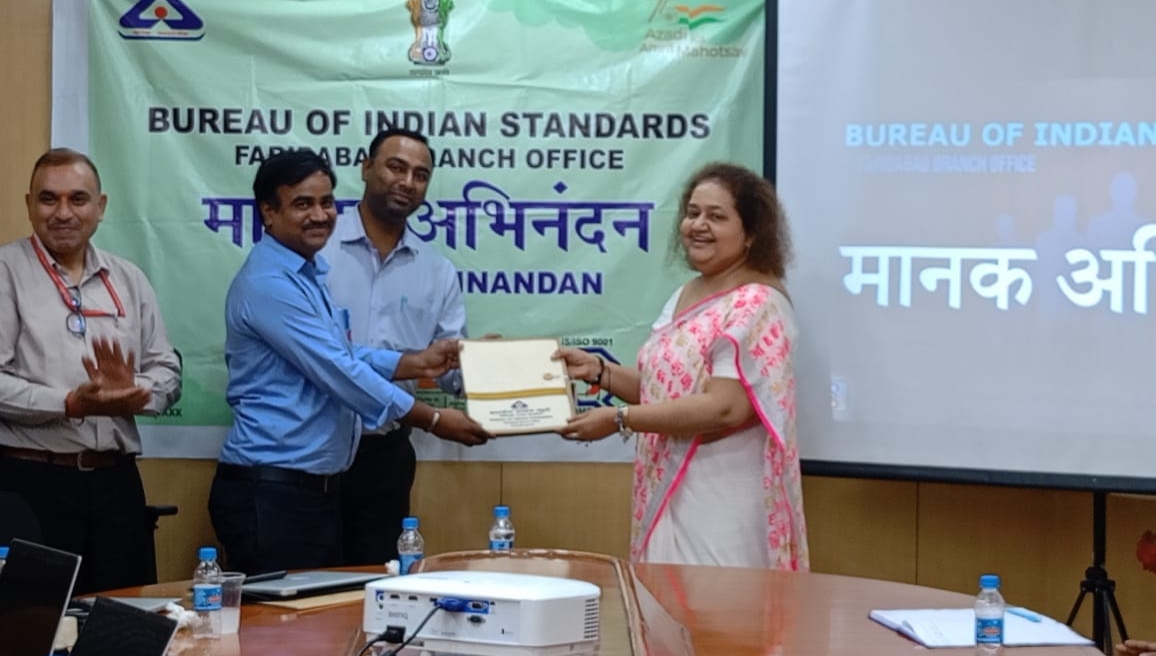
Real sites, real certifications
Our teams work inside factories and plants across India and abroad - inspections, audits and certification milestones spanning BIS, global schemes and the full compliance stack you see on this site.


What our clients say
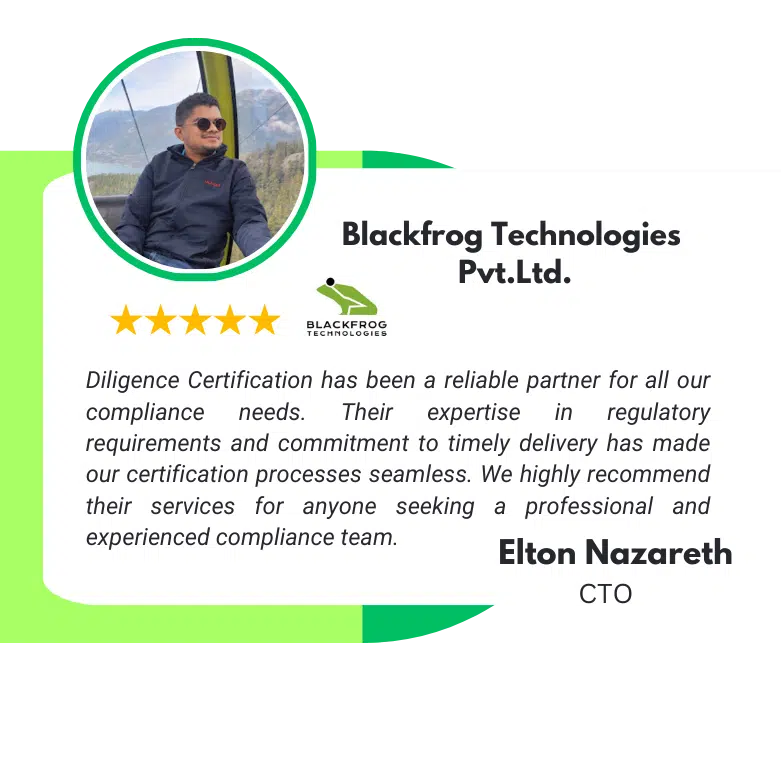
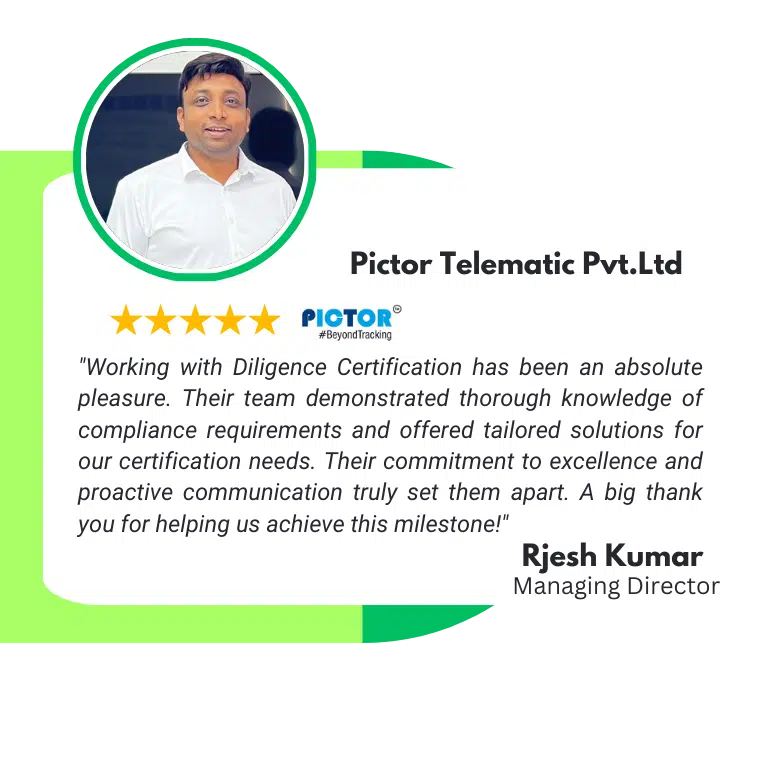
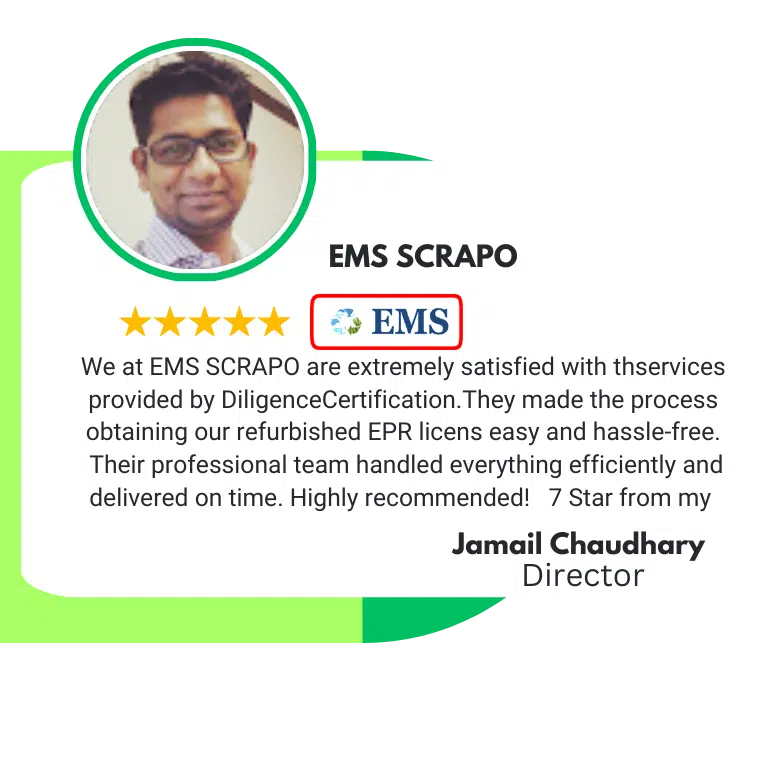
Reviews and feedback from businesses that have worked with Diligence Certifications.






Explore
Related BIS & Standards services
BIS Certification
Get your products BIS certified to ensure compliance with Indian standards.
View details →ISI Mark Certification
ISI Mark Certification for your products with expert guidance.
View details →CRS Mark Certification
BIS CRS Registration for electronics & IT products.
View details →Hallmarking
BIS Hallmarking Certification for gold & jewellery.
View details →FMCS Mark Certification
For foreign manufacturers entering the Indian market.
View details →ECO Mark Certification
Showcase your eco-friendly products with ECO Mark.
View details →Ready to get BIS Certification for Feeding Bottles?
Talk to our experts for a clear, fixed-scope plan - most clients get a roadmap the same day.