BIS Certification
 CDSCO
CDSCO
 PESO
PESO
 CPCB
CPCB
 LMPC
LMPC
 WPC Approval
 Global Approvals
 TEC
TEC
 ARAI
ARAI
 BEE
BEE
 ISO Certification
 DGCA Certification
 NOC For Steel
 APEDA Registration























 Business Registration
 FSSAI Mark Certification












 (32).jpg)
 Legal Services
 Trademark Registration
 Copyright Registration
 Patent Registration
 By
By - CPCB EPR registration service helps eligible businesses understand registration requirements and applicable EPR rules.
- Producers, importers, brand owners and plastic waste processors may need registration, depending on their activities.
- Required documents may include PAN, GST details, business registration proof and plastic packaging or import records.
- Businesses must fulfil applicable EPR targets, maintain records and submit required reports after registration.
- Professional registration support helps businesses prepare accurate applications, identify documentation gaps and manage ongoing compliance responsibilities.
Introduction
A company that sells packaged food, packaged cosmetics, packaged electronics or packaged household products might have EPR duties even if another factory makes the products or the packaging.
According to India’s Extended Producer Responsibility rules brand owners must know what EPR requires them to do and keep records of EPR activities.
A CPCB EPR registration service helps companies discover what EPR demands prepare the required papers finish the registration and manage all post‑registration tasks, including meeting EPR goals and submitting the EPR reports.
What Is a CPCB EPR Registration Service?
The CPCB EPR registration service helps businesses to register and meet their responsibilities under Extended Producer Responsibility. Extended Producer Responsibility means that some businesses must manage the waste created by the products or packaging they sell. The exact duties change based on the rules that’re currently in place and the type of business involved.
A professional registration service can help with tasks like:
- Checking if EPR registration is required for the business.
- Determining the category.
- Collecting company and product information.
- Looking at the documents that support the application.
- Gathering data on the amount of packaging used.
- Assisting with the registration process.
- Explaining the EPR targets. What needs to be reported.
- Keeping track of the records that are needed for compliance.
A registration service can help businesses get their applications ready. It cannot promise that the registration will be approved. The person applying is still in charge of making sure the information is correct and, for meeting all responsibilities.
Who Needs CPCB EPR Registration for Plastic Packaging?
The Plastic Waste Management Rules, 2016 and their updated amendments apply to specified producers, importers, brand owners and plastic waste processors. Some amendments also include raw-material businesses and smaller producers.
It is important to check the registration requirement by matching the business’s activities with the latest applicable rules.
1. Producers
Producers are companies that create packaging or do work that is covered by the law.
For example a company that makes containers, bottles or packaging materials should check if its work falls under the producer category.
The company needs to look at its production processes the types of packaging it uses and the related documents to find out which registration rules apply.
2. Importers
Businesses that bring packaged goods or plastic packaging materials into India may have to take on Extended Producer Responsibility (EPR).
Importers need to keep records of their imports, such as product information, invoices and packaging details.
Depending on the type of business and the current application process the Import Export Code (IEC) may also be required.
3. Brand Owners
A brand owner can sell products under its brand even if another company does the production or packing.
For example a company that sells personal care products under its name might use a third party manufacturer.
The brand owner cannot assume that the manufacturer handles all EPR responsibilities.
The company needs to examine its role and obligations according to the rules.
4. Plastic Waste Processors
Businesses that recycle waste turn it into energy convert it into oil or do composting may need to register under the rules.
Their registration process is different, from that of producers, importers and brand owners.
These businesses may also need to keep records, about their facilities, processing capacity and daily operations.
5. Certain Plastic Raw-Material Businesses and Smaller Producers
Recent amendments and directions from the Central Pollution Control Board (CPCB) have included manufacturers and importers of raw materials sellers of these materials and micro and small producers.
Even if a business qualifies as small it should not assume it is automatically exempt, from EPR rules.
All businesses should check the rules. See which requirements apply to their specific activities.
Why Is CPCB EPR Registration Important?
CPCB EPR registration helps businesses that are allowed to take part in the program meet their duties under Indias Extended Producer Responsibility rules. It is necessary for companies that make bring in or sell products that are covered by EPR rules.
- Legal Compliance: It helps businesses follow the rules for registration and the environment.
- Waste Management: It helps with the way to collect, recycle and handle the waste that is covered.
- Accurate Reporting: It helps companies keep track of information and send the reports they need on time.
- Avoiding Penalties: It lowers the chance of not following the rules and possible problems from the government.
- Business Transparency: It helps the people who own brands make products and bring things in understand what they have to do.
In CPCB EPR registration is a step, for businesses that can take part in the program to handle their environmental duties keep good records and follow the rules that apply.
CPCB EPR Registration Process: Step by Step
Step 1: Identify Your Business Category
I recommend first figuring out what kind of business you operate. Are you a producer, an importer, a brand owner, a waste processor or something else covered by the rules?
Some companies do than one thing. If that is the case you need to look at each activity. Do not just pick a category based on your company name or main product.
Step 2: Prepare Company Details
I suggest gathering all the details about your business for the application. This includes:
- The name of your company and its registered address.
- Your PAN and GST number.
- Business registration or incorporation documents if needed.
- Information about the authorised person who will act on your behalf.
- IEC details if applicable.
- Any existing registration numbers, if you are already registered.
I advise checking these details against your records. If there are differences, in names, addresses or other key information you may be asked to explain them.
Step 3: Collect Plastic Packaging Data
I recommend getting data about the packaging used by your business. What you need depends on your role. For example:
Production quantities may be required if you make packaging.
Import documents might be needed if you bring in packaging from outside.
Purchase invoices and sales records could be important.
Packaging specifications and product‑wise details help show exactly what is being used.
All numbers should be based on records. Avoid using guesses or unsupported estimates. If your figures are not backed up it can cause delays or issues during review.
Step 4: Classify the Packaging Correctly
I emphasize that packaging comes in types- plastic, flexible plastic, multilayered plastic and compostable plastic that meets the rules. You must classify your packaging correctly according to the definitions. Do not rely on how vendors describe the packaging.
For instance if a product is sold in a bottle. The same product is also sold in a pouch refill those two packages must be recorded separately. Each type has requirements.
Step 5: Use the Current Government Portal
Make sure to use the CPCB Common EPR Portal. The old plastic‑packaging EPR portal was shut down on June 28 2026. All old data was moved over to the portal. If you were already registered check your information on the system. If anything is wrong fix it through the process.
Step 6: Complete the Application
Fill in all the required fields for your company, applicant, products and packaging. Upload all the documents requested for your category. Before submitting, double‑check everything. Make sure your entries match your records. Key details like names, addresses and quantities must be correct and supported by documents.
Step 7: Respond to Regulatory Queries
After submission the authority might ask questions. They may want information. You should reply with records. Follow the instructions sent through the system. Do not assume your application has been approved until you get the confirmation.
Step 8: Plan, for Compliance
Once registered find out what ongoing duties apply to your business. These might include meeting EPR targets getting recycling certificates, managing documentation keeping records and filing reports. Assign someone to keep track of deadlines. Trying to gather everything at the end of the year can create stress. Increase the risk of missing obligations.
Documents Required for CPCB EPR Registration
The document checklist varies according to the applicant category, business activity and current application requirements.
| Document or information | Purpose |
| Company PAN | Business identification |
| GST registration certificate | Verification of business information |
| Incorporation or business registration proof | Establishing legal identity |
| Authorised person’s details | Official communication and account access |
| IEC, where applicable | Importer information |
| Product and packaging details | Identifying packaging types |
| Production or import records | Supporting relevant quantity calculations |
| Sales and purchase records | Reconciling business activity and packaging data |
| Existing EPR registration details | Checking previous registration information |
| Applicable permissions or authorisations | Supporting specific activities and categories |
Plastic waste processors may need additional records relating to their facilities, permissions, processing capacity and operations.
Having the documents is not enough; the information must also be consistent. If a company’s address differs across its records, the discrepancy should be reviewed before the application is submitted.
Businesses should confirm the latest official document checklist instead of relying on an old application guide.
How Long Does CPCB EPR Registration Take?
There is no time frame that can be guaranteed for every application.
The time needed can vary based on the type of applicant how complete the documents are, how accurate the information is, the review by rules and any questions that come up.
Companies can prepare better by checking if they’re eligible ahead of time gathering the needed papers making sure the amounts of packages match and looking over the application before sending it in.
A service that helps with registration can assist with these tasks. The final choice and how long it takes still depend on the group that makes the decision.
Plastic Packaging Categories Under EPR
Correct classification is important because the applicable requirements may vary according to the packaging category.
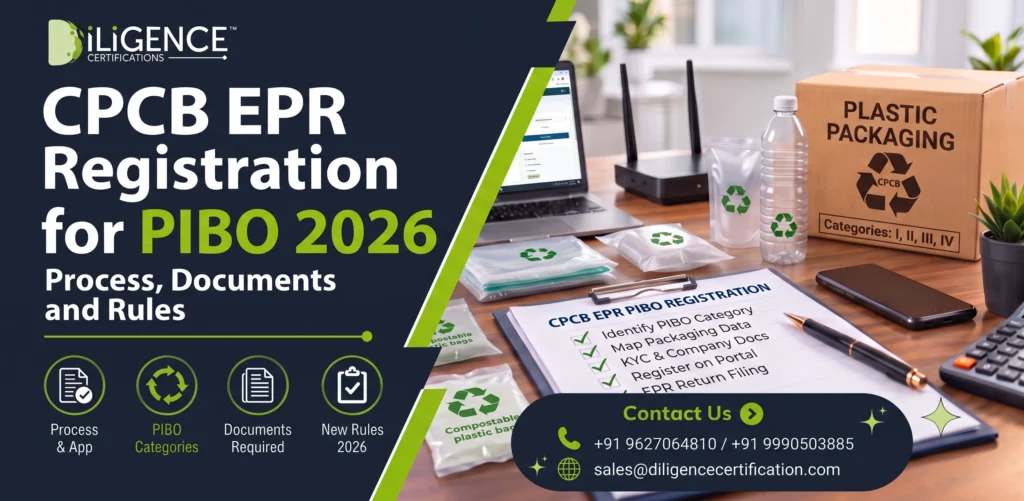
| Category | General description | Example |
| Category I | Rigid plastic packaging | Plastic bottles and rigid containers |
| Category II | Flexible plastic packaging | Plastic films, pouches and flexible bags |
| Category III | Multilayered plastic packaging | Packaging made from plastic and other materials |
| Category IV | Eligible compostable plastic packaging | Compostable packaging covered by the applicable rules |
These descriptions are illustrative. Businesses should verify the current regulatory definitions and applicable exclusions before classifying their packaging.
A company selling products in several packaging formats should maintain records that distinguish those formats where required. Accurate classification supports better quantity calculations and compliance reporting.
What Are the EPR Obligations After Registration?
Registration is the beginning, not the step in compliance. Businesses need to know what obligations apply to their category and keep records to back up their reports.
1. Meet Applicable EPR Targets
Covered businesses must follow the targets and responsibilities set by the rules that’re relevant, to them. Depending on the category these targets could involve recycling, reuse, end-of-life disposal. Using plastic.
Targets must be calculated using the method and accurate business data.
2. Work With Eligible Plastic Waste Processors
If required businesses should work with waste processors that are properly registered. They must also check the validity of any documentation provided by these processors.
Do not assume that every recycling vendor can issue certificates that count for EPR compliance. Always confirm the processor’s registration status. Whether it meets the requirements before accepting its certificates.
3. Maintain Supporting Records
Keep records of packaging quantities production numbers, imports, sales, recycling agreements, relevant certificates and any returns that have been submitted.
A single central record that matches the information uploaded through the portal helps businesses catch any inconsistencies early.
4. Complete Applicable Returns
Determine which returns are. When they are due based on the business category and financial year.
Different categories may have reporting duties. Businesses should follow the schedule that applies to them. Not assume that one deadline fits all.
5. Verify Registration Information
Existing applicants should review their account access, registration details and any migrated information on the Common EPR Portal.
If there is any mismatch or error it should be corrected through the process.
Common Mistakes to Avoid During CPCB EPR Registration
Many compliance problems arise because businesses treat registration as a simple form-filling exercise rather than a process requiring accurate information.
Selecting the Wrong Business Category
The applicant category should reflect the company’s actual activities under the applicable rules. A brand owner should not automatically apply as a producer simply because a third party manufactures its products.
Using Unsupported Packaging Estimates
Reported quantities should be supported by business records and a consistent calculation method. Guesswork can create discrepancies during application review or later reporting.
Following Outdated Portal Instructions
The former plastic-packaging portal was discontinued in June 2026. Businesses should use the current Common EPR Portal rather than relying on old screenshots or saved application guides.
Ignoring Compliance After Registration
A registration certificate does not remove applicable recycling, reporting or record-keeping responsibilities. Businesses should assign an internal person to monitor ongoing requirements.
Relying on Guaranteed Approval Promises
A service provider can assist with preparation and submission, but the regulatory authority controls the decision. Ask for a clear scope of work and avoid unsupported approval guarantees.
Delaying Documentation
Waiting until the last moment to collect packaging, production or import information can make it difficult to prepare accurate figures. Regular record collection is a more reliable approach.
What Happens If a Business Does Not Meet EPR Requirements?
Failure to comply with applicable environmental requirements may expose a business to regulatory action, including environmental compensation or other measures available under the relevant rules.
The consequences depend on the nature of the violation, the applicable provisions and the facts of the case. A single penalty amount should not be assumed to apply to every business.
To reduce compliance risks, businesses should confirm their registration requirements, complete the applicable process, meet relevant EPR targets, maintain supporting records and submit required returns on time.
They should also distinguish between an incomplete application, missing registration and failure to fulfil post-registration obligations. Each issue may require a different corrective action.
How to Choose a CPCB EPR Registration Service Provider
Before hiring a service provider, check whether it understands the EPR category relevant to your business.
A suitable provider should explain the registration process in simple language, identify the required documents, flag inconsistencies and clarify the difference between registration support and ongoing compliance assistance.
Consider the following points:
- Regulatory understanding: Does the provider explain the applicable rules and current portal process?
- Document review: Will it check your records before submission?
- Clear scope: Does the quotation explain which tasks are included and excluded?
- Ongoing compliance: Can it explain the reporting and EPR responsibilities that continue after registration?
- Transparent communication: Does it explain regulatory queries without promising guaranteed approval?
- Account control: Will your business retain access to its official account and company information?
The applicant should understand what has been submitted on its behalf and retain access to its official registration records.
Why Choose Diligence Certifications for CPCB EPR Registration Service Certification?
Diligence Certifications supports businesses seeking assistance with product certification and regulatory compliance. For companies exploring CPCB EPR registration, the first step is to understand their business activities, the applicable registration category and the documents required for the process.
The service approach should focus on helping clients prepare accurate information, identify documentation gaps and understand their continuing compliance responsibilities rather than treating the registration certificate as the only objective.
Businesses can explore the CPCB Plastic EPR Registration service offered by Diligence Certifications for relevant service information. For broader details about its regulatory and certification services, visit the Diligence Certifications .
Before starting, businesses should prepare their company information, packaging details and available production, import or sales records. This helps identify missing information and clarify the next steps.
The scope of assistance should be confirmed in advance, including whether it covers document preparation, application support, responses to regulatory queries or ongoing compliance reporting.
Conclusion
Businesses dealing with plastic packaging need to understand their EPR responsibilities before beginning registration. Correct applicant classification, accurate packaging data, consistent documents and timely reporting all contribute to a better-managed compliance process.
The CPCB EPR registration service can help businesses prepare for registration, identify documentation gaps and understand the obligations that continue after approval. Existing applicants should also verify their migrated information and follow current CPCB instructions.
If your business manufactures, imports or sells products using plastic packaging, review the applicable registration requirements before proceeding. Contact Diligence Certifications to discuss your business category, documentation and the appropriate next steps.
Frequently Asked Questions
1. What is CPCB EPR registration?
CPCB EPR registration is the registration required for eligible businesses under applicable Extended Producer Responsibility rules. It helps covered businesses meet their responsibilities for managing waste from products or plastic packaging.
2. Who needs CPCB EPR registration?
Depending on the applicable rules, producers, importers, brand owners and plastic waste processors may need registration. Businesses should check their activities and category before applying.
3. What is a CPCB EPR registration service?
A CPCB EPR registration service helps businesses understand applicable requirements, prepare documents, complete application steps and organise their ongoing EPR compliance responsibilities.
4. What documents are required for CPCB EPR registration?
Commonly required information may include PAN, GST registration, business registration documents, authorised person details, product and packaging information, and production or import records. The exact checklist depends on the applicant category.
5. How do I apply for CPCB EPR registration?
First, identify your business category and check the applicable requirements. Prepare the necessary documents and packaging data, use the current official EPR portal, complete the application and respond to any regulatory queries
6. Is CPCB EPR registration mandatory for brand owners?
Brand owners covered by the applicable EPR rules may need registration even when a third-party manufacturer produces or packages their products. Their obligations depend on their business activities and the rules that apply.
7. How long does CPCB EPR registration take?
The processing time can vary depending on the application category, document accuracy, completeness of information and regulatory review. Businesses should avoid relying on an unverified fixed timeline.
8. What are the plastic packaging categories under CPCB EPR?
Plastic packaging is generally classified into four categories: Category I for rigid plastic packaging, Category II for flexible plastic packaging, Category III for multilayered plastic packaging and Category IV for eligible compostable plastic packaging.
9. What happens after CPCB EPR registration?
Businesses must fulfil the obligations applicable to their category. These may include meeting EPR targets, maintaining records, working with eligible waste processors, obtaining relevant certificates and filing required returns.
10. Can a CPCB EPR registration service guarantee approval?
No service provider can guarantee regulatory approval. A consultant can assist with document preparation, application submission and compliance guidance, but the final decision rests with the relevant authority.